All news

Multicoin Capital cofounder Kyle Samani joins Backpack US board
Backpack US appointed Multicoin Capital cofounder Kyle Samani to its board of directors on September 2, signaling an aggressive push into regulated American financial markets. The move aims to bridge the gap between traditional equity trading and blockchain-based infrastructure as the firm scales its global operations.
/silhouette-oil-pumps-at-oil-field-with-sunset-sky-background-823687286-8a6bfdbba835422ba23c528bee37a7a4.jpg)
Kalshi Seeks Regulatory Green Light for WTI Oil Perpetual Futures
Kalshi is preparing to file for U.S. regulatory approval as early as next week for a perpetual futures contract linked to West Texas Intermediate crude oil. If authorized by the Commodity Futures Trading Commission, the product would mark the first time a regulated domestic exchange offers oil exposure without an expiration date.

Outdated Solana contract flaw leads to $1.1M stablecoin theft
An attacker exploited an outdated Rain smart contract on Aug. 28, draining $1.1 million from stablecoin card programs on the Solana blockchain. By manipulating signature verification instructions, the perpetrator bypassed authorization controls to seize collateral funds before laundering the assets through the Tornado Cash mixer.
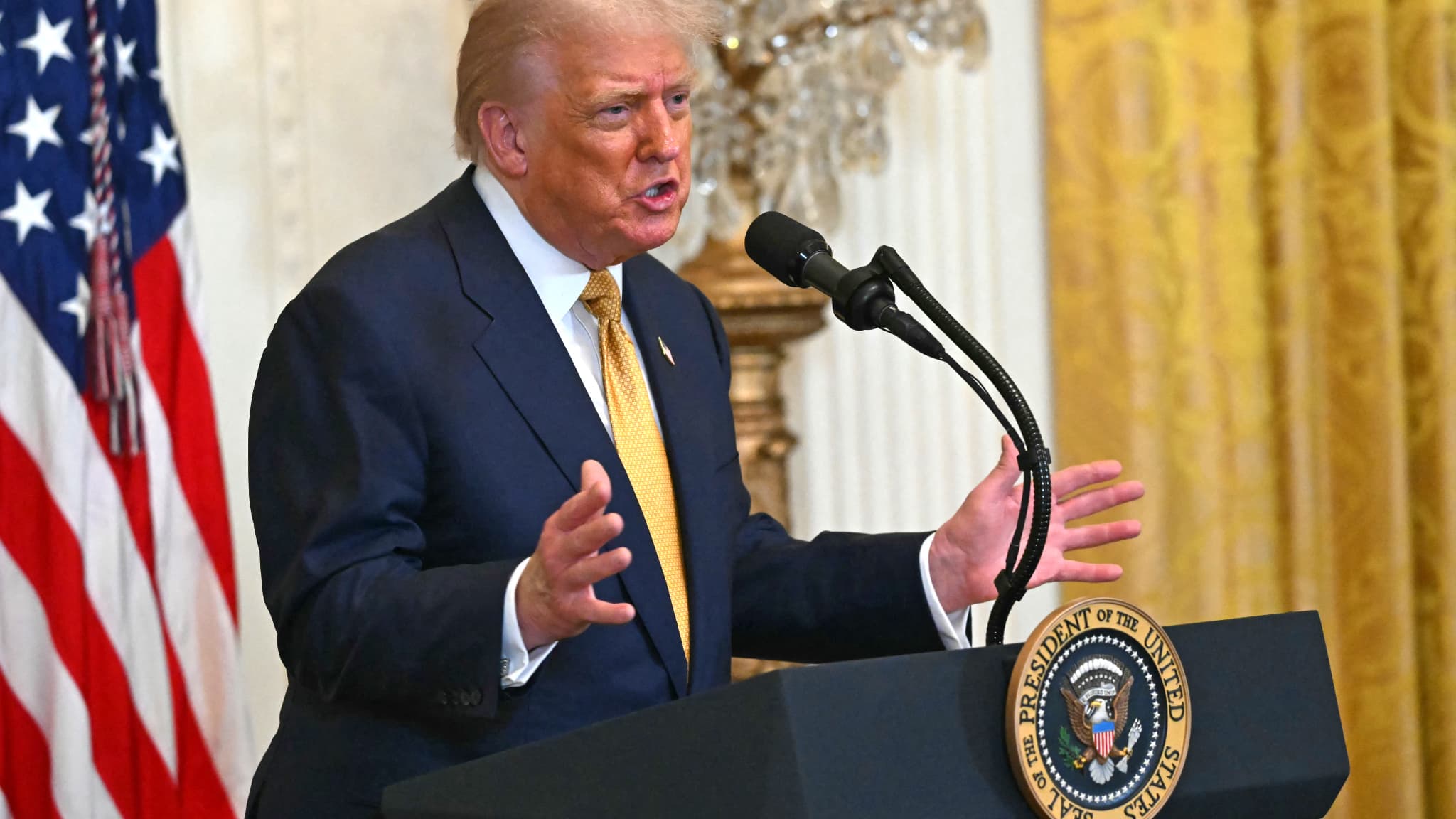
DHS Voter Fraud 'Blitz' Sparks Fears of Election Interference
Hundreds of Department of Homeland Security agents are currently scouring state voter rolls to identify noncitizens, a campaign critics warn is being used to manufacture evidence for political ends. With the midterm elections approaching, the initiative has drawn sharp condemnation from lawmakers and civil rights advocates alike.
One Year Into Maritime Bombing Campaign, Critics Decry Legal Vacuum
A year of U.S.-led boat strikes in the Caribbean and Pacific has left at least 227 people dead, prompting a fierce backlash from rights groups and lawmakers over the administration’s refusal to provide a legal justification for the ongoing, lethal operations.

Lawmakers Seek Audit of Federal Agencies Over Subpoena Secrecy
Representative Pramila Jayapal and Senator Ron Wyden have accused the Trump administration of institutionalizing the abuse of subpoena power. The lawmakers argue that federal agencies are routinely coercing private companies into illegal silence regarding customer data requests, effectively bypassing First Amendment rights to notify targets of government surveillance.

Federal Arrests of Don Lemon and Georgia Fort Spark Outcry
Federal agents arrested independent journalists Don Lemon and Georgia Fort on Friday, accusing them of a coordinated attack on a Saint Paul church. The detention followed their coverage of a protest against a local pastor allegedly serving as an ICE officer, prompting immediate condemnation from civil rights groups nationwide.
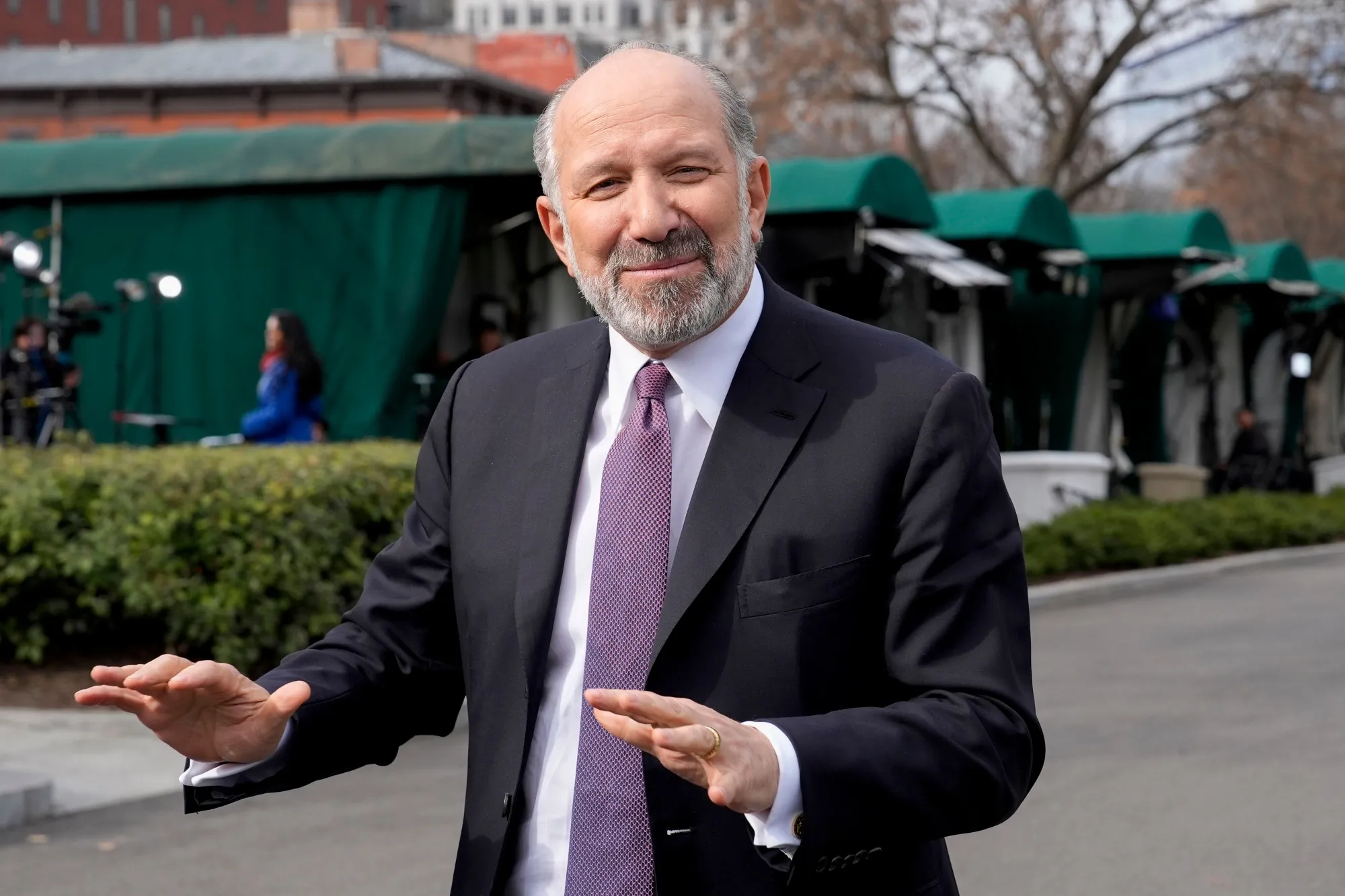
Commerce Secretary Lutnick Denies Water Use by Data Centers
Dismissing public alarm over the massive water consumption of AI infrastructure, Commerce Secretary Howard Lutnick claimed on CNBC this week that concerns about data centers are merely foreign propaganda. The statement stands in stark contrast to his own remarks from a year ago when he acknowledged the industry’s heavy water reliance.
Pressure Mounts for Congress to Sue Over Illegal Iran War
Jamal Abdi, executive director of the National Iranian American Council Action, declared this week that the United States is mired in a constitutional crisis. He is urging lawmakers to move beyond rhetoric and initiate legal action against President Donald Trump to halt unauthorized military operations in Iran.

Fairshake Enters Final Election Sprint With $122 Million War Chest
The crypto-backed super PAC Fairshake has secured 50 primary victories and holds $122 million in reserve for the final stretch of the 2026 U.S. election cycle. Despite massive spending, the group faces a complex landscape where financial influence has proven effective in some contests but failed to stop high-profile opponents.

Payward Pushes Kraken IPO to 2027 Amid Market Cooling
Market volatility and shifting investor appetite for digital asset stocks have forced Payward to delay its initial public offering. The parent company of the Kraken exchange now eyes the second quarter of 2027 for a potential debut, pushing back plans that were initially accelerated by a flurry of industry listings in 2025.
SEC Chair Atkins eyes Senate progress for CLARITY Act
SEC Chair Paul Atkins expects the long-stalled CLARITY Act to advance through the Senate within two weeks, as lawmakers prepare for a critical procedural vote on September 15. The legislation remains the primary hope for establishing a durable regulatory framework for digital assets in the United States.
New Jersey Escalates Legal Battle Over Kalshi Sports Betting
New Jersey has petitioned the U.S. Supreme Court to resolve a jurisdictional clash over whether federal derivatives law allows prediction markets to bypass state gambling regulations. The state argues that the Commodity Futures Trading Commission's oversight should not grant Kalshi immunity from local consumer protection and licensing laws for sports-based contracts.
Bitcoin ownership thrives where banking systems fail
El Salvador, Venezuela, and Nigeria lead global Bitcoin adoption, according to a 25-country study by Cornell University. While ownership rates in these regions are driven by economic instability and limited access to traditional financial services, the data reveals a stark disconnect between holding the asset and understanding its technical fundamentals.
Nansen Analyst Questions Strength of Bitcoin Recovery
Despite a 22% monthly recovery, Bitcoin’s path to a new bull market remains unconfirmed by underlying data. Nansen senior research analyst Nicolai Søndergaard warns that weak spot flows, persistent ETF withdrawals, and divided whale positions suggest the current rally lacks the structural support required for a lasting cycle turn.

Solana Governance Under Fire as CEO Questions Inflation and Fee Votes
Michael Hubbard, CEO of SOL Strategies, has challenged the legitimacy of recent Solana governance outcomes, arguing that a rushed inflation cut and inconsistent voting procedures have undermined the network's procedural integrity. He contends that the changes were implemented prematurely, disregarding the potential impact on validators and network participants.
Trump Floats Renaming Strait of Hormuz as Fuel Prices Surge
Six months into an escalating conflict with Iran, President Donald Trump has proposed renaming the Strait of Hormuz to "TRUMP STRAIT." The suggestion, posted to social media Wednesday, accompanies a false claim of U.S. control over the waterway, even as regional tensions push global energy costs to critical levels.

XRP Ledger Trading Concentrates as Participant Numbers Dwindle
The XRP Ledger recorded a 79% surge in order-book volume during the second quarter of 2026, even as the network saw a 40% decline in daily active traders. According to Evernorth, the data suggests a shift toward institutional dominance, where fewer participants are executing significantly larger trade sizes.

Ondo Finance Petitions US Regulators for Domestic Stock Perpetuals
Ondo Finance is urging the SEC and CFTC to integrate perpetual futures tied to individual stocks into existing US security futures frameworks. The push follows the company's offshore platform generating $8 billion in cumulative trading volume within six weeks, signaling significant demand for onchain derivatives currently unavailable to American investors.
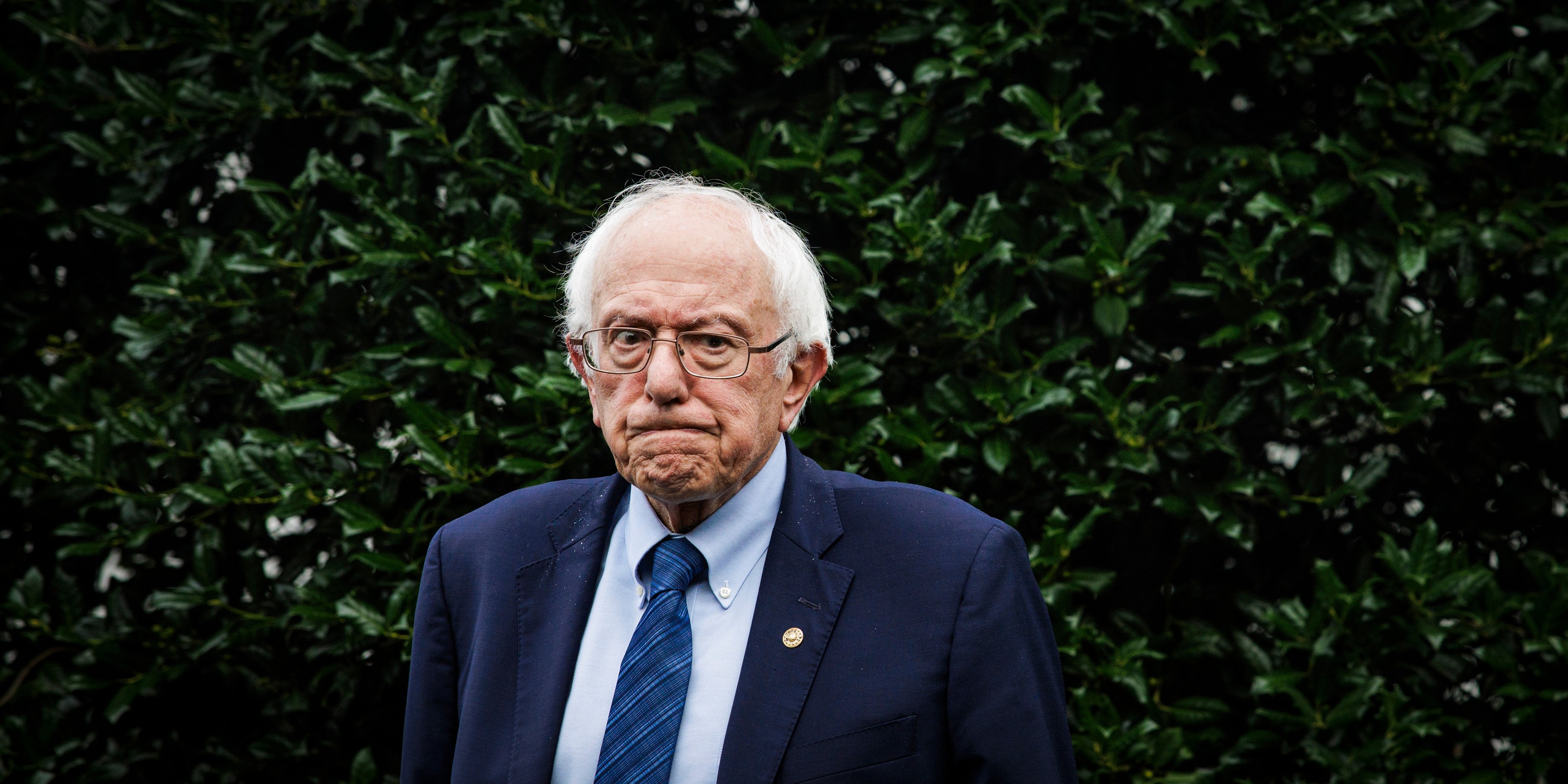
Sanders Accuses Trump of Using Postal Service to Rig Midterms
Senator Bernie Sanders has labeled recent changes to United States Postal Service operations an "authoritarian power grab," alleging that the Trump administration is weaponizing mail delivery systems to influence the upcoming midterm elections and suppress participation among voters who oppose the president’s current political agenda.

OpenSea Integrates Solana NFT Trading Into OS2 Marketplace
OpenSea has officially expanded its OS2 multichain platform to include Solana NFT trading, allowing users to browse, buy, and bid on collections like Mad Lads and Claynosaurz. This move marks a significant return to the Solana ecosystem, enabling cross-chain asset management within a single interface without requiring wallet switching.
Israel Prepares Gaza Mass Exodus Plan Under Voluntary Label
As U.S. President Donald Trump promotes a scheme to resettle Palestinians in what he describes as safer communities, Israeli officials have ordered military preparations for the mass exit of over 2 million Gaza residents, framing the potential forced displacement as a strictly voluntary migration.

Israeli Defense Minister Outlines Plans for Mass Gaza Displacement
Israel has finalized contingency plans to remove the majority of the Palestinian population from the Gaza Strip, according to Defense Minister Israel Katz. The proposal, framed by officials as voluntary migration, aligns with a strategy to relocate roughly 2 million people permanently to third-party nations.
Global Outcry Follows Trump’s Proposal for Gaza Ethnic Cleansing
Donald Trump’s recent call for the U.S. military to forcibly remove the Palestinian population from Gaza has triggered widespread condemnation from international leaders and human rights organizations. Officials labeled the proposal, which suggests a total takeover of the enclave, as both a severe violation of international law and a dangerous provocation.
Bitcoin holds steady as market pivots around $76,350
Bitcoin has maintained a narrow trading range between $76,500 and $79,500 for five consecutive sessions, anchored by a $76,350 active-investor cost basis. Despite macroeconomic headwinds and cooling demand for spot ETFs, analysts at Bitfinex suggest that the asset’s current positioning significantly reduces the risk of a deep, sustained pullback.

Bitcoin Mining Apps: Navigating Passive Income Tools in 2026
As energy costs and hardware requirements shift the landscape of digital asset production, a new generation of mobile and cloud-based applications promises to lower the barrier to entry for individual miners. These platforms aim to replace heavy infrastructure with remote access, though participants face varying levels of technical complexity and risk.

US Teachers at Breaking Point Over Costs and Classroom Funding
As the new academic year begins, a survey of over 2,100 American Federation of Teachers members reveals a workforce pushed to the edge by stagnant pay, soaring inflation, and the personal financial burden of funding their own classrooms while managing an increasingly hostile political environment.

Independence Councilman Recalled Over Massive AI Data Center Project
A historic recall election in Independence, Missouri, has ousted District 1 Councilman John Perkins, as 68% of voters rejected his support for a controversial $150 billion AI data center. The vote marks the first successful recall of a city official in the municipality's history, signaling deep community frustration regarding corporate tax incentives.

Climate Talks in Belém Close Without Fossil Fuel Phaseout Accord
The UN Climate Change Conference, COP30, concluded in Belém on Saturday with a final agreement that conspicuously omits any mention of fossil fuels. Despite the scientific consensus identifying oil, gas, and coal as the primary drivers of global heating, the deal provides no concrete road map for a transition away from them.

UN Report Signals 1.5°C Goal Now Beyond Reach
Global efforts to prevent a temperature rise exceeding 1.5°C have failed, according to a United Nations report released Wednesday. The assessment warns that while the threshold is now inevitable, immediate and drastic cuts to fossil fuel emissions remain the only way to prevent a long-term climate catastrophe.