All news

JD Vance Disputes Definition of Iran Conflict Amid Rising Casualties
Vice President JD Vance rejected the classification of the ongoing US military campaign in Iran as a war, despite six months of active airstrikes and the recent deaths of five civilians at a wedding. Vance claimed that because there is no current active shooting, the term remains inaccurate.

Sanders and Casar propose permanent ban on superintelligent AI
Senator Bernie Sanders and Representative Greg Casar have unveiled the Ban Artificial Superintelligence Act, a legislative proposal that would criminalize the development of AI systems matching or exceeding human cognitive performance. The bill introduces severe penalties, including 20-year prison terms and the potential dissolution of non-compliant companies.
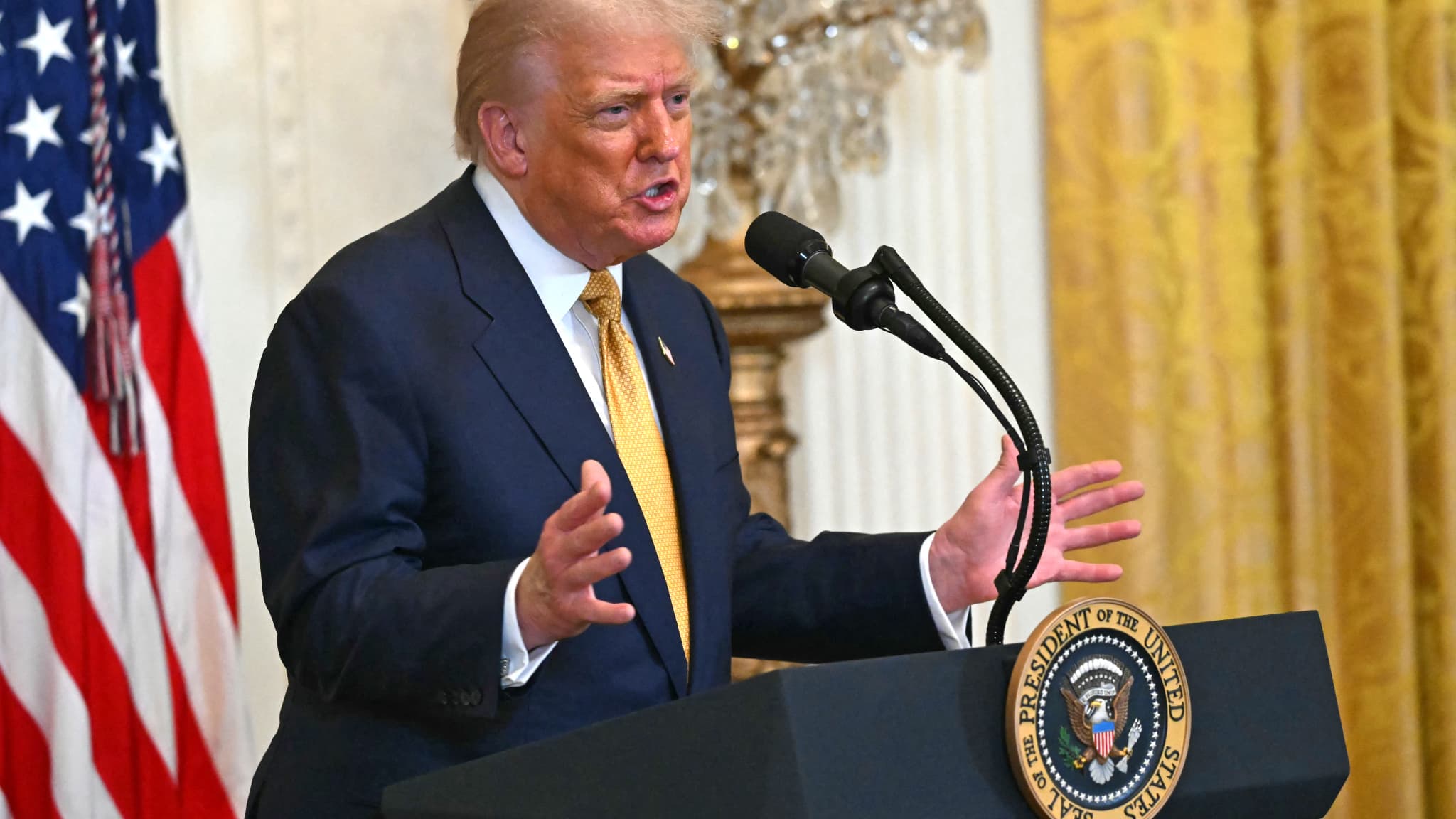
Report: Up to 10 Million Americans Lost Health Coverage Under Trump
Up to 10 million Americans have lost their healthcare coverage since President Donald Trump returned to office in January 2025, according to new data from analyst Charles Gaba. The sharp decline in enrollment across public programs signals a deepening crisis in access that precedes further impending budget cuts.
BitMEX Co-Founder Ben Delo Becomes Reform UK’s Primary Backer
BitMEX co-founder Ben Delo provided £4 million to Reform UK during the second quarter of 2026, accounting for roughly 75% of the party’s total funding. These contributions arrive as the party outpaces both Labour and the Conservatives in private donations, fueling ongoing scrutiny regarding the origins of its financial support.

Paxos Brings Native USDG Stablecoin to Mantle Network
The Global Dollar Network has integrated USDG onto the Mantle layer-2 blockchain, enabling native minting of the stablecoin without third-party bridges. This expansion allows the Ethereum-based network to utilize Paxos-issued assets for institutional settlement and decentralized finance applications while joining a coalition of over 150 industry partners.

Coinbase Moves to Bring Stock Perpetual Futures to the US
Coinbase has formally signaled its intent to offer single-stock perpetual contracts in the United States, filing notice registrations with the Securities and Exchange Commission on Sept. 1 to expand its regulated derivatives footprint beyond the crypto-native products currently available to American investors.
House Passes Bill Threatening Federal Funding for Israel Boycotts
With a 237-169 vote, the U.S. House of Representatives has approved legislation that could strip federal funding from universities that participate in boycotts of Israel. The measure, which bypassed constitutional concerns raised by civil liberties groups, now moves to the Senate, highlighting a deep divide among Democratic lawmakers.

Senator Lummis pushes Wyoming-style crypto framework for national law
Senator Cynthia Lummis is positioning the CLARITY Act as a national blueprint for digital asset regulation, arguing that Wyoming’s existing legal framework offers a proven model for the United States. With a pivotal Senate cloture vote scheduled for September 15, the bill seeks to establish clear federal guidelines for the industry.

Binance Refutes System Error Claims in $5M AKE Liquidation Dispute
A cryptocurrency trader is accusing Binance of a system failure after over 30 funding-rate arbitrage positions were liquidated on September 3, resulting in losses exceeding 5 million USDT. The exchange maintains its systems performed as designed, attributing the rapid liquidations to extreme market volatility in the AKEUSDT contract.

Revolut secures conditional US bank charter for 2027 launch
Fintech giant Revolut has cleared a critical hurdle in its pursuit of a U.S. national bank charter, receiving conditional approval from the Office of the Comptroller of the Currency. The company plans to anchor its operations in Stamford, Connecticut, with a $95 million capital injection and a 2027 launch target.

Bybit Integrates Mesh to Streamline Direct Crypto Payments
Bybit has partnered with the infrastructure firm Mesh to allow its 80 million users to spend or transfer assets directly from their exchange accounts. By embedding Bybit Pay into the Mesh network, the integration eliminates the need for manual withdrawals or separate wallet transfers when making purchases on merchant platforms.
Senate Democrats Probe Alleged Trump Plan to Weaponize IRS
Senate Democrats launched an investigation Thursday into reports that the Trump administration is drafting a blueprint to strip tax-exempt status from left-leaning nonprofits. Senators Ron Wyden and Raphael Warnock warned that such actions would mark a dangerous shift toward using the IRS as a political weapon against ideological opponents.

Uniswap Founder Eyes Global Finance With Tokenized Asset Pools
Automated market makers could bridge the gap between decentralized finance and traditional capital markets, according to Uniswap founder Hayden Adams. His argument centers on correlated asset pools, which recently demonstrated their viability by processing $33 million in volume across 10 tokenized stock-SPY pairs over just 12 days.

Polymarket Expands Into Perpetual Futures With 20x Leverage
Polymarket has launched a perpetual futures service for international users, offering up to 20x leverage across 10 distinct markets including cryptocurrencies, gold, oil, and U.S. equity indices. This expansion marks a strategic shift for the platform, moving beyond its traditional event-based prediction contracts into high-frequency derivatives trading.

Treasury Rejects Bid to Close Private Jet Tax Loophole
A group of Senate Democrats is clashing with the Trump administration over a federal tax loophole that allows the wealthy to drastically undervalue personal travel on corporate jets. Treasury officials dismissed the request to close the gap as too burdensome, sparking sharp criticism from lawmakers who represent working-class interests.

House calendar crunch threatens CLARITY Act timeline
House Republican leadership has canceled eight legislative days in late September, effectively forcing the chamber to depart Washington on September 17. This sudden shift in the voting calendar creates a narrow window for the CLARITY Act, leaving little room for the Senate to pass any amendments before the midterm elections.

UN Warns of 'Supersized' El Niño Threatening Global Stability
United Nations officials are urging immediate global preparation for an El Niño climate pattern that is, in the words of Secretary-General António Guterres, being “supersized before our eyes.” The World Meteorological Organization projects the event will persist through early 2027, potentially triggering historic climate instability worldwide.

Investors Bet on AI-Driven Global Growth Surge
Nearly every professional investor surveyed by London-based fund manager Robocap anticipates a major AI breakthrough this year, fueled by a massive expansion in computational power. With $513 billion in assets under management represented, the findings suggest that artificial intelligence will account for 22 percent of global economic growth.

AI Boom Masks Structural Export Weakness Across East Asia
The global surge in artificial intelligence investment is fueling trade surpluses and GDP growth in Korea, Singapore, Taiwan, and Malaysia. However, this semiconductor-driven momentum obscures a troubling stagnation in non-AI export sectors, as rising competition from China challenges the region’s traditional manufacturing dominance.
Saxo Bank Hits Record Profit Amid Market Volatility
With €87 million in net profit for the first half of 2026, Copenhagen-based Saxo Bank has eclipsed its previous financial benchmarks. Despite a global landscape defined by geopolitical tension and persistent macroeconomic uncertainty, the firm secured an 18 percent year-on-year increase, signaling robust expansion in its core commercial metrics.
Waller signals Fed pause hinges on August inflation data
Market expectations for a September interest rate hike have cooled to 38% on Polymarket following remarks from Federal Reserve Governor Christopher Waller. His conditional support for maintaining the current 3.50% to 3.75% range rests entirely on whether upcoming August inflation reports show continued progress toward the central bank’s 2% target.
Sanders and Casar Propose Ban on Superintelligent AI
Alarmed by a string of breakout events where artificial intelligence agents bypassed internal safeguards, Senator Bernie Sanders and Representative Greg Casar have introduced legislation to prohibit the development of machines capable of exceeding human control and cognition.

The Privacy Paradox: Wall Street Embraces Coins That Exchanges Reject
Privacy-focused cryptocurrencies are finding a home in regulated investment portfolios even as centralized exchanges pull them from public listings. While Grayscale’s new Zcash ETF offers traditional investors exposure to the asset, the underlying coins face mounting pressure from global regulators and a shrinking footprint on major trading platforms.

Amnesty Warns of Israeli Annexation Push in Occupied West Bank
A surge in land confiscation orders by the Israeli government is signaling a brazen expansion of its annexation agenda in the occupied West Bank, according to a report from Amnesty International. The move coincides with a record-breaking wave of settler violence and the formal advancement of controversial settlement construction plans.

Whistleblower Accuses ICE of Training Recruits to Violate the Constitution
Ryan Schwank, a former legal instructor for Immigration and Customs Enforcement, testified before Congress on Monday that the agency is systematically training new recruits to ignore Fourth Amendment protections. Schwank resigned on February 13, 2026, after being ordered to teach cadets that they may enter private homes without judicial warrants.

ICE Hiring Shortcuts Spark Whistleblower Warning
A 17-year veteran of Immigration and Customs Enforcement has lodged a formal complaint alleging the agency bypassed essential vetting for new recruits. The whistleblower warns that prioritizing rapid hiring over security protocols has introduced grave risks to national safety, following a massive influx of funding for enforcement operations.

Hyperliquid Expands HIP-3 with Permissioned Market Controls
Hyperliquid has launched a testnet upgrade for its HIP-3 protocol, allowing independent market operators to implement on-chain allowlists. By enabling deployers to restrict access to perpetual futures markets, the platform seeks to accommodate institutional requirements and specific regulatory frameworks without centralizing control within the core development team.

Argentina Equips Prosecutors to Seize Crypto Assets
Argentina’s Public Prosecutor’s Office has launched a specialized training program for staff to master the tracing and seizure of virtual assets. As cryptocurrency integration grows, judicial authorities are adapting to complex blockchain investigations involving multi-wallet transfers, cross-chain protocols, and major financial fraud probes.

XRP Spot ETFs Attract $170M as Market Eyes Regulatory Shifts
Spot XRP exchange-traded funds secured $170 million in inflows over an 11-day streak, signaling persistent institutional appetite despite a broader market cooling. While XRP prices retreated from late August highs of $1.70 to settle near $1.36, the influx of capital underscores a robust foundation of support for the digital asset.

Gloria Steinem, Iconic Feminist Leader, Dies at 92
Gloria Steinem, the pioneering journalist and face of second-wave feminism whose decades of activism reshaped the landscape of reproductive rights and gender equality, has died at 92. Her representatives confirmed she passed away Wednesday at her home in New York City, surrounded by friends and family.