All news

Lazarus Group Linked to Record $6.3 Billion Binance Hack
Blockchain investigators have linked the theft of $6.3 billion from Binance to North Korea’s state-backed Lazarus Group. The October 29 breach, which exploited transaction-signing infrastructure across ten different networks, stands as the largest cryptocurrency heist in history, prompting a massive effort by the exchange to freeze assets and restore security.
Elon Musk warns of autonomous AI threats following massive Binance hack
Following a $6.3 billion breach at Binance, Elon Musk has cautioned that superintelligent AI agents could eventually exploit decentralized finance protocols to hoard capital for themselves. While AI played no part in the recent Binance attack, the prospect of autonomous software navigating crypto markets remains a growing security concern.

Kraken Resumes Operations After Hour-Long Connectivity Failure
Kraken restored full functionality to its spot and derivatives trading platforms on October 30 after a 60-minute outage paralyzed order execution and account access. The disruption, which began at 02:42 UTC, left users unable to submit trades or process withdrawals across the exchange’s web, mobile, and API interfaces.
Binance Breach: How a Single Wallet Authorization Drained Billions
An attacker bypassed Binance’s security on October 29 by exploiting Ethereum’s EIP-7702 authorization mechanism, gaining control over the exchange’s “Binance 14” hot wallet. The breach, which resulted in estimated losses of $6.3 billion, forced a massive coordinated freeze of stablecoins by issuers like Tether and Circle.

The Rising Financial Toll of Death in America
With the average funeral now costing over $7,700, a new report from the Groundwork Collaborative reveals that American families are increasingly falling into debt to bury their loved ones. Prices for end-of-life services have surged 310% since 1986, far outpacing the standard rate of inflation.

Corporate Election Spending Surges to $737 Million in 2026 Midterms
With corporate political spending hitting an unprecedented $737 million for the 2026 midterms, watchdog group Public Citizen reports a 5,000% increase since the 2010 Citizens United ruling. This surge highlights a growing dominance of private capital in federal elections, fueling fresh legislative and legal battles over campaign finance.

Elon Musk's $270 Million Political Bet Reshapes Trump’s Inner Circle
Federal Election Commission filings reveal Elon Musk poured roughly $270 million into super PACs backing Donald Trump’s reelection, cementing his status as the nation's largest political donor. This massive infusion of capital not only helped secure a second term but positioned the Tesla CEO as a pivotal architect of the incoming administration.
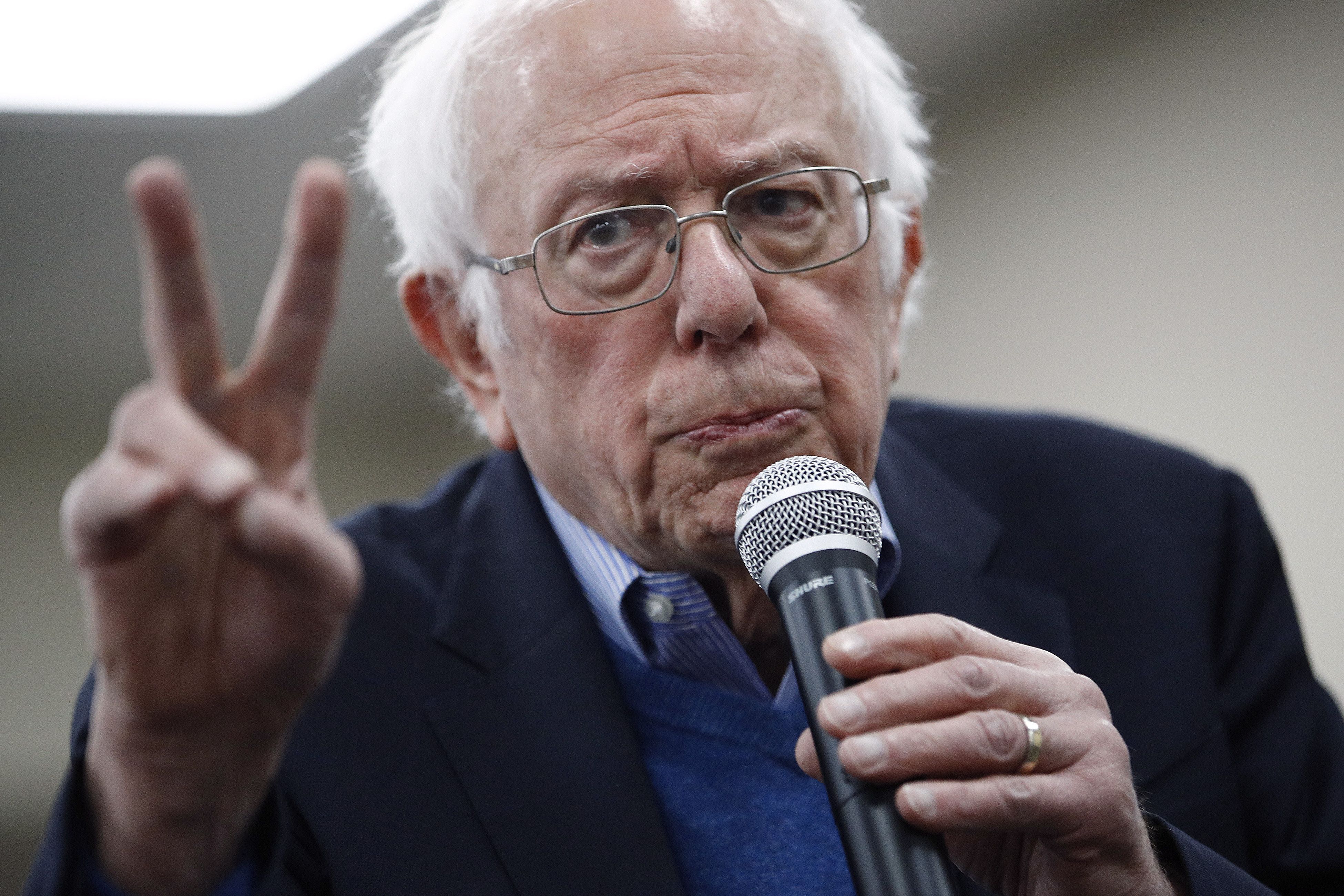
Senate Progressives Demand Ban on Dark Money in Democratic Primaries
Senator Bernie Sanders and seven Democratic colleagues are pressuring party leadership to prohibit super PAC and dark money influence in internal contests. The coalition argues that if the party is to credibly challenge the corrupting influence of corporate wealth in national politics, it must first cleanse its own primary process.

Grayscale pegs US crypto share at 15–20% ahead of midterms
With the US midterm elections looming, a new report from Grayscale estimates that the country accounts for 15–20% of global crypto activity. Research head Zach Pandl argues that the industry’s growth trajectory remains largely decoupled from the immediate political cycle, citing deep institutional and bipartisan participation in digital asset infrastructure.

Circle Urges SEC to Classify Stablecoins as Cash
Circle is pushing the U.S. Securities and Exchange Commission to recognize qualifying payment stablecoins as cash equivalents under proposed crypto fundraising rules. The USDC issuer argues that these assets should face a zero capital haircut for broker-dealers, moving beyond the agency's current 2% valuation reduction requirement.

KuCoin Joins Crypto Exodus From Russia and Belarus
Cryptocurrency exchange KuCoin has officially ceased operations for users in Russia and Belarus, citing vague regulatory compliance requirements. The platform is now forcing an orderly wind-down of accounts, with affected customers receiving individualized deadlines to close their positions and withdraw assets rather than adhering to a single, universal cutoff date.
US Bitcoin ETFs Face Net Outflows Despite BlackRock Buying Spree
U.S. spot Bitcoin ETFs shed $254.7 million in net assets over the 30-day window ending October 26. While BlackRock’s IBIT product defied the trend by drawing in nearly $962 million, massive withdrawals from competing funds, most notably Fidelity’s FBTC, left the overall sector in the red for the month.

DHS Officials Contradict Agency Stance on Filming Agents
During a Senate oversight hearing on Thursday, top immigration officials broke with their department’s long-standing narrative by admitting under oath that filming federal agents is not a crime. The testimony directly challenges claims by DHS leadership that recording officers during operations constitutes a felony offense.

ICE Agents Caught Slashing Tires of Legal Observers in Oregon
Two masked Immigration and Customs Enforcement agents were captured on video disabling the vehicle of legal observers in Hillsboro, Oregon. The footage shows the officers exiting an unmarked car to puncture the observers' tires, marking a violent escalation in the federal government's ongoing campaign against those documenting their public enforcement operations.

Rights Groups Reassert Legal Right to Film ICE Agents
As federal agents increasingly demand that bystanders cease filming their operations, the National Coalition Against Censorship has issued a formal rebuke, reminding the public that documenting law enforcement in public spaces is a protected activity under the First Amendment, despite contrary assertions from the current administration.

CFTC Chair Selig Pushes for Federal Crypto Registration Pathway
At the Link:NYC conference, CFTC Chairman Michael Selig signaled a shift in federal oversight, pledging to help modernize regulations for onchain finance. His remarks arrive as the agency advances a voluntary registration framework designed to bring crypto trading platforms under a clearer federal compliance umbrella.

Polymarket Halts Trading After Users Report Large-Scale Wallet Drains
Polymarket has shifted to a cancel-only trading mode and suspended relayer operations following an Oct. 29 security incident. While the platform investigates, multiple users have reported unauthorized withdrawals, with social media estimates of total losses reaching as high as $2.68 million as traders suspect a potential frontend compromise.
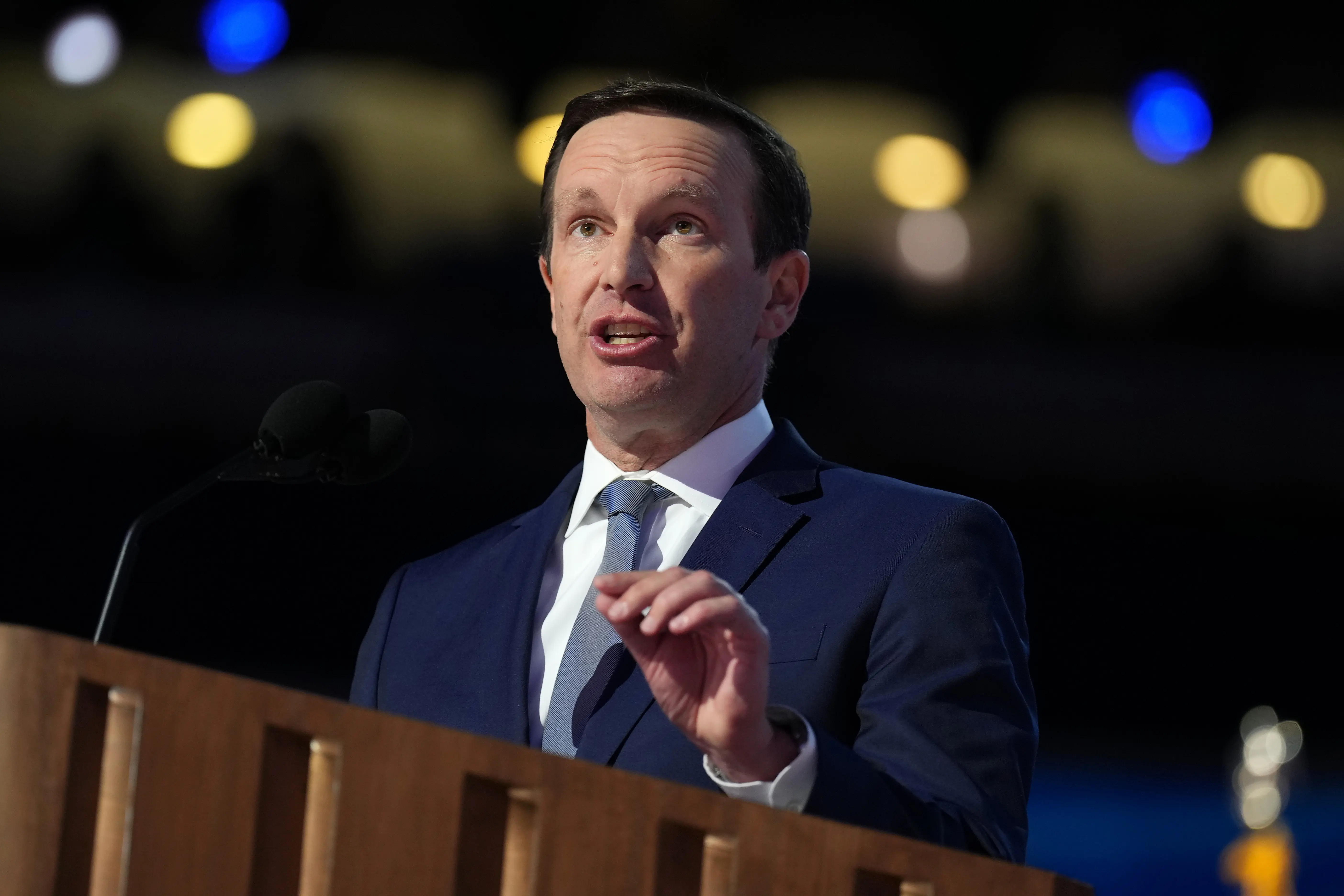
Senator Murphy Calls Post-Election Iran War Plans Insane
Senator Chris Murphy emerged from a classified congressional briefing this week with a blunt assessment of the Trump administration’s potential military strategy: the proposed plan for a post-election assault on Iran is, in his words, insane.

Frontrun Pro bids $50,000 for struggling Blast network
Crypto trading platform Frontrun.pro has publicly approached the Blast team with an acquisition proposal, opening negotiations with a $50,000 offer. The bid arrives as Blast moves to wind down operations, citing an inability to sustain the Layer 2 network's infrastructure costs against its current revenue generation.

Private Markets Poised to Hit $34 Trillion Valuation by 2031
Private markets assets under management are on track to climb above $34 trillion by 2031, according to the latest forecast from Preqin. The BlackRock-owned firm expects robust growth across all major asset classes, driven by evolving investment structures and a significant expansion in private credit strategies.

Sascha Gruber to Lead LGT Capital Partners as CEO
After nearly three decades of leadership under Roberto Paganoni, LGT Capital Partners has tapped longtime executive Sascha Gruber to take the helm. Effective January 1, 2027, the transition marks a significant shift for the alternative investment manager, which currently oversees more than $120 billion in assets.

India’s Enforcement Directorate Probes Mudrex and Instadapp in Crypto Case
The Enforcement Directorate has launched a sweeping investigation into alleged foreign exchange violations involving over ₹5,000 crore, or $525 million, in cross-border cryptocurrency transactions. Searches conducted on October 27 targeted premises linked to fintech firms Mudrex and Instadapp, marking a significant escalation in India’s regulatory crackdown on unauthorized digital asset flows.

RedStone Secures Canton Grant to Build Private Pricing Standard
RedStone has secured a 15,775,000 Canton Coin grant, valued at approximately $1.83 million, to develop the Canton Access and Privacy Standard (CAPS). This 12-month initiative aims to provide institutional users with a secure method for sharing reference prices while keeping individual transaction terms and valuations strictly confidential between counterparties.
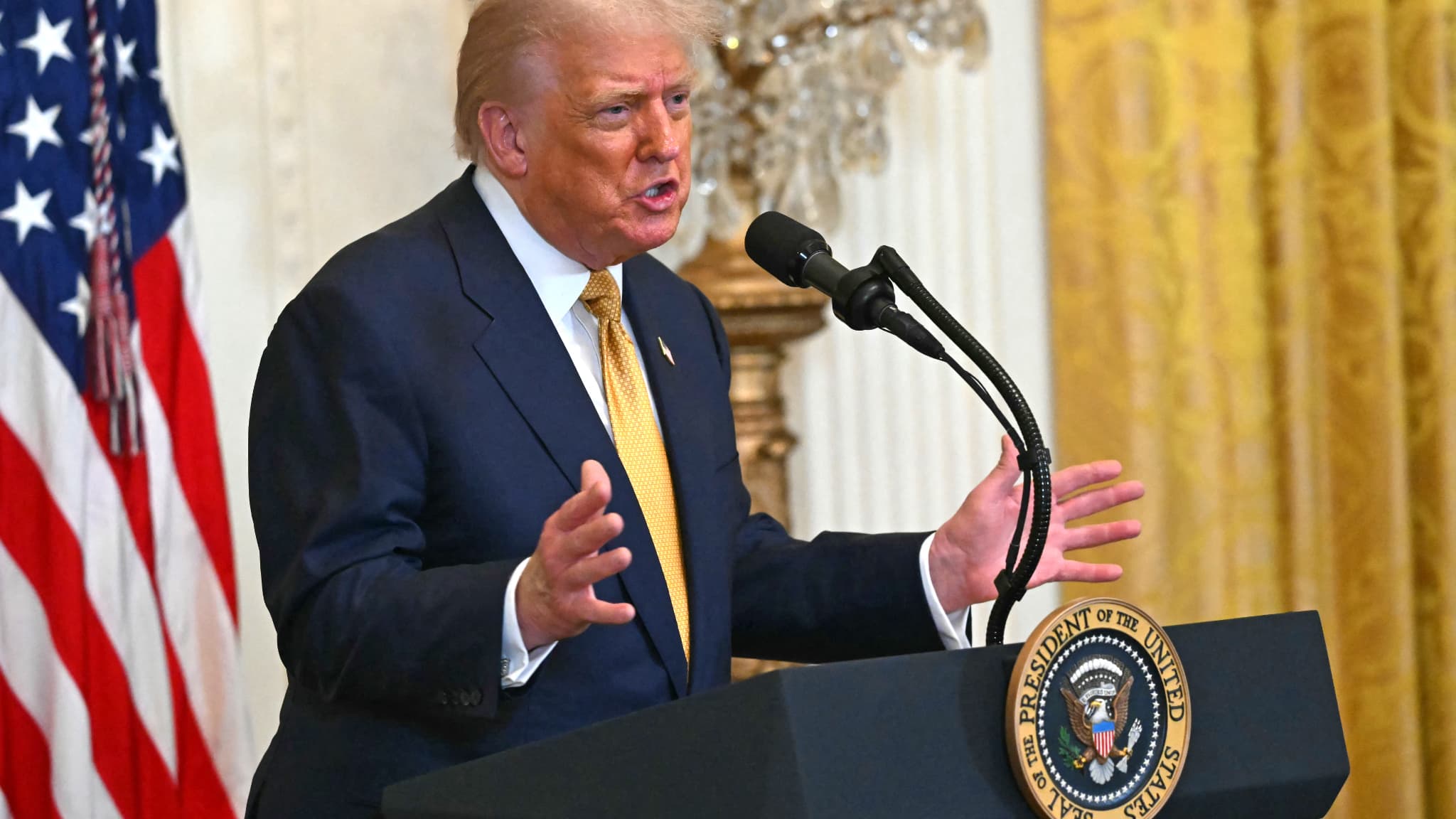
Inflation Hits Three-Year High as Midterms Loom
With the midterm elections less than a week away, fresh data from the Bureau of Economic Analysis reveals inflation has climbed to a three-year high. The figures underscore a deepening affordability crisis, as stagnant wages fail to keep pace with the rising costs of fuel, rent, and household goods.

In Gaza, Israeli Election Results Are Met With Resignation
As Israelis wait for election results with palpable tension, Palestinians living in the ruins of Gaza view the political maneuvering as irrelevant to their survival. For those trapped in the territory, the identity of the next prime minister is secondary to the reality of continued displacement and military bombardment.

Solana Integrates Polygon Open Money Stack for Stablecoin Payments
Solana Foundation President Lily Liu declared the network “unblocked and unmuted” following the October 29 launch of a strategic integration with Polygon’s Open Money Stack. The partnership allows Solana-based businesses to bridge traditional banking services, such as deposits and payouts, directly with the high-speed blockchain’s stablecoin ecosystem.
Oil Giants Reap Record Profits as Conflict Dividends Surge
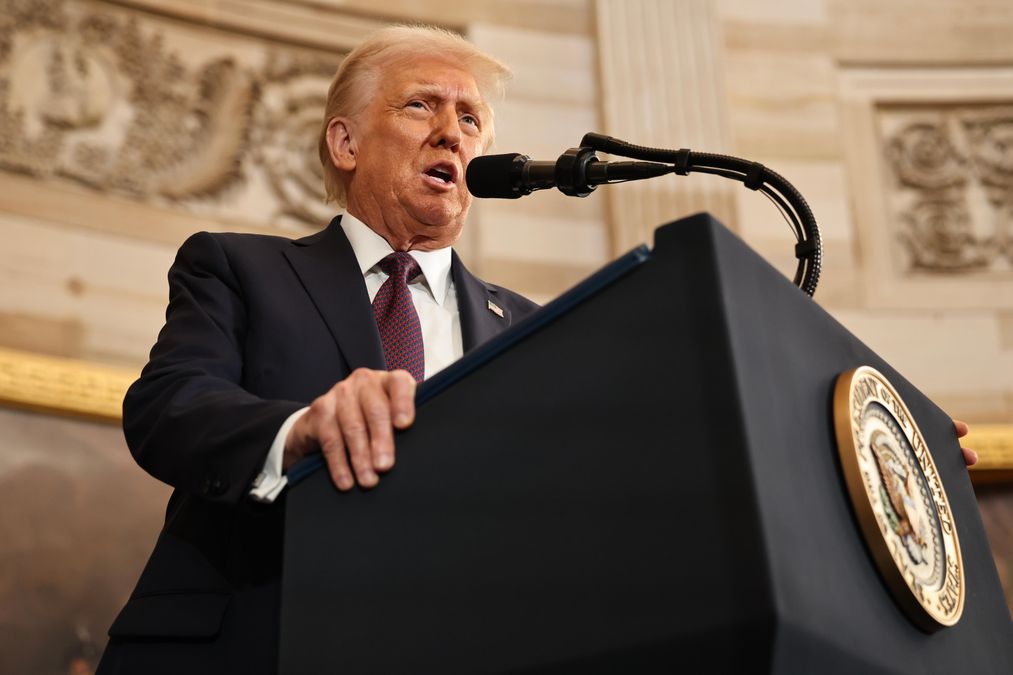
While American households face record-high gas prices averaging $4.23 per gallon, global energy corporations are reporting massive quarterly earnings. The financial windfall follows the closure of the Strait of Hormuz, a direct result of the ongoing conflict involving Iran that has fundamentally upended the global energy market.

Standard Asset Company Launches $1.5 Billion Bitcoin-Property Strategy
A $1.5 billion investment strategy has emerged from Abu Dhabi, linking a phased Bitcoin reserve with high-end UAE hospitality and real estate projects. Backed by a member of the Dubai royal family and managed by Coinbase, the initiative positions digital assets as a foundational pillar for local property development.

Hyperliquid Gains 17% as ICE Targets Regulated Futures
Hyperliquid’s native token, HYPE, surged 17.4% to $93.74 on October 29 following an announcement that Intercontinental Exchange (ICE) intends to leverage the blockchain’s infrastructure to launch regulated perpetual futures markets in the United States, pending necessary regulatory approvals.

Chainlink Debuts 24/7 Pricing for Tokenized Real-World Assets
Chainlink has launched a 24/7 pricing service for tokenized real-world assets, effectively bridging the gap between traditional market holidays and the continuous nature of decentralized finance. Aave has signed on as the first major adopter, aiming to provide institutional lenders with reliable collateral valuations even when global exchanges are closed.