All news

Hyperliquid Gains 17% as ICE Targets Regulated Futures
Hyperliquid’s native token, HYPE, surged 17.4% to $93.74 on October 29 following an announcement that Intercontinental Exchange (ICE) intends to leverage the blockchain’s infrastructure to launch regulated perpetual futures markets in the United States, pending necessary regulatory approvals.

Chainlink Debuts 24/7 Pricing for Tokenized Real-World Assets
Chainlink has launched a 24/7 pricing service for tokenized real-world assets, effectively bridging the gap between traditional market holidays and the continuous nature of decentralized finance. Aave has signed on as the first major adopter, aiming to provide institutional lenders with reliable collateral valuations even when global exchanges are closed.

FTC Launches Probe Into Instacart Over AI-Driven Pricing Tactics
The Federal Trade Commission has opened an inquiry into Instacart following revelations that the grocery delivery platform uses artificial intelligence to subject shoppers to inconsistent pricing. The investigation arrives on the heels of a report exposing how the service charges different rates to users for identical products at the same stores.

Critics Urge FTC to Block DoorDash’s $17 Billion Bid for Instacart
DoorDash’s proposed $17 billion acquisition of Instacart has triggered immediate calls for federal intervention, with critics warning the merger would cement a food delivery monopoly. Opponents argue the deal threatens to exacerbate the exploitation of workers and inflate consumer costs at a time when both companies face intense regulatory scrutiny.
HTX Settles UK Crypto Promotion Case With Seven-Year Court Undertaking
The Financial Conduct Authority has secured a court-ordered settlement with HTX, effectively barring the exchange from marketing to British consumers until October 2031. The agreement follows a protracted enforcement campaign against the platform for violating financial promotion laws through its websites, mobile applications, and various social media channels.
Legal Scholars Denounce US Military Strike on Venezuela as Unlawful
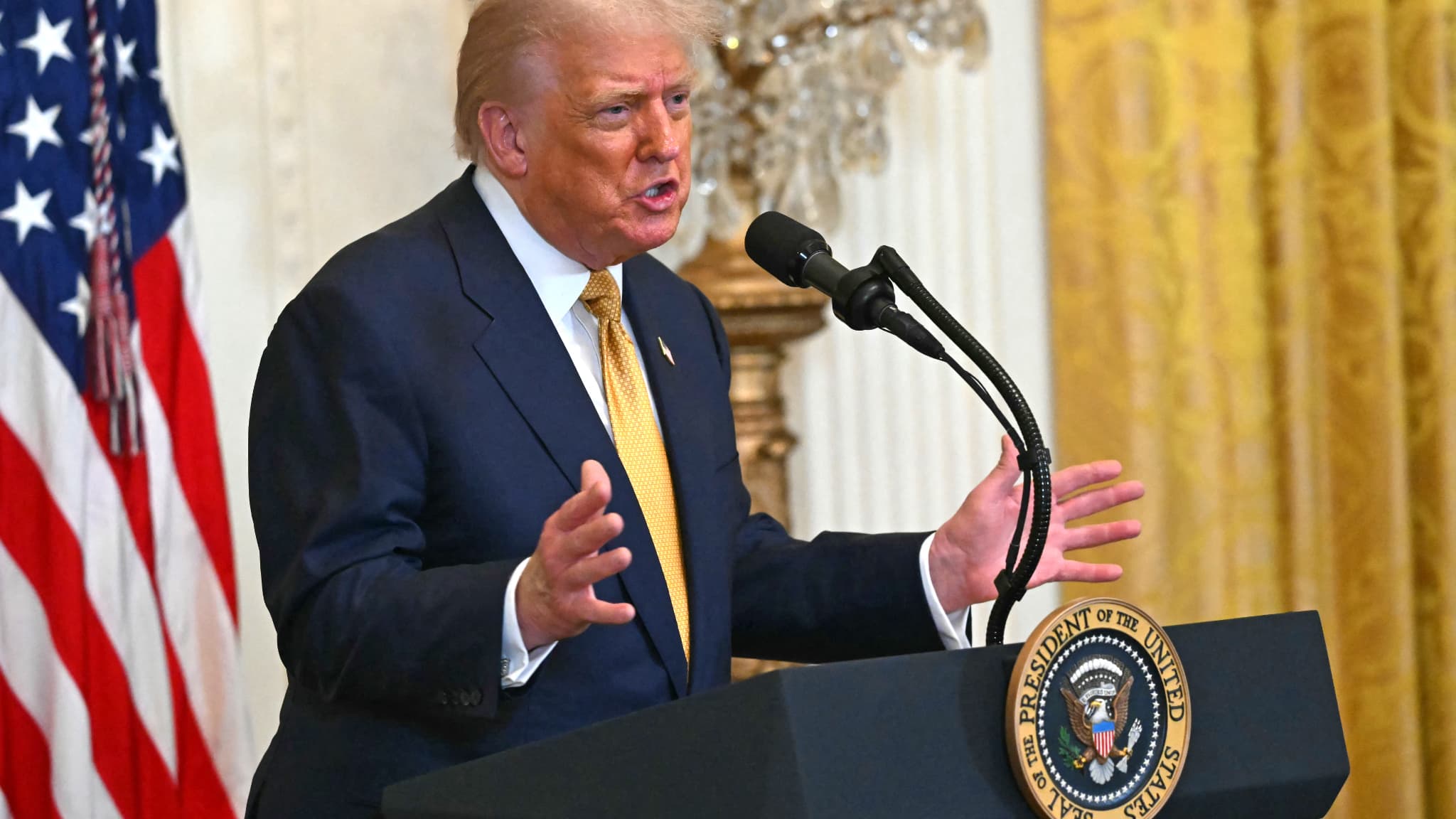
Global protests have erupted following President Donald Trump’s military operation in Venezuela and the abduction of President Nicolás Maduro. International law experts are now challenging the legality of the strike, arguing the administration’s actions violate the UN Charter’s bedrock prohibition against the use of force on sovereign territory.
Democrats demand records of Trump’s consultations with Grok AI
Two senior House Democrats are demanding that President Donald Trump preserve all records of his interactions with artificial intelligence chatbots, specifically investigating whether Elon Musk’s Grok influenced the planning of the military operation that led to the kidnapping of Venezuelan President Nicolás Maduro earlier this year.

Bitcoin Rebounds Above $80K Despite Strong GDP and Inflation Data
Bitcoin reclaimed the $80,000 threshold on Thursday after a brief dip, as traders recalibrated positions against fresh U.S. economic data. While the economy expanded at an annualized 3.4% in the third quarter—surpassing expectations—stubborn inflation figures have fueled speculation that the Federal Reserve may maintain a hawkish stance on interest rates.
NYSE Parent ICE Partners With Trade[XYZ] for Regulated Perpetual Futures
Intercontinental Exchange is moving to bridge traditional finance with decentralized infrastructure, partnering with trade[XYZ] to develop a regulated market for 24/7 perpetual futures. The venture aims to bring Hyperliquid’s continuous trading model to U.S. customers, contingent on pending approval from the Commodity Futures Trading Commission.
Polygon Labs Bridges Open Money Stack to Solana for Global Payments
Polygon Labs has extended its Open Money Stack infrastructure to Solana, enabling businesses to bridge bank accounts, digital wallets, and cross-chain transfers through a single integration. This expansion allows firms to leverage Solana’s high-volume stablecoin network while maintaining connectivity to traditional financial systems and global payout channels.
European Investors Prioritize Crypto Over Traditional Retirement Funds
European cryptocurrency investors are increasingly viewing digital assets as superior tools for long-term wealth compared to traditional pension plans, according to an October 29 survey from OKX. This shift in sentiment creates a stark contrast with American participants, who continue to favor conventional retirement accounts for their financial security.

US Journalist and Activist Detained After West Bank Settler Assault
A US journalist and an Israeli-Russian activist remain in police custody following a violent encounter with armed settlers in the West Bank village of Umm al-Khair. The detainees, who were beaten and pepper-sprayed during the Wednesday incident, were reportedly denied medical treatment despite one participant losing consciousness multiple times.

Airtm Taps Mastercard’s BVNK to Bridge Digital Wallets and Retail
By integrating Mastercard’s BVNK infrastructure, Airtm aims to let users in emerging markets spend digital dollars directly at retail merchants. The partnership, slated for a Q4 2026 rollout, leverages the Stellar blockchain to bypass traditional payment bottlenecks, allowing users to move funds natively on-chain without converting to fiat first.

Anatoly Yakovenko Draws Line on Solana Identity Amid BULK Expansion
Solana co-founder Anatoly Yakovenko has publicly distanced his network from decentralized trading platform BULK, asserting that any project operating outside the Solana layer-1 blockchain functions as an independent entity. The clash follows BULK’s move to integrate multiple external blockchains into its specialized high-frequency trading infrastructure.
NYSE Owner ICE Partners With Trade.xyz to Launch Regulated Futures
Intercontinental Exchange, the parent company of the New York Stock Exchange, is entering the decentralized finance sector by partnering with Trade.xyz to develop a U.S.-regulated perpetual futures market. The venture seeks to integrate Hyperliquid’s high-volume infrastructure with formal oversight from the Commodity Futures Trading Commission.

Cardano Foundation Joins Swiss CMTA to Advance Tokenized Securities
The Cardano Foundation has secured membership in Switzerland’s Capital Markets and Technology Association, marking a significant step toward integrating its programmable token standard into regulated financial markets. This alignment follows the association's recent technical validation of Cardano’s CIP-0113 framework as an equivalent to its own established standards for equity securities.

Education Secretary Faces Backlash Over $43,000 Office Makeover
Education Secretary Linda McMahon is under fire for authorizing $43,000 in taxpayer spending on new office furniture, a move critics denounce as hypocritical while she simultaneously pursues the systematic dismantling of the Department of Education and pushes for billions in federal funding cuts to student programs.
Bitcoin’s Fragile Rally Faces November Test
Bitcoin enters November buoyed by third-quarter gains, yet the sustainability of this recovery remains under intense scrutiny. With US interest rates holding steady at 3.75% to 4% and selling pressure mounting at higher price levels, investors are questioning whether the current rebound marks the start of a genuine bull run.

CryptoBilis Ledger Hack: $95 Million Stolen, $10 Million Frozen
A massive cryptocurrency drainer has siphoned $95.35 million from 1,486 addresses, with investigators confirming the attacker moved an additional $13.84 million in just the last 48 hours. The breach centers on tampered hardware wallets sold through the Southeast Asian reseller CryptoBilis, which contained unauthorized components designed to capture recovery phrases.

UBP Bets on Precision Agriculture to Restore Biodiversity
Farmers are navigating a volatile climate, facing scorched fields and disrupted supply chains that threaten global food security. Adrien Cambonie, portfolio manager at Union Bancaire Privée, argues that precision agriculture offers a vital path forward, allowing producers to maximize yields while sharply reducing their reliance on chemicals and water.

Leadership Shifts at Quilter and Gemcorp Capital
The wealth management sector sees significant executive movement as Quilter prepares for a long-term succession plan and Gemcorp Capital bolsters its emerging markets strategy. Kristy Barr joins the UK wealth manager to oversee investment solutions, while Mariya Gancheva takes on a key credit strategy role at the asset manager.

Standard Chartered Wealth Unit Records $20 Billion Inflows
A record $20 billion in net new money flowed into Standard Chartered’s wealth solutions business during the third quarter of 2026. This surge in affluent client acquisition helped the division generate $1.118 billion in operating income, significantly outpacing the broader banking group’s overall growth rate during the same period.

UK Chancellor Healey Delivers Cautious Budget to Calm Markets
UK Chancellor John Healey has unveiled a restrained Autumn Budget aimed at stabilizing the economy without triggering market volatility. By maintaining existing fiscal rules and scrapping controversial plans to cut ISA allowances, the government sought to reassure investors while introducing targeted measures to support entrepreneurs and small businesses.

Prosecutors Raid Bithumb Headquarters Over Executive Fund Misuse
South Korean investigators descended on Bithumb’s Gangnam headquarters on October 29, reigniting a probe into the alleged diversion of 11.6 billion won in corporate housing benefits. Prosecutors are scrutinizing whether funds intended for executive accommodation were instead channeled into private assets, marking a significant escalation in the long-running oversight of the exchange.
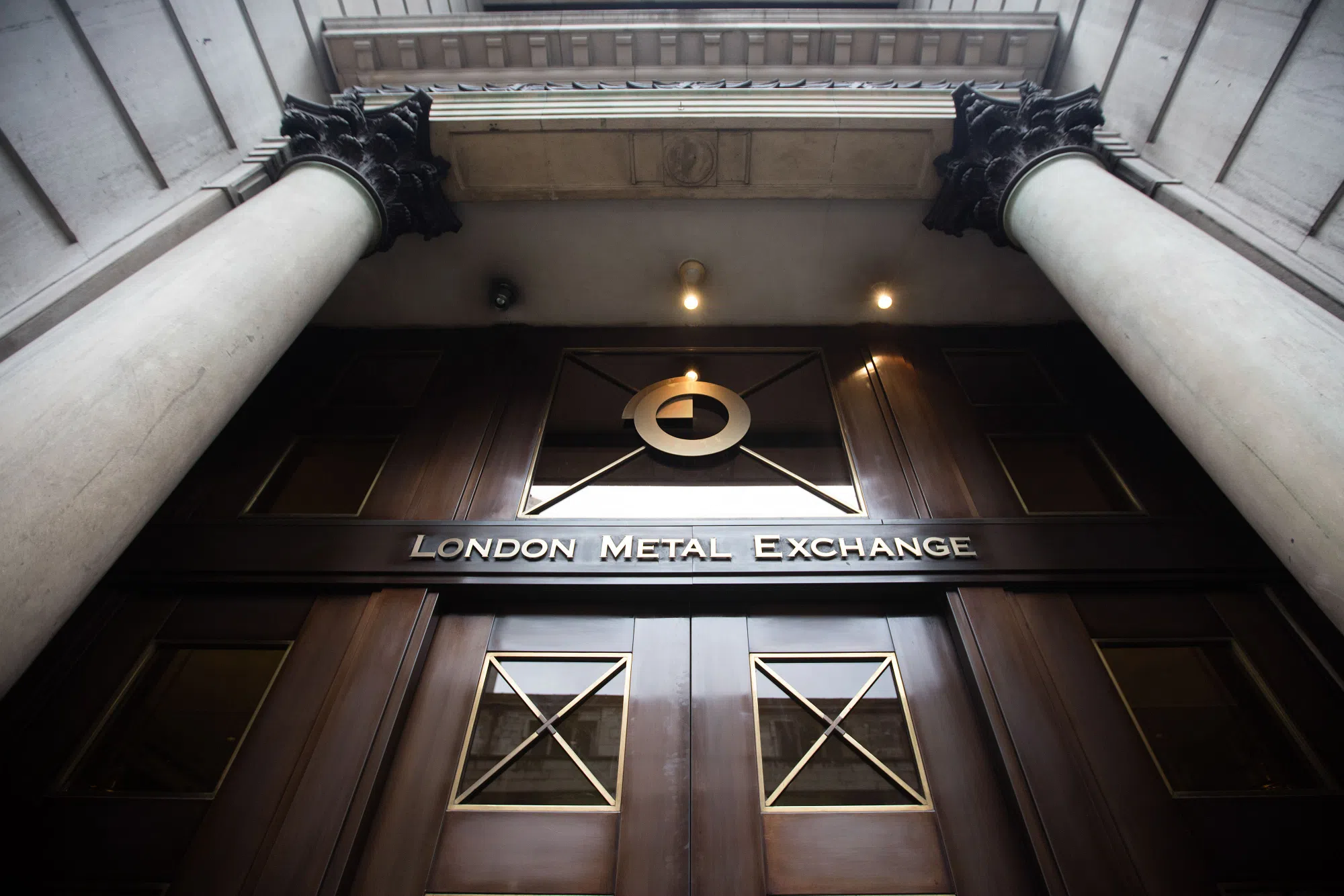
London Metal Exchange Targets Tokenized Inventory for Hong Kong Loans
The London Metal Exchange is laying the groundwork to turn physical metal stored in Hong Kong warehouses into digital assets. By creating tokenized representations of off-warrant inventories, the exchange aims to provide businesses with a new, blockchain-backed mechanism to secure financing against their industrial metal stockpiles.

BNB Chain Activates Jenner Hardfork on Testnet to Secure Payment Lanes
BNB Chain has deployed the Jenner hardfork to its Smart Chain testnet, introducing a dedicated payment processing mechanism designed to prioritize specific transactions during periods of high network congestion. The upgrade reserves a portion of block gas capacity to ensure critical payments bypass general traffic bottlenecks.

Russia to Launch Mandatory Crypto Investor Testing by Late November
Russian brokerage firms will soon act as the primary gatekeepers for the digital asset market, as authorities prepare to roll out a standardized testing framework for retail investors. By passing a single assessment, participants gain access to licensed trading platforms without the need to repeat the examination across different services.

Utah files 14 criminal charges against Kalshi over sports betting
Utah prosecutors have leveled 14 criminal charges against prediction market Kalshi and its co-founders, Tarek Mansour and Luana Lopes Lara. The state alleges the platform functioned as an illegal gambling operation, basing the case on 12 sports wagers placed by an undercover agent from the Attorney General’s Office.

Ethereum Node Clients Patch Critical Certificate Vulnerability
Developers behind the Teku and Besu Ethereum clients have released urgent security updates to mitigate a certificate vulnerability linked to compromised keys from Indian provider eMudhra. The flaw could allow attackers to impersonate trusted services and potentially redirect block rewards from unsuspecting validators.

Visa Stablecoin Settlement Volume Hits $25 Billion Annualized
A tenfold increase in stablecoin activity has pushed Visa’s annualized settlement volume past the $25 billion mark. CEO Ryan McInerney confirmed the milestone during the company’s fourth-quarter earnings call, highlighting a rapid expansion that now sees the payments giant operating across ten distinct blockchains and five global regions.