 Newsroom
Trump Administration Targets Public Lands for AI Data Center Expansion
The Trump administration is scouting 17,600 acres of federal territory across six Western states for at least a dozen massive AI data centers. This push to utilize public land comes as new data reveals that major tech firms secured $70 billion in federal tax breaks for projects they were already planning to build.
Amnesty Warns of Torture Risk for Migrants Deported to Equatorial Guinea
Two men deported by the Trump administration to Equatorial Guinea face imminent risk of torture, according to Amnesty International. Ahmed Soliman and Samson Birhane, who held legal protections against removal to their home countries, are currently being held incommunicado following a violent police raid at a hotel in Malabo.
Judge Rules White House Cannot Blacklist AP Over Naming Dispute
A federal judge has ruled that the White House cannot restrict The Associated Press’s access to presidential events as retaliation for the news agency’s refusal to adopt the administration’s preferred name for the Gulf of Mexico, marking a significant First Amendment victory for the news organization.

European Banks Rapidly Expand Footprint in MiCA Crypto Register
Traditional financial institutions have doubled their presence on the European Union’s MiCA register in less than three months, signaling a shift in the region's digital asset landscape. Banks now account for nearly 23% of all listed crypto-asset service providers, outpacing the entry rate of crypto-native firms.

Binance Enters $9.6 Trillion FX Market With 100x Leverage
Binance is pushing into the massive global foreign exchange market with the launch of a perpetual contract tracking the U.S. dollar against the Brazilian real. Starting September 21, the product offers traders 100x leverage and continuous 24/7 access, effectively bridging the gap between crypto-native derivatives and traditional currency trading.

Fake AI Tutorials Trick Investors Into Deploying Malicious Contracts
A sophisticated scam targeting cryptocurrency users has siphoned 274.6 ETH, worth approximately $517,000, by masquerading as educational content for AI-powered arbitrage bots. TRM Labs reports that 224 victims were deceived into manually deploying malicious smart contracts that drained funds under the guise of legitimate trading software.

SEC mandates shareholder rights for tokenized U.S. stocks
The U.S. Securities and Exchange Commission has launched a five-year framework for tokenized National Market System stocks, strictly requiring that digital tokens mirror the economic, voting, and liquidation rights of underlying shares. This move sidelines synthetic products that offer mere price exposure in favor of verifiable legal ownership.

SEC Stock Token Exemption Leaves Pricing Gap for Automated Markets
The SEC’s new framework for tokenized U.S. stocks allows for permissioned onchain trading, yet creates a significant structural disconnect. While the tokens can trade 24/7, the NYSE and Nasdaq primary markets operate for only 32.5 hours per week, leaving automated market makers without a live reference price for the majority of the time.

LSEG Targets 2027 Launch for 24/5 Tokenized Equity Trading
The London Stock Exchange Group is preparing to launch a 24/5 trading cycle, dubbed LSEG24, in the first half of 2027. Darko Hajdukovic confirmed the exchange is building a digital securities depository and developing tokenized equity products, supported by new infrastructure partnerships with Kraken and HSBC.

BaFin official warns centralized EU crypto oversight risks market friction
Centralizing crypto supervision under an EU-wide authority could impose significant operational burdens on firms while diminishing the flexibility required for nuanced market regulation, according to Stephan Mögelin of Germany’s Federal Financial Supervisory Authority. The warning highlights a growing tension between regional consistency and the benefits of local regulatory expertise.
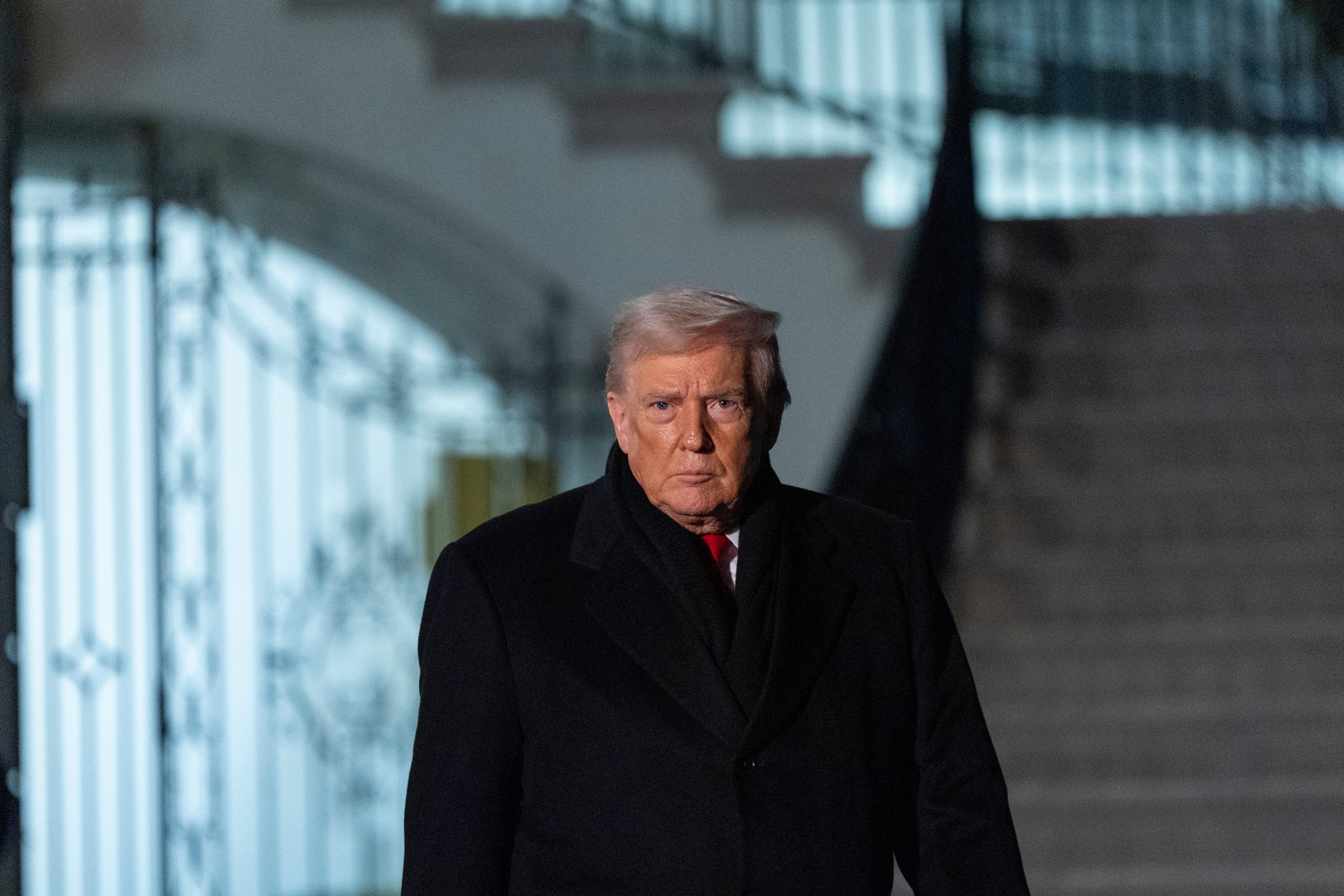
Trump Threatens to Bar Major News Outlets from White House Access
President Donald Trump announced on Friday he would ban CNN, MSNOW, and Politico from the White House, claiming the organizations spread fiction and lies. The declaration, delivered via a Truth Social post, marks a sharp escalation in the administration's long-standing confrontation with independent news media over their critical coverage.

Press Freedom Groups Demand Release of Detained Nicaraguan Journalist
A coalition of 15 advocacy organizations is calling for the immediate release of Luis Galeano, a Nicaraguan journalist currently held by U.S. Immigration and Customs Enforcement. The group warns that deporting the reporter to his home country would place him in severe danger due to his history of exposing government abuses.
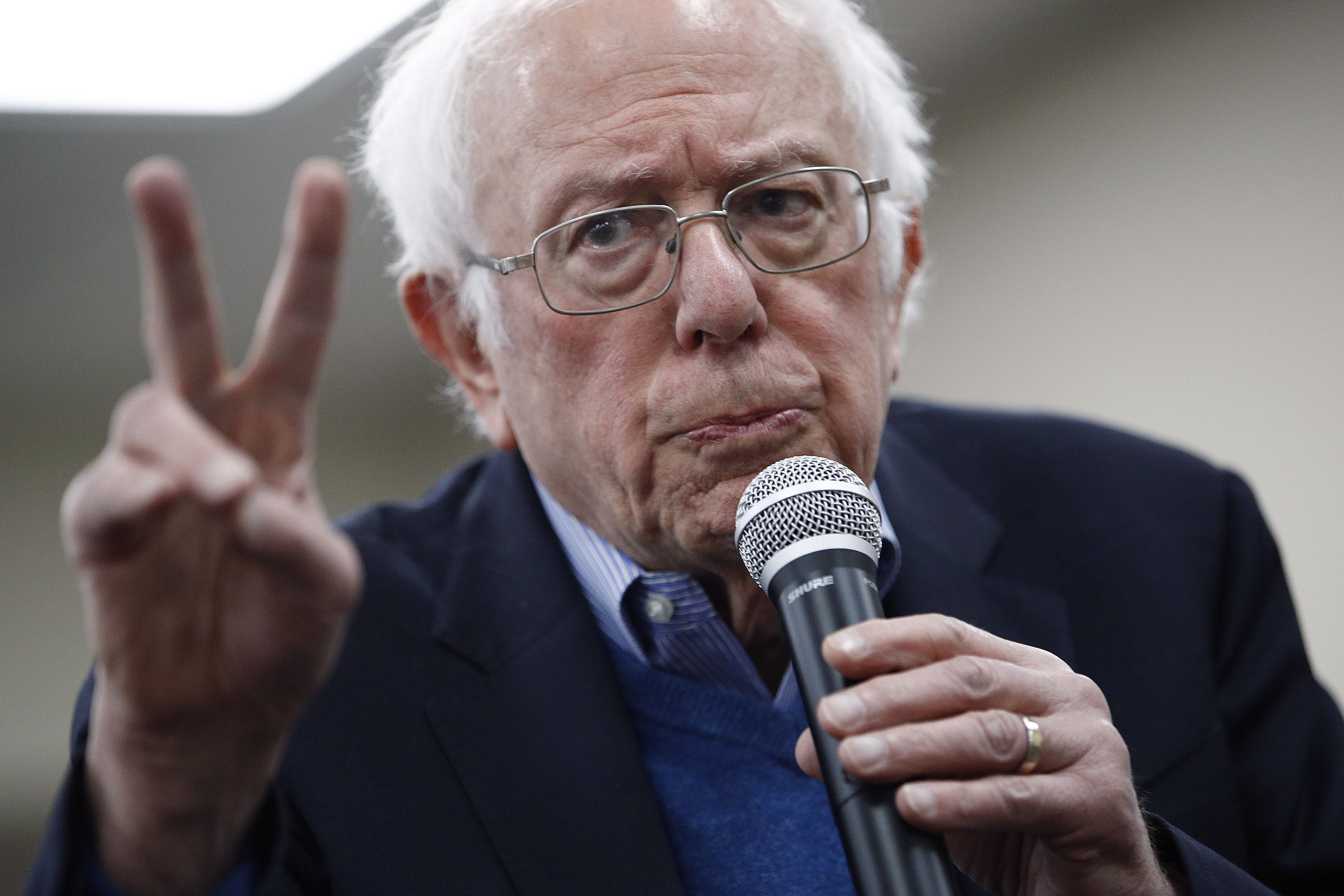
Sanders Slams FCC Approval of Middle East Stake in Paramount Merger
Senator Bernie Sanders has joined a growing chorus of critics condemning the Federal Communications Commission for clearing the way for substantial foreign investment in a potential media giant. The decision allows investment funds from Qatar, Saudi Arabia, and the UAE to hold nearly half of the ownership in a merged Paramount and Warner Bros. Discovery.
Itaú Unibanco Centralizes European Wholesale Operations in Luxembourg
Itaú Unibanco has consolidated its European wholesale banking activities under a single Luxembourg-based platform. This structural shift merges corporate, investment, and global markets operations to serve approximately 350 European clients, while the bank prepares for upcoming regulatory changes ahead of the sixth Capital Requirements Directive in 2027.

UK Anti-Money Laundering Strategy Faces Scrutiny Over Structural Gaps
The British government’s new three-year anti-money laundering strategy, backed by a £550 million investment and 500 new staff, aims to dismantle illicit financial networks. However, industry experts warn that while the plan acknowledges the global scale of the threat, it remains a partial fix for complex, modern financial crimes.

Monaco Poised to Exit FATF Grey List Following Progress Report
Financial institutions across Monaco may soon face less regulatory scrutiny, as reports indicate the principality is set to be removed from the FATF grey list. Bloomberg cited sources suggesting the intergovernmental body will finalize the decision during its upcoming plenary meeting, marking a swift turnaround since the initial listing in June 2024.
Media Monitoring in 2026: Top Tools for Tracking the Narrative and Defending Your Reputation
A single awkward mention in the press, a hit piece on a news portal, or a fake news drop can obliterate brand trust in a matter of hours. As we navigate 2026, automated media monitoring is no longer a luxury reserved for corporate giants; it is a foundational tool for risk management, PR analytics, and modern marketing.

GSK and Relation Therapeutics expand AI drug discovery partnership
GSK has committed up to $110 million to a research collaboration with British biotech firm Relation Therapeutics, aiming to integrate proprietary biological data generation with AI-driven drug discovery. The partnership focuses on training advanced models to identify new therapeutic targets by mapping how human cells respond to genetic interventions.

OpenAI Aligns Safety Protocols With EU AI Act Standards
As European regulators prepare to enforce the General-Purpose AI Code of Practice, OpenAI has formally mapped its internal safety and transparency frameworks to the new legal requirements. The company is positioning its existing risk management and provenance tools as the foundation for compliance within the evolving EU regulatory landscape.