All news

Amnesty International Demands Unified Action on South American Wildfires
With the Amazon basin facing an ecological tipping point, Amnesty International has issued an open letter urging the presidents of seven South American nations to mount an unprecedented response to record-breaking wildfires. The call for coordinated government action follows two months of intense blazes across the continent’s most vital ecosystems.

Fossil Fuel Lobbyists Maintain Stranglehold on COP30 Climate Talks
As global leaders prepare to gather in Belém for COP30, the Kick Big Polluters Out coalition warns that the fossil fuel industry has secured an unchecked influence over the negotiations, with thousands of lobbyists embedded within the very process tasked with phasing out their products.

Global AI Infrastructure Investment Projected to Hit $31.6 Trillion
The global surge in artificial intelligence will demand a staggering $31.6 trillion in infrastructure investment through 2050, according to a new report from PwC. Unlike traditional construction cycles, this capital expenditure will be driven primarily by rapid, recurring hardware upgrades rather than mere physical building footprints.

Coinbase Expands Derivatives Access for Canadian Institutional Investors
Eligible Canadian institutional and sophisticated investors can now access 23 perpetual and dated crypto futures through Coinbase Financial Markets. The rollout includes leverage of up to 10 times on major assets like Bitcoin, Ethereum, and Solana, alongside commodity and index contracts, marking a significant expansion of the firm’s regulated derivatives footprint.

US Strike on Iranian Wedding Party Sparks War Crime Allegations
A US airstrike on a private home in Kuhestak, Iran, has left at least five civilians dead and dozens wounded during a wedding celebration. Iranian officials have condemned the attack as a war crime, while the incident intensifies a cycle of retaliatory fire across the Middle East.

Hakeem Jeffries Sparks Backlash Over Medicare for All Opposition
Democratic House Leader Hakeem Jeffries drew sharp criticism Sunday after confirming he does not currently support Medicare for All legislation. The admission stands in direct contrast to recent polling data showing overwhelming demand among Democratic voters for universal healthcare and a more aggressive stance from party leadership.
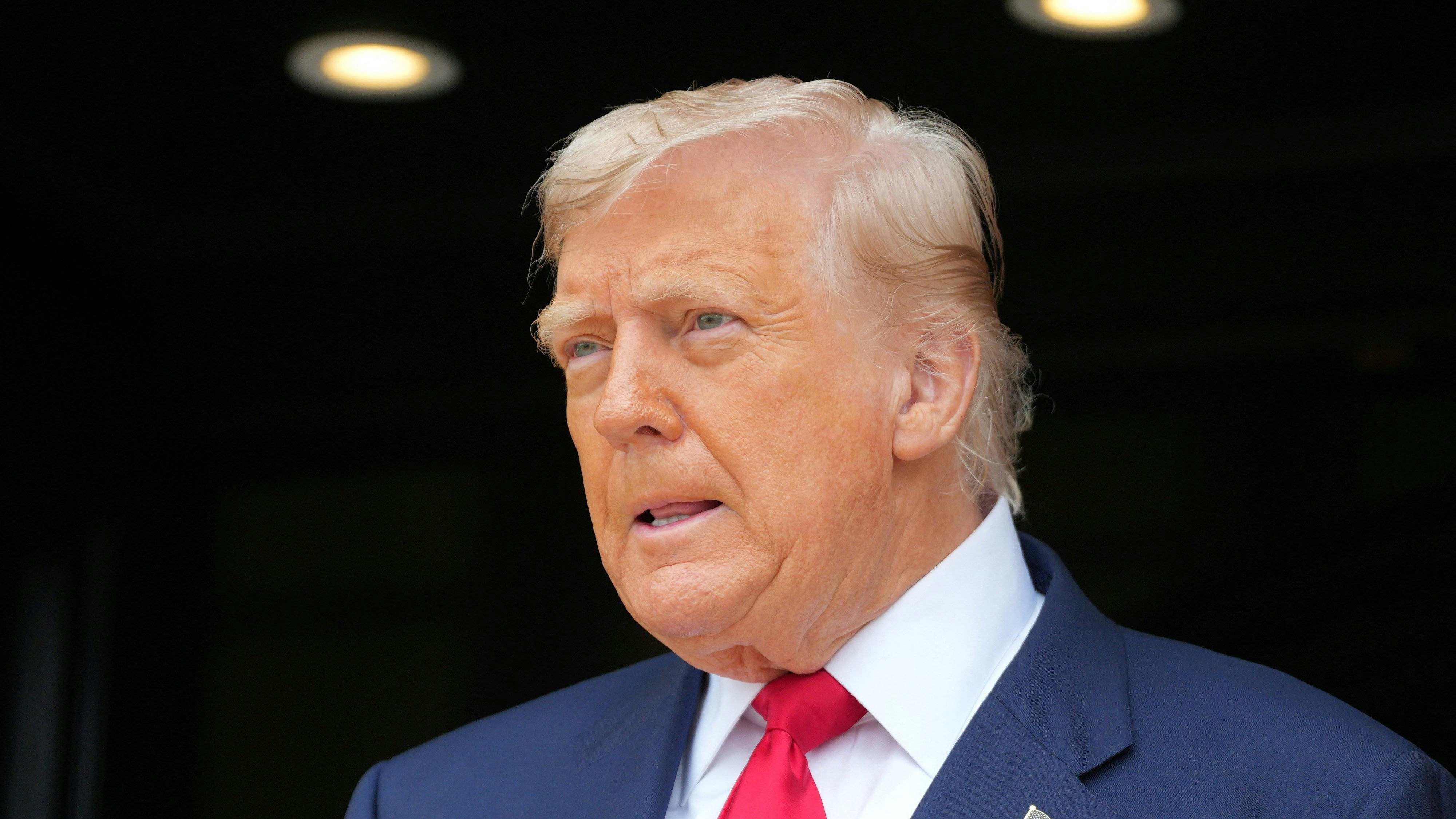
Trump Attacks Medicare for All Amid Conflicting Economic Data
During an Oval Office event on Tuesday, Donald Trump dismissed the Medicare for All proposal as prohibitively expensive, claiming it would consume the entire federal budget. This characterization clashes with recent academic research suggesting that a single-payer system would actually reduce national healthcare expenditures while expanding coverage to all Americans.

Delia Ramirez Slams Anti-Socialism Resolution as Meaningless Distraction
Conflict defines the floor of the U.S. House, where Representative Delia Ramirez on Tuesday openly defied a resolution condemning socialism in all its forms. The Illinois Democrat dismissed the measure as a performative distraction, arguing that supporters are prioritizing political boogeymen over the urgent needs of the working class.

Ault Blockchain pivots to finance-first infrastructure
After his company faced sudden banking restrictions during the pandemic, Todd Ault decided the only way to ensure financial continuity was to bypass the gatekeepers entirely. His new Layer 1 network aims to provide the benefits of compliance without the systemic risk of arbitrary service termination by traditional banks.

Bitfinex Securities expands into tokenized Bitcoin treasury stocks
Bitfinex Securities has launched five tokenized products tracking companies that hold Bitcoin in their corporate treasuries, marking the first time such securities have reached a regulated exchange. The notes allow investors to gain fractional exposure to equity from firms including Strategy and Metaplanet via the Liquid Network.

OpenPayd Secures U.S. Foothold Through MSB USA Acquisition
London-based financial infrastructure provider OpenPayd has integrated MSB USA, securing 43 state money transmitter licenses to broaden its reach across the American payments market. The move arrives as the company prepares for a planned merger with Titan Acquisition Corp and a potential listing on the Nasdaq exchange.

UK Borrowing Costs Hit 18-Year High as Fiscal Pressure Mounts
British government bond yields climbed to their highest levels since 2006 this week, fueling concerns that the Treasury may be forced into drastic fiscal adjustments. As 10-year gilt yields hit 5.268%, former Prime Minister Liz Truss warned that mounting debt levels could soon necessitate emergency spending cuts.

Crypto firms push back against blanket SEC rules for novel ETFs
Grayscale Investments, a16z, and the Crypto Council for Innovation have formally challenged the SEC’s inquiry into whether novel exchange-traded funds require uniform, restrictive oversight. The coalition argues that applying a one-size-fits-all regulatory framework to diverse assets like crypto and leveraged products stifles innovation and misrepresents their distinct risk profiles.

Base pivots to direct grants for creators after social strategy reset
Base has launched a new grant program offering independent content creators up to $4,000 to produce material focused on the Ethereum layer 2 network. The initiative marks a strategic shift for the platform, moving away from previous engagement-based token rewards toward direct funding for writers, streamers, and educators.

Robinhood Chain RWA volume hits $390 million as memecoin pairs surge
Trading volume linked to real-world assets on the Robinhood Chain has climbed to a record $390 million daily, fueled by an unexpected fusion of speculative memecoins and tokenized equities. This surge marks a significant shift in network activity as liquidity pools increasingly pair high-volatility tokens with traditional stock-linked assets.

Ed Markey Defeats Seth Moulton in Massachusetts Senate Primary
Senator Ed Markey secured a decisive victory in Tuesday’s Democratic primary, defeating Representative Seth Moulton by nearly 30 percentage points. The result marks a significant win for the progressive wing of the party, as voters rejected Moulton’s attempt to frame the contest primarily around the incumbent’s age and tenure.

HashKey Group Joins DTCC Digital Assets Working Group
HashKey Group has become the first Asian digital asset service provider to join the Depository Trust & Clearing Corporation’s advisory working group. The Hong Kong-based firm will share regional regulatory insights as the DTCC prepares for an October launch of its institutional tokenization services.

Prospect Markets partners with Crypto.com for U.S. prediction platform
Prospect Markets has finalized a definitive agreement with Crypto.com’s U.S. derivatives arm and OG Prediction Markets to launch a regulated sports-focused betting platform. The deal leverages existing federal clearing infrastructure, with the company aiming for a third-quarter rollout to capture traffic ahead of the upcoming NFL and NBA seasons.

Bitcoin Mining Faces Its First Hashrate Bear Market
Bitcoin is enduring a prolonged decline in network computing power, a phenomenon Twenty One Capital CEO Raphael Zagury describes as the industry’s first hashrate bear market. Unlike previous shocks, this downturn stems from miners systematically pivoting their infrastructure and capital toward the more lucrative artificial intelligence sector.

Adam Back boosts stake in Capital B via €7.6 million private placement
Strategic investor Adam Back has injected €7.6 million into Capital B through a private placement of 13.18 million shares. The deal, which includes attached warrants, provides fresh capital for the company to expand its Bitcoin treasury, potentially pushing its total holdings to 3,521 BTC.

Strategy CEO Defends Bitcoin Trading Strategy Amid Price Swings
Strategy CEO Phong Le is dismissing concerns over the company’s decision to sell Bitcoin near $60,000 only to buy back in at $80,000, asserting that the firm’s treasury transactions are driven by internal capital costs and balance sheet health rather than speculative market timing.

Circle and OKX deepen stablecoin integration for traders
Circle and OKX are expanding the reach of USDC across spot, margin, and futures markets, aiming to bolster liquidity for the dollar-pegged stablecoin. The collaboration includes a new incentive program designed to drive adoption among active traders while building on the exchange's existing infrastructure for digital asset conversion.

Governance Takeover Attempt Targets YAM Finance Treasury
An attacker has moved to seize control of YAM Finance, accumulating enough delegated voting power to push a proposal that would grant them administrative authority over the protocol’s Timelock. The move puts approximately $337,000 in DAO assets at risk, prompting an urgent call for holders to vote down the malicious measure.

Armed Home Invasion in Alès Highlights Surge in Crypto-Targeted Violence
Two masked intruders held a couple captive in their Alès home for over two hours early Saturday, brandishing a handgun and knife to coerce cryptocurrency transfers. The assailants fled when neighbors heard the victims’ screams and alerted police, leaving the family physically unharmed but marking another escalation in French crypto-related crime.

GTA VI Leaker Linked to $350,000 Crypto Windfall
Wallets tied to the controversial CYBERLEEK memecoin have withdrawn approximately $350,000 in liquidity fees, according to onchain analyst Conor Grogan. The funds were generated as unauthorized footage of Rockstar Games’ upcoming GTA VI title drove viral trading volume to the token, marking a departure from traditional pump-and-dump schemes.

CFA Institute Warns of Risks in Retail Private Credit Expansion
As regulators in the U.S. and Europe open private credit markets to retail investors, the CFA Institute warns that current oversight is failing to keep pace. The expansion of these illiquid, complex assets into wealth platforms creates structural vulnerabilities that demand more rigorous fund governance and transparency standards.

Robinhood CEO Fuels Memecoin Speculation With Cryptic Social Media Post
A single ear emoji posted by Robinhood CEO Vlad Tenev on X has reignited market speculation regarding the brokerage's memecoin strategy. While the brief interaction served as a nod to community requests, the company has provided no formal confirmation of new asset listings or expanded product offerings for its retail platform.
Remixpoint Shifts Strategy, Liquidating Altcoins for Bitcoin Focus
Japanese listed firm Remixpoint has cleared its entire altcoin portfolio, selling off Ethereum, Solana, XRP, and Dogecoin for ¥878.8 million. The move leaves the company with 1,506 Bitcoin as its exclusive cryptocurrency holding, marking a decisive pivot toward a singular treasury strategy focused on the market leader.

CFA Institute Warns of Risks in Retail Private Credit Expansion
As regulators in the US and Europe lower barriers for retail investors to enter private credit markets, a new report from the CFA Institute warns that current oversight frameworks are lagging behind. The shift toward semi-liquid vehicles and digital platforms risks exposing less sophisticated investors to complex, illiquid assets.

Recent Executive Appointments in Wealth Management and Legal Services
A wave of senior appointments across London-based financial and legal institutions signals a strategic push to bolster investment capabilities and governance. Columbia Threadneedle Investments, Fidelity International, and law firm Charles Russell Speechlys have all announced key hires to navigate shifting regulatory landscapes and expand their client-facing expertise.