All news

Deutsche Bank Recruits Julius Baer Veterans for Swiss Expansion
Denny Pole and Weiwei Chen are leaving Julius Baer to join Deutsche Bank’s Swiss operations this September. The move marks a strategic effort to scale the bank's Financial Intermediaries division, as the firm looks to deepen its footprint in European, international, and emerging markets through seasoned wealth management leadership.

Figure Technology Solutions Finalizes $717 Million Acquisition of Kiavi
Figure Technology Solutions has officially absorbed real estate lender Kiavi, integrating the firm’s residential transition and debt service coverage ratio lending technology into its blockchain-based marketplace. The $717 million deal, finalized after a June agreement, expands Figure’s footprint in the residential investor loan sector.

OKX Tightens Scrutiny on High-Risk Crypto Deposits
Deposits flagged as high-risk by OKX may trigger compliance reviews lasting 15 days or longer, potentially resulting in frozen funds and account restrictions. CEO Star Xu confirmed the exchange is intensifying its anti-money laundering protocols following reports that transfers from unregulated betting platforms triggered internal investigations.

Crypto-backed PAC spends $189K as Auchincloss secures primary win
Representative Jake Auchincloss fended off a primary challenge from Jason Poulos in Massachusetts’ Fourth Congressional District on Sept. 1, securing 72.3% of the vote. The victory followed a $189,527 expenditure by Protect Progress, a crypto-industry super PAC that backed the incumbent while drawing fire from his opponent.

TradeXYZ Dominates HIP-3 Markets as Quarterly Volume Hits $202 Billion
TradeXYZ recorded $202.36 billion in trading volume during the second quarter of 2026, marking a 79.2% increase over the previous period. This growth, detailed in a report by the Hyperliquid Research Collective, coincides with the sudden exit of three major competitors, solidifying the platform's grip on the HIP-3 ecosystem.

Core DAO triggers emergency hard fork after validator reward exploit
Core DAO is coordinating an emergency hard fork to resolve a vulnerability that allowed a select group of validators to claim excess CORE rewards. While the project maintains that user assets remain secure, the incident has forced major exchanges to suspend token transfers until the network upgrade is finalized.

Fogo Restarts Mainnet After Burning Recovered Stolen Tokens
Fogo has resumed normal operations following a security breach that saw 400 million FOGO tokens siphoned from the Foundation. The project confirmed the recovery and subsequent permanent removal of 237 million tokens from its total supply, though 163 million remain outstanding as the investigation into the compromise continues.

G20 Pushes for Unified Digital Asset Oversight
Finance ministers and central bank governors from G20 nations have pledged to develop clear, harmonized regulatory frameworks for digital assets. Meeting in Asheville, North Carolina, officials prioritized balancing the potential for financial innovation with the pressing need to mitigate cross-border risks and preserve global monetary stability.

Global Banking Consortium Targets 2027 Stablecoin Launch
Twenty-one major financial institutions, including Bank of America, Citi, and Goldman Sachs, have committed to forming a joint venture to issue a U.S. dollar-denominated stablecoin. The group, spanning four continents, aims to launch the digital asset in the first half of 2027 to facilitate wholesale, institutional, and retail payments.

Hyperliquid Strategies Expands Equity Facility to $2.5 Billion
Hyperliquid Strategies has increased its equity financing facility with Chardan Capital Markets to $2.5 billion, according to a September 1 SEC filing. The move follows the firm nearing its original $1 billion limit, providing the company with additional flexibility to fund corporate operations and potential token acquisitions.

ARK Invest Study Ranks Bitcoin as Most Decentralized Network
A new joint report from ARK Invest and Glassnode challenges conventional metrics of blockchain decentralization, finding that while Bitcoin, Ethereum, and Solana face varying degrees of concentration, Bitcoin maintains the highest overall resilience due to its low verification costs and anonymous node distribution.

Thai businessmen sue Tether over $42.4M blacklisted wallet freeze
Two Thai entrepreneurs have filed a lawsuit against Tether in the U.S. District Court for the Southern District of New York, challenging the stablecoin issuer’s authority to freeze $42.4 million in USDT based on an informal request from Homeland Security Investigations before a formal seizure warrant existed.

JD Vance Dismisses End Times Concerns Amid Nuclear Tensions
Vice President JD Vance has signaled indifference toward whether the current administration’s actions trigger the biblical end times, a sentiment that surfaced just as President Donald Trump intensified rhetoric regarding potential nuclear strikes against Iran, sparking widespread alarm among critics and political observers.
The Math Behind Trump’s Reported $1 Billion Oil Deal
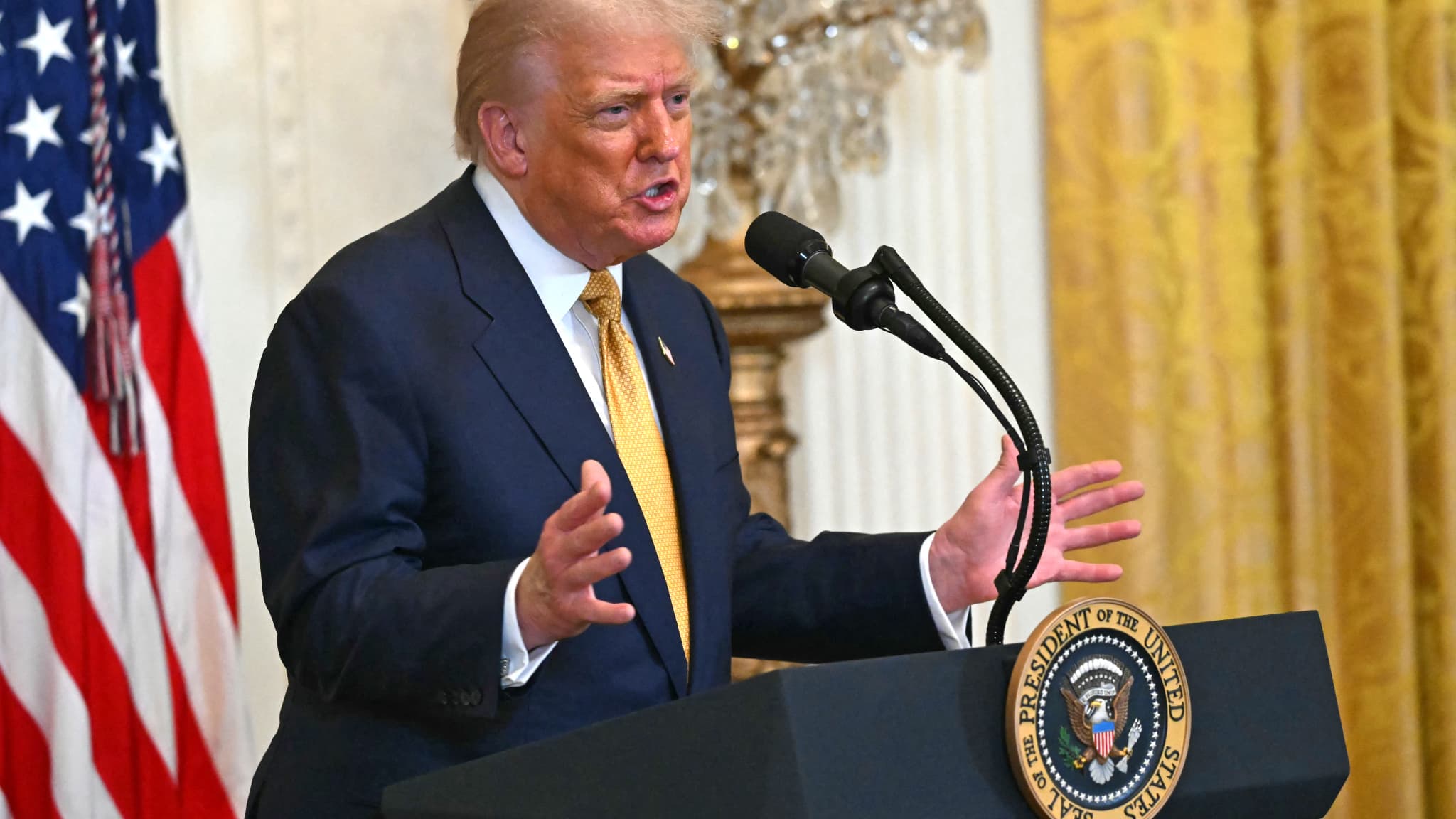
Donald Trump’s alleged offer to trade massive deregulation and tax breaks for $1 billion in campaign funding from oil executives is drawing scrutiny, with new analysis suggesting the industry could secure an 11,000% return on its investment through preserved loopholes and subsidies.

Climate Crisis Makes Deadly Heatwaves 35 Times More Likely
A brutal heat dome stretching from Nevada to Honduras has exposed a lethal new normal, with researchers confirming that human-driven climate change has made such extreme temperature spikes 35 times more probable. The findings highlight an accelerating trend of record-breaking heat that is increasingly outpacing global disaster preparedness.

Public Citizen Outlines Legal Path for Climate Homicide Prosecutions
A new legal memorandum from consumer watchdog Public Citizen argues that local and state prosecutors have the authority to bring criminal charges against fossil fuel corporations for heat-related deaths. The document suggests that reckless manslaughter and second-degree murder charges could hold companies accountable for fatalities linked to human-caused climate change.

Himalayan Glacial Collapse Death Toll Exceeds 1,000
A catastrophic glacial collapse in the Himalayas has claimed over 1,000 lives, leaving thousands more missing as floodwaters ravage parts of Nepal and Tibet. As rescue efforts intensify, scientists and government officials are framing the disaster not as a natural anomaly, but as a direct consequence of planetary warming.
Trump Withdraws US From Paris Agreement for Second Time
President Donald Trump has formally pulled the United States out of the Paris Agreement, marking a second departure from the climate treaty as part of his administration's aggressive pivot toward fossil fuel expansion. The White House framed the exit as an 'America First victory' meant to eliminate constraints on economic growth.
Bitcoin Slides Below $77,000 as Middle East Conflict Escalates
Bitcoin plummeted below the $77,000 threshold on Tuesday after U.S. military strikes against Iranian targets triggered a broad retreat from risk assets. The operation, aimed at Islamic Revolutionary Guard Corps positions, sent oil prices surging above $90 per barrel and ignited a wave of selling across global financial markets.
Fed Governor Barr Signals Potential Rate Hikes as Inflation Persists
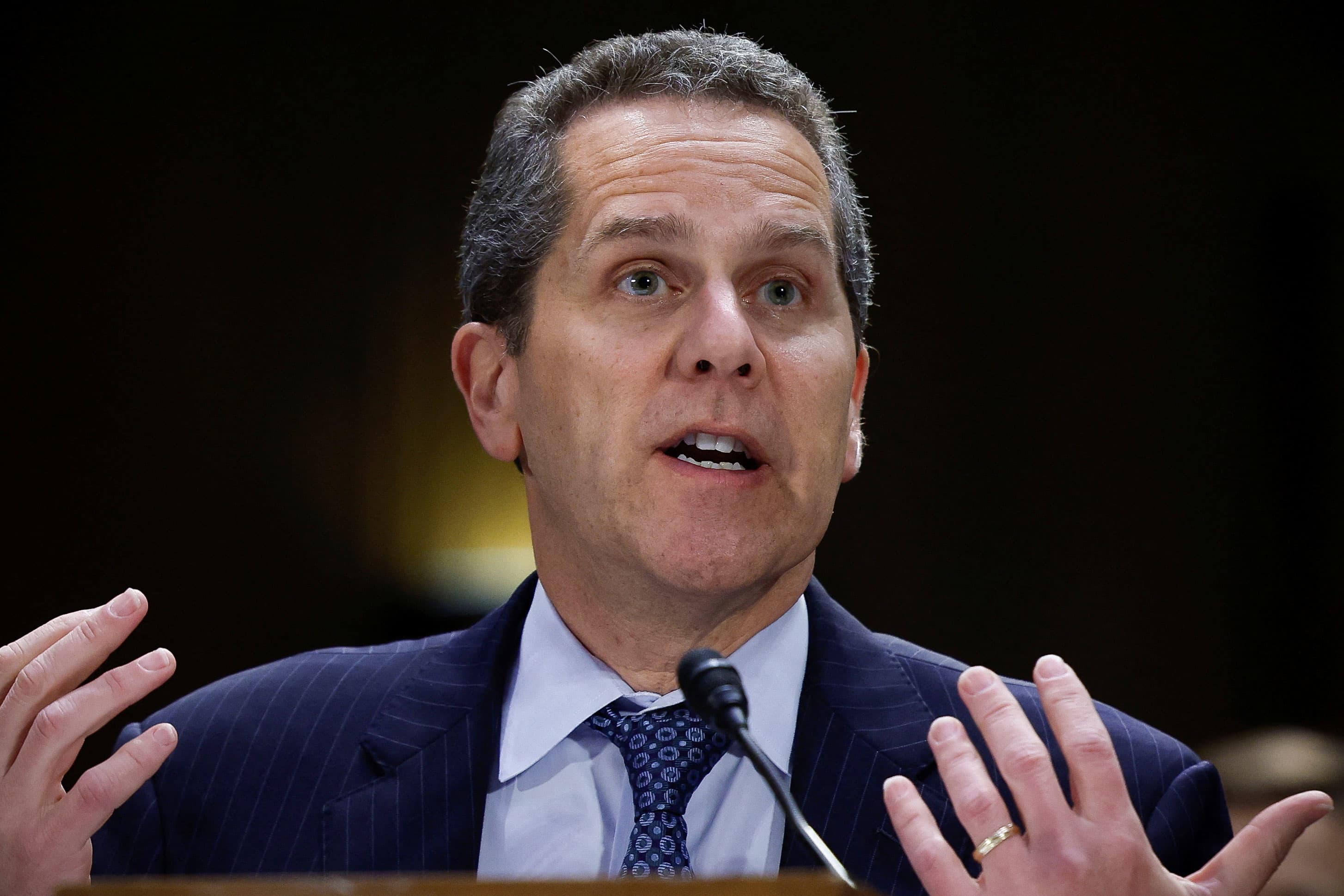
Federal Reserve Governor Michael Barr has signaled a willingness to raise interest rates if inflation fails to show a clear downward trend toward the central bank's 2% target, a stance that aligns with growing market expectations for a shift in monetary policy ahead of the mid-September meeting.

Federal Panel Blocks AI Data Center on Nevada Public Lands
A federal appellate body has frozen plans for the Townsite Data Center, the first artificial intelligence facility slated for US public land, marking a major setback for the Trump administration’s push to rapidly expand infrastructure on federally managed territory near Boulder City, Nevada.

X Investigates Surge in Unsolicited Password Reset Requests
A sudden influx of unsolicited password-reset emails and confirmation codes has prompted an investigation by X, though the platform reports no evidence of a system-wide breach. The surge coincides with the broader rollout of X Money, leading officials to suspect that bad actors are targeting accounts for their newfound financial utility.
Trump Escalates Rhetoric as US Forces Strike Iran
President Donald Trump warned Iran that a potential retaliation for new US military strikes would be met with an attack of unprecedented scale. As American forces targeted Islamic Revolutionary Guard Corps sites on Tuesday, the president declared that little would remain of the nation if conflict continues to escalate.
Kast Launches Global Stablecoin Platform for Business
Fintech firm Kast has unveiled a business platform allowing companies to manage fiat accounts, stablecoins, and virtual cards across 170 countries. The service offers up to 8% APY on idle balances and 3% cashback on expenses, aiming to reach up to 5,000 active corporate clients by the end of 2026.
SEC Seeks 40-Year Update to Transfer Agent Rules for Tokenized Assets
The U.S. Securities and Exchange Commission has unveiled its first major overhaul of transfer-agent regulations in four decades, aiming to pull outdated 1970s standards into the era of blockchain recordkeeping and tokenized securities. The proposal seeks to manage systemic risks as digital assets increasingly integrate into regulated financial markets.
Millions of Children Lose Medicaid Access Under New Federal Policies
Nearly 2.5 million children have lost access to Medicaid and the Children’s Health Insurance Program since President Donald Trump began his second term in January 2025, according to data from the Georgetown University Center for Children and Families.

Fake Claude Desktop App Used to Deploy RevStealer Malware
A deceptive desktop application masquerading as "Claude Opus 5 Free Desktop" is actively distributing RevStealer, a sophisticated malware strain capable of harvesting credentials from over 50 cryptocurrency wallets, 12 password managers, and various web browsers across Windows systems, according to cybersecurity firm Morphisec.
Haitian Student Dies in Apparent Suicide Amid Deportation Pressure
Pierre Damas Bel, a 20-year-old college student in Springfield, Ohio, died Monday after walking into traffic on Interstate 70. His family and immigrant rights advocates describe the death as a suicide, citing the profound distress caused by the Trump administration’s decision to terminate Temporary Protected Status for thousands of Haitian migrants.
Iran Dismisses US Pressure as Trump Administration Faces Strategic Stalemate
Six months into a military campaign that promised swift victory, the White House finds itself locked in a deepening quagmire. Iran’s Foreign Ministry spokesperson, Esmaeil Baghaei Hamaneh, dismissed the renewed bombing of Iranian territory on Tuesday as a sign of failed policy, insisting that force will not compel capitulation.
Senate Democrats Accuse Trump Administration of Paralyzing the IRS
A trio of Democratic senators is accusing the Trump administration of intentionally sidelining the Internal Revenue Service by leaving the agency without permanent leadership. The lawmakers argue this vacancy, paired with a gutted workforce, has created a regulatory vacuum that allows wealthy tax dodgers to operate with total impunity.