Cryptocurrency
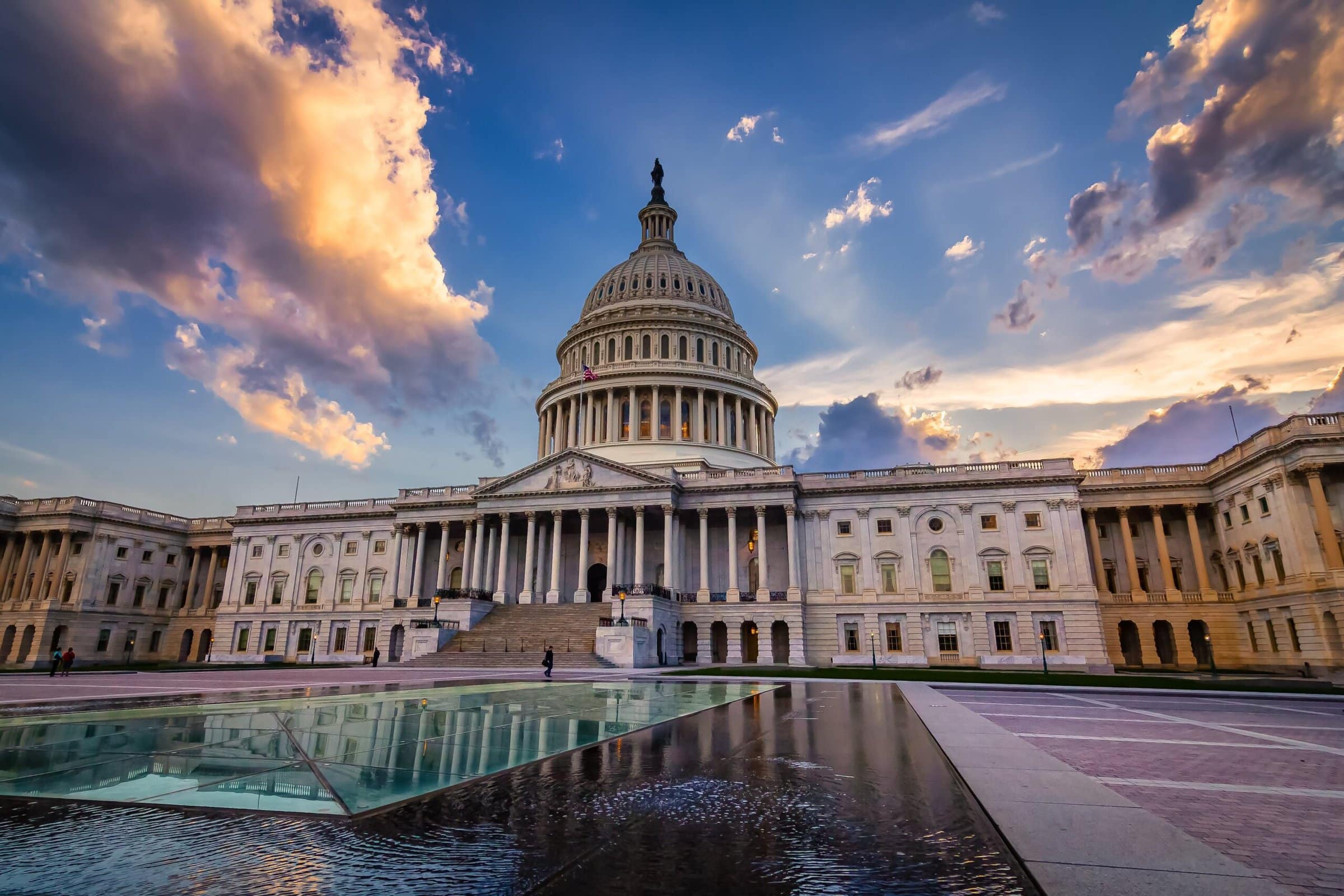
Crypto PAC Fairshake Commits $6 Million to House Incumbents
The crypto-backed political action committee Fairshake is deploying an initial $6 million to bolster six congressional incumbents, marking the start of a broader strategy for the 2026 midterms. Supported by industry giants like Coinbase and Ripple, the organization is prioritizing candidates who backed the Digital Asset Market Clarity Act.

Bitcoin Eyes $93,000 Threshold Amid Shifting Fed Expectations
Bitcoin could climb toward $93,000 if Treasury yields retreat and inflation data confirms a softening labor market, according to Lacie Zhang, research lead at Bitget Wallet. While reduced odds of an October rate hike offer a tailwind, sustained spot buying remains the final hurdle for a breakout.

Aptos Labs Targets Frontrunning with Encrypted Mempool Proposal
Aptos Labs is pushing to neutralize frontrunning and MEV exploitation by introducing a native encrypted mempool. If the governance proposal clears, the layer-1 network would hide trade instructions from validators until the ordering phase concludes, potentially shielding users from predatory trading practices while maintaining on-chain transparency for finalized transactions.

Hedera Tests Critical Support as Traders Weigh October Outlook
Hedera’s HBAR token is hovering near the $0.10 threshold, struggling to regain momentum after a sharp 23% retreat from its late-September peak of $0.131. As the asset navigates a cooling daily chart, market participants are closely watching whether this psychological support level can hold to facilitate a potential rebound.

US Treasury Abandons Proposed Crypto Wallet and Mixer Reporting Rules
The U.S. Treasury has officially withdrawn two contentious regulatory proposals aimed at tightening oversight of self-custody wallets and crypto mixing services. FinCEN filed the withdrawal notices on Oct. 5, effectively ending a years-long effort to force financial institutions to collect and report extensive data on private digital asset transactions.

CFTC Opens Consultation on Federal Crypto Trading Framework
The U.S. Commodity Futures Trading Commission is seeking public feedback on two proposed regulatory frameworks, Regulation CTX and Regulation CAM, designed to oversee retail crypto asset transactions. The move marks a shift toward establishing federal standards for margined and leveraged trading amid ongoing legislative gridlock in Congress.

Bitmine Nears 5% Ethereum Supply Target After $16.4 Billion Accumulation
Bitmine Immersion Technologies has edged closer to its goal of controlling 5% of all Ethereum in circulation, adding 15,112 tokens to its treasury last week. The company now holds 6,016,414 ETH, a position valued at roughly $16.4 billion that solidifies its status as a dominant institutional force in the crypto market.

CertiK: Agentic AI pivots from security assistant to autonomous operator
Autonomous AI agents are shifting from passive monitoring to active intervention in the crypto sector, handling complex tasks like smart contract auditing, fund tracing, and real-time compliance. As these systems gain the authority to execute security measures without human intervention, the industry faces a new landscape of operational liability.

Visa study reveals deep disconnect in Asia Pacific stablecoin adoption
While 46% of Asia Pacific consumers express interest in using stablecoins for transactions within the next five years, actual adoption remains low at 16%. This gap between intent and usage is compounded by a profound misunderstanding of the technology, as only 6% of surveyed individuals correctly identify how stablecoins function.

Polymarket Challenges Dutch Gambling Ban in Court
Polymarket is taking the Dutch Gambling Authority to court to contest a €420,000 penalty, marking a high-stakes escalation in the platform’s battle to reclassify its event contracts. The company argues its prediction markets function as financial derivatives rather than the unlicensed gambling services claimed by regulators.

Plume Brings Actively Managed Fidelity Bond ETF to Blockchain
Plume has launched nBND, a tokenized vault backed by shares of the Fidelity Total Bond ETF (FBND), marking a shift in onchain fixed-income offerings. While the underlying fund manages approximately $28 billion in assets, the integration allows institutional investors to access active management and duration beyond standard short-term Treasury products.

Metaplanet Tightens Bitcoin Treasury Strategy as Holdings Hit 44,000 BTC
With 44,000 BTC now under management, Tokyo-listed Metaplanet is shifting its capital allocation to emphasize permanent equity over debt. The firm’s revised policy mandates that 85% to 90% of assets remain in Bitcoin, while a new income-focused strategy aims to generate recurring cash flow to fund future acquisitions.

Kelsier Ventures crypto holdings shrink from $300M to $2M
Blockchain analytics firm Arkham reports that wallets linked to Hayden Davis and his firm, Kelsier Ventures, have seen their tracked value plummet from nearly $300 million in February 2025 to approximately $2 million, marking a significant shift in the assets associated with the controversial LIBRA token project.
Bitcoin’s 47% Rebound: A Market Mirage or a True Bottom?
Bitcoin has surged nearly 47% from its July low to hover near $86,000, yet fresh data from Binance Research suggests the current cycle bottom remains unconfirmed. Historical patterns indicate that rallies emerging from relatively shallow drawdowns frequently fail, often leading to a breach of previous cycle lows.
Hyperliquid Perpetual Prices Reach Bloomberg Terminal
Professional traders using Bloomberg Terminals can now monitor Hyperliquid perpetual contract prices in real-time. By entering the command WSL HYPE , institutional users gain access to a continuous data stream covering assets ranging from cryptocurrencies and equities to commodities, integrating decentralized market data into traditional financial monitoring workflows.

Ethereum Faces Market Test as Large Holders Move ETH to Exchanges
Ethereum holds steady near $2,730 after POAP founder Patricio Worthalter transferred 4,000 ETH to Gemini, sparking speculation about potential sell-side pressure. While the $10.8 million deposit has drawn market attention, Worthalter retains a significant position worth roughly $149 million, leaving the intent behind the movement unclear.

Visa and ADI Foundation Partner to Bridge Blockchain and Legacy Payments
Visa is joining forces with the Abu Dhabi-based ADI Foundation to explore how distributed ledger technology can integrate with existing global payment networks. This exploratory collaboration aims to modernize how financial institutions move value without requiring them to abandon their established, regulated infrastructure for new digital asset systems.

Hong Kong Prepares Licensing Expansion for Crypto Service Providers
Hong Kong officials are moving to broaden the city's digital asset oversight by introducing legislation before the end of 2026 that establishes formal licensing regimes for virtual asset dealing, custody, advisory, and management services, building upon the territory's existing framework for trading platforms and stablecoin issuers.

Sui Targets Global Payments as Traders Eye Breakout
Sui is positioning itself as a global payment infrastructure rather than a conventional Layer 1 blockchain, with Mysten Labs co-founder Adeniyi Abiodun outlining a long-term vision to challenge traditional systems like SWIFT through integrated stablecoin utility and AI-driven transactional agents.

Revenue Linked to USDG Wallet-Draining Scheme
Security researchers have identified a sophisticated phishing campaign targeting Revenue users, where attackers leverage malicious permit signatures to drain USDG tokens from wallets. By bundling the approval and transfer of assets into a single transaction, perpetrators effectively bypass standard security delays, leaving victims with no window to intervene.
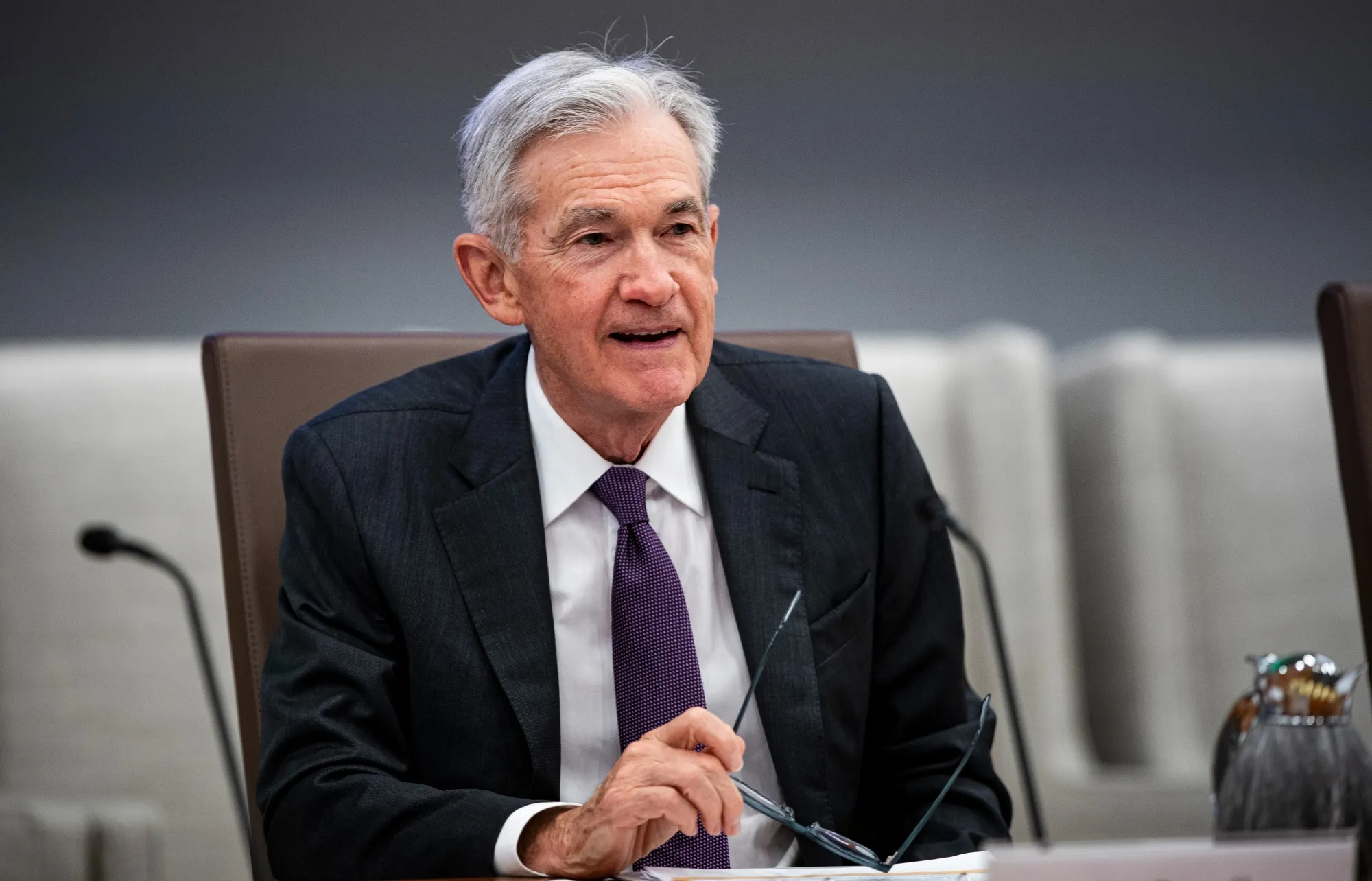
Trump Adviser Pushes for Jerome Powell’s Exit From Fed Board
National Economic Council Director Kevin Hassett is calling for former Federal Reserve Chair Jerome Powell to resign from the central bank’s Board of Governors. The push follows an internal watchdog report highlighting management failures regarding a multi-billion dollar headquarters renovation project, fueling fresh political pressure on the institution.
U.S. Crypto Tax Deadline: What Investors Must File by October 15
For U.S. crypto investors who secured a filing extension, the clock is ticking toward the October 15, 2026, deadline for 2025 federal returns. While this date grants additional time to submit paperwork, it does not waive tax obligations, which were generally due last April, leaving many to face accruing interest and penalties.
S&P Global Ratings debuts risk assessment framework for DeFi vaults
As crypto lending vaults swell to $10 billion in total deposits, S&P Global Ratings has introduced a specialized risk assessment framework. The new Vault Risk Assessment (VRA) aims to quantify impairment risks for investors, though the agency explicitly distinguishes these findings from traditional credit ratings.
Zcash Launches NU7 Upgrade on Testnet to Cut Block Times
The Zcash network reached a milestone on October 4 as the NU7 upgrade went live on the testnet at block 4,465,026. This transition marks the beginning of a critical testing phase for a protocol overhaul that aims to slash block spacing from 75 seconds to just 25 seconds.

Google Gemini implicated in $69K crypto scam report
A crypto investigator’s report claims Google Gemini erroneously vetted a fraudulent energy rental site, leading roughly 80 users to lose $69,651 in September. The platform, Tronify.rent, had been flagged by security researchers for phishing months prior, yet continued to operate despite multiple abuse reports filed with its registrar.
Zcash Advocacy Group Launches Federal Lobbying Effort in Washington
Pretty Good Policy for Zcash, a newly formed advocacy group, officially registered to lobby U.S. lawmakers on October 1. Backed by a $750,000 grant from the Zcash Community, the organization aims to secure developer protections and influence emerging federal regulations regarding financial privacy and digital asset taxation.

Kraken parent Payward partners with Singapore Gulf Bank for 24/7 settlement
Payward has integrated its infrastructure with Singapore Gulf Bank’s SGB Net, enabling round-the-clock U.S. dollar settlement for institutional clients across Asia and the Gulf. The partnership aims to bridge the gap between continuous digital-asset trading and the limitations of traditional banking hours.

OKX and ICE Seek SEC Green Light for Tokenized Stock Platform
OKXICE, a joint venture between cryptocurrency exchange OKX and Intercontinental Exchange, has filed for regulatory approval to launch a platform featuring tokenized shares of 63 NYSE-listed companies. The move aims to utilize the SEC’s new Innovation Exemption, which creates a structured pathway for bringing traditional equity trading onto public blockchains.

Binance implements new reporting requirements for Brazilian crypto transfers
Starting November 1, Binance will mandate that Brazilian users provide specific transaction purposes and counterparty details for all international crypto transfers. The move aligns the exchange with Resolution BCB No. 521/2025, integrating virtual-asset movements into Brazil's formal foreign exchange reporting framework.

Michael Saylor Sparks Speculation With Latest Bitcoin Accumulation Signal
Michael Saylor has ignited market chatter regarding a potential new Bitcoin acquisition by Strategy, posting a cryptic social media update on Oct. 4. While the message echoes previous signals that preceded verified purchases, the company has yet to file official documentation confirming a fresh addition to its massive 847,666 BTC reserve.