Cryptocurrency
Canary Capital Prepares Staked TRX ETF Launch
Canary Capital has signaled the imminent arrival of its proposed Canary Staked TRX ETF, marking a push to bring yield-generating digital assets to American brokerage accounts. The firm is currently directing potential investors to an amended registration statement filed with the U.S. Securities and Exchange Commission.

Banco do Brasil Joins Blockchain Finance With $5M Citi Note Deal
Banco do Brasil has executed a $5 million investment in a digitally native structured note issued by Citi, marking the first transaction of its kind involving a Latin American financial institution. The deal utilized Euroclear’s blockchain-based Digital Financial Market Infrastructure to automate issuance and lifecycle management.

Kalshi Expands Crypto Derivatives Lineup for U.S. Traders
Kalshi launched perpetual contracts for BNB, Cardano, Worldcoin, Aave, and Venice Token on September 4, granting U.S. traders expanded access to leveraged positions. These additions bring the platform’s total offering to 18 perpetual products, all margined and settled in U.S. dollars without fixed expiration dates.

Bottomline Taps Chainlink to Link $16 Trillion Network to Blockchains
Bottomline has entered a strategic partnership with Chainlink to bridge its $16 trillion annual payments network with public and private blockchains. The integration allows more than 600 bank customers to access onchain settlement rails while retaining the familiar ISO 20022 messaging standards they currently use for daily operations.

OpenReserve Secures Conditional OCC Approval for Salt Lake City Bank
The Office of the Comptroller of the Currency has granted OpenReserve preliminary conditional approval to organize a full-service national bank in Salt Lake City. The move marks a shift for the firm, which now faces the stringent regulatory hurdles required to integrate traditional insured deposits with digital asset services.

SoFi and Kraken Forge Institutional Banking and Trading Alliance
SoFi Technologies and Kraken parent Payward announced a strategic partnership on September 3, bridging traditional banking settlement rails with digital asset liquidity. The deal integrates Kraken’s trading infrastructure into SoFi’s platform while expanding the reach of SoFi’s bank-issued stablecoin, SoFiUSD, to Kraken’s global exchange.
Chainlink Brings Oracle Infrastructure to Tempo Blockchain
Tempo, the payments-focused layer-1 blockchain incubated by Stripe and Paradigm, integrated Chainlink Data Feeds on Sept. 3. This deployment provides developers with a standardized oracle network to import real-time market prices, enabling stablecoin applications to automate collateral valuation, treasury management, and cross-currency risk controls.

Uniswap Labs Takes Stake in High-Earning Launchpad PONS
Uniswap Labs has acquired a position in PONS, the native token of a prolific Robinhood Chain launchpad, to secure long-term alignment between the two projects. The move follows a period of massive fee generation for the platform, which has consistently outperformed competitors like Solana’s pump.fun in daily revenue.

Ripple CEO Pushes for CLARITY Act as Legislative Window Narrows
“Making America the crypto capital of the world is within reach — let’s finish the job,” Ripple CEO Brad Garlinghouse declared on September 3. His call to action follows a high-level White House gathering, placing the burden of proof on a looming Senate vote that could define the industry's future in the United States.

AMC CEO Adam Aron Pushes Back Against Robinhood’s Tokenized Shares
AMC Entertainment CEO Adam Aron has publicly disavowed a suite of tokenized products offered by Robinhood that track the theater chain’s stock price. Labeling the brokerage's unauthorized use of the AMC brand as "contemptible" and "outrageous," the executive announced plans to seek formal legal counsel to address the matter.

Saint Seiya creator sues former manager over $19.6 million diversion
Masami Kurumada, the legendary manga artist behind Saint Seiya, has filed a lawsuit at the Tokyo District Court seeking 2.89 billion yen in damages. The action follows the discovery that his former manager allegedly siphoned 4.68 billion yen from his companies over six years, reportedly sinking some of the capital into cryptocurrency.

Pocket Bitcoin breach expands to 5,411 customer records
A forensic investigation into an August security incident at Swiss service provider Pocket Bitcoin has revealed a wider reach than initially reported, with 5,411 customer records now confirmed as exposed. The breach primarily involves sensitive banking and identity documents stored in secondary support system backups rather than core infrastructure.
US and UK Launch Joint Task Force to Dismantle Global Crypto Scam Hubs
The United States and the United Kingdom have formalized a cross-border alliance to dismantle sprawling cryptocurrency scam networks that have cost victims billions of dollars. By integrating intelligence-sharing and prosecution strategies, the two nations aim to dismantle the organized crime syndicates operating out of illicit compounds.

Binance Issues Alert Over Surge in Sophisticated Phishing SMS
Cryptocurrency exchange Binance warned users on Sept. 3 of a sharp rise in phishing attacks, where scammers send text messages disguised as urgent account security alerts. These messages, which falsely claim that login activity or account settings have changed, aim to trick recipients into clicking malicious links.

Notional Finance Investigates Potential $1.7 Million Escrow Exploit
Blockchain security researchers are investigating a suspected exploit involving Notional Finance that resulted in the loss of approximately $1.7 million in stablecoins. The incident, which remains unconfirmed by the protocol, involves the unauthorized movement of DAI and USDC from an escrow contract to a privacy-focused mixer.

Curve DAO taps yRisk for oversight despite developer's past exploit
Curve DAO has appointed yRisk to manage risk for its crvUSD and Llamalend protocols, granting the team a twelve-month mandate. The decision follows a lopsided onchain vote, though the selection process notably omitted mention of a $9.6 million exploit linked to the contributors' previous project, Resupply.
Hargreaves Lansdown brings Bitcoin and Ether notes to UK retail investors
Two million clients at the United Kingdom's largest retail investment platform gained access to cryptocurrency exchange-traded notes on September 3. The move marks a significant shift for Hargreaves Lansdown, which previously held a cautious stance on digital assets while other major British platforms moved to integrate the products earlier.
IMF Confirms El Salvador’s Recent Bitcoin Gains From Private Donors
El Salvador has verified that its recent Bitcoin accumulation, recorded after June 27, 2025, originated entirely from private donations rather than public coffers. This disclosure, confirmed by the International Monetary Fund, addresses long-standing concerns regarding the government's fiscal involvement in crypto markets while unlocking a potential $140 million in support.
Fidelity: August Bitcoin rally offers no guarantee of bear market exit
Bitcoin’s sharp August surge, which saw prices climb over 25% in a single week, remains an ambiguous signal for long-term investors. Fidelity warns that despite the recent recovery in digital assets, the rally could represent a temporary fluctuation within a persistent bear market rather than a definitive trend reversal.
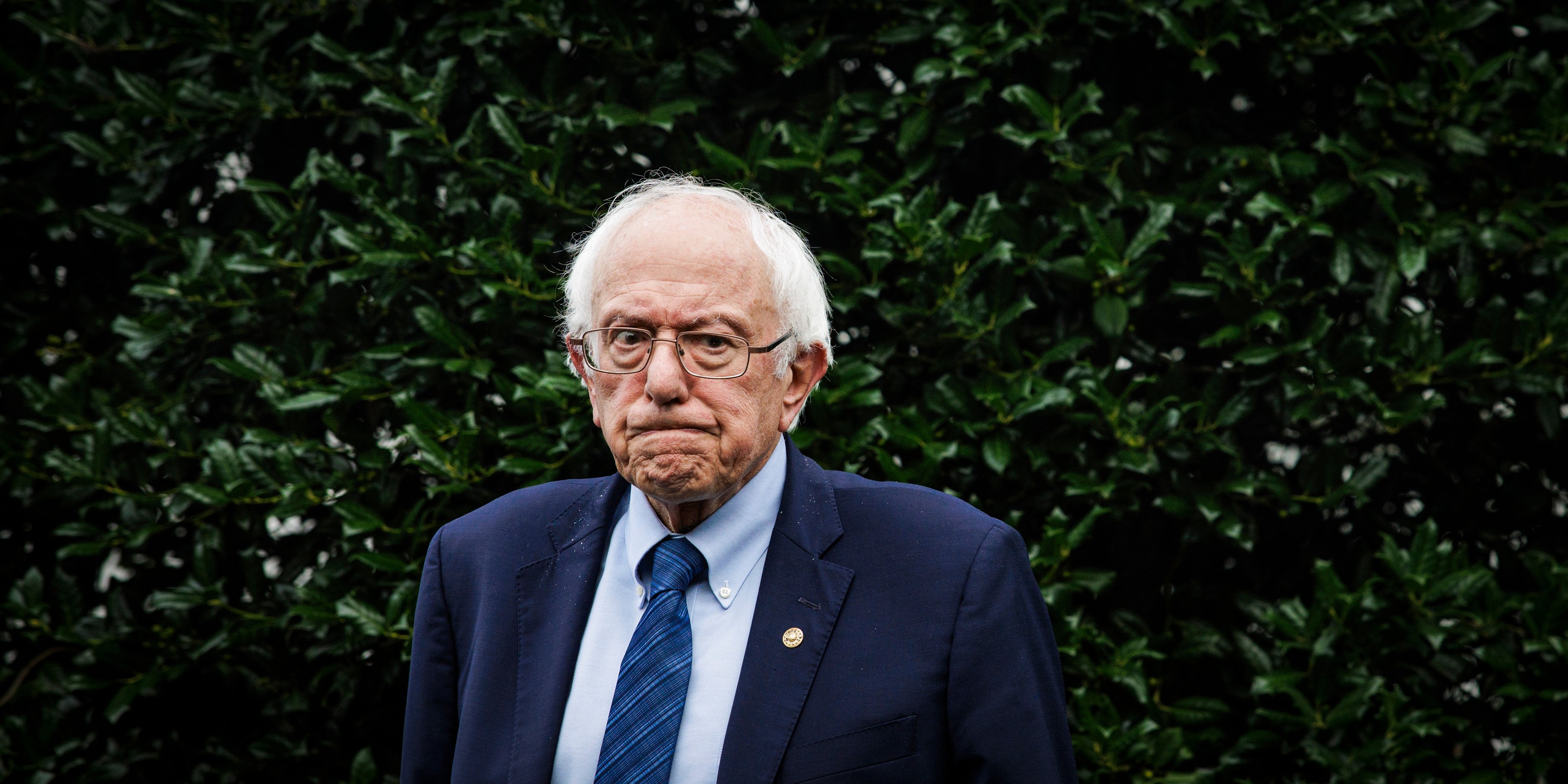
Sanders and Casar propose permanent ban on superintelligent AI
Senator Bernie Sanders and Representative Greg Casar have unveiled the Ban Artificial Superintelligence Act, a legislative proposal that would criminalize the development of AI systems matching or exceeding human cognitive performance. The bill introduces severe penalties, including 20-year prison terms and the potential dissolution of non-compliant companies.
BitMEX Co-Founder Ben Delo Becomes Reform UK’s Primary Backer
BitMEX co-founder Ben Delo provided £4 million to Reform UK during the second quarter of 2026, accounting for roughly 75% of the party’s total funding. These contributions arrive as the party outpaces both Labour and the Conservatives in private donations, fueling ongoing scrutiny regarding the origins of its financial support.

Paxos Brings Native USDG Stablecoin to Mantle Network
The Global Dollar Network has integrated USDG onto the Mantle layer-2 blockchain, enabling native minting of the stablecoin without third-party bridges. This expansion allows the Ethereum-based network to utilize Paxos-issued assets for institutional settlement and decentralized finance applications while joining a coalition of over 150 industry partners.

Coinbase Moves to Bring Stock Perpetual Futures to the US
Coinbase has formally signaled its intent to offer single-stock perpetual contracts in the United States, filing notice registrations with the Securities and Exchange Commission on Sept. 1 to expand its regulated derivatives footprint beyond the crypto-native products currently available to American investors.

Senator Lummis pushes Wyoming-style crypto framework for national law
Senator Cynthia Lummis is positioning the CLARITY Act as a national blueprint for digital asset regulation, arguing that Wyoming’s existing legal framework offers a proven model for the United States. With a pivotal Senate cloture vote scheduled for September 15, the bill seeks to establish clear federal guidelines for the industry.
Binance Refutes System Error Claims in $5M AKE Liquidation Dispute
A cryptocurrency trader is accusing Binance of a system failure after over 30 funding-rate arbitrage positions were liquidated on September 3, resulting in losses exceeding 5 million USDT. The exchange maintains its systems performed as designed, attributing the rapid liquidations to extreme market volatility in the AKEUSDT contract.

Revolut secures conditional US bank charter for 2027 launch
Fintech giant Revolut has cleared a critical hurdle in its pursuit of a U.S. national bank charter, receiving conditional approval from the Office of the Comptroller of the Currency. The company plans to anchor its operations in Stamford, Connecticut, with a $95 million capital injection and a 2027 launch target.

Bybit Integrates Mesh to Streamline Direct Crypto Payments
Bybit has partnered with the infrastructure firm Mesh to allow its 80 million users to spend or transfer assets directly from their exchange accounts. By embedding Bybit Pay into the Mesh network, the integration eliminates the need for manual withdrawals or separate wallet transfers when making purchases on merchant platforms.

Uniswap Founder Eyes Global Finance With Tokenized Asset Pools
Automated market makers could bridge the gap between decentralized finance and traditional capital markets, according to Uniswap founder Hayden Adams. His argument centers on correlated asset pools, which recently demonstrated their viability by processing $33 million in volume across 10 tokenized stock-SPY pairs over just 12 days.
Polymarket Expands Into Perpetual Futures With 20x Leverage
Polymarket has launched a perpetual futures service for international users, offering up to 20x leverage across 10 distinct markets including cryptocurrencies, gold, oil, and U.S. equity indices. This expansion marks a strategic shift for the platform, moving beyond its traditional event-based prediction contracts into high-frequency derivatives trading.
House calendar crunch threatens CLARITY Act timeline
House Republican leadership has canceled eight legislative days in late September, effectively forcing the chamber to depart Washington on September 17. This sudden shift in the voting calendar creates a narrow window for the CLARITY Act, leaving little room for the Senate to pass any amendments before the midterm elections.