Cryptocurrency

BDACS adopts LayerZero for cross-chain KRW1 stablecoin expansion
South Korea’s largest digital asset custodian, BDACS, is moving its won-backed KRW1 stablecoin to LayerZero’s Omnichain Fungible Token (OFT) standard. This integration replaces fragmented liquidity pools across disparate blockchains with a unified supply, allowing the asset to move natively between networks while maintaining its 1:1 backing at Woori Bank.

Boyaa Interactive Boosts Bitcoin Holdings to 4,316 BTC
Gaming firm Boyaa Interactive has added 205 Bitcoin to its corporate treasury, acquiring the assets for $14.3 million between late June and early September. This latest purchase brings the company’s total holdings to approximately 4,316 BTC, as it continues to shift its business model toward Web3 infrastructure and gaming.

Abraxas Capital deepens ETH hedge with $32M spot purchase
Abraxas Capital has acquired 13,000 ETH for $32.39 million on the spot market, a move designed to buffer its massive short position on the decentralized derivatives platform Hyperliquid. The transaction leaves the firm with a net short exposure of 128,180 ETH, maintaining its bearish stance despite the recent accumulation.

When 50 Bitcoin cost $5.68 and was considered a bad deal
A forum post from September 2010 has resurfaced, capturing a moment when an early miner calculated that spending $5.68 in electricity to potentially mine 50 BTC was a losing proposition. The assessment highlights the stark contrast between the network's humble origins and its current status as a global industrial powerhouse.

XRP Ledger Batch Amendment Stalls Below 80% Threshold
With 24 of 35 validators currently backing the BatchV1_1 amendment, the XRP Ledger remains short of the 80% support required to trigger its mandatory two-week activation window. Despite anticipation surrounding the feature, the ledger’s governance process ensures no countdown will begin until a stable supermajority is reached.

Cardano Ships Node 11.1.1, Setting Stage for Dijkstra Hard Fork
Cardano has released node version 11.1.1, marking the first of four technical milestones preceding the network’s transition to the Dijkstra era. This maintenance update removes legacy tracing infrastructure and resolves memory issues identified in previous iterations, positioning the ecosystem for upcoming protocol version 12 testing and governance approvals.

Metaplanet CEO addresses investor outcry over share dilution
Metaplanet CEO Simon Gerovich admitted on September 6 that the company failed to adequately explain its executive option program and its ties to major shareholder MMXX Ventures. The acknowledgment follows mounting investor pressure regarding a 319-million-share pool and concerns over how the firm’s Bitcoin-focused strategy impacts equity dilution.

France faces $9.4B crypto reporting test as global oversight tightens
France recorded approximately $9.4 billion in potentially taxable crypto activity during 2025, according to a recent Chainalysis study. This figure highlights the mounting challenge for French tax authorities as they prepare to process granular transaction data under new European Union reporting mandates starting in 2027.

Ethereum Foundation sets 2029 deadline for quantum-resistant network
The Ethereum Foundation has formally committed to making the network’s base layer resistant to quantum computing attacks by December 2029. This aggressive timeline, confirmed by protocol coordination lead Fredrik Svantes, now serves as a primary filter for evaluating all pending network upgrades and long-term research priorities.

Brazilian Banks Pivot to Crypto Without Balancing the Risk
While Brazilian financial institutions have aggressively expanded their digital asset services to meet surging customer demand, their balance sheets remain starkly devoid of virtual tokens. Despite facilitating billions in transactions, the country’s largest banks are opting for a cautious custodial model that offloads market volatility onto their clients.

Liquid Network Recovers 3,400 BTC Following Bridge Exploit
The Liquid Network has reclaimed 3,400 BTC, roughly 85% of the 4,000 BTC withdrawn during a recent bridge exploit. While the assets were returned following a series of on-chain messages between the developers and the anonymous actors, nearly $47 million worth of Bitcoin remains outstanding in the unauthorized address.

Harmony Sets September 10 Deadline for DeFi Users
Harmony has instructed ONE holders to withdraw assets from smart contracts by September 10, warning that the network's planned migration to Ethereum will not support the transfer of liquidity pools, multisig vaults, or complex decentralized applications that define the current ecosystem.
Stablecoin Expansion Strains 24/7 Foreign Exchange Liquidity
The proliferation of local-currency stablecoins is forcing a reckoning in global finance, as the promise of round-the-clock settlement collides with the reality of fragmented liquidity. TransFi CEO Raj Kamal warns that without deep, reliable currency markets, the shift to onchain payments could create significant cost volatility for corporate treasuries.
Bitcoin consolidation persists as markets await Fed policy signal
Bitcoin is currently locked in a tight trading range between $78,000 and $82,000, as investors hold back on aggressive positions ahead of the Federal Reserve’s September policy meeting. The asset dipped 0.8% to $79,176 over the last 24 hours, struggling to sustain momentum above the critical $80,000 threshold.
Polish Prosecutors Expand Probe Into Zondacrypto Collapse
Polish authorities have charged Roman Ż., a former associate of missing BitBay founder Sylwester Suszek, with fraud as the criminal investigation into the defunct Zondacrypto exchange widens. With over 3,600 customer complaints filed, the case now encompasses estimated losses of at least 350 million zlotys, or approximately $94 million.
Bitcoin Network Records Fourth-Highest Daily Transaction Volume
Bitcoin processed 893,391 transactions in a single day, marking its fourth-busiest session since the network launched in 2009. This figure represents a 23.4% spike from the previous day and more than doubles the activity recorded on the same date one year ago, pushing network volume into the 99th percentile of historical readings.

Harmony Proposes Mainnet Shutdown and Pivot to Ethereum
Citing persistent security risks from state actors and AI-driven threats, the Harmony team has proposed shuttering its seven-year-old Layer 1 blockchain. The plan involves migrating the native ONE token to Ethereum as an ERC-20 asset and redirecting future network emissions toward a new AI-powered video production initiative.
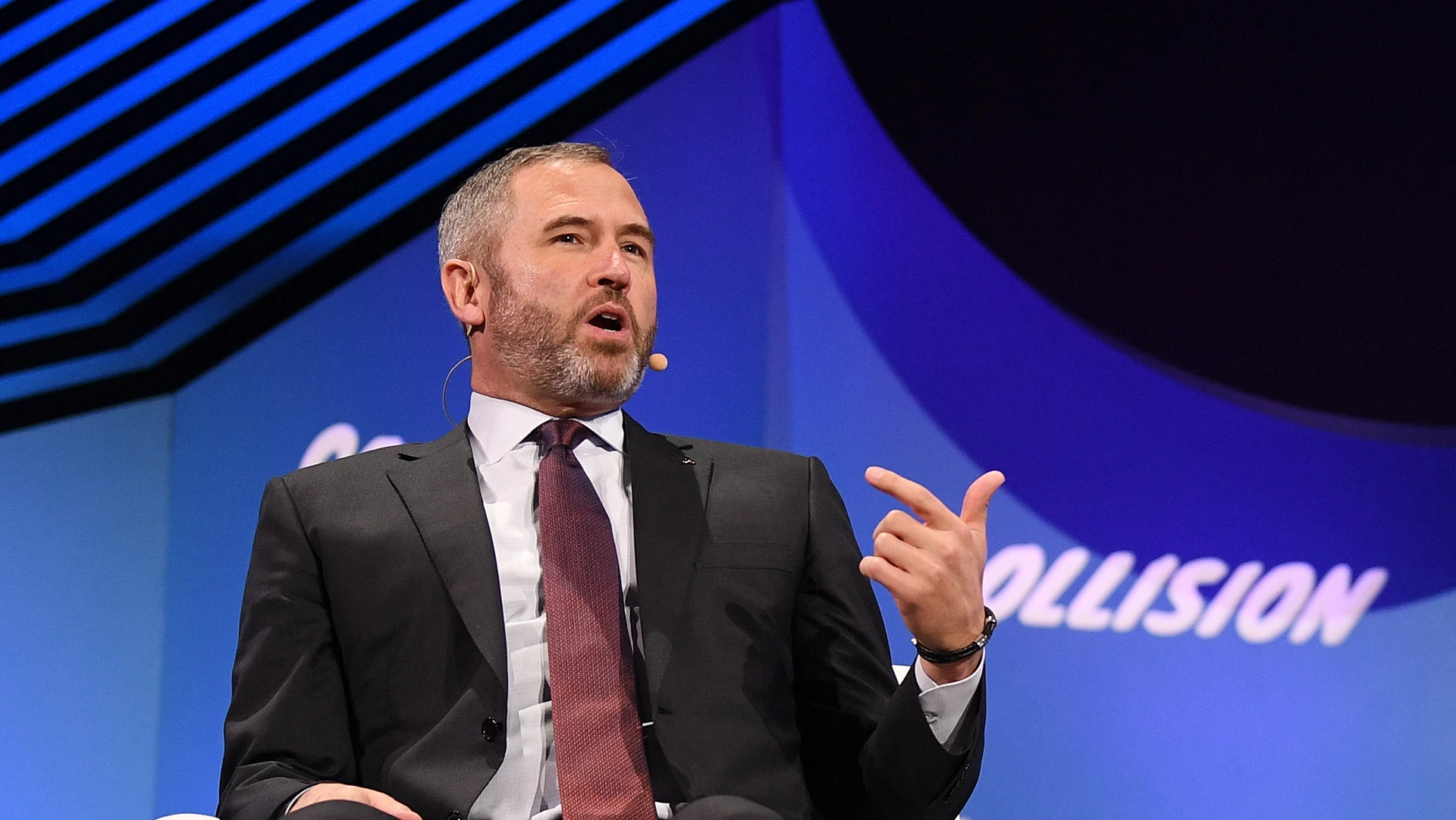
Ripple CEO cites Dutch gold move to highlight crypto settlement speed
The physical relocation of 86 tonnes of Dutch gold reserves has sparked a debate on the efficiency of global finance. Ripple CEO Brad Garlinghouse pointed to the complex logistics of the De Nederlandsche Bank operation as evidence that traditional, location-dependent value transfers are ripe for disruption by blockchain technology.

Flare Tokenomics Overhaul Drives Staking to 21.5 Billion FLR
Flare has recorded a 34% surge in staked FLR since July, pushing the total to 21.5 billion tokens. The growth follows a strategic shift in network economics designed to curb inflation, increase transaction burns, and prioritize committed capital through a revised staking weight system.

Hunter Biden to Launch LAPTOP Meme Coin Targeting Trump Token Holders
Hunter Biden is preparing to launch a new meme coin, LAPTOP, on the Base network this September 9. The project explicitly targets investors who suffered losses on Donald Trump’s TRUMP token, offering them a potential recovery path through a series of planned airdrops as part of a 1 billion-token supply launch.
Strive signals further Bitcoin accumulation as ASST hits yearly high
A cryptic social media post from Strive CEO Matt Cole has sparked speculation that the Dallas-based firm is preparing to expand its Bitcoin treasury. Historically, such updates from the chairman have preceded official filings confirming new acquisitions, as the company aggressively pursues a larger stake in the cryptocurrency market.

Solana readies Transaction v1 to triple data capacity
Solana developers are eyeing a September 9 mainnet activation for the new Transaction v1 format, a technical shift designed to expand the maximum serialized transaction size from 1,232 bytes to 4,096 bytes. This update aims to simplify complex on-chain operations by allowing more data and instructions within a single atomic transaction.
Ethereum's 2027 Hegotá upgrade to introduce native account abstraction
Ethereum developers have officially scheduled EIP-8141, known as Frame Transactions, for the network’s 2027 Hegotá upgrade. The proposal aims to decouple transaction authorization from fee payment, potentially allowing users to conduct activity on the blockchain using stablecoins or other tokens without needing to hold native ETH for gas.

Irish Crime Gangs Move Crypto Assets to Rented Vaults
Organized crime groups in Ireland are increasingly securing cryptocurrency private keys and seed phrases within private rented vaults. By storing digital access credentials alongside physical assets like cash, watches, and passports, criminal syndicates are attempting to diversify their holdings and insulate themselves from potential seizures by law enforcement.
Malone Lam set to plead guilty in $240 million Bitcoin theft
Malone Lam, the 22-year-old Singaporean accused of orchestrating the theft of 4,100 Bitcoin from a Washington resident, is scheduled to enter a plea agreement on Tuesday. His admission will mark the 11th conviction in a sprawling social engineering case that saw millions laundered through luxury jets, mansions, and nightclubs.

UK Financial Regulator Weighs Easing Prediction Market Ban
The Financial Conduct Authority has entered discussions with trading platforms regarding the potential reopening of financial prediction markets to retail investors. While the regulator is reviewing its current stance, it maintains a strict 2019 ban on binary options, leaving British consumers currently barred from these speculative financial contracts.
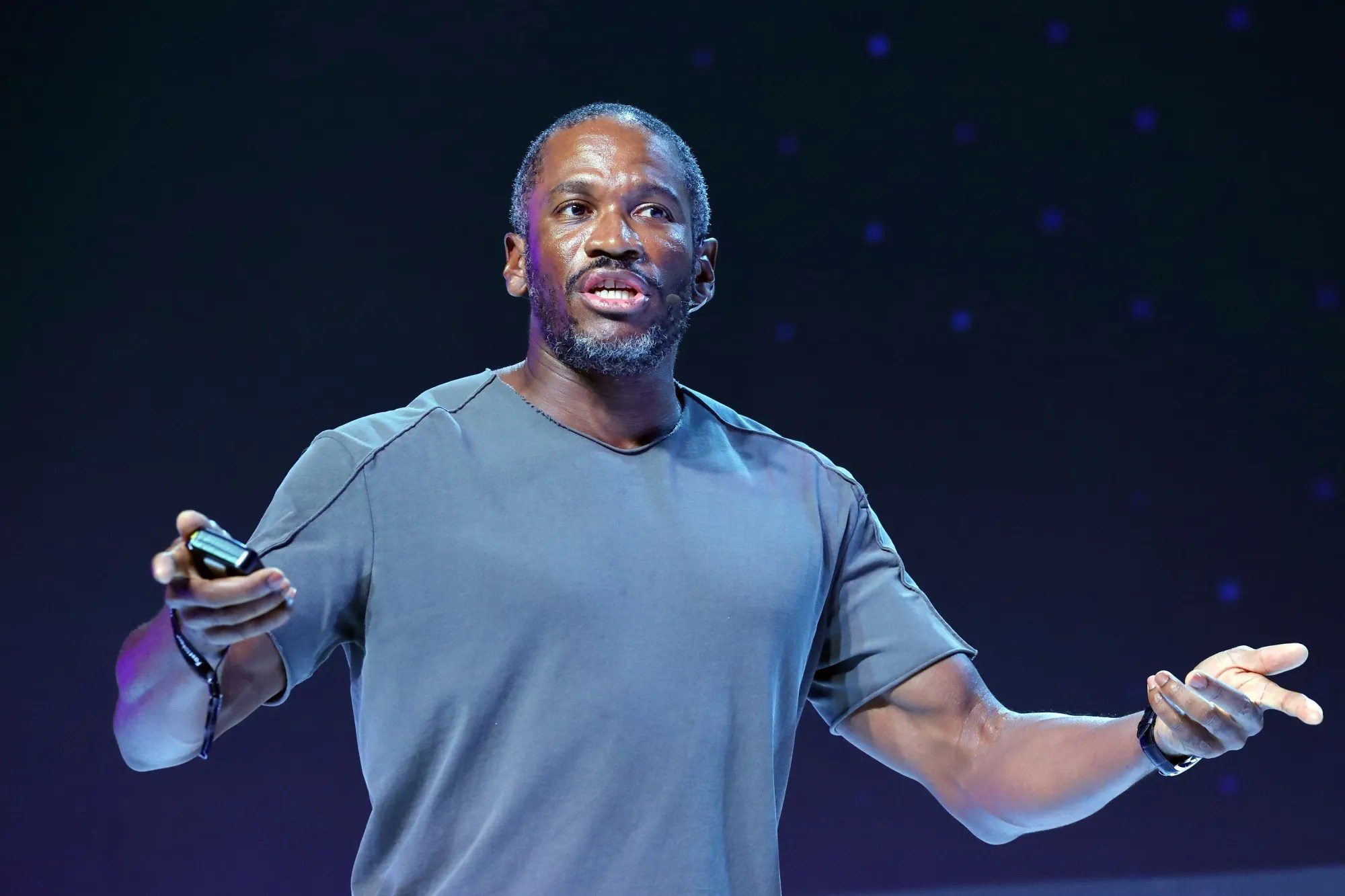
Arthur Hayes Details Tokenomics for AI-Focused FLOP Network
BitMEX co-founder Arthur Hayes has published technical specifications for the FLOP Network, a blockchain designed to facilitate autonomous AI agent payments. The protocol introduces a proof-of-useful-inference consensus mechanism, where miners earn rewards by performing computational tasks for AI agents rather than traditional network security operations.

Shiba Inu gains Japan exchange foothold, but ETF remains speculation
While Shiba Inu has secured a spot on the Japan Virtual and Crypto Assets Exchange Association’s Green List, the path to a Japanese SHIB exchange-traded fund remains blocked. Despite recent legislative shifts, no regulator or financial institution has filed for or approved a crypto-backed product for the asset.

Citi and DBS Execute Cross-Border Tokenized Payment via Swift Ledger
Citi and DBS successfully moved tokenized U.S. dollars between Singapore and New York on Sept. 5, completing the transfer in minutes. The weekend transaction utilized Swift’s blockchain-based ledger to coordinate bank-issued deposits, bypassing the traditional two-day wait time typically required for international settlements between global financial institutions.

Philippines Central Bank Proposes Year-Long Freeze on Payment Licenses
The Bangko Sentral ng Pilipinas has moved to pause all new payment system operator registrations for 12 months, citing the need for a comprehensive overhaul of its licensing framework. The proposed suspension aims to tighten oversight while forcing closer scrutiny of payment arrangements involving virtual asset service providers.