Cryptocurrency

Raghuram Rajan Joins Ripple Swell 2026 Speaker Lineup
Former Reserve Bank of India Governor Raghuram Rajan will open Ripple’s annual Swell conference this October in New York. His participation at the invitation-only Institutional Summit marks a high-profile addition to the event, which this year merges traditional financial discussions with technical sessions from the XRPL Apex developer program.

CZ bets on crypto winter investments to drive future gains
Binance founder Changpeng Zhao claims that capital deployed by YZi Labs during the recent market downturn will likely yield the firm’s strongest long-term returns. While the prediction relies on the logic of buying at lower valuations, the private nature of these assets leaves the actual performance metrics entirely unverified.

Router Protocol to Shut Down Operations and Burn 303M ROUTE Tokens
After four years of developing cross-chain infrastructure, Router Protocol announced it will cease all operations by September 30, 2026. The team plans to permanently burn 303,333,198 ROUTE tokens from its treasury, a move that triggered a 50% price drop and sent the asset to a new all-time low.

Vesu Lending Protocol Loses $3M in Oracle-Driven Liquidation Flash
A two-minute failure in the Pragma price feed on September 4 triggered the forced liquidation of 47 positions on the Starknet-based lending protocol Vesu. The error caused $3 million in collateral to be stripped from users before the oracle source corrected itself, prompting an urgent recovery effort by the protocol.

Long-Dormant Bitcoin Movements Signal Shift Among Oldest Holders
Investors who held Bitcoin for more than five years have doubled their spending activity since May, pushing the 90-day moving average of spent outputs to 1,500 BTC. While this surge in onchain movement coincides with a period of price consolidation, analysts warn that these transactions do not necessarily indicate selling.

Robinhood Chain activity driven by crypto-natives, not new users
Less than 1% of transactions on the new Robinhood Chain originate from the company's own wallet, according to an analysis by ARK Invest researcher Lorenzo Valente. The findings suggest the network is currently dominated by experienced on-chain traders rather than the brokerage's massive base of retail investors.
Crypto ETFs Net $1.2 Billion Amid Shifting Macro Sentiment
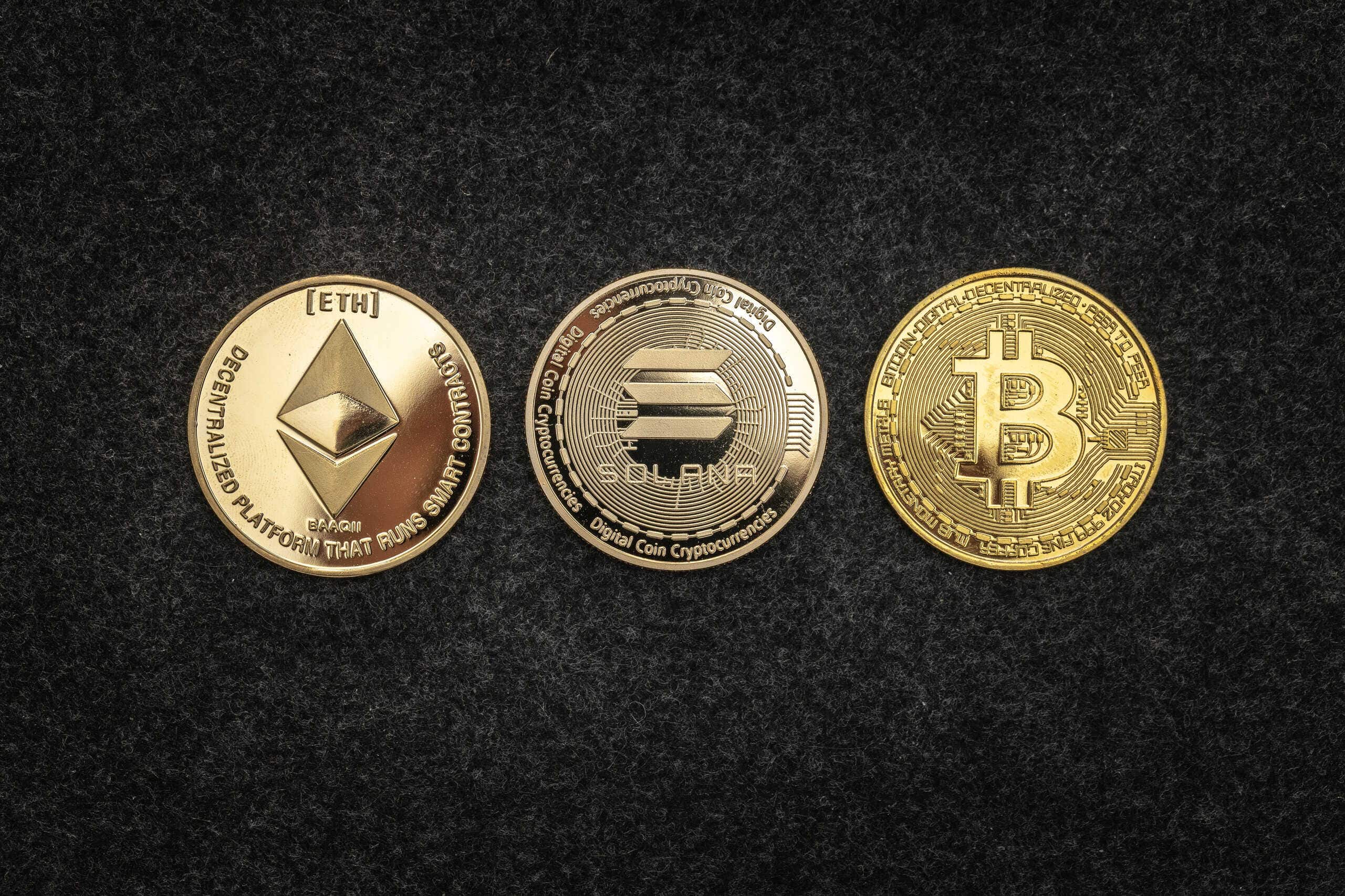
U.S. spot Bitcoin and Ethereum exchange-traded funds saw a combined $1.20 billion in net inflows for the week ending Sept. 4, signaling resilient appetite for digital assets even as broader equity markets faced significant outflows. Bitcoin products dominated the momentum, accounting for more than 80% of the total weekly intake.

Robinhood Chain Hits Record $6 Million in Daily Fees
Robinhood Chain set a new daily fee record of $6.04 million, pushing its seven-day annualized revenue projection to approximately $1.1 billion. This surge in network activity is fueled by explosive growth in memecoin trading and token launches, which have transformed the platform into a high-volume hub for speculative assets.

Poland's Crypto Regulation Stalls After Third Presidential Veto
Poland’s Sejm has failed to override President Karol Nawrocki’s third veto of a major crypto regulation bill, falling 25 votes short of the required threshold. The legislative deadlock leaves the country’s framework for digital assets in limbo while fueling a heated political confrontation between the government and the presidency.

BNB Chain Overtakes Ethereum in Weekly NFT Market Surge
NFT sales climbed 55.6% to reach $75.54 million over the past week, driven by a massive spike in activity on the BNB Chain. While transaction counts dropped by nearly 15%, the average value per individual transfer surged to $116, signaling a shift toward higher-value digital asset movement across major blockchain networks.

Crypto funding focus shifts to regulated banking infrastructure
Between August 31 and September 5, 2026, crypto and blockchain companies secured $292.35 million across 10 deals. The week was defined by a pivot toward regulated financial infrastructure, with payments and banking-related projects accounting for nearly 93% of the total capital raised by startups.

Anthropic Pushes IPO Roadshow to October Amid $2 Trillion Valuation Talk
Anthropic has shifted its IPO timeline, moving the expected release of its public prospectus to late September and scheduling its investor roadshow for mid-October. This revised calendar positions the company to potentially finalize its public listing just days before the U.S. midterm elections in November, according to sources familiar with the preparations.
Connecticut Officials Issue Warning After $200K DeFi Fraud
A Connecticut resident lost $200,000 after being lured into an unregulated DeFi exchange by a deceptive contact, prompting state authorities to issue a sharp warning against offshore platforms. The incident highlights the growing risks of decentralized finance services that operate outside U.S. regulatory oversight and lack consumer protections.

Southeast Asia Blockchain Funding Surges Despite Deal Drought
Southeast Asian blockchain firms secured $680 million in 2026, more than double the previous year’s total, even as deal volume plummeted. This paradox highlights a shift toward larger, concentrated capital injections into a handful of mature players rather than broad industry growth across the region.
Trump Demands Rate Cuts as August Jobs Surge Spooks Markets
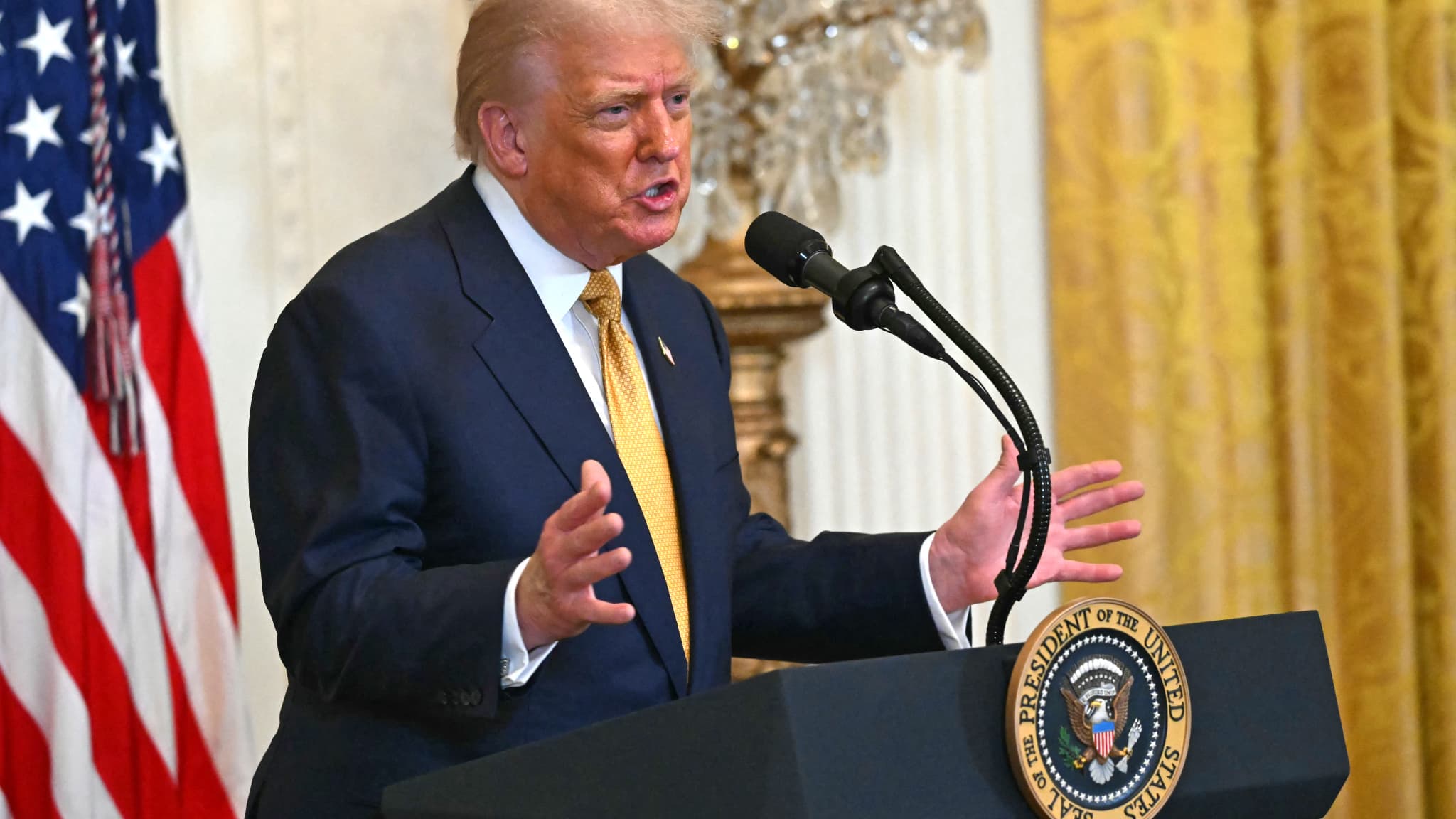
With U.S. employers adding 162,000 jobs in August—far outpacing the 56,000-job forecast—Donald Trump has intensified his pressure on the Federal Reserve to lower borrowing costs. The president’s demand, coupled with threats to restrict trade with deficit-running nations, arrived as markets braced for a potential September rate hike.

Michael Saylor asserts right to promote Bitcoin as commodity
MicroStrategy Executive Chairman Michael Saylor has declared that Americans do not require a license to publicly advocate for Bitcoin, drawing a sharp distinction between open discussion of the asset and illegal financial practices such as fraud or market manipulation.

The $30 Billion Gap: Why Most Tokenized Real-World Assets Sit Idle
While the market for tokenized real-world assets has ballooned to $34.6 billion, nearly 90% of that value remains dormant outside of decentralized finance protocols. This disconnect between issuance and active utility highlights a fundamental misunderstanding of what these assets are designed to achieve in an on-chain environment.

Robinhood and AMC Clash Over Unsanctioned Tokenized Shares
Robinhood’s legal chief has defied a demand from AMC Entertainment to halt trading of a tokenized version of its stock, transforming a corporate spat into a high-stakes stress test for how US regulators will eventually handle third-party synthetic equities that lack official issuer authorization.

DefiLlama and Forgd Launch Institutional-Grade Token Ratings
DefiLlama and token advisory platform Forgd have debuted a new rating system ranging from AAA to CCC, designed to bring institutional rigor to crypto-asset evaluation. While the system currently ranks 128 tokens based on disclosure and performance, architects warn that top-tier grades function as transparency benchmarks rather than investment guarantees.

Bank-backed stablecoin faces liquidity hurdle to challenge USDT
A consortium of 21 global financial institutions, including Bank of America and Goldman Sachs, plans to launch a dollar-pegged stablecoin by mid-2027. While the group brings unprecedented distribution power, industry experts warn that institutional backing alone cannot displace the market dominance of USDT and USDC without superior utility.
Robinhood Chain Stalls as Network Outage Halts Transactions
Robinhood Chain, the Ethereum layer-2 network, ground to a halt on September 4, failing to produce blocks for over 14 minutes. The disruption left token transfers and smart contract interactions in limbo, as the sequencer responsible for ordering transactions stopped functioning, forcing a temporary freeze in on-chain activity.

Sheriffs’ Association shifts to neutral on CLARITY Act ahead of Senate vote
The National Sheriffs’ Association has dropped its vocal opposition to the CLARITY Act just 12 days before a critical Senate procedural vote. By shifting to a neutral stance, the group removes a major hurdle for the legislation, which requires 60 votes to advance past a cloture motion on September 15.
Pendle Launches Yield-Trading Market on Robinhood Chain
Yield-trading protocol Pendle has officially entered the Robinhood Chain ecosystem, marking its expansion with the launch of an sNET market. This integration allows users to split their holdings into principal and yield components, providing a new layer of decentralized finance functionality on the recently launched Ethereum Layer 2 network.

Polygon co-founder Sandeep Nailwal initiates crypto-to-fiat Nepal relief
Sandeep Nailwal has launched a stablecoin donation channel to support Nepal’s official Prime Minister’s Disaster Relief Fund, following a catastrophic glacier collapse in the Himalayas. The initiative, bolstered by a $100,000 pledge from Blockchain for Impact, bridges the gap between digital assets and traditional government-sanctioned financial aid.
FinCEN links $12.7 billion to Southeast Asian crypto scam hubs
The U.S. Treasury’s Financial Crimes Enforcement Network has traced $12.7 billion in suspicious transactions to sophisticated digital asset investment scams. Based on nearly 34,000 reports filed over two years, the data reveals a sprawling criminal infrastructure operating primarily from industrial-scale compounds in Cambodia, Laos, and Burma.

South Korea Sets 2027 Deadline for Tokenized Securities Market
South Korea will launch a three-stage roadmap to integrate stocks, bonds, and funds onto blockchain infrastructure starting February 2027. The Financial Services Commission plans to transition capital markets to distributed ledgers, eventually incorporating stablecoin-based settlement to modernize how traditional financial assets are issued and traded.

Binance Updates Monitoring List and Alpha Recommendations
Four digital assets—AVA, GNS, SCR, and TOWNS—now carry Binance’s Monitoring Tag, signaling increased oversight for projects facing volatility or liquidity concerns. Simultaneously, the exchange trimmed its Alpha discovery list, removing 14 early-stage tokens from the platform's curated recommendations for users of the Binance Wallet.
Bitcoin ETFs surge with $731 million inflow
U.S. spot Bitcoin ETFs recorded $730.9 million in net inflows on September 3, marking their most aggressive trading session since mid-January. The surge, dominated by BlackRock’s iShares Bitcoin Trust, signals a sharp reversal after investors pulled $236 million from the funds just two days prior.
Dormant Bitcoin Wallet Linked to $293B Lawsuit Moves $3.1M
A Bitcoin address dormant since 2011 transferred 40 BTC on September 3, surfacing in a high-stakes New York legal battle. The wallet, identified as Noah Doe #38097, is one of 39,069 addresses currently subject to a $293 billion ownership claim that hinges on the classification of abandoned digital assets.
Binance Maintains EU Presence via Regulatory Loopholes
More than two months after the July 1 deadline for the European Union’s Markets in Crypto-Assets (MiCA) regulation, Binance continues to onboard and serve European customers. The exchange is leveraging reverse solicitation provisions and routing trades through offshore entities while it navigates a stalled path toward formal authorization.