All news

BitGo Launches Centralized Control Layer for Institutional Crypto Assets
Institutional trading and treasury teams can now manage capital across disparate platforms through a single interface, as BitGo Holdings officially launched BitGo Link on August 3. The new product aims to eliminate the friction of navigating multiple exchange accounts by consolidating custody, reporting, and transfer controls into one dashboard.

HSBC Profits Surge as Wealth Division Drives Asia Growth
HSBC posted a 23 per cent jump in pre-tax profit to $19.5 billion for the first half of 2026, bolstered by a significant influx of new wealth management assets in Asia. The banking group reported total revenues of $37.7 billion, an 11 per cent increase fueled by heightened customer activity and fee income.
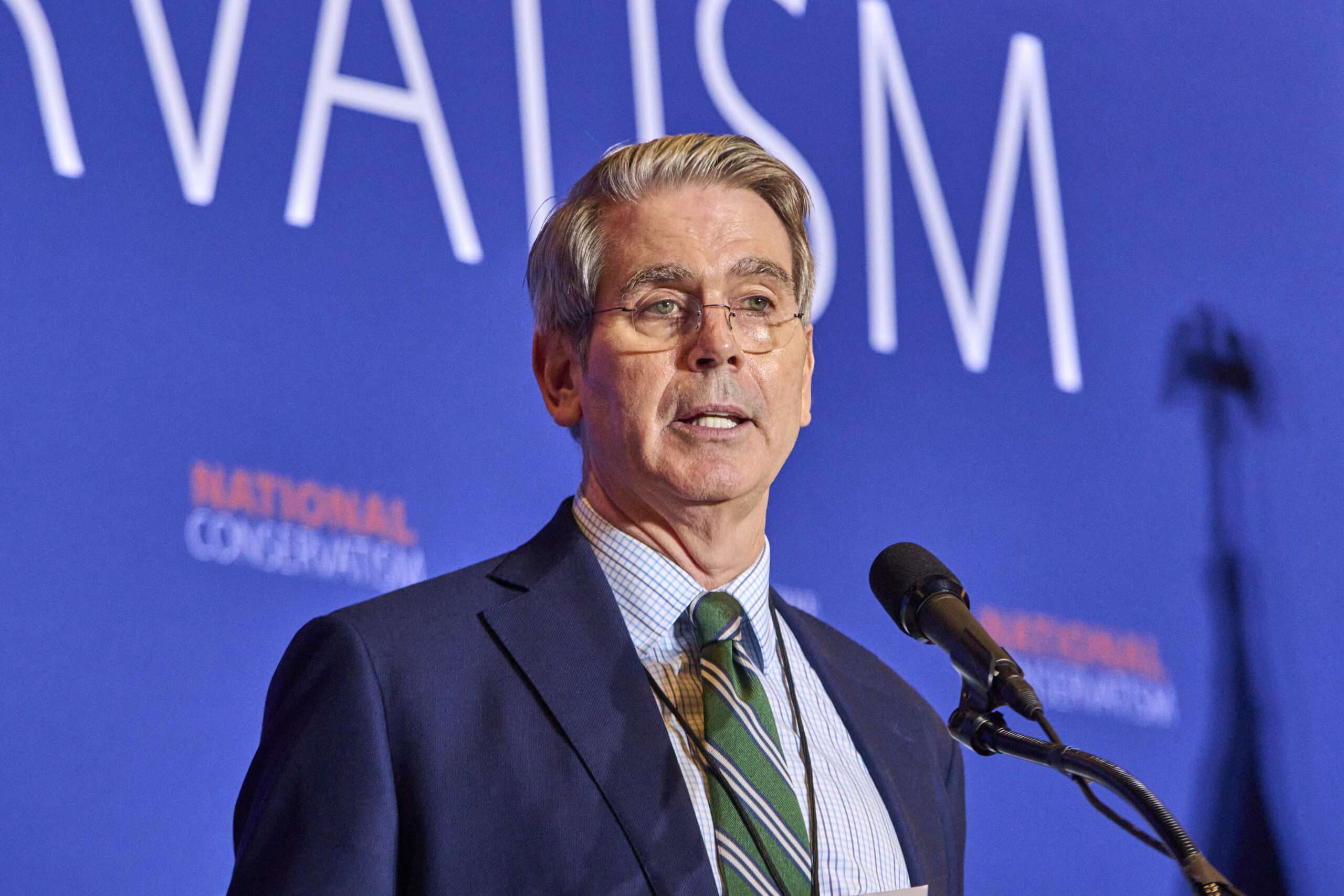
Treasury loses lead crypto adviser as CLARITY Act stalls in Senate
Tyler Williams, a senior digital asset adviser to Treasury Secretary Scott Bessent, exited the department on July 31. His departure comes at a precarious moment for the CLARITY Act, as Senate leaders prioritize government funding legislation over the administration’s flagship proposal to establish a federal framework for crypto markets.
:format(jpg)/f.elconfidencial.com%2Foriginal%2Ffd3%2F1a9%2F642%2Ffd31a96421e01a4b561b3b3002920fad.jpg)
Lombard Odier Taps Former UBS Executive to Lead Turkish Expansion
Lombard Odier has appointed Tuncay Yilmaz as market head of Turkey to accelerate its wealth management presence in the region. Yilmaz, who joins from a 12-year tenure at UBS, will oversee operations from Geneva, reporting to head of New Markets Ali Janoudi effective August 3.

Firenze Expands Lombard Lending Access Through AJ Bell Partnership
UK investment platform AJ Bell has integrated Firenze’s asset-backed lending services, enabling financial advisors to offer clients liquidity against their portfolios without the necessity of liquidating assets or maintaining accounts at private banks. This move marks a significant shift in how Lombard lending reaches the broader investor market.

Souvik Sen Tapped to Lead Ocorian Private Client Growth in Dubai
Operating from the Dubai International Financial Centre, Souvik Sen has been appointed commercial director for Ocorian’s private client division in the Middle East. Tasked with driving regional expansion, Sen brings extensive experience in capital raising and high-net-worth wealth management to the global financial services firm.

Liechtenstein Beneficial Ownership Register Targeted in Cyber Attack
Copies of data regarding 31,000 legal entities were exfiltrated during a cyber attack on Liechtenstein’s Register of Beneficial Owners. The government has taken the system offline to assess the breach, though officials report no evidence that registry records were modified or deleted during the unauthorized access.

Boltz suspends swap operations following persistent AI-driven attacks
The noncustodial Bitcoin swap provider Boltz halted all services indefinitely on August 3, citing an escalating wave of automated, AI-assisted security breaches. The firm claims attackers are currently refining their methods faster than its development team can deploy defensive patches, forcing a complete shutdown of its infrastructure.

NEAR Protocol Eyes Sovereign Fund to Curb Inflation
NEAR Protocol co-founder Illia Polosukhin has proposed establishing a sovereign treasury backed by 30 million tokens, valued at approximately $57 million. The initiative aims to shift the network away from simple token burns, instead leveraging protocol revenue to generate yields that fund public goods and network security.

POAP Shuts Down After Five Years of Digital Badge Issuance
After five years of documenting digital history through blockchain-based attendance badges, Proof of Attendance Protocol (POAP) is ceasing operations. Co-founder Isabel Gonzalez confirmed the wind-down on August 3, citing an inability to build a sustainable business model without compromising the project’s original ethos and community-driven mission.

Kalshi CEO invokes Nasdaq defense in $36B New York legal battle
New York state is seeking at least $36 billion in damages and penalties from prediction market operator Kalshi, alleging the firm functions as an unlicensed gambling platform. In response, CEO Tarek Mansour has moved the case to federal court, framing the company’s operations as a financial exchange akin to Nasdaq.

Blockchain Association pushes back against sheriffs over CLARITY Act
Conflict persists over the CLARITY Act as the Blockchain Association challenges claims from the National Sheriffs’ Association that the bill creates dangerous loopholes for digital asset criminals. The industry group argues that the proposed legislation successfully balances developer protections with necessary oversight of financial intermediaries.
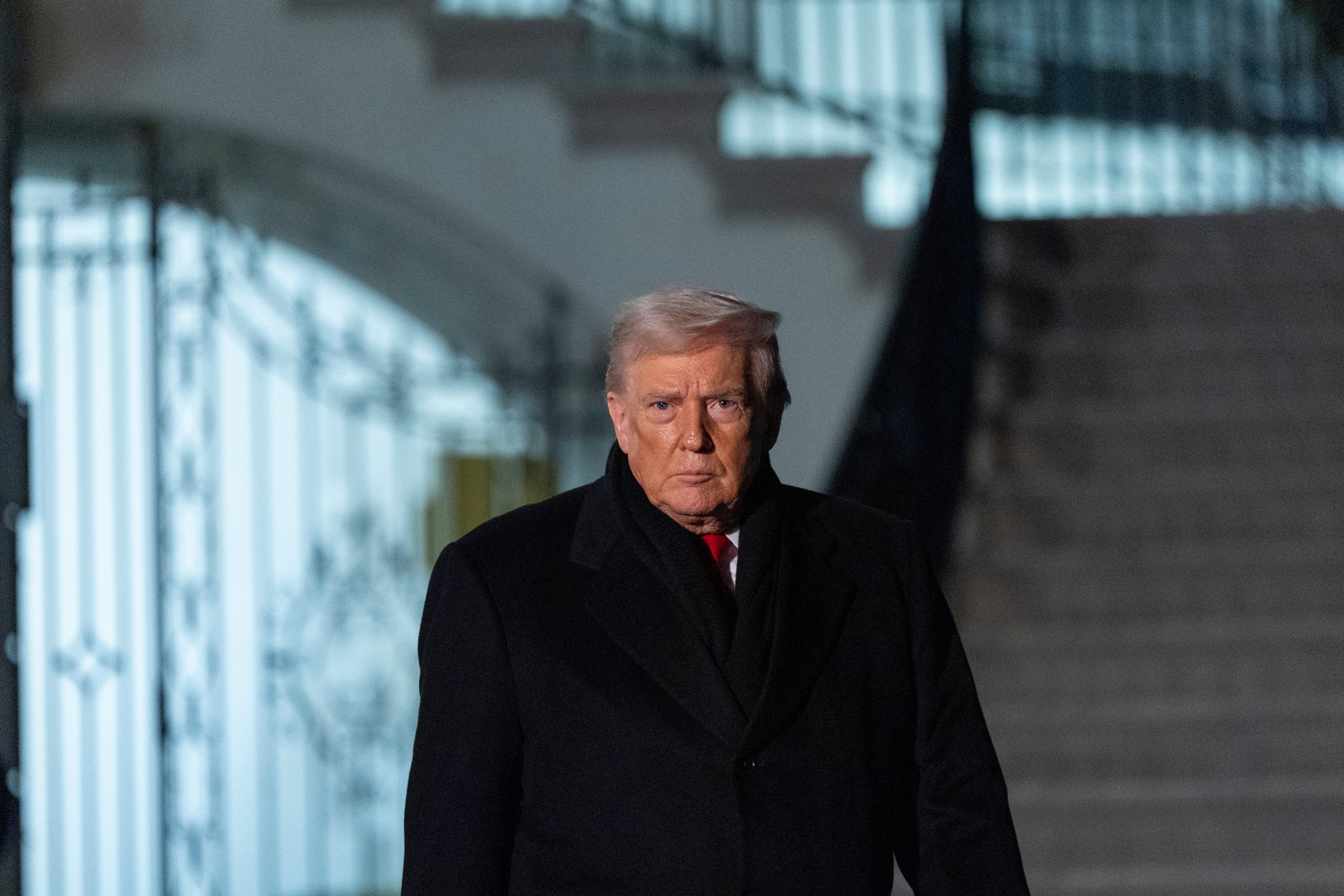
Trump Floats US Takeover of Gaza Following Mass Displacement
U.S. President Donald Trump declared Tuesday that the United States intends to take control of the Gaza Strip, framing the plan as a redevelopment project that requires the removal of the enclave's entire Palestinian population. The proposal has drawn immediate condemnation, with critics labeling the rhetoric an explicit endorsement of ethnic cleansing.

Israeli Soldiers Reportedly Using Palestinians as Human Shields in Gaza
Israeli forces have systematically employed Palestinian civilians as human shields during the 19-month war in Gaza, according to accounts from soldiers and victims. The practice, which violates international humanitarian law, involves using detainees to clear booby-trapped buildings and scout locations before military units advance.

Netanyahu Faces Accusations of Genocidal Intent Over Biblical Reference
Human rights defenders are condemning Prime Minister Benjamin Netanyahu after he invoked the biblical story of Amalek to describe Israel’s military campaign in Gaza. By framing the invasion as a “holy mission” to destroy an ancient enemy, critics argue the leader has signaled a clear intent to commit genocide.

Human Rights Watch: Israel Ignoring ICJ Order to Allow Aid into Gaza
One month after the International Court of Justice ordered Israel to prevent acts of genocide and facilitate aid to Gaza, humanitarian access has plummeted. Human Rights Watch reported Monday that the daily average of aid trucks entering the enclave dropped by more than a third following the court's binding interim ruling.

ICJ Rules Genocide Case Against Israel Plausible
The International Court of Justice declared South Africa's genocide case against Israel plausible on Friday, ordering the Israeli government to take immediate action to prevent violations of the Genocide Convention. While the court stopped short of mandating a cease-fire, it signaled a major legal escalation in the Gaza conflict.

Israel Linked to Two-Thirds of Journalist Deaths in 2025
A record 129 journalists were killed globally in 2025, with Israel responsible for two-thirds of those deaths. According to a report by the Committee to Protect Journalists, the Israeli military has now killed more reporters than any other government since the organization began tracking such casualties in 1992.
Inside the Netzarim Corridor: IDF Soldiers Describe Gaza 'Kill Zones'
Israeli soldiers and commanders have provided harrowing accounts of designated 'kill zones' within the Netzarim Corridor, where standing orders mandate shooting anyone who enters. These testimonies from within the Israel Defense Forces reveal a systematic policy of targeting civilians, contradicting official claims that military operations are strictly confined to combatants.

Report: Israeli forces systematically clearing rubble to erase war crimes
Israeli soldiers and civilian contractors are systematically removing tons of debris from the Gaza Strip, a process human rights advocates warn is destroying critical evidence of genocide. This operation appears to directly defy World Court orders requiring the preservation of proof related to alleged war crimes in the territory.

Mass Grave Discovered at Nasser Hospital in Khan Younis
Palestinian civil defense teams recovered hundreds of bodies from a mass grave discovered within the Nasser Medical Complex in Khan Younis this weekend. Rescue workers reported finding at least 200 corpses as of Sunday, with officials estimating that hundreds more remain buried at the site following the Israeli military withdrawal.

FBI Agent Accused of Stealing $1M in Crypto and Consulting ChatGPT
A former FBI supervisory special agent faces charges of stealing $1 million in cryptocurrency, allegedly using the funds for personal gain while turning to ChatGPT to plan his flight to Portugal. Patrick Yaroch, once a key figure in counterintelligence, now finds himself on the other side of federal law enforcement.

FalconX slashes 10% of global staff amid market contraction
Institutional prime broker FalconX has cut approximately 35 jobs, representing 10% of its global workforce, as the firm pivots its strategy to weather a prolonged cryptocurrency downturn. The restructuring coincides with a significant shift in the company’s Asian operations and a sharpened focus on European expansion.
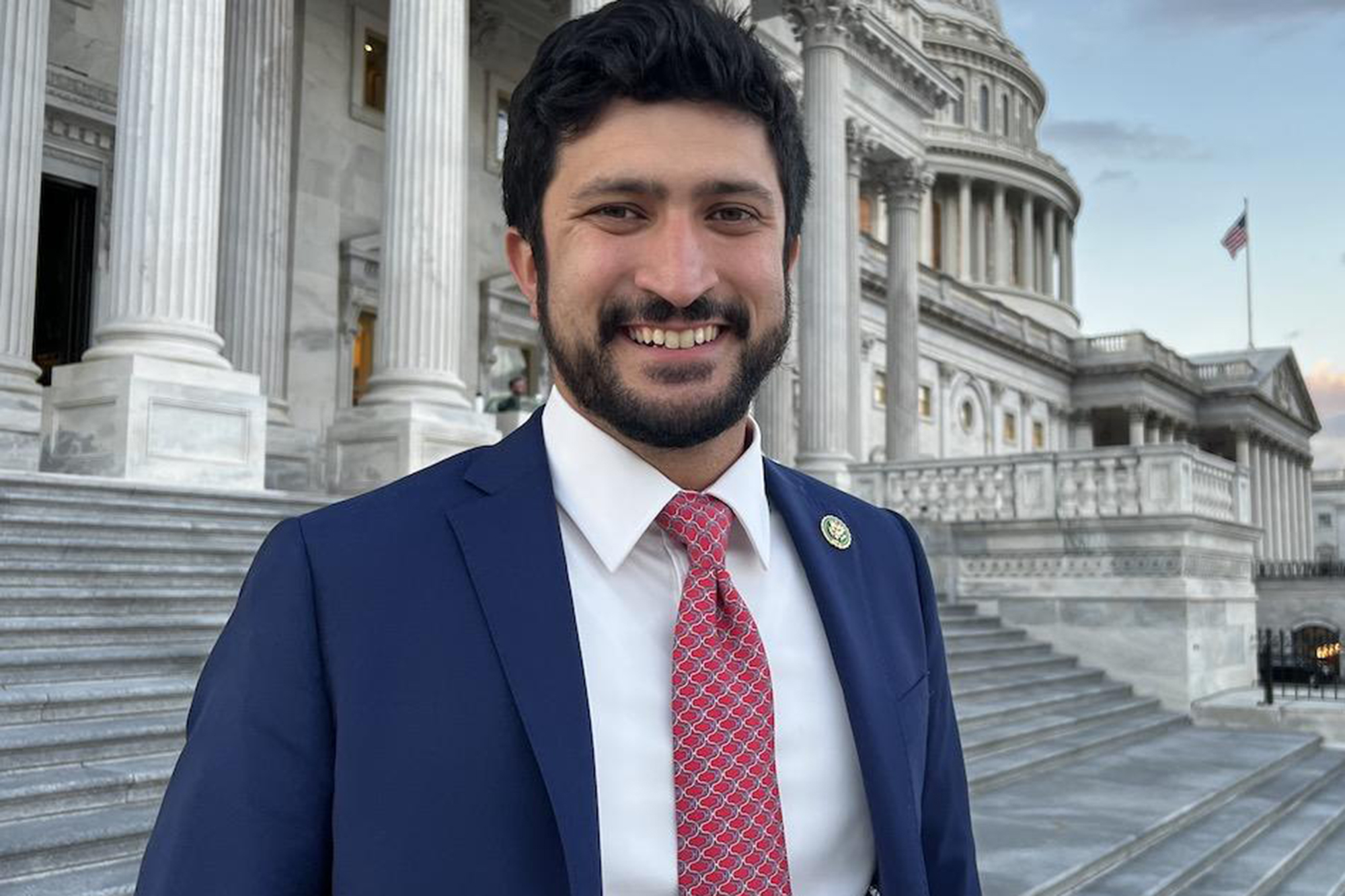
Progressives Demand Tariff Refunds Reach Consumers, Not Corporations
Congressional Progressive Caucus Chair Greg Casar argued Monday that the federal government must direct billions in tariff refunds to households instead of corporate giants. As the Supreme Court strikes down illegal trade levies, corporations like Apple and Amazon are pocketing massive windfalls while consumers continue to pay elevated prices.

Mastercard Finalizes $1.8 Billion Acquisition of Stablecoin Firm BVNK
Mastercard has officially integrated BVNK into its global network, finalizing an acquisition valued at up to $1.8 billion. The move grants the payments giant direct control over infrastructure designed to bridge the divide between traditional fiat banking systems and the burgeoning world of blockchain-based stablecoin assets.
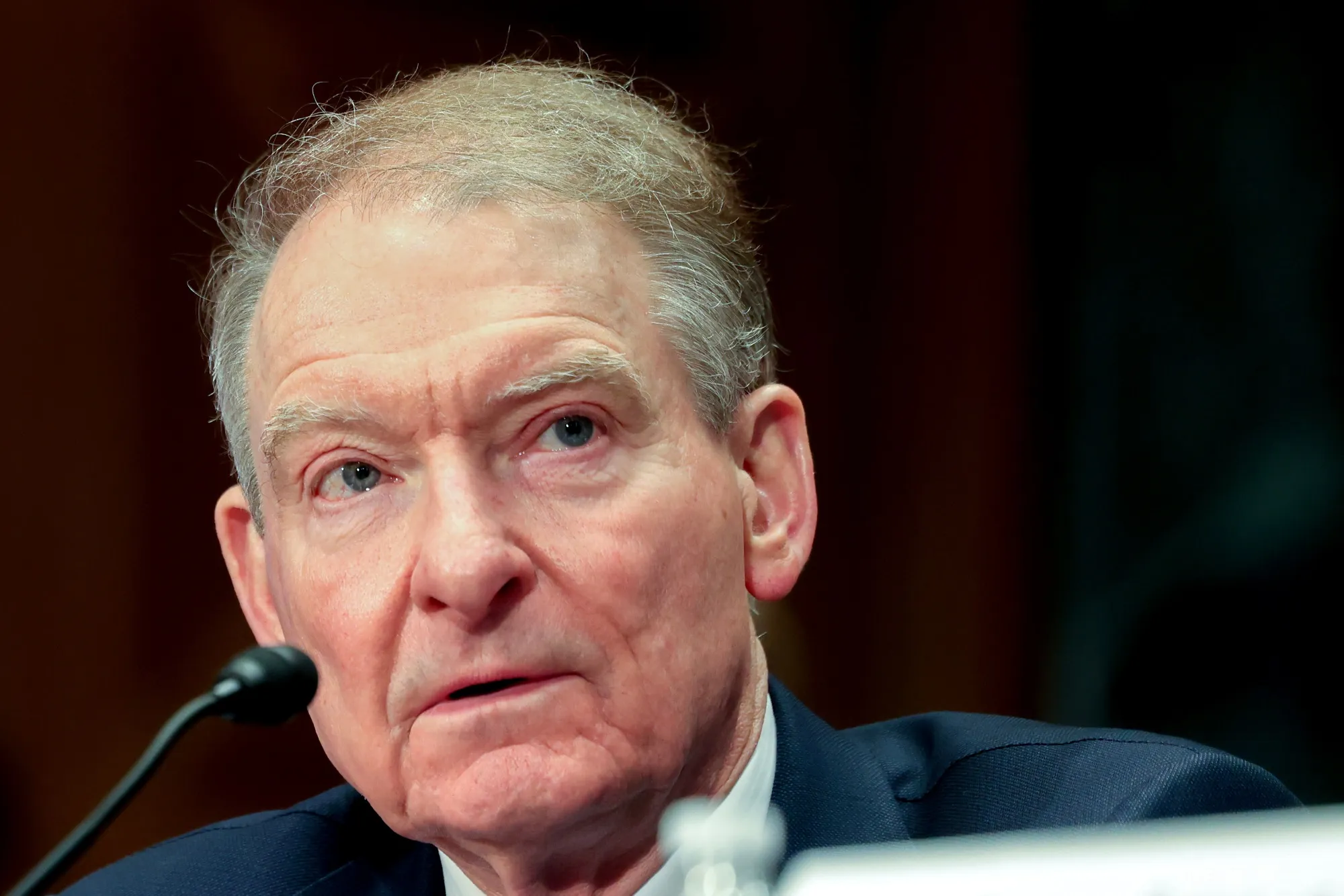
Advocates Challenge SEC Move to Roll Back Climate Disclosure Rules
Consumer and environmental groups are pushing the Securities and Exchange Commission to abandon its proposal to scrap mandatory climate risk disclosures. The campaign targets the agency’s recent pivot under Chair Paul Atkins, who characterizes the 2024 regulations as an overreach that imposes unsound policy on the American financial sector.
Trump Presses Exxon and Chevron to Cut Prices Amid Record Earnings
“They’re making too much money based on a shortage,” President Trump said Monday, publicly rebuking ExxonMobil and Chevron. The oil giants reported a combined $26.5 billion in second-quarter profits, a surge fueled by supply volatility in the Strait of Hormuz and the ongoing conflict with Iran.
Trump Draft Order Targets State AI Laws to Shield Tech Giants
The Trump administration is preparing a draft executive order that would force the Department of Justice to dismantle state-level artificial intelligence regulations. Critics characterize the move as a blatant effort to prioritize the interests of tech corporations over the democratic authority of states to protect their own citizens.

Workers See AI as a Tool for Inequality Rather Than Efficiency
While tech executives promise artificial intelligence will streamline workdays and boost happiness, a new survey reveals that employees are bracing for instability. Most American workers reject the narrative that the technology will automate tedious tasks, instead anticipating deeper workplace inequality and increased pressure from management.
CLARITY Act Stalls as White House Ethics Silence Deepens
With the Senate nearing its recess and no cloture motion filed, the CLARITY Act’s path to law has hit a wall. Legislative momentum evaporated after the White House failed to respond to a bipartisan ethics compromise, causing betting markets to slash the bill’s 2026 passage probability to just 27%.