All news

The Brutal Math Behind Every Meme Coin
While social media narratives frame meme coins as unpredictable cultural phenomena, their life cycle is dictated by cold, mechanical arithmetic. On platforms like Pump.fun, a specific pricing formula known as a bonding curve ensures that the vast majority of tokens never reach a public exchange, creating a structural transfer of wealth from latecomers to early insiders.

Warren: Trump’s DC National Guard Presence to Cost $1.4 Billion
The continued deployment of the National Guard in Washington, DC, is expected to drain an additional $1.4 billion from taxpayers through the end of President Donald Trump’s term in January 2029. The figure comes from projections provided to Senator Elizabeth Warren by the administration's own defense comptroller nominee.

BNY Integrates Galaxy Infrastructure for Institutional Crypto Staking
BNY is integrating Galaxy’s staking infrastructure into its digital asset custody platform, a move designed to streamline how institutional clients manage proof-of-stake assets. By merging safekeeping with staking workflows, the bank aims to reduce the operational friction typically associated with maintaining separate service providers for digital portfolios.

SpaceX Earnings Test Investor Patience Amid AI Pivot
As SpaceX prepares to publish its first quarterly earnings as a public company, investors are looking past an anticipated $1.9 billion loss to gauge the firm’s long-term viability. The results, arriving after a 50% stock plunge from its IPO peak, will hinge on whether Starlink revenue can bankroll the company’s high-stakes AI infrastructure.

Wells Fargo to Launch Blockchain-Based Tokenized Deposits
Wells Fargo will introduce tokenized deposits this fall, offering corporate clients the ability to settle funds across borders outside of traditional banking hours. The pilot program, initially supporting transactions between U.S. dollars and British pounds, signals a shift toward 24/7 programmable payments within a regulated, blockchain-based framework.
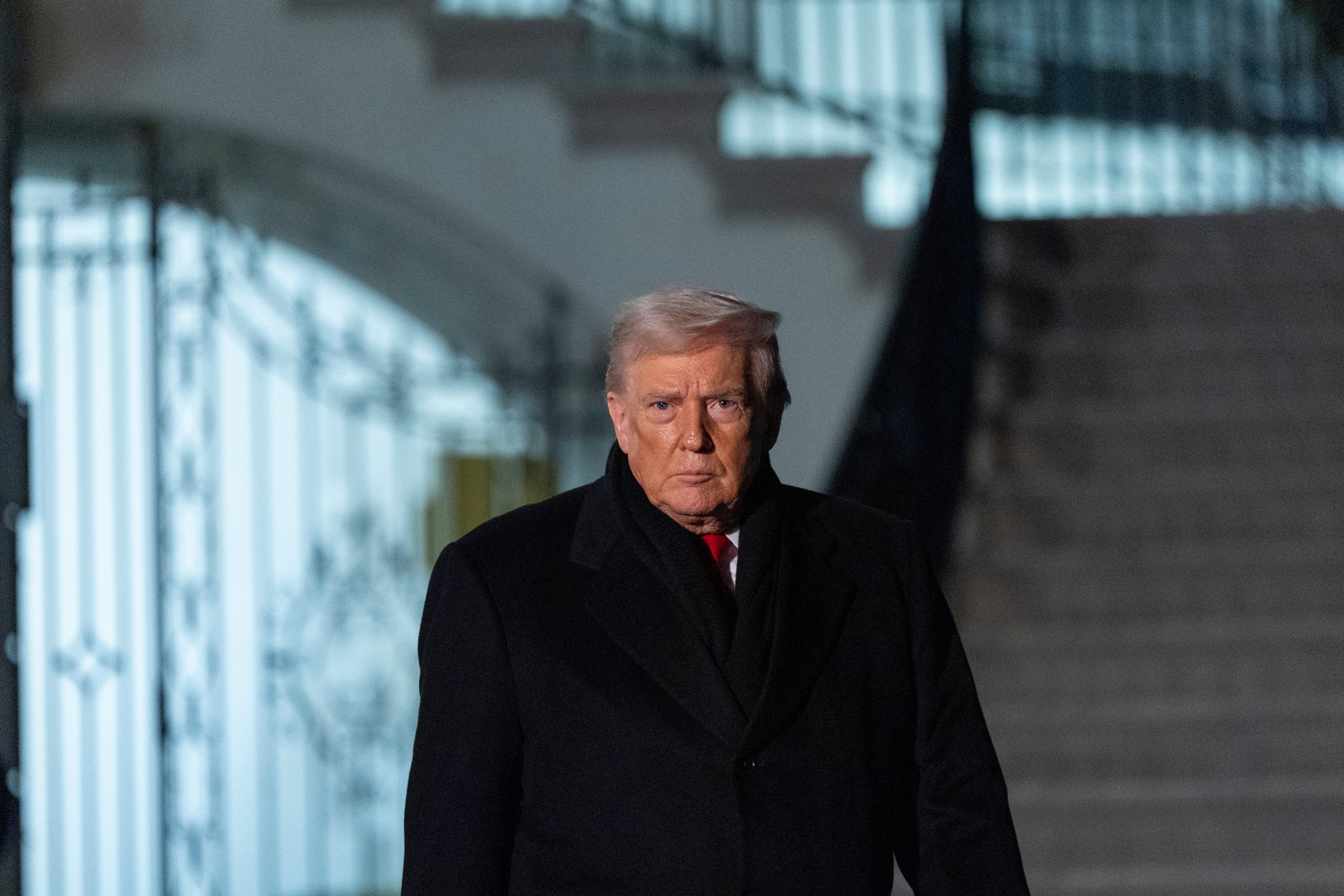
Campaigners Challenge Trump to Back Windfall Tax on Oil Giants
After Donald Trump criticized oil majors for capturing excessive profits during the ongoing conflict with Iran, climate activists are pushing the president to move beyond rhetoric. They argue that if the White House truly believes companies like ExxonMobil and Chevron are overcharging, it must support legislation to tax those windfall gains.
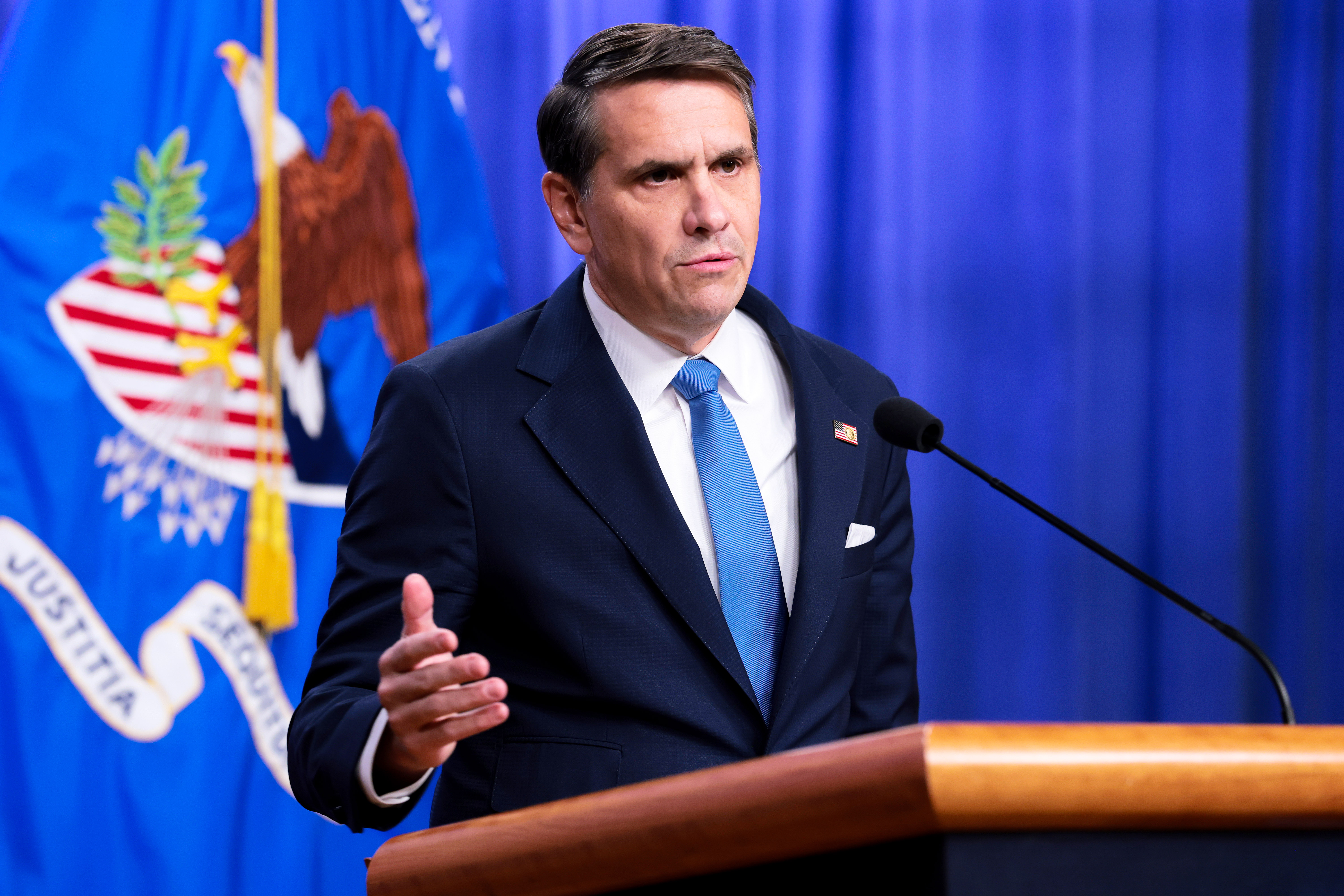
Senate Democrats and Watchdogs Mount Last-Ditch Effort to Block Blanche
With the Senate Judiciary Committee voting along party lines to advance Todd Blanche’s nomination, a coalition of Democrats and advocacy groups is now pressuring the full chamber to reject the acting attorney general, citing his history as Donald Trump’s personal lawyer and concerns over his commitment to institutional independence.

Ethereum Researchers Propose Capping Staking Rewards
A new draft proposal, EIP-8361, aims to phase out Ethereum validator rewards once 50% of the total circulating supply is staked. By introducing a 'Tapered Issuance Burn,' the mechanism seeks to prevent excessive dilution of the network's native token while curbing perpetual incentives for further staking deposits.
CBS Edits 60 Minutes Interview to Shield Trump from Corruption Questions
CBS News has come under fire for heavily editing an online version of a 60 Minutes interview, stripping out a tense exchange where anchor Norah O'Donnell pressed President Donald Trump on potential corruption regarding his family's massive cryptocurrency profits and his recent pardon of Binance founder Changpeng Zhao.

Gaza Buries 112 Victims of 2023 Sabra Neighborhood Airstrike
Mourners gathered in Gaza City on Tuesday to bury 112 Palestinians, including 40 children, whose remains were recovered from the ruins of a residential block destroyed by an Israeli airstrike in November 2023. The service highlighted the ongoing struggle to account for the hundreds still missing beneath the territory's rubble.
Epstein Files Law Faces Scrutiny Over National Security Loopholes
President Donald Trump signed the Epstein Files Transparency Act into law this Wednesday, mandating the release of FBI records on the late sex trafficker. Despite the bill’s intent, critics argue that broad redaction powers granted to the Department of Justice could effectively shield the powerful from public accountability.
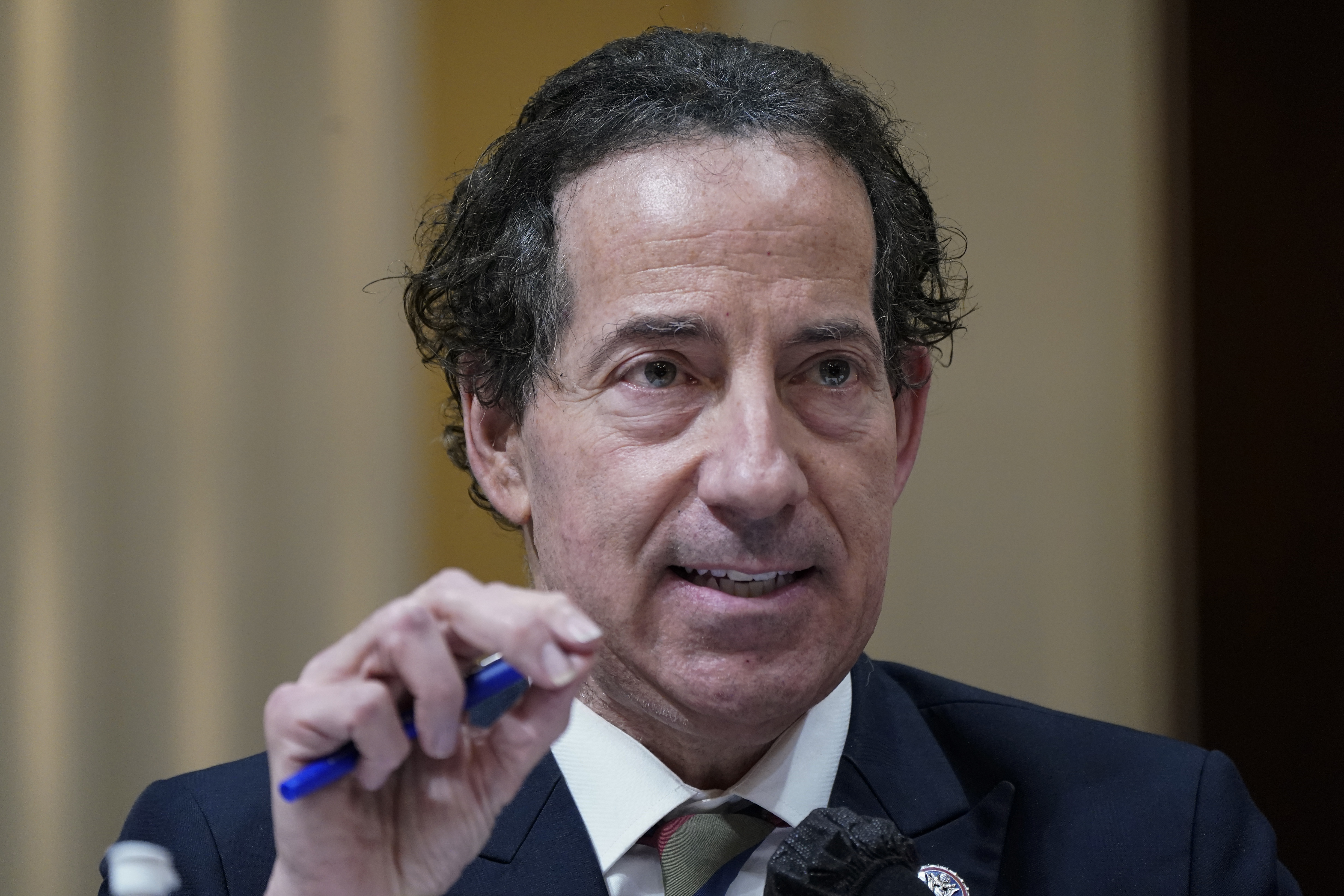
Raskin Demands Answers on $1.5 Billion in Epstein-Linked Transactions
Representative Jamie Raskin has issued formal demands to the CEOs of four major financial institutions, seeking records regarding over $1.5 billion in suspicious transactions tied to Jeffrey Epstein’s sex trafficking operation. The move follows claims that federal investigators have failed to adequately track the illicit funds.
House Democrats Launch Probe Into Withheld Epstein Files
House Oversight Committee Democrats are opening a parallel investigation into the Department of Justice, alleging the agency is illegally withholding sensitive FBI interviews that implicate President Donald Trump in the sexual assault of a minor decades ago, in direct defiance of the Epstein Files Transparency Act.

Senate Report Details How Wall Street Banks Shielded Jeffrey Epstein
A yearslong Senate investigation reveals that major financial institutions systematically ignored anti-money laundering laws to facilitate Jeffrey Epstein’s sex trafficking operations. The findings expose how top Wall Street executives prioritized a lucrative client, shielding his suspicious transactions from federal scrutiny for years despite internal warnings.

Bybit Secures Austrian EMI License to Expand EU Payment Services
Austria’s Financial Market Authority granted Bybit Payments GmbH an Electronic Money Institution license on August 4, authorizing the subsidiary to issue electronic money and process payments across the European Union. The move creates a regulated framework for the exchange to integrate fiat-based services alongside its existing crypto-asset operations.

Critics Rally Against Paramount Bid for Warner Bros. Discovery
With Netflix abandoning its acquisition bid, Paramount Skydance is moving closer to consolidating a massive media empire. The prospect of the Ellison family, led by a prominent Trump donor, controlling networks like CBS and CNN has triggered urgent calls for federal antitrust intervention to prevent potential censorship.
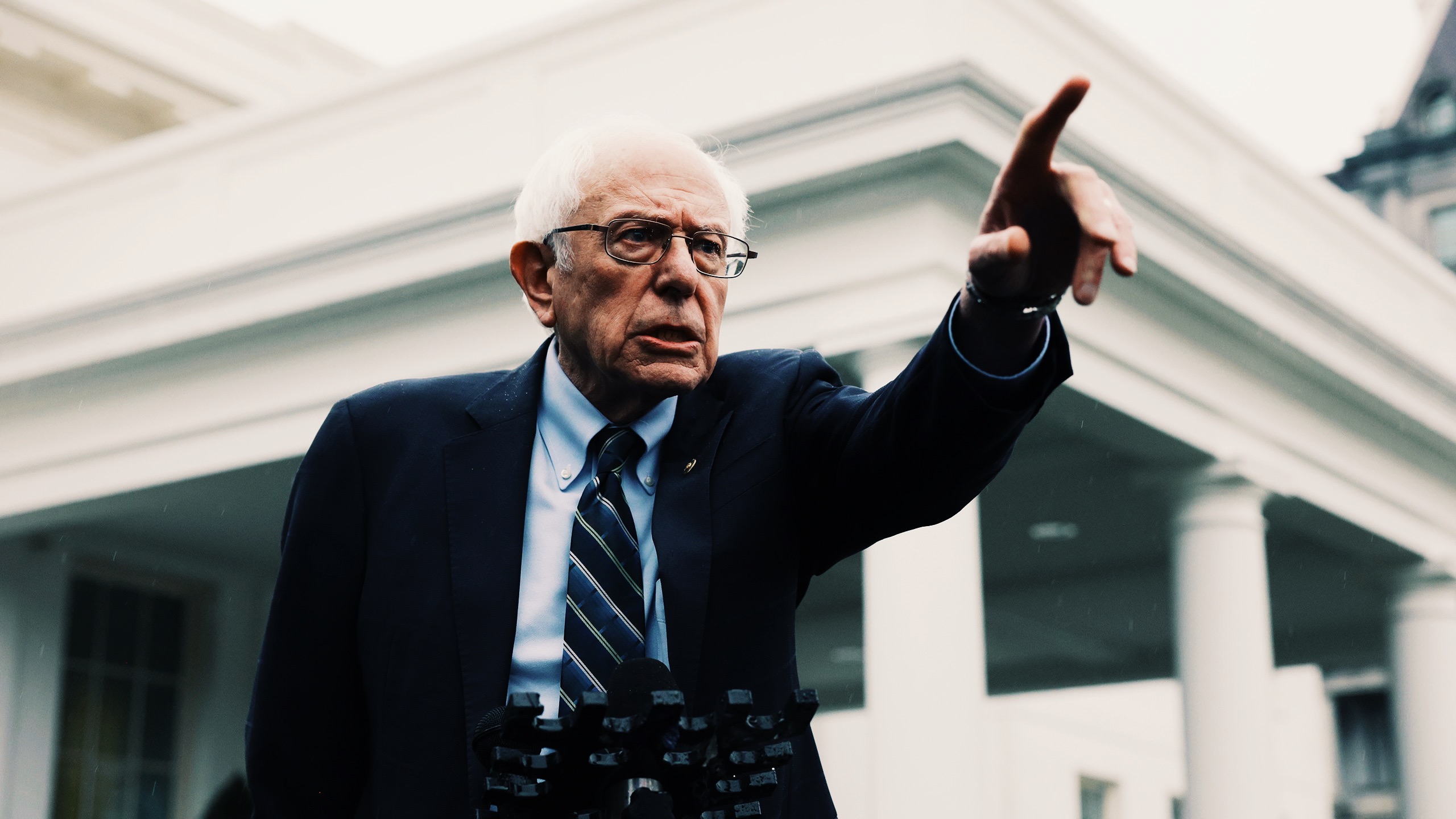
GOP Blocks Sanders Bid to Increase Social Security Benefits
Republican Senator Mike Crapo blocked a proposal on Thursday to increase annual Social Security benefits by $2,400, thwarting an effort by Senator Bernie Sanders to bolster the program amid reports of impending mass layoffs within the Social Security Administration under the Trump administration.

Wyden Accuses CBS Ownership of Burying Epstein Investigation
Senator Ron Wyden on Tuesday alleged that the acquisition of CBS by David Ellison has facilitated a cover-up regarding Jeffrey Epstein, claiming the network suppressed a "60 Minutes" report that linked major financial institutions to the late sex offender's illicit operations.
Bernie Sanders Battles Bipartisan Push to Fast-Track Social Security Cuts
Senator Bernie Sanders warned colleagues Tuesday against backing the PROMISE Act, a bipartisan proposal that would create a high-speed legislative bypass for Social Security reform. Sanders argues the bill invites unelected officials and outgoing lawmakers to slash benefits behind closed doors, circumventing public accountability and meaningful congressional debate.
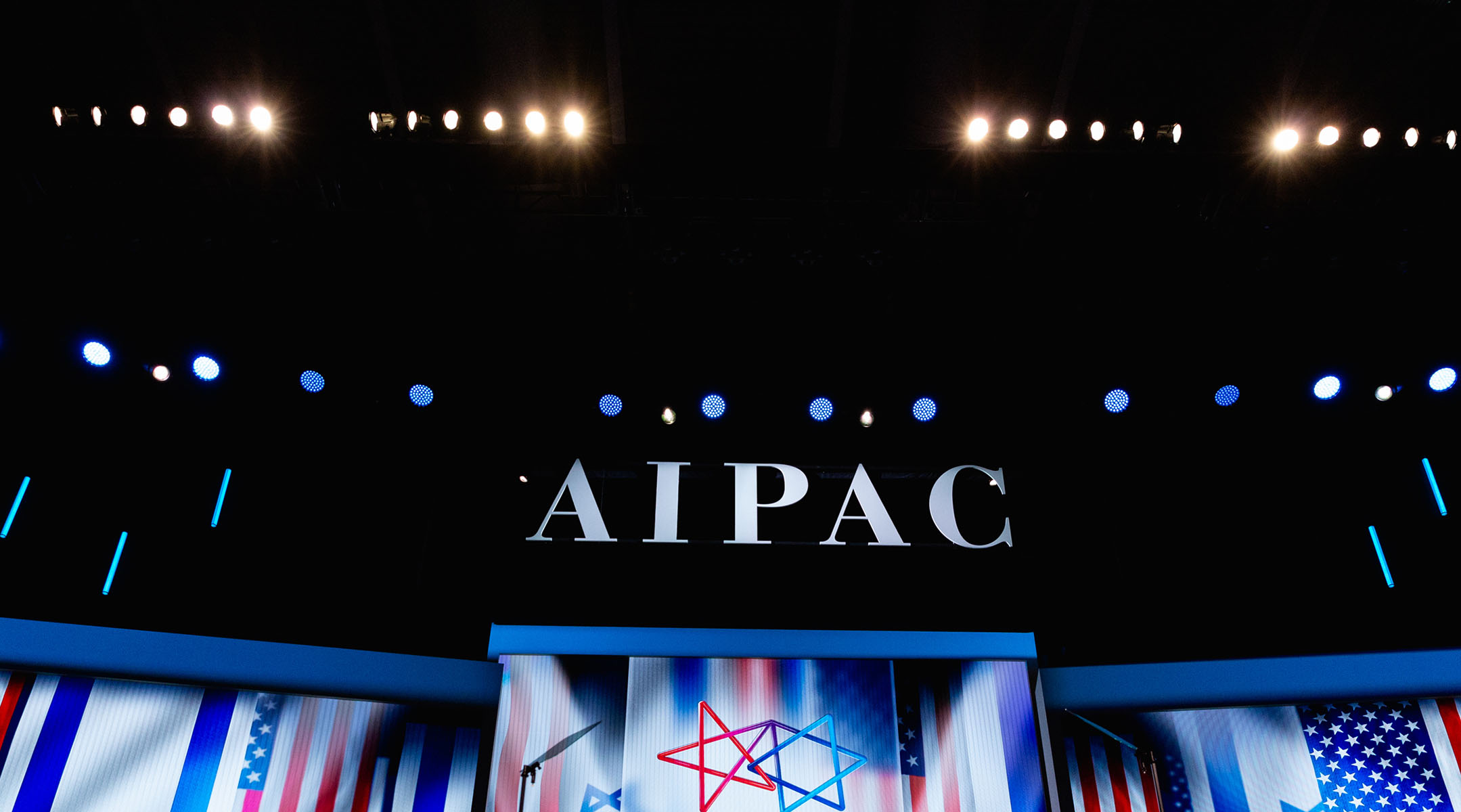
Progressives Face Down AIPAC Cash in High-Stakes Primaries
Voters in Michigan and Missouri head to the polls Tuesday in a series of contests that have become a national referendum on the Democratic establishment’s reliance on corporate funding. Progressives are testing whether grassroots mobilization can overcome the tens of millions of dollars deployed by pro-Israel lobbying groups.

Cori Bush Launches 2026 Bid to Reclaim Missouri House Seat
Former Congresswoman Cori Bush is mounting a comeback campaign for Missouri’s 1st District, setting the stage for a repeat clash with the pro-Israel lobby that fueled her 2024 primary defeat. The progressive firebrand, ousted last year, aims to reclaim her seat by positioning herself as a fighter against corporate-backed political influence.

Kalshi Integrates Employee Oversight to Court Institutional Clients
Prediction market operator Kalshi has partnered with compliance firm Comply to integrate employee trading data into institutional monitoring software. The move aims to mitigate regulatory risks for financial firms by tracking potential insider trading in event contracts, even as the startup faces a massive $36 billion legal challenge from New York.
Liechtenstein Data Breach Highlights Risks to Beneficial Ownership Registers
A significant cybersecurity breach involving 31,000 legal entities has exposed vulnerabilities within Liechtenstein’s beneficial ownership register. This incident underscores a growing tension between the global push for financial transparency and the practical security challenges of maintaining centralized, government-run databases in an era of increasingly sophisticated digital threats.

UK Wealth Sector Trails Singapore and US in Avaloq Competitiveness Index
The United Kingdom has slipped into the middle tier of global wealth management hubs, trailing behind the United States, Singapore, and the United Arab Emirates. A new index from Zurich-based Avaloq evaluates 15 international markets, prioritizing structural competitiveness and long-term growth drivers over simple asset size.

Reto Marx Takes Helm of Sygnum Bank’s Singapore Operations
After a twenty-five-year tenure across major Swiss and European financial institutions, Reto Marx has transitioned to the digital asset sector. The former VP Bank chief executive now steps into the role of CEO for Sygnum Bank’s Singapore business, marking a strategic shift for the global digital asset group.
XRP ETFs Cross $1.5 Billion Milestone Amid Institutional Demand
Cumulative net inflows into XRP exchange-traded funds have surpassed $1.51 billion, signaling a steady rise in institutional confidence. While these figures remain below the long-term projections of $4 billion to $8 billion suggested by analysts at JPMorgan and Standard Chartered, the consistent capital intake marks a significant structural development for the asset.

David Schwartz Highlights Risks Behind $100M Coldcard Security Breach
A firmware flaw in Coldcard hardware wallets has enabled the theft of over $100 million in Bitcoin, prompting Ripple CTO Emeritus David Schwartz to warn that self-custody does not eliminate operational risk. The breach highlights how rare technical failures can circumvent even the most rigorous offline security measures.
Board of Peace Reverses Gaza Disarmament Terms to Align with Israel
The U.S.-backed Board of Peace appears to have abandoned the core tenets of last week’s Gaza disarmament roadmap, bowing to Israeli pressure by conditioning military withdrawal on the total surrender of Hamas weaponry. This pivot effectively rewrites the deal, casting doubt on the future of the fragile ceasefire.

ARK Invest Ups Crypto Stakes With $9.4 Million Stock Buy
Cathie Wood’s ARK Invest acquired $9.4 million in Coinbase and Circle shares on August 3, signaling confidence in crypto-linked assets despite ongoing legislative uncertainty. The firm spread its capital across multiple ETFs even as the U.S. Senate continues to weigh the future of the CLARITY Act before its upcoming recess.
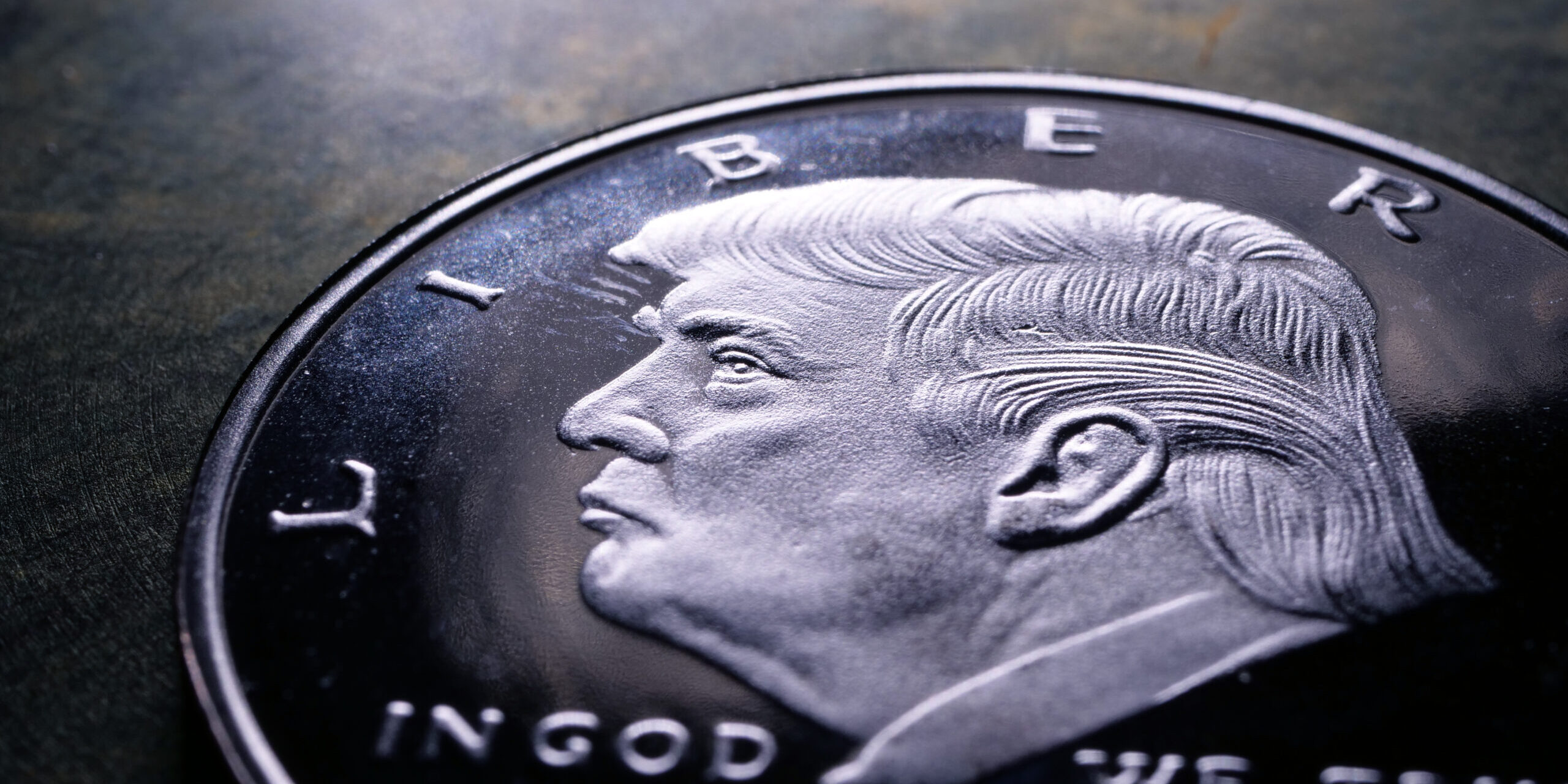
Senators Press SEC to Probe TRUMP Token Following $3.8 Billion Collapse
Democratic senators Elizabeth Warren and Richard Blumenthal have formally requested a federal investigation into the TRUMP meme coin, citing concerns that the asset’s 98% value collapse may have functioned as a sophisticated “soft rug pull” designed to enrich insiders at the expense of nearly one million retail investors.