All news

UOB Profit Climbs 10% as Wealth Management Fees Reach Record High
United Overseas Bank reported a second-quarter net profit of S$1.5 billion, a 10 percent increase that highlights how soaring wealth management fees are successfully insulating Singapore’s major lenders against the tightening pressure of a lower interest rate environment.

UK Regulators Weigh Tokenized Gold as Wholesale Collateral
London’s status as the epicenter of global bullion trading is driving a new regulatory push, as the Financial Conduct Authority explores how tokenized gold can serve as collateral in the derivatives market. By bringing digital assets into the wholesale fold, authorities aim to modernize the city’s massive financial infrastructure.

Empery Digital Drains Bitcoin Reserves Amid Debt and AI Pivot
Empery Digital has offloaded 1,635 Bitcoin for $102.2 million since July 1, slashing its unrestricted holdings by 76%. The Nasdaq-listed firm, once a vocal proponent of aggressive Bitcoin accumulation, has shifted its capital strategy toward share buybacks, debt reduction, and multi-million dollar investments in AI-ready data center infrastructure.
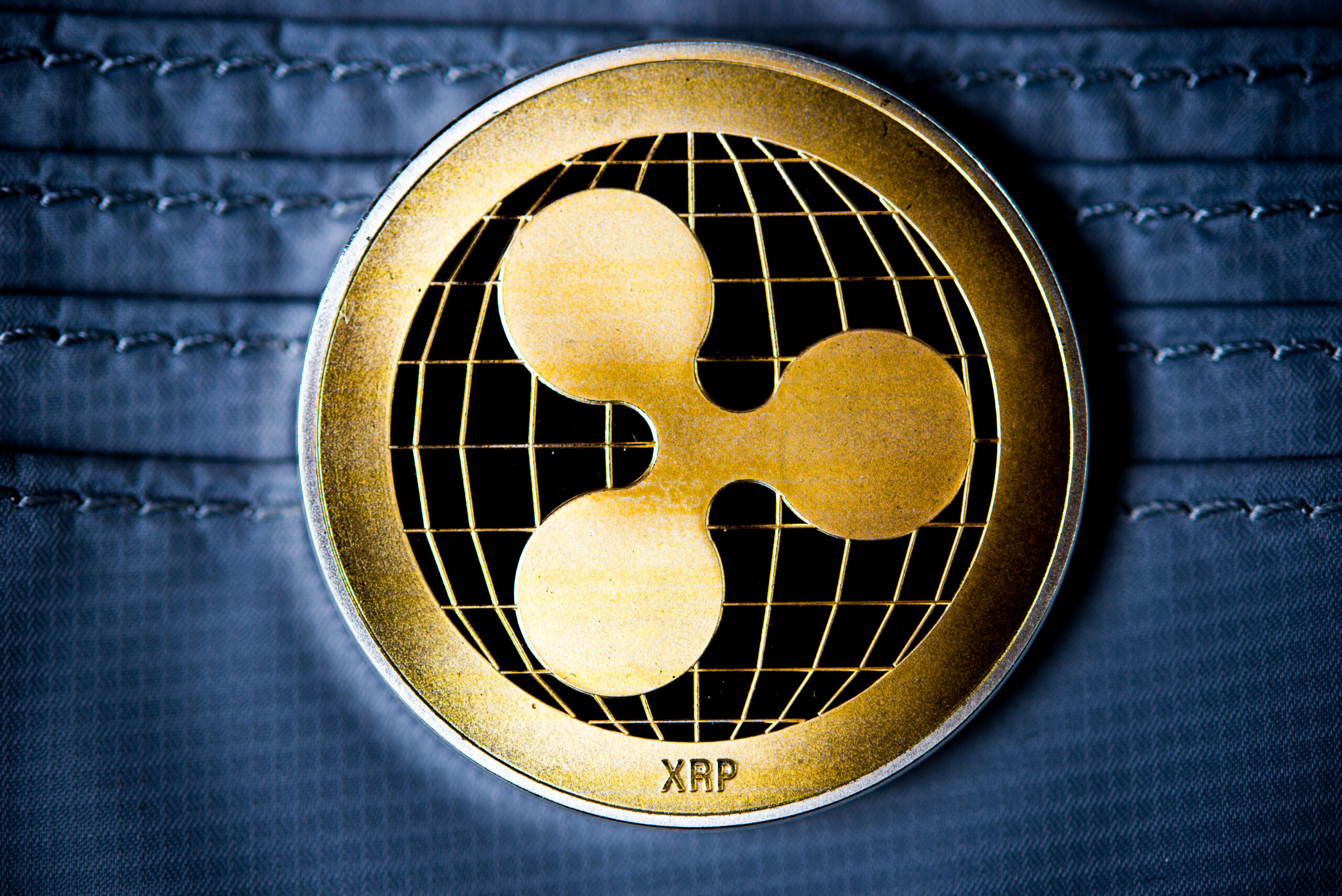
Canary XRP ETF assets shrink as price depreciation outpaces inflows
Canary Capital’s XRP exchange traded fund ended the first half of 2026 with $241.2 million in net assets, a sharp decline from the $322.8 million recorded at the end of last year. Despite a healthy influx of capital activity, the fund's gains were undone by a 43% drop in the underlying token's valuation.

Grayscale shutters three altcoin ETF filings in under four minutes
Exactly 190 seconds was all it took for Grayscale to pull the plug on three separate altcoin ETF registration statements on August 7. The firm filed Form RW submissions for its proposed Cardano, Hedera, and Polkadot trusts, signaling an abrupt end to the current registration cycle for these specific digital asset products.
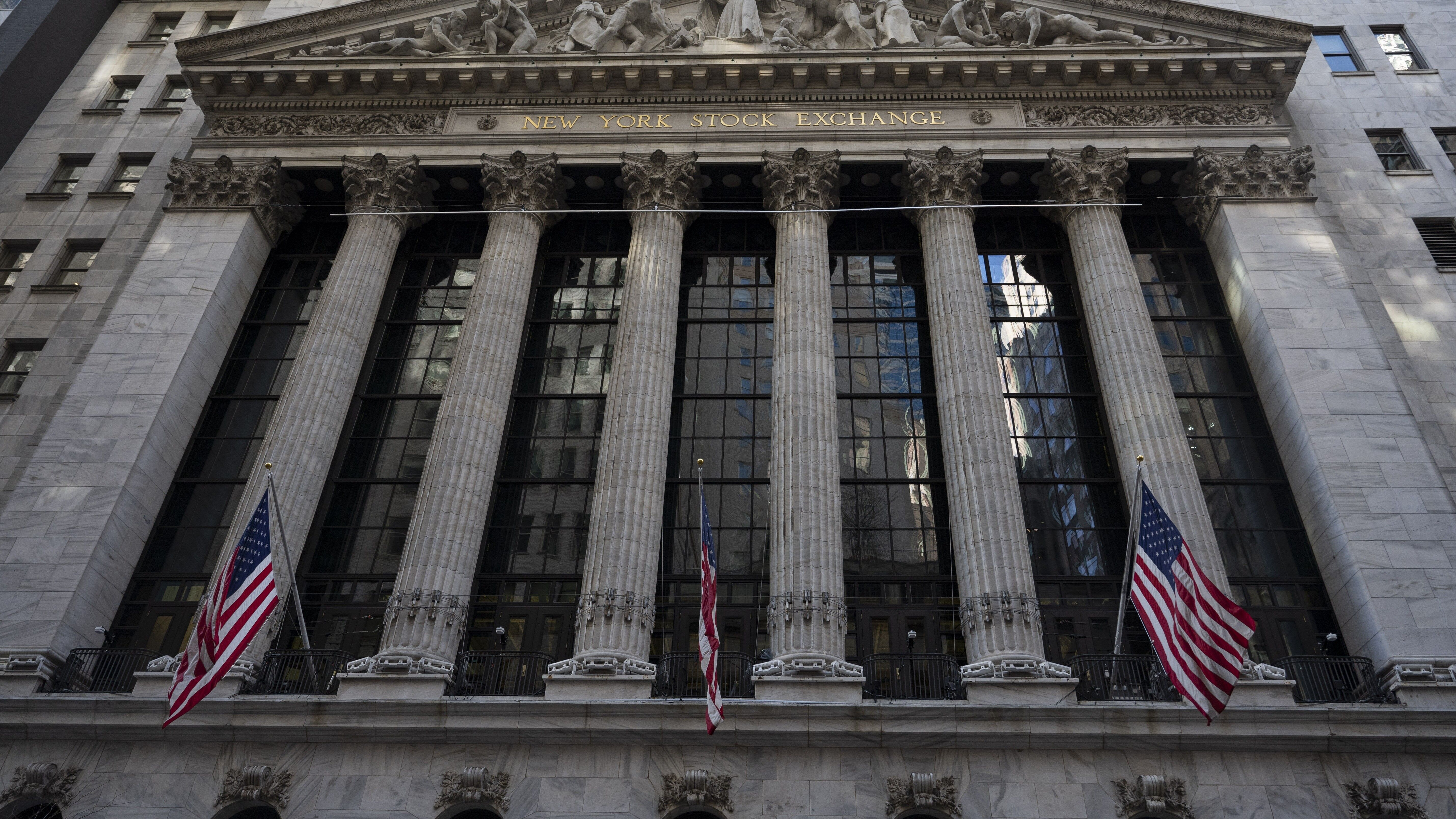
NYSE Advances Infrastructure for Onchain Securities Settlement
The New York Stock Exchange is moving toward the integration of blockchain-based settlement for tokenized assets, with President Lynn Martin confirming the exchange’s active role in live industry testing. Recent initiatives signal a shift from theoretical planning to the practical application of onchain infrastructure within regulated markets.
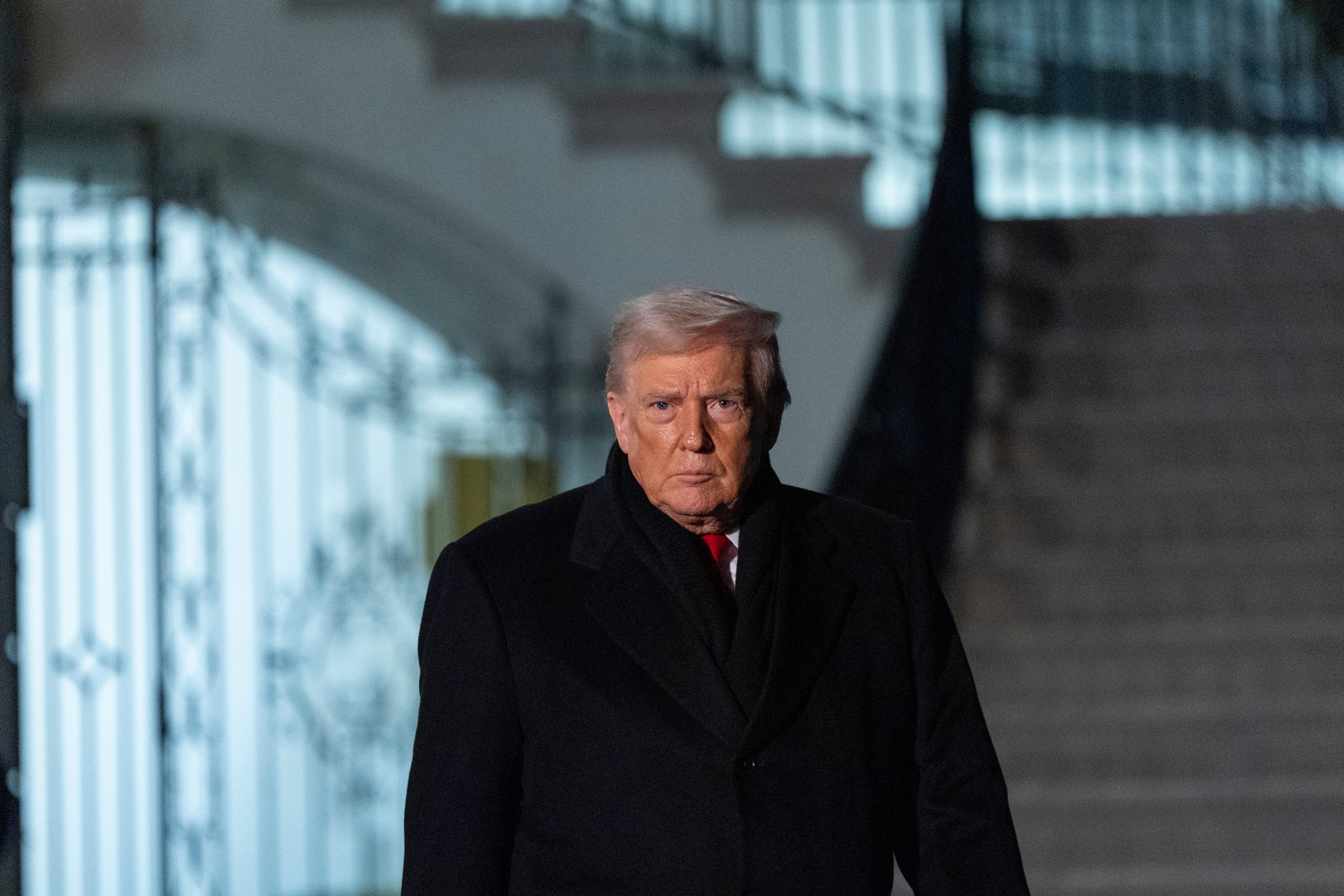
Iran Sets High Price for Strait of Hormuz Reopening
Facing dwindling domestic support and depleted precision weapon stocks, the Trump administration is signaling a willingness to end its conflict with Iran. Tehran, however, is refusing to clear the critical Strait of Hormuz without a sweeping withdrawal of U.S. forces and a complete reversal of regional policies.

Bannon Suggests Deploying ICE to Polling Stations for Midterms
Former White House adviser Steve Bannon has signaled a plan to deploy Immigration and Customs Enforcement agents to polling places during the November midterm elections. The proposal, aired on his podcast, arrives as allies of Donald Trump increasingly advocate for federal intervention in state-run voting processes across the country.
Trump Calls for Federalizing Elections, Drawing Sharp Rebukes
President Donald Trump escalated his rhetoric on Monday by demanding the Republican Party "nationalize the voting" process, effectively calling for the federal government to seize control of election administration from individual states. This proposal, rooted in debunked claims of widespread illegal voting, has sparked alarm among democratic institutions.
Legal Pushback Mounts Against Trump Administration Voter Data Demands
Legal battles over voter privacy intensified this week as advocacy groups and the Democratic National Committee moved to block federal efforts to seize sensitive registration records. The Trump administration is currently targeting nearly half of U.S. states and the District of Columbia to build a centralized national voter database.
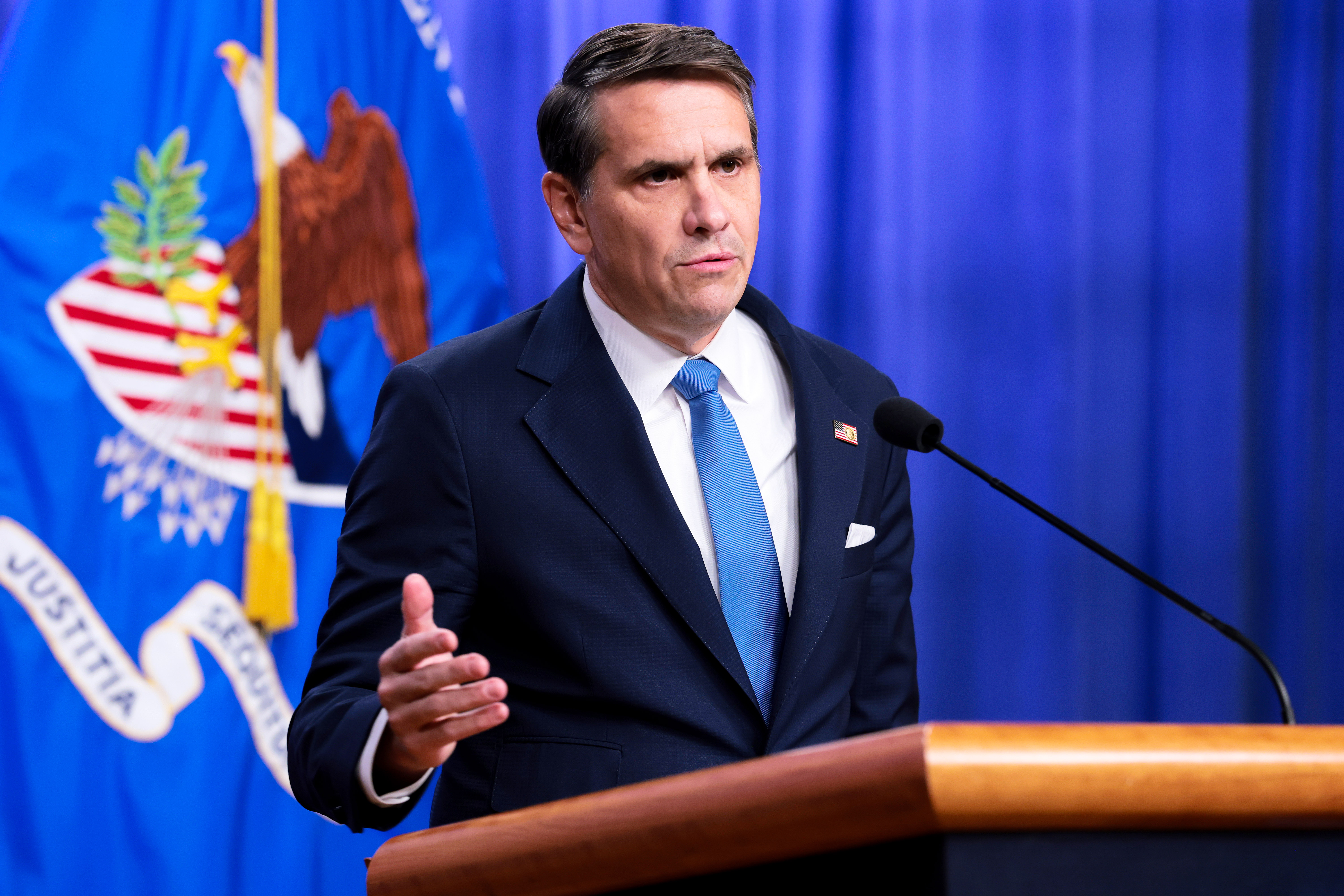
Ty Cobb Warns of Election Subversion Under Attorney General Blanche
“We’re screwed,” says former White House special counsel Ty Cobb, predicting that new U.S. Attorney General Todd Blanche will not resist presidential pressure to interfere with future elections. Cobb’s blunt assessment highlights growing fears that the Justice Department will abandon its role as a safeguard for democratic processes.
Trump Floats Canceling Midterms Amid Declining Poll Prospects
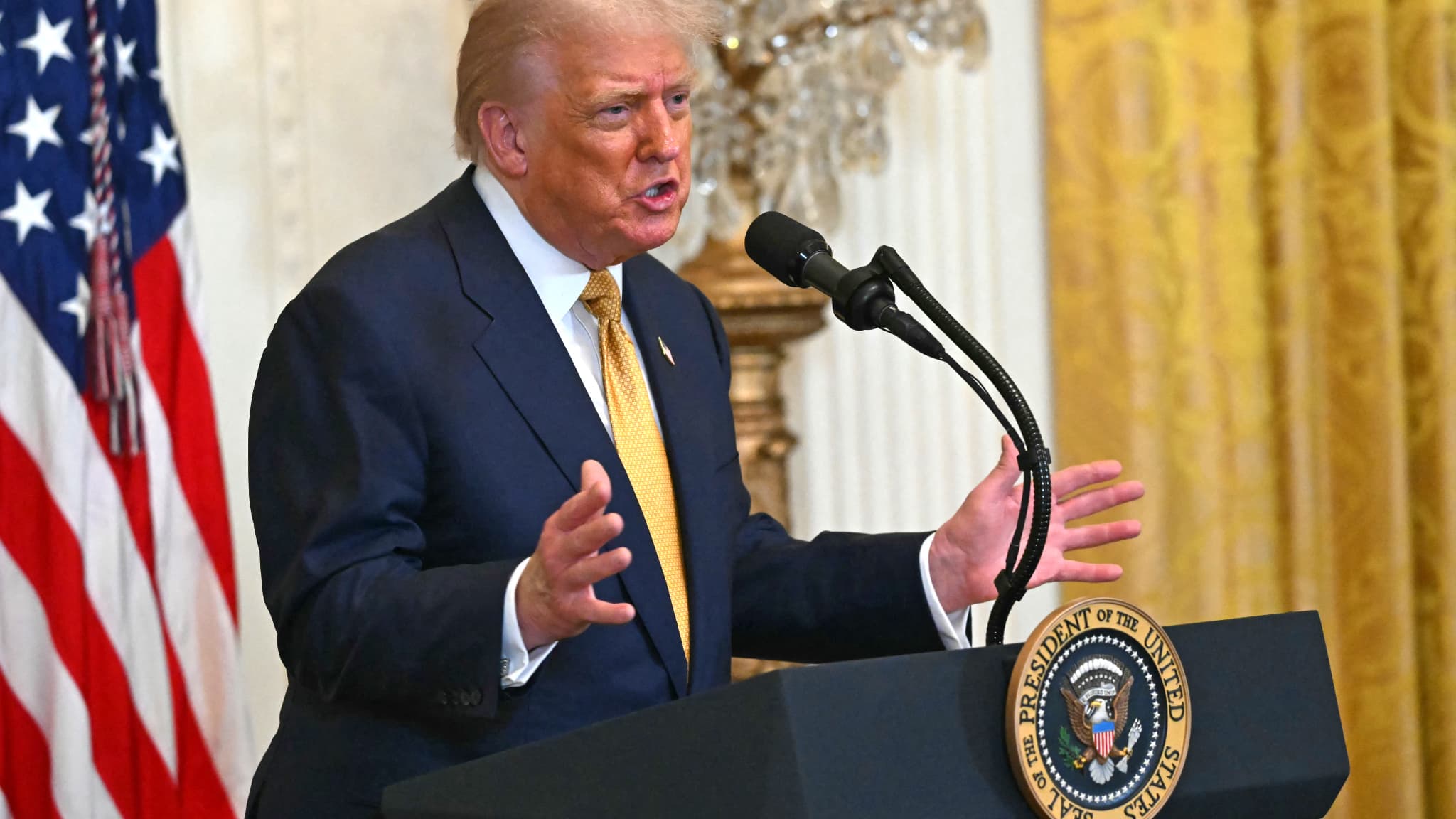
As federal agents patrol American streets and the White House considers invoking the Insurrection Act, President Donald Trump has again suggested that upcoming midterm elections should be canceled. Citing his own political success, Trump told Reuters he believes the standard practice of holding midterms is unnecessary for his administration.
Bitcoin BIP-110 fork stalls as hashpower rejects move
The attempt to force the BIP-110 protocol upgrade has effectively stalled, with the minority chain frozen at block 961,633. Since mandatory signaling began, the network has seen a widening divide, as the main Bitcoin chain continues to advance while the competing branch fails to produce new blocks.

Liechtenstein Extends System Shutdowns Following Data Breach
Liechtenstein authorities have pulled additional government systems offline as investigators broaden the probe into a sophisticated cyberattack. The breach, which compromised a beneficial ownership register containing records for 31,000 legal entities, has forced the principality to confront the tension between financial transparency mandates and the security of sensitive data.

Standard Chartered Expands Wealth Management Into India’s GIFT City
Standard Chartered has received in-principle approval from the International Financial Services Centres Authority to distribute capital market products from India’s Gujarat International Finance Tec-City. This regulatory milestone allows the London-based bank to bridge its global wealth capabilities with one of the world’s fastest-growing international financial hubs.

XRP Ledger Retires Five Amendments to Streamline Protocol Code
Developers have retired five long-active protocol amendments in the latest xrpld 3.3.0 release, permanently integrating their functions into the core system. The move serves as a routine technical cleanup, ensuring that legacy code paths no longer clutter the software while leaving existing network features and user balances entirely untouched.
Trump eyes exit from Iran conflict without nuclear deal
President Donald Trump has privately signaled to senior aides a willingness to end the conflict with Iran without securing a new nuclear agreement, provided Tehran fully reopens the Strait of Hormuz. This shift in private strategy suggests the administration may prioritize immediate energy security over long-term atomic containment.

HyperLabs Unlocks $23 Million in HYPE Amid Ongoing Vesting Schedule
HyperLabs has released 433,025 HYPE tokens into circulation, a move valued at approximately $23.46 million that triggered immediate scrutiny of the asset's market liquidity. While the unlock follows a long-term vesting program, on-chain data suggests a significant portion of these tokens is already migrating toward centralized trading platforms.

Coinbase Halts Trading for Five Tokens
Coinbase has officially deactivated trading for IDEX, LRC, OMNI, PIRATE, and FIS across its retail, advanced, and institutional platforms. The exchange, which provided a one-month warning to users, confirmed that while market access has ceased, customers retain full custody of their assets for external withdrawal.

Michael Saylor’s cryptic post fuels speculation on Bitcoin treasury
Michael Saylor triggered a wave of market speculation Sunday with a brief social media update reading “Doing ₿usiness.” The post followed a week of heightened scrutiny regarding Strategy’s treasury moves, as observers attempt to determine if the executive chairman’s message signals a fresh Bitcoin acquisition, a sale, or a capital maneuver.
Bitcoin BIP-110 stalls as chain split draws minimal miner support
Bitcoin’s controversial BIP-110 proposal has effectively fractured the network, yet the experiment is struggling to gain traction. With only 2.53% of miners signaling support, the enforcing branch stalled at block 961,633, trailing the main Bitcoin chain by nearly 100 blocks as the industry weighs the risks of replay attacks.

IMF Warns Local Stablecoins May Accelerate Digital Dollarization
Efforts by emerging markets to bolster national currencies through local stablecoins may inadvertently fuel the adoption of dollar-pegged assets. International Monetary Fund official Dan Katz warned that sharing blockchain infrastructure between local and dollar tokens creates frictionless conversion paths that bypass traditional capital controls and banking oversight.

Trump Media Scraps $6.42 Billion Crypto Treasury Deal
Trump Media & Technology Group has abandoned plans for a massive $6.42 billion cryptocurrency treasury, opting to terminate its partnership with Crypto.com and Yorkville Acquisition Corp. The companies cited shifting business priorities and market conditions for ending the proposed venture, which was intended to center on Cronos tokens.

Bybit Secures U.S. Court Support in $1.5 Billion Lazarus Hack Case
A federal judge has granted Bybit expedited discovery and a partial preliminary injunction, empowering the exchange to track stolen funds from the massive February 2025 cyberattack. The legal breakthrough allows Bybit to demand account identities and transaction histories from U.S.-linked platforms to recover assets tied to North Korean actors.

Ethereum and Solana Weigh Security Costs Against Token Inflation
Ethereum and Solana are currently evaluating whether their existing token issuance models remain cost-effective, as developers debate potential changes to validator rewards and supply schedules. While both networks are exploring methods to optimize security budgets, no formal policy shifts have been approved or implemented to date.
MARA Secures $600 Million Loan Using 18,750 BTC as Collateral
MARA Holdings has locked up more than half of its Bitcoin treasury to secure $600 million in fresh capital. According to an SEC filing, the mining firm pledged 18,750 BTC—valued at roughly $1.2 billion—as collateral for credit facilities provided by Coinbase Credit and Two Prime Lending.

Brazil to Impose 24-Hour Hold on Large Crypto Transfers
Starting January 1, 2027, Brazil’s central bank will require virtual asset service providers to hold crypto transfers exceeding $10,000 for up to 24 hours. The mandate, formalized in Resolution BCB No. 584, aims to curb the rapid movement of illicit funds into foreign exchanges and self-custody wallets.

CLARITY Act Faces September Hurdle as Legislative Hopes Dim
With the Senate set to hold a procedural test on the Digital Asset Market Clarity Act on September 15, the path for comprehensive crypto legislation appears increasingly narrow. Grayscale Research warns that election-year politics and a crowded congressional calendar make passage unlikely before the end of the year.

Israel Revokes Entry Permits for Jewish Activists Supporting Palestinians
At least seven young American Jews have had their electronic travel authorizations revoked by the Israeli government, effectively banning them from returning. Their offense involves participating in 'protective presence' programs, where volunteers accompany Palestinians in the occupied West Bank to shield them from escalating violence by illegal settlers.

Danish Pension Fund Divests US Debt Amid Greenland Sovereignty Crisis
The Danish pension fund AkademikerPension is offloading $100 million in US Treasuries by month’s end, a move coinciding with escalating tensions over President Donald Trump’s threats to annex Greenland. While officials cite fiscal concerns, the divestment highlights growing European anxiety regarding the stability of US assets.