All news

Tokenized Real-World Assets Surge as DeFi Deposits Contract
Tokenized real-world asset (RWA) deposits soared to $7.4 billion between the second quarters of 2025 and 2026, more than tripling in volume. This growth occurred against a backdrop of cooling interest in native crypto assets, which saw total DeFi deposits decline by approximately 15% during the same period.

Raiffeisen’s Crypto Ambitions Face a Reality Check in Eastern Europe
Raiffeisen Bank International’s announcement of a crypto partnership with Bitpanda for its Central and Eastern European network has grabbed headlines with an 18-million-customer figure, yet this number represents a theoretical reach rather than an immediate expansion of active crypto trading services across the region.

IBM bridges Digital Asset Haven to Swift blockchain ledger
IBM has integrated its Digital Asset Haven platform with Swift’s blockchain-based shared ledger, allowing regulated financial institutions to manage tokenized deposits using familiar ISO 20022 messaging. The move enables banks to initiate transactions across the Swift network without abandoning their existing payment workflows or internal infrastructure.

EU Watchdogs Flag Quantum Risks for Blockchain Cryptography
European financial authorities have issued a stark warning that future quantum computing capabilities could compromise the cryptographic foundations of blockchain networks. While no machine currently exists to break modern encryption, regulators are pushing for a transition to quantum-resistant standards to preemptively secure financial infrastructure against long-term threats.

Bitcoin’s Rally Defies Simple Narrative as ETF Flows Diverge From Price
Bitcoin’s climb toward $87,000 following the Federal Reserve’s September 16 rate hike presents a market puzzle that resists easy categorization. While the rally initially appeared to defy hawkish policy shifts, a closer look at fund flows and corporate activity reveals a complex web of demand that defies a single, clear-cut explanation.

Judge Orders White House to Restore Press Access for Three Outlets
A federal judge in Washington, DC, has issued a temporary restraining order forcing the Trump administration to immediately reinstate press credentials for CNN, MS NOW, and Politico. The ruling challenges the White House's attempt to justify the bans by citing national security concerns during an ongoing legal battle.

Zcash and NEAR Protocol Emerge as 2026 Crypto Market Leaders
Investors are increasingly rotating capital from established giants Bitcoin and Ethereum toward smaller assets, according to Bankless co-founder David Hoffman. This shift reflects a search for higher return narratives, positioning Zcash as a privacy-focused store of value and NEAR as a primary challenger in the smart contract sector.

Tokenized Equities Drive RWA Perpetual DEX Volume to $365 Billion
Trading activity for real-world asset perpetuals on decentralized exchanges surged to $365 billion in the third quarter of 2026, marking a 32% increase over the previous period. Public equities dominated the landscape, accounting for nearly half of all volume as traders shifted toward derivative exposure for stocks and commodities.

Binance Lists Hyperliquid as Protocol Revenue Surges
Binance will open spot trading for Hyperliquid (HYPE) on September 24 at 11:00 UTC, initiating markets against USDT, USDC, and TRY. The listing arrives as the protocol commands a market capitalization near $21 billion, solidifying its position as a dominant force in decentralized perpetual exchange volume.
Citigroup Delays Fed Rate Cuts to 2027 as Labor Market Stays Hot
Citigroup has pushed its expectations for the first Federal Reserve interest rate cut to June 2027, citing a robust labor market that shows few signs of cooling. The revised forecast follows August payroll data that significantly outperformed expectations, forcing a reassessment of the central bank’s path toward monetary easing.

Visa: Bank-Level Safeguards Could Drive Stablecoin Adoption
Consumer interest in stablecoins jumps from 36% to 56% when backed by bank-level fraud protection and deposit insurance, according to Visa’s Money Travels 2026 report. While adoption intent grows with these safeguards, the study highlights that most Americans still prioritize the reputation of the service provider over the technology itself.

Brooklyn Man Sentenced for $16M Coinbase Phishing Scheme
A Brooklyn judge has sentenced 23-year-old Ronald Spektor to four to 12 years in prison after he orchestrated a massive social engineering campaign. By posing as Coinbase support staff, Spektor manipulated roughly 100 victims into transferring their digital assets into wallets he controlled, siphoning nearly $16 million in total.

UK banks complete world-first interbank tokenized deposit trials
Britain’s largest financial institutions have successfully executed the world’s first interbank transactions using tokenized deposits, marking a shift toward blockchain-based commercial money. The trial, led by UK Finance, utilized programmable assets to settle mortgage payments and simulated online marketplace purchases across separate banking infrastructures.

Japan bond yields hit 1996 highs as crypto markets face dual pressures
number: Japan’s 10-year government bond yield has surged to 3.075%, marking its highest level since August 1996 following the Bank of Japan’s decision to hike interest rates to 1.25%. This shift forces a global reassessment of capital flows that threatens to compound existing volatility across cryptocurrency markets.

Corient Expands Global Reach With Cayman Islands Acquisition
Miami-based wealth manager Corient has acquired FortCay Family Advisory, marking another expansion in its aggressive growth strategy. The deal brings a Cayman Islands-based multi-family office into the firm’s fold, adding $2.6 billion in assets under management and deepening Corient’s capabilities for clients navigating complex, cross-border financial structures.

Pi Network Struggles as Bearish Momentum Resurfaces
Pi Network has slipped back below the $0.09 threshold following a stalled recovery attempt. The token, recently trading near $0.0878, remains trapped beneath its primary exponential moving averages as buying interest fails to materialize despite ongoing network upgrades and the resolution of thousands of pending KYC applications.
Multicoin Capital Transfers $12M in HYPE to Coinbase Prime
Multicoin Capital has moved 130,331 HYPE tokens, valued at approximately $12.15 million, to Coinbase Prime, ending a one-week pause in its institutional transfers. This latest deposit contributes to a broader trend, with the firm having funneled 4.23 million tokens—worth roughly $285 million—into the platform since late July.

Swiss Lawmakers Push for Stricter Capital Rules at UBS
Switzerland’s upper house has voted to mandate that UBS back its foreign units with 90 percent Common Equity Tier 1 capital, a move that could force the banking giant to set aside an additional $33 billion in reserves and heightens the ongoing friction between the institution and federal regulators.

EQT Establishes Middle East Foothold in Abu Dhabi
With $389 billion in assets under management, Swedish private markets giant EQT has officially launched its Middle East platform, anchoring the firm’s regional expansion in a new Abu Dhabi Global Market office. This move marks the firm’s entry into a territory central to its long-term strategy for capital deployment.

Mark Steward and Louis Theodorou Take New Strategic Roles
Mark Steward of the Dubai Financial Services Authority has been named vice chair of the Growth and Emerging Markets Committee at IOSCO, while Oakglen Wealth has tapped Louis Theodorou to spearhead its artificial intelligence strategy, signaling a push for both global regulatory influence and internal technological modernization.

City Hive Releases Toolkit for Charity Asset Oversight
“Values are often prominent in an organisation’s public messaging, but trustees need to understand how those commitments are reflected in the way investment partners operate,” says David Coombs of Rathbones Asset Management, as City Hive introduces a new framework to audit the cultural conduct of investment firms.
Institutional Crypto Allocations Hold Steady Despite Market Volatility
Institutional investors are maintaining their cryptocurrency positions despite a 50% market downturn between October 2025 and April 2026. A survey of 15 major allocators by Bitwise found that, rather than retreating during the volatility, none of the participants reduced their exposure, with several actually increasing their holdings.

FBI Convenes Secretive Crypto Forum Amid $11 Billion Fraud Surge
The FBI recently gathered federal investigators, foreign law enforcement, and private-sector security specialists in San Antonio for its annual Virtual Asset Technical Exchange. Amid a backdrop of record-breaking financial losses and escalating state-sponsored cyber threats, the invitation-only forum served as a tactical hub for combating the rising tide of digital crime.

Circle expands Cross-Chain Transfer Protocol to EURC and cirBTC
Circle has extended its Cross-Chain Transfer Protocol beyond its flagship stablecoin, enabling native transfers for EURC and cirBTC across its newly launched Arc network. This move marks a significant shift for the infrastructure, moving it from a USDC-centric model toward a broader, multi-asset interoperability framework.

U.S. Weighs Stablecoin Backing to Bolster Treasury Demand
The Trump administration is exploring potential public-private partnerships to promote dollar-denominated stablecoins abroad, a strategy designed to expand the global reach of the U.S. currency while securing a consistent buyer base for government debt.
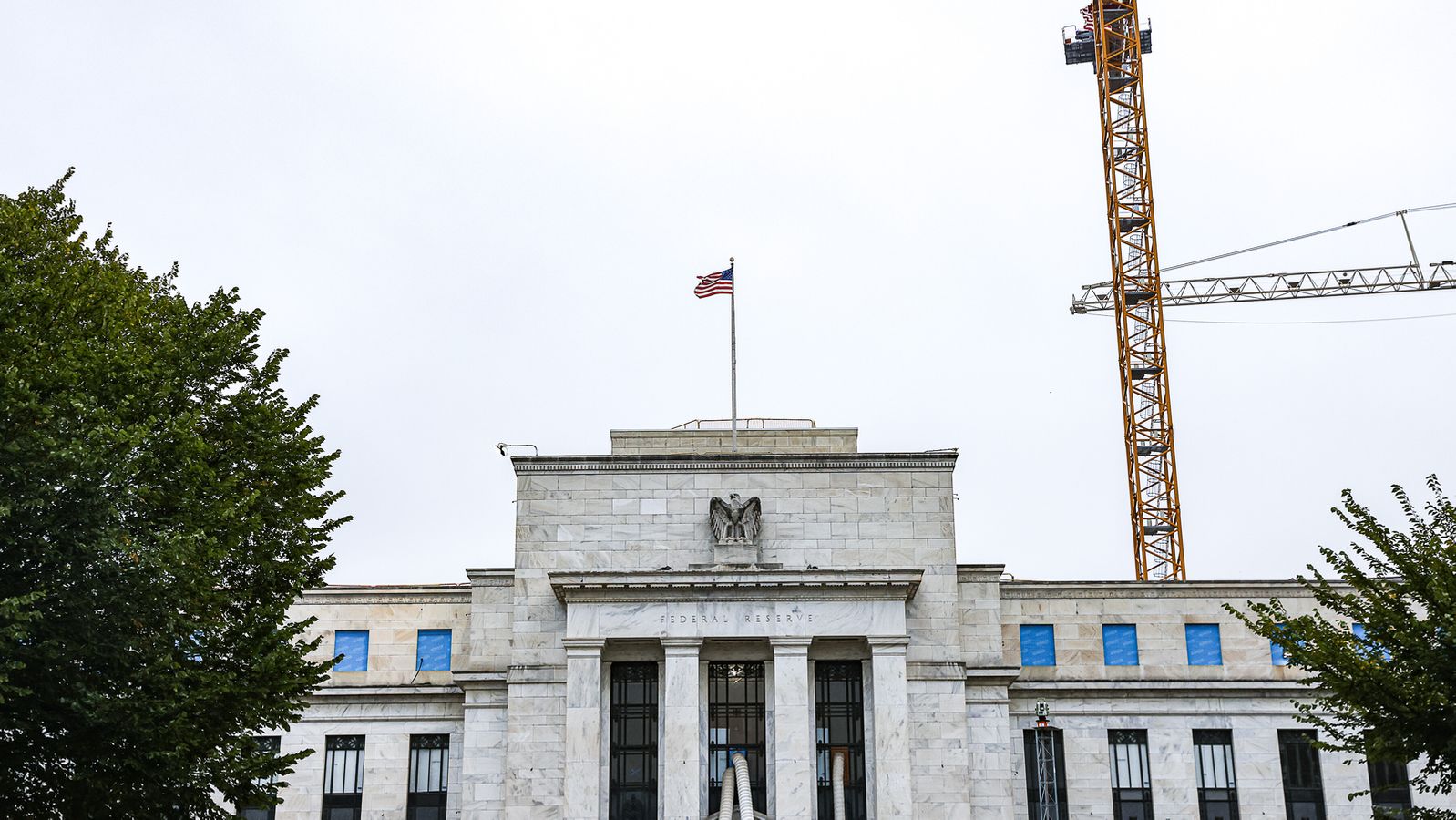
FedNow Prepares for Cross-Border Integration
The Federal Reserve is moving toward cross-border payment support, initiating pilot tests for enhanced messaging protocols. While the system will not become a global network, the update allows banks to integrate FedNow’s domestic instant settlement with traditional correspondent banking chains to facilitate international transactions more efficiently.

Senate Democrats Target E1 Settlement Expansion With Sanctions Bill
A group of 19 Democratic senators introduced legislation Wednesday aimed at curbing Israeli settlement activity in the E1 area of the West Bank. The bill seeks to impose financial sanctions on entities facilitating construction projects that critics argue would permanently sever Palestinian territory and render a two-state solution impossible.

Harvey Weinstein Sentenced to 15 Years in New York Sex Crime Case
Miriam Haley stood before a Manhattan courtroom on Wednesday, describing the decade-long legal battle against Harvey Weinstein as a life sentence for her own sense of security. Moments later, Justice Curtis Farber sentenced the disgraced producer to 15 years in prison for the 2006 assault of his former assistant.

Seattle Halts AI Data Centers in Landmark Regulatory Pivot
Seattle’s City Council voted 9-0 on Tuesday to enact a moratorium on new large-scale AI data centers, marking the most significant regulatory pushback against Big Tech infrastructure in the United States to date. The decision follows a surge of public opposition regarding energy consumption, water usage, and corporate influence.

Seattle Becomes First US City to Ban AI-Driven Surveillance Pricing
Seattle City Council voted 7-2 on Tuesday to outlaw the use of personal data in AI-powered pricing models, marking a national first. The new policy prevents retailers from leveraging information like social media history or employment status to dynamically adjust the cost of goods for individual shoppers at the register.