All news

Samourai Wallet Co-founder Faces New Prison Transfer
Keonne Rodriguez, the imprisoned co-founder of Samourai Wallet, faces an impending transfer after the drug-treatment program at FCI McKean was unexpectedly deactivated. Rodriguez, who is serving a five-year sentence for operating an unlicensed money-transmitting business, relies on the program for a potential one-year reduction in his prison term.

Toshiba Joins Japan’s Six-Month Stablecoin Testing Program
Toshiba and 25 other organizations have launched a collaborative pilot program to test the practical applications of EJPY, a yen-denominated stablecoin. Running through February 2027, the initiative evaluates how digital assets might streamline domestic payments, cross-border settlements, and Web3 services using the Japan Open Chain infrastructure.

Bitcoin and Ethereum Eye Geopolitical Shifts in Strait of Hormuz
Renewed negotiations between the United States and Iran have sparked fresh market optimism, as a proposed seven-day plan to reopen the critical Strait of Hormuz offers a potential reprieve from the energy-driven inflation and rising Treasury yields that have recently pressured risk assets like Bitcoin and Ethereum.

Magic Eden Faces Security Scare as Thousands of NFTs Move for Zero ETH
Thousands of NFTs vanished from user wallets in a flurry of zero-value transactions, triggering an urgent security warning across the Magic Eden marketplace. While panic spread over a potential contract exploit, a pseudonymous developer stepped forward to claim the activity was actually a coordinated whitehat rescue operation.

Crypto markets face dual pressure from rising bond yields and policy gridlock
The U.S. 10-year Treasury yield surged to 5.2% on September 24, forcing a sharp reassessment of Bitcoin’s recent rally. As oil prices climb and Federal Reserve officials signal further potential interest rate hikes, the digital asset market finds itself caught between resilient ETF demand and a stalled legislative agenda in Washington.

UK Billionaires Resist HMRC Scrutiny Over Financial Disclosure Requests
Ultra-high-net-worth individuals with UK tax obligations are mounting a quiet resistance against HM Revenue and Customs, challenging the legal boundaries of sweeping information requests. The tax authority’s recent push for granular data on private assets and complex wealth structures has sparked significant pushback from the nation’s wealthiest taxpayers.

Binance records largest Bitcoin outflow in three years
Investors pulled more than 13,800 BTC from Binance in a single day, marking the exchange's most significant net outflow since 2023. This movement coincides with Bitcoin sustaining a price above $84,000, following a robust 45% rally from its July lows that successfully breached key technical resistance levels.

US Advisory Firms Hit Pause on Mergers Amid Market Volatility
Seventy-two transactions were announced by September 22, signaling a 19 percent drop compared to the same period last year. This decline marks the potential end of a seven-quarter streak of record-breaking activity in the US registered investment advisor space as market instability forces firm owners to rethink their exit timelines.

Berenberg Bank Restructures Ownership Amid Governance Overhaul
Dr. Hans-Walter Peters has acquired the five percent stake in Joh. Berenberg, Gossler & Co. previously held by David Mortlock, marking a significant shift in the Hamburg-based bank’s equity distribution. This transaction consolidates the influence of long-time partners as the firm moves toward a new corporate legal structure.

Hyperliquid Strategies Boosts HYPE Holdings Amid Whale Liquidity Moves
Hyperliquid Strategies has acquired another 494,200 HYPE tokens valued at $45.8 million, aggressively expanding its treasury even as large holders move significant amounts of the asset toward potential sale, weighing on the token’s recent record highs.

Tether limits EQIBank exposure to 0.034% amid U.S. forfeiture case
Tether has confirmed it maintains accounts at EQIBank, though the stablecoin issuer insists its exposure to the offshore banking partner remains negligible. The disclosure follows a U.S. government seizure of roughly $84.2 million in assets linked to a payment provider used by the bank, casting uncertainty over the institution’s solvency.

KelpDAO Sues LayerZero Over $292 Million rsETH Bridge Exploit
KelpDAO has launched a lawsuit in British Columbia against LayerZero and co-founder Bryan Pellegrino, seeking to hold the cross-chain infrastructure provider accountable for a massive April exploit. The legal action follows months of public disagreement regarding which party’s security configuration allowed attackers to drain 116,500 rsETH from the protocol.
Researchers propose ZK-proof privacy for Bitcoin without soft forks
Researchers at Alloc Init have unveiled a design for private Bitcoin transfers that avoids the need for consensus-level changes. By leveraging zero-knowledge proofs as a metaprotocol, the system aims to obscure transaction details while relying on the Bitcoin blockchain solely as a neutral layer for data ordering and publication.

Block Integrates Bitcoin Lightning into x402 Payment Standard
Jack Dorsey’s Block has joined the Linux Foundation-governed x402 Foundation, officially integrating Bitcoin Lightning support into the open payment protocol. The move aims to facilitate autonomous commerce by enabling AI agents and web applications to execute low-cost, high-volume transactions directly through standard HTTP requests.

Ondo Finance Denies Sale Reports Amid Ongoing Succession Battle
Ondo Finance has formally rejected allegations that the firm was shopped to potential buyers following the sudden death of founder Nathan Allman in May. While anonymous reports suggested an active search for a buyer, company representatives insist no such outreach has been authorized or initiated during the current leadership dispute.

SEC Commissioner Peirce Proposes Zero-Knowledge Proofs for KYC
SEC Commissioner Hester Peirce has urged financial regulators to pivot away from massive data collection, advocating for the adoption of zero-knowledge proofs to streamline compliance. Speaking at SIFMA’s 2026 Digital Assets Conference, she argued that current identity verification requirements are turning financial infrastructure into a vulnerable surveillance panopticon.

Brazil mandates reporting for $10,000 self-custody crypto transfers
Starting October 1, 2026, the Central Bank of Brazil will require financial institutions to report all virtual asset transfers of at least $10,000 involving self-custody wallets. This mandate, established under Resolution 588, integrates these transactions into the country’s existing anti-money-laundering and counter-terrorist-financing reporting framework.

Bitget Investigates $351M Breach as Withdrawals Remain Suspended
Bitget is scrambling to recover from a massive security breach after unauthorized actors siphoned approximately $351.6 million from the exchange’s hot and warm wallets on September 24, 2026. While the platform has paused all customer withdrawals, CEO Gracy Chen confirmed that private keys remain secure following the backend system compromise.

Wave of Device Explosions Leaves 20 Dead Across Lebanon
At least 20 people were killed and more than 450 injured on Wednesday as a second wave of battery-powered device explosions tore through Lebanon. The blasts, which targeted walkie-talkies, smartphones, and solar components, followed a massive pager attack the previous day that left thousands wounded and ignited regional panic.

Genocide Scholars Group Labels Israeli Military Campaign in Gaza
The International Association of Genocide Scholars has formally declared that Israel’s military campaign in Gaza meets the legal definition of genocide. Backed by 86% of the organization’s voting members, the resolution cites systemic starvation, deliberate attacks on civilians, and explicit rhetoric from government officials as evidence of genocidal intent.

Netanyahu Lashes Out at NYC Mayor During Contentious UN Address
Israeli Prime Minister Benjamin Netanyahu used his United Nations General Assembly address to attack New York City Mayor Zohran Mamdani, labeling him an antisemite while defending his military campaign in Gaza. The confrontation occurred as dozens of delegations staged a walkout to protest the presence of the ICC-indicted leader.

Entrepreneurs Target $367 Billion AI Investment Surge
A staggering $367 billion in combined capital is set to flow into artificial intelligence over the coming year, as wealthy business owners pivot toward aggressive technology adoption. According to HSBC’s Global Entrepreneurial Wealth Report 2026, the overwhelming majority of high-net-worth entrepreneurs view AI as a catalyst for expansion rather than contraction.
Entrepreneurs Target $367 Billion AI Investment Surge
A staggering $367 billion is earmarked for artificial intelligence spending by wealthy entrepreneurs over the coming year, according to HSBC’s Global Entrepreneurial Wealth Report 2026. Surveying over 3,000 business owners with at least $2 million in assets, the data reveals a heavy commitment to integrating new technologies into their core operations.

AI-Driven Coding Inflates Medical Bills by Nearly $1 Billion
Artificial intelligence in hospitals is fueling a surge in billing costs without improving patient outcomes, according to a report from the Blue Cross Blue Shield Association. The analysis reveals that AI systems are identifying more lucrative diagnoses to maximize reimbursements, shifting nearly $1 billion in extra expenses onto insurers and patients.

Prudential Shuffles Leadership Across Asian Markets
Prudential plc is tightening the integration between its life insurance arm and asset management unit, appointing former Citi Private Bank executive Chan San San to a newly created role. The move coincides with a broader leadership restructuring as the UK-listed firm looks to consolidate its regional operations.
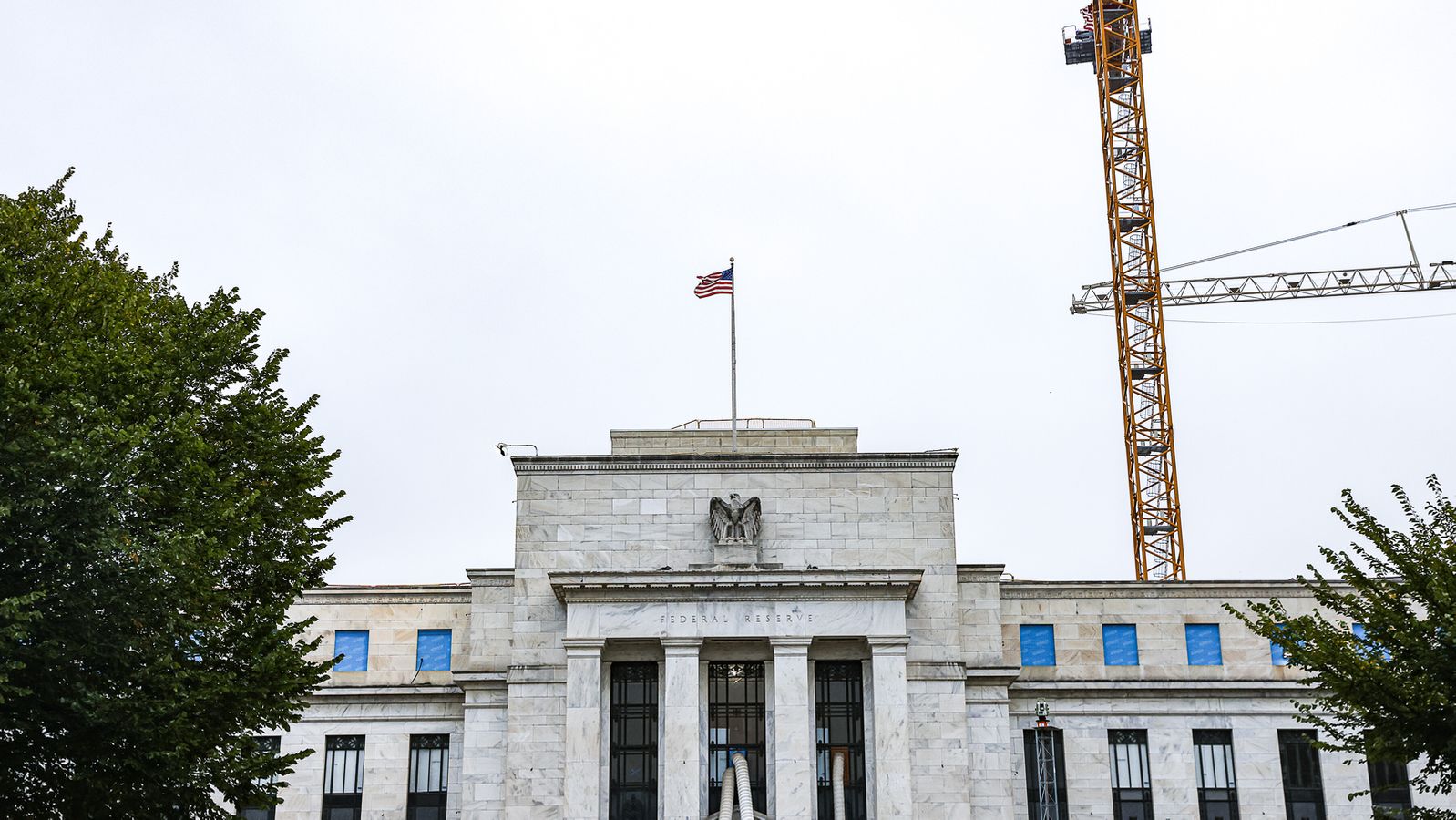
Fed Unveils Regulatory Framework for Stablecoin Issuers
The Federal Reserve has introduced two proposed rules under the GENIUS Act, targeting the reserve requirements for payment stablecoin issuers and the formal approval process for state member banks seeking to launch stablecoin subsidiaries. The move marks a shift toward standardized oversight for digital asset operations within the traditional banking sector.

Senate Republicans Block Bid to Halt Trump’s Iran War
A war powers resolution aimed at forcing an end to President Donald Trump’s unauthorized conflict with Iran failed in the Senate on Thursday, falling by a 49-50 margin. The vote highlights a deepening divide between candidates campaigning against the war and an establishment majority standing by the administration’s military strategy.

Payward Integrates xStocks Into Ledger Hardware Wallets
Payward is bringing its xStocks tokenized equity platform to Ledger hardware wallets, enabling users to manage tokenized shares alongside traditional crypto assets. The partnership aims to merge self-custody security with exchange-grade trading, though the service remains strictly off-limits to investors in the United States.
Strive Estimates $86 Million in New Capital for Bitcoin Purchases
Strive has generated an estimated $85.88 million through the sale of SATA preferred stock between September 21 and September 23. This capital influx, tracked via market data, suggests potential buying power for roughly 1,002 Bitcoin, though the company has yet to confirm specific acquisitions for this period.

UK Arms Curbs on Israel Yield No New Suspensions
The British government’s pledge to restrict weapons transfers to Israel has failed to result in a single additional license suspension or revocation. Despite the touted “double lock” policy aimed at curbing support for the occupation of the West Bank, current disclosures confirm that military exports remain largely unchanged.