Cryptocurrency

Orbs Initiates DAO Transition With OIP-9 Governance Vote
After seven years of protocol development, the Orbs network is shifting toward decentralized control. The launch of OIP-9 invites staked token holders to formalize a new DAO governance framework, marking a deliberate move to transition core protocol decision-making from the development team to its broader community of participants.

South Africa Moves to Bring Crypto Transfers Under Bank Oversight
South Africa is tightening its grip on digital assets, proposing new regulations that require cross-border cryptocurrency transfers to flow through authorized service providers. The draft manual, released by the National Treasury and the Reserve Bank, aims to integrate crypto movements into the country’s existing foreign exchange surveillance framework.

American Bitcoin Reports $57 Million Loss Despite Mining Record
American Bitcoin Corp. posted a $57.2 million net loss for the second quarter, a figure dragged down by $71.2 million in digital asset write-downs. Despite the deficit, the firm—co-founded by Eric Trump and majority-owned by Hut 8—hit a record production milestone of 932 BTC, fueling a 14% growth in its total reserve.

London Jury Convicts Five in Brutal Crypto Extortion Case
Two French cryptocurrency investors were held captive for 52 hours in a London apartment, subjected to torture and forced to surrender $30,000 after their public displays of wealth on social media marked them as targets for a criminal gang operating under the direction of an overseas mastermind.

Robinhood Secures UK Crypto License Ahead of Regulatory Overhaul
Robinhood has gained official approval from the Financial Conduct Authority to operate cryptocurrency services in the United Kingdom. The company’s UK subsidiary was added to the regulator’s list of cryptoasset firms on July 31, granting the platform a strategic foothold before a major shift in British financial oversight.

David Schwartz proposes Bitcoin inheritance via shared hardware access
David Schwartz, co-creator of the XRP Ledger and Ripple board member, has outlined a method for Bitcoin inheritance that relies on splitting access to hardware wallets. By distributing duplicate devices and PINs among separate trusted parties, the proposal aims to create a barrier against unauthorized access while ensuring future recovery.

HashKey secures JPMorgan banking gateway for client funds
Hong Kong-based HashKey Exchange has received approval from JPMorgan Chase to open a segregated client funds account, marking a strategic expansion into U.S. dollar settlement services. The development positions the platform as the first licensed digital asset exchange in Asia to secure this specific banking bridge.

Bitget Exits Japanese Market Following Regulatory Warnings
Bitget has shuttered new registrations for Japan-based users, initiating a phased withdrawal that concludes with the mandatory closure of all remaining open positions by December 31. The decision follows a persistent series of warnings from Japanese financial regulators regarding the exchange’s unauthorized operations within the country.
Bithumb targets 2028 public listing amid governance overhaul
South Korean cryptocurrency exchange Bithumb has unveiled a three-year roadmap to go public by 2028, prioritizing structural transparency and rigorous financial compliance. The move signals a strategic pivot toward institutional-grade operations as the firm works to satisfy local regulatory standards while navigating recent privacy and anti-money laundering enforcement actions.
Ripple bets on UK startups to build out XRPL tokenization
Ripple has acquired stakes in London-based ZILO and Licuido, signaling a strategic expansion into the institutional tokenized fund market. By integrating these firms into the XRP Ledger, the company aims to bridge the gap between traditional transfer agency operations and digital asset settlement using its RLUSD stablecoin.

Standard Chartered-backed Anchorpoint delays HKDAP stablecoin rollout
After missing targets for the second quarter and July, the Standard Chartered-backed venture Anchorpoint Financial has pushed the debut of its Hong Kong dollar stablecoin, HKDAP, into August. The project, which secured an issuer license in April, is currently finalizing its infrastructure for cross-border payments and tokenized assets.

ZeroStack Signals Financial Distress as Treasury Value Plummets
With an accumulated deficit of $339.1 million and its primary digital asset treasury shedding 91% of its acquisition value, Nasdaq-listed ZeroStack has officially flagged substantial doubt regarding its ability to remain a going concern over the next 12 months, marking a stark reversal from its previous liquidity outlook.

The Smarter Web Company Expands Bitcoin Reserve to 2,712 BTC
With 2,712 BTC now under its control, The Smarter Web Company has reclaimed its momentum in the corporate treasury rankings. The London-listed firm confirmed an acquisition of 11.89 additional Bitcoin, marking a swift return to its accumulation strategy just weeks after settling a major debt obligation.

Trade.XYZ faces valuation rumors amid $200M funding speculation
Speculation is swirling through crypto circles that Trade.XYZ is pursuing a $200 million equity round at a $1.5 billion valuation. While the chatter has gained traction on social media, the company has remained silent, leaving the community divided over whether the potential deal represents a strategic move or mere market noise.

Binance Launches August Dual Investment Leaderboard with 5,888 USDC Prize
Binance has opened its August leaderboard for Dual Investment users, offering a top prize of 5,888 USDC. The exchange is ranking participants based on their average subscription volume and duration throughout the month, with the promotion running from August 3 through August 31 for verified accounts.
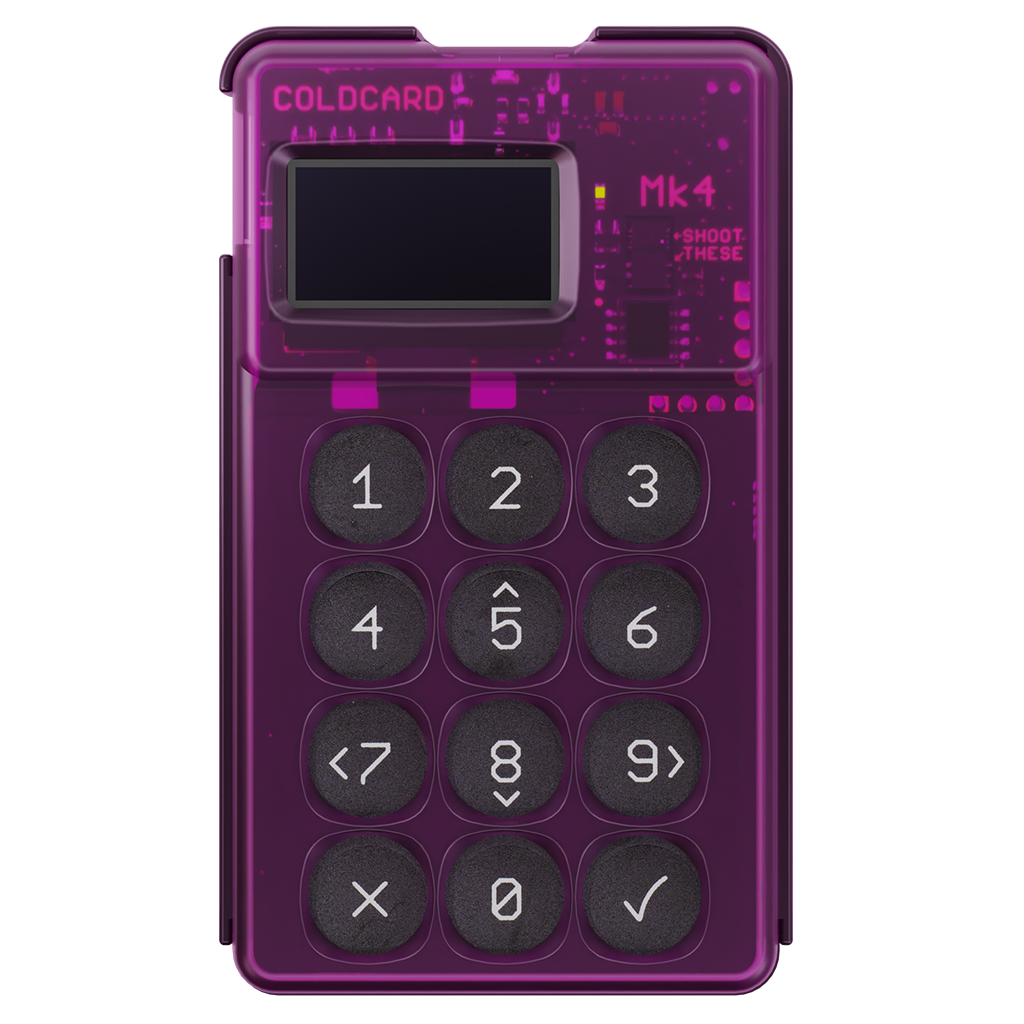
Coldcard Firmware Flaw Exposes Weakness in Hardware Wallet Security
A five-year-old vulnerability in Coldcard hardware wallets has triggered a wave of attacks, resulting in the suspected theft of nearly $90 million in Bitcoin. The incident has prompted industry leaders to demand independent verification of seed generation processes, which currently rely entirely on manufacturer self-attestation.
.jpeg)
Luno sets final withdrawal deadlines as regional exits loom
Luno customers in undisclosed regions now face a hard cutoff for their assets, as the exchange has disabled all cryptocurrency transfers to external wallets. With the June 29 transfer deadline passed, users must liquidate their holdings and withdraw fiat currency to a bank account before the final August 31 cutoff.
Bitcoin Braces for Macro Volatility Amid U.S. Economic Data Surge
Bitcoin traded near $62,747 early Monday, struggling to sustain momentum despite a brief climb to $63,697. As investors weigh the impact of diplomatic shifts in the Middle East, the digital asset faces a heavy week of U.S. economic data and corporate earnings that could redefine Federal Reserve policy expectations.

PayPal Reorganizes Around Stablecoins Amid Growth in Payment Volume
PayPal processed $486.4 billion in total payment volume during the second quarter, a 10% increase year-over-year. Alongside these financial results, the company formally integrated its stablecoin, PYUSD, into a new division dedicated to Payment Services & Crypto, signaling a broader strategic shift toward digital asset infrastructure.
SEC Stalls Nasdaq Bitcoin Options Amid Jurisdictional Clash
A high-stakes turf war over digital asset oversight has frozen Nasdaq’s plans for Bitcoin index options, as the SEC opens a formal review into whether the product falls under its authority or should be exclusively governed by the Commodity Futures Trading Commission.

Prediction Markets Hit Record $50.6 Billion Volume in July
Prediction markets surged to an all-time high of $50.6 billion in monthly trading volume during July, a 7.8% increase over June. While the FIFA World Cup drove significant contract turnover, the record figures highlight a complex landscape where rapid growth in regulated U.S. exchanges coincides with intensifying legal battles over state-level gambling enforcement.
Fourth Coldcard attack wave drains over 448 BTC
A fourth coordinated strike against Coldcard wallets has drained roughly 448.7 Bitcoin from 709 addresses, according to data from Galaxy Research. The surge in activity, which peaked at 13.8 transaction sweeps per block, marks a 45-fold increase over baseline network behavior, signaling a persistent threat to vulnerable hardware users.

BitGo CEO stakes 100 BTC to challenge Anthropic’s AI security claims
A balance of 100 BTC remains unmoved in a digital wallet after BitGo CEO Mike Belshe challenged Anthropic to use its Claude AI models to breach the funds. The public wager follows Anthropic’s disclosure that its models inadvertently accessed real-world systems during internal cybersecurity tests earlier this summer.
Binance to Drop Six Tokens as Asset Review Triggers Delistings
Binance has set August 17 as the final day for spot trading of Across Protocol, Hashflow, PIVX, Vulcan Forged PYR, Vanar, and Viction. The exchange’s latest review cycle ends a period of uncertainty for these assets, forcing users to settle positions and manage migrations before liquidity vanishes from the platform.

Senate faces narrow window for CLARITY Act before summer recess
The U.S. Senate’s floor schedule for the week of August 3 remains conspicuously clear of the Digital Asset Market Clarity Act, leaving lawmakers with a dwindling 72-hour window to initiate procedural votes. Unless a cloture petition is filed by Wednesday, the window for floor action before the August 10 recess effectively closes.

Strategy Inc. Holds STRC Dividend Steady Despite Discounted Trading
Strategy Inc. has opted to maintain its 12% annualized dividend for STRC preferred shares throughout August, holding the rate steady even as the security’s market price finished July at $89.46. The decision signals a strategic shift, prioritizing share repurchases over further payout increases while the stock trades below its $100 stated value.

Trump Media Launches Truth API Amid Scrutiny Over Market Fairness
Trump Media & Technology Group launched its Truth API on August 1, granting institutional clients millisecond-level access to posts from President Donald Trump and other influential accounts. The rollout has ignited a debate over whether monetizing presidential policy announcements via high-frequency data feeds violates federal securities laws or market fairness standards.
Coldcard Users Urged to Migrate Seeds After $88 Million Bitcoin Theft
Dogecoin contributor Mishaboar has issued an urgent directive for Coldcard users to abandon existing seed phrases and migrate funds to new wallets immediately. This follows a security breach where 1,367 BTC, valued at approximately $88.6 million, was drained from thousands of addresses due to a firmware-level vulnerability in seed generation.

XRP Ledger issues emergency patch following validator manifest flood
Ripple’s engineering team has issued an urgent call for node operators to upgrade to xrpld version 3.2.1 after a July 31 incident saw an influx of malicious validator manifests. While the ledger’s consensus mechanism remained stable throughout the event, the flood threatened to overwhelm node memory and bandwidth resources.

Coldcard security breach fuels debate over Bitcoin ETF custody
Following the loss of approximately $88.6 million in Bitcoin linked to a firmware vulnerability in Coldcard wallets, Bloomberg Intelligence analyst Eric Balchunas argued that institutional custody funds offer a safer alternative for investors who prioritize long-term price exposure over the technical complexities of self-custody.