Cryptocurrency

Circle Secures New York Trust Charter to Bolster USDC Oversight
Stablecoin issuer Circle has been granted a limited-purpose trust charter by the New York Department of Financial Services for its new entity, Circle New York Trust. This state-level authorization arrives shortly after the company received federal approval to establish a national trust bank, signaling a dual-layered regulatory expansion for the firm.

Bank of Italy study finds stablecoins lack universal remittance edge
A July 2026 study from Banca d’Italia reveals that stablecoin remittances fail to consistently outperform traditional transfer services in cost or speed. Testing ten USDC corridors, researchers found that total fees fluctuated between 0.30% and 9%, proving that savings depend more on local banking infrastructure than blockchain efficiency.
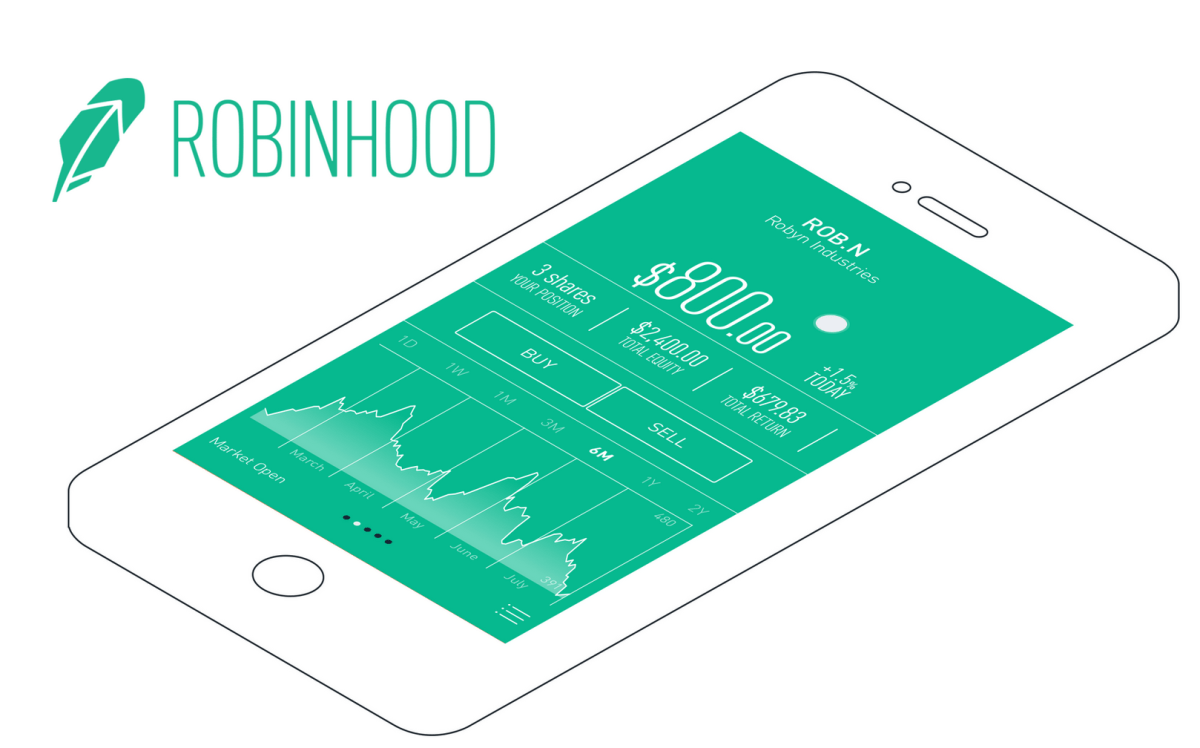
Bernstein Backs Robinhood Growth With $160 Price Target
Bernstein has reaffirmed its Outperform rating on Robinhood Markets, maintaining a $160 price target as the platform pivots from a traditional brokerage toward a multifaceted financial infrastructure provider. Analysts point to aggressive expansion in tokenization, prediction markets, and proprietary exchange technology as the primary engines for long-term value.

The Divide Over Bitcoin Self-Custody Usability
A sharp critique from Bitcoin Archive has reignited a long-standing debate, characterizing the steep learning curve of self-custody wallets not as a technical necessity, but as a form of elitist gatekeeping designed to exclude non-technical users from the broader Bitcoin ecosystem.
KSNet and Solana Foundation Partner to Test Blockchain Payments in Korea
South Korean payment processor KSNet has signed a memorandum of understanding with the Solana Foundation to trial blockchain-based transaction systems. The collaboration aims to integrate Solana Pay into existing merchant networks while exploring AI-driven payment models that bypass traditional credit card authentication hurdles.

NEAR Protocol launches staking-based payments for AI services
Users can now access 43 artificial intelligence models on NEAR Protocol without a credit card by locking NEAR tokens to generate compute credits. This system allows developers and individuals to run confidential inference and autonomous agents, keeping their capital intact while avoiding traditional subscription-based billing cycles.

Crypto Treasuries Pivot to AI Data Center Funding
Quantum Solutions and Hyperscale Data have begun liquidating significant portions of their digital asset treasuries to finance AI infrastructure. The shift marks a tactical departure from passive holding, as firms increasingly treat Bitcoin and Ethereum as primary capital sources for physical data center expansion.

Swan Treasury suffers $625,000 loss after signer key leak
A critical security breach on the BNB Chain has left Swan Treasury short $625,000 after attackers obtained the protocol’s off-chain signer key. By exploiting this leaked credential, bad actors bypassed purchase restrictions to acquire STY tokens at a 100-fold discount before dumping them into liquidity pools for profit.

Bitcoin Miners Pivot to AI as Network Contraction Deepens
Bitcoin mining is enduring one of its most significant contractions in the ASIC era, with network difficulty plunging 19.9% from its peak. While miners struggle with compressed margins and a reduced block subsidy, listed operators are increasingly pivoting toward lucrative artificial intelligence and data-center contracts to maintain valuation.

Bitcoin Price Stagnates After $9.6 Billion Options Expiry
A massive monthly options settlement involving $10.43 billion in combined Bitcoin and Ether contracts failed to catalyze a market breakout, leaving Bitcoin anchored near its $64,000 maximum pain level. Despite heavy call-side positioning, the expiry passed with little immediate impact on the prevailing trading range.

New York Targets Kalshi in $36 Billion Gambling Lawsuit
New York state officials have launched a sweeping legal offensive against prediction market platform Kalshi, seeking to halt its operations and recover at least $36 billion in penalties. The lawsuit accuses the company of bypassing state licensing requirements and allowing minors to participate in high-risk, unlicensed gambling activities.

AFX to Unveil Recovery Plan Following $24.15 Million Social Engineering Hack
A social engineering campaign targeting a single developer’s workstation allowed attackers to siphon $24.15 million from the AFX bridge, prompting the decentralized protocol to schedule a goodwill recovery plan for Aug. 3. The breach bypassed smart contract security by compromising internal validator nodes through trusted management software.

South Korea Launches 20 Trillion Won AI Sovereign Investment Account
South Korea is set to pivot its sovereign wealth strategy by establishing a 20 trillion won investment account dedicated to artificial intelligence and strategic domestic industries. This move marks a historic shift for the Korea Investment Corporation, which will now be permitted to deploy capital into local assets.

Senate negotiators propose state-level enforcement for CLARITY Act
A standoff over ethics enforcement has stalled the Digital Asset Market Clarity Act, prompting Senators Thom Tillis and Ruben Gallego to offer the White House a compromise: shifting oversight power from the Department of Justice to state authorities to break the legislative deadlock before the August recess.
Institutional Investors Narrow Focus as Altcoin Market Fragments
Institutional investors accounted for a record 72% of spot over-the-counter flow on Wintermute’s desk during the first half of 2026, signaling a shift toward a more concentrated market. This growing dominance suggests that future altcoin rallies may depend on a smaller group of assets rather than a broad-based market surge.
Beyond Hype: Eight Crypto Projects Built on Tangible Utility
Investors weary of the last cycle’s empty promises are shifting their focus toward infrastructure that actually functions. Rather than betting on speculative narratives, the current market is prioritizing projects with verifiable on-chain activity, measurable adoption, and token models directly tied to real-world utility.

Upbit Adds CFX as Conflux Gains Korean Market Access
South Korean exchange Upbit opened trading for the Conflux CFX token on July 31, granting the asset direct access to the won, Bitcoin, and Tether markets. The listing marks a strategic expansion for the blockchain, though the exchange implemented strict initial trading controls to manage volatility.
Bhutan Taps 3iQ to Manage Gelephu’s Bitcoin Treasury
Gelephu Mindfulness City has appointed Canadian firm 3iQ to oversee an undisclosed portion of its Bitcoin treasury, marking the first major step in deploying the nation’s 10,000 BTC reserve. The partnership aims to fuel long-term development in Bhutan’s special administrative region through professional asset management.

World Cup Prediction Markets Hit $20 Billion in Blockchain Volume
The 2026 FIFA World Cup served as a massive stress test for decentralized finance, driving $20 billion in prediction-market volume between January and the tournament’s conclusion. Chainalysis data reveals that activity peaked during the final match, with over 400,000 unique wallets participating in event-based betting contracts.

Quantum Solutions Sheds 1,000 ETH to Fuel AI Data Center Expansion
Tokyo-listed Quantum Solutions has offloaded 1,000 Ethereum for $1.9 million, marking the company’s second major liquidation this summer. The move, executed by subsidiary GPT Pals Studio Limited, signals a decisive pivot toward funding infrastructure for the firm's growing artificial intelligence data center business through October 2026.
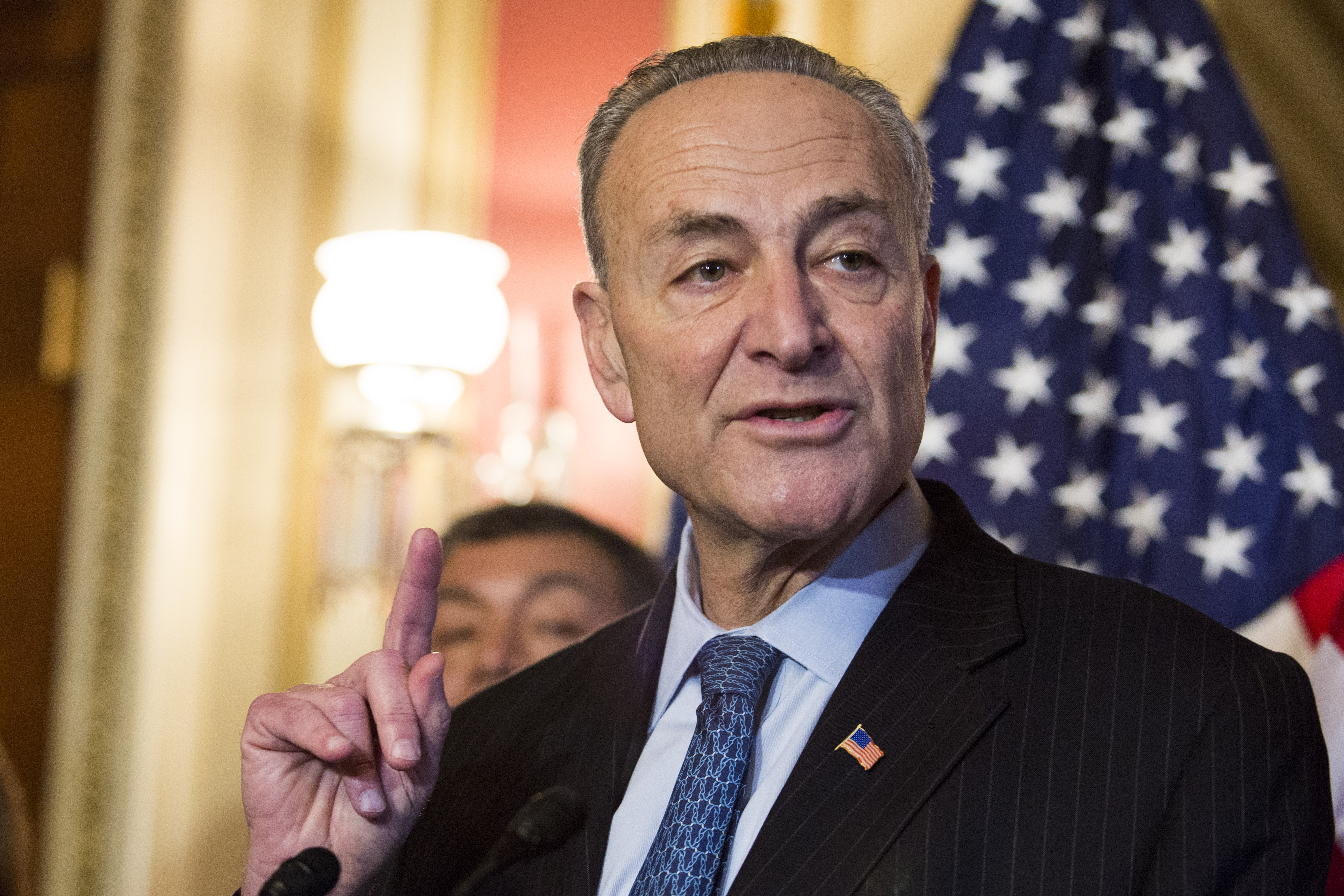
Schumer bill targets Trump’s $1.4B crypto revenue
Senate Minority Leader Chuck Schumer has introduced legislation to establish a federal agency tasked with investigating executive-branch corruption, a direct response to President Donald Trump’s 2025 financial disclosures. The filings reveal that Trump generated over $1.4 billion from crypto-related ventures alone, sparking intense debate over potential conflicts of interest.
Canary Capital Renews Marketing for HBAR ETF Amid Sharp Price Declines
With net assets hovering near $47.8 million, the Canary HBAR ETF remains a niche player in the U.S. crypto market. Despite a recent push by Canary Capital to spotlight the fund’s role in enterprise tokenization, the product faces a difficult year, with market-price returns down over 37% since January.
DeFi suffers $43.4 billion contraction as H1 market sentiment sours
A sharp decline in decentralized finance liquidity during the first half of 2026 erased $43.4 billion in total value locked, marking a broad-based contraction rather than a shift in capital. According to Binance Research, major Layer 1 networks saw valuations tumble by 42% as security incidents and waning activity weighed on the ecosystem.

Coinkite Urges Coldcard Mk3 Users to Migrate Amid Security Concerns
Nearly 600 Bitcoin worth $38 million vanished in a rapid, coordinated sweep, prompting hardware manufacturer Coinkite to issue an urgent warning. The company advised Coldcard Mk3 owners to move funds if their seed phrases were generated using firmware versions 4.0.1 through 5.0.3, citing potential vulnerabilities in key generation.

MoonPay Integrates AI Agents with PayBox Crypto Vault
MoonPay has introduced PayBox, a noncustodial payment vault that grants AI assistants like ChatGPT and Claude the authority to execute financial transactions. By connecting through custom interfaces, users can now delegate crypto swaps, asset bridging, and retail purchases to AI, provided they stay within pre-set security and spending parameters.

Coinbase Shares Slide as Quarterly Loss Overshadows Market Gains
Coinbase shares retreated in extended trading after the crypto exchange posted a $1.36-per-share loss for the second quarter, a sharp reversal from the $5.14 earnings recorded a year earlier. Despite the bottom-line miss and a revenue dip to $1.2 billion, the firm hit a record 10.3% share of global trading volume.
Strategy Posts $8.33B Loss as Bitcoin Portfolio Value Dips
A 27% decline in Bitcoin prices this year has pushed Strategy’s digital asset holdings into the red, resulting in a staggering $8.33 billion operating loss for the second quarter. The sharp reversal highlights the volatility inherent in the company’s aggressive strategy of tying its balance sheet to cryptocurrency markets.

Google Backs $15 Billion Texas Data Center for Anthropic
A proposed $15 billion financing package for a massive data-center campus in Hubbard, Texas, has drawn Google into a strategic alliance with Nexus Data Centers. By guaranteeing Anthropic’s lease and power obligations, Google aims to secure a 20% equity stake in a project anchored by a 1.6-gigawatt natural-gas plant.

Hyperscale Data Pivots Bitcoin Reserves to Fund Michigan AI Campus
Hyperscale Data has liquidated approximately 100 Bitcoin and secured a specialized credit facility to accelerate development of its Michigan-based artificial intelligence infrastructure. The move allows the company to finance critical equipment purchases while maintaining its status as a significant corporate holder of the cryptocurrency.

Canadian Crypto Ownership Hits 25% Amid Regulatory Clampdown
One in four Canadians now holds cryptocurrency, marking a sharp increase from the 10% recorded in 2023. While adoption accelerates, the Ontario Securities Commission reports that widespread confusion regarding platform registration and consumer protections leaves many investors exposed to significant financial risk.