Cryptocurrency

Lawson expands stablecoin pilot to include USDC and USDT in Tokyo
Japanese convenience store operator Lawson is scaling its retail payment experiment by integrating USDC, USDT, and JPYC into its existing checkout infrastructure. By bypassing the need for dedicated hardware, the retailer aims to process digital asset transactions directly through standard point-of-sale registers at two Tokyo locations this month.

Nigeria Mandates Crypto Tax Withholding for Exchanges and P2P Platforms
Nigeria’s revenue authority has unveiled a rigorous tax framework for digital assets, shifting the burden of collection onto exchanges and peer-to-peer marketplaces. Under the new rules effective this August, platforms are now required to withhold levies directly from transactions, marking a significant escalation in the government's oversight of virtual currency activity.

George Santos Banned From Trading After CFTC Market Manipulation Probe
Former U.S. Representative George Santos has agreed to pay over $35,000 and accept a three-year trading ban following a Commodity Futures Trading Commission investigation into his activity on the prediction platform Kalshi, where he allegedly manipulated market prices regarding his attendance at the State of the Union address.

South Korea Pushes Ahead With 22% Cryptocurrency Tax for 2027
South Korea has finalized its 2026 tax reform package, omitting any further delays for the long-debated levy on digital assets. Starting January 1, 2027, investors will face a 22% tax on annual cryptocurrency gains exceeding 2.5 million won, marking the end of a multi-year cycle of repeated postponements.

Jump Capital Closes $350M Fund to Target Enterprise AI Infrastructure
Jump Capital has secured $350 million for its eighth institutional fund, shifting its focus toward the technical foundations of artificial intelligence. The firm intends to back startups that are rebuilding enterprise software, securing autonomous workflows, and constructing the production-ready infrastructure necessary to move AI beyond the experimental phase.

South Korea Crypto Exchanges Expand Offerings with Four New Markets
South Korea’s leading cryptocurrency exchanges, Upbit and Bithumb, opened four new trading markets on August 4, granting local retail investors direct access to the HOME, META2, and USDG tokens. The simultaneous listings highlight a concentrated effort to capture interest in cross-chain DeFi platforms, futarchy governance protocols, and stablecoin assets.

Coldcard Security Breach Losses Estimated at $130 Million
A vulnerability in Coldcard hardware wallets has resulted in the confirmed theft of 1,596 Bitcoin, with total losses projected to reach 2,055 BTC—roughly $130 million—if a suspected fourth wave of attacks is verified by investigators tracking the movement of stolen assets across the blockchain.

BitGo Launches Centralized Control Layer for Institutional Crypto Assets
Institutional trading and treasury teams can now manage capital across disparate platforms through a single interface, as BitGo Holdings officially launched BitGo Link on August 3. The new product aims to eliminate the friction of navigating multiple exchange accounts by consolidating custody, reporting, and transfer controls into one dashboard.

Treasury loses lead crypto adviser as CLARITY Act stalls in Senate
Tyler Williams, a senior digital asset adviser to Treasury Secretary Scott Bessent, exited the department on July 31. His departure comes at a precarious moment for the CLARITY Act, as Senate leaders prioritize government funding legislation over the administration’s flagship proposal to establish a federal framework for crypto markets.

Boltz suspends swap operations following persistent AI-driven attacks
The noncustodial Bitcoin swap provider Boltz halted all services indefinitely on August 3, citing an escalating wave of automated, AI-assisted security breaches. The firm claims attackers are currently refining their methods faster than its development team can deploy defensive patches, forcing a complete shutdown of its infrastructure.

NEAR Protocol Eyes Sovereign Fund to Curb Inflation
NEAR Protocol co-founder Illia Polosukhin has proposed establishing a sovereign treasury backed by 30 million tokens, valued at approximately $57 million. The initiative aims to shift the network away from simple token burns, instead leveraging protocol revenue to generate yields that fund public goods and network security.

POAP Shuts Down After Five Years of Digital Badge Issuance
After five years of documenting digital history through blockchain-based attendance badges, Proof of Attendance Protocol (POAP) is ceasing operations. Co-founder Isabel Gonzalez confirmed the wind-down on August 3, citing an inability to build a sustainable business model without compromising the project’s original ethos and community-driven mission.

Kalshi CEO invokes Nasdaq defense in $36B New York legal battle
New York state is seeking at least $36 billion in damages and penalties from prediction market operator Kalshi, alleging the firm functions as an unlicensed gambling platform. In response, CEO Tarek Mansour has moved the case to federal court, framing the company’s operations as a financial exchange akin to Nasdaq.

Blockchain Association pushes back against sheriffs over CLARITY Act
Conflict persists over the CLARITY Act as the Blockchain Association challenges claims from the National Sheriffs’ Association that the bill creates dangerous loopholes for digital asset criminals. The industry group argues that the proposed legislation successfully balances developer protections with necessary oversight of financial intermediaries.

FBI Agent Accused of Stealing $1M in Crypto and Consulting ChatGPT
A former FBI supervisory special agent faces charges of stealing $1 million in cryptocurrency, allegedly using the funds for personal gain while turning to ChatGPT to plan his flight to Portugal. Patrick Yaroch, once a key figure in counterintelligence, now finds himself on the other side of federal law enforcement.
FalconX slashes 10% of global staff amid market contraction
Institutional prime broker FalconX has cut approximately 35 jobs, representing 10% of its global workforce, as the firm pivots its strategy to weather a prolonged cryptocurrency downturn. The restructuring coincides with a significant shift in the company’s Asian operations and a sharpened focus on European expansion.

Mastercard Finalizes $1.8 Billion Acquisition of Stablecoin Firm BVNK
Mastercard has officially integrated BVNK into its global network, finalizing an acquisition valued at up to $1.8 billion. The move grants the payments giant direct control over infrastructure designed to bridge the divide between traditional fiat banking systems and the burgeoning world of blockchain-based stablecoin assets.
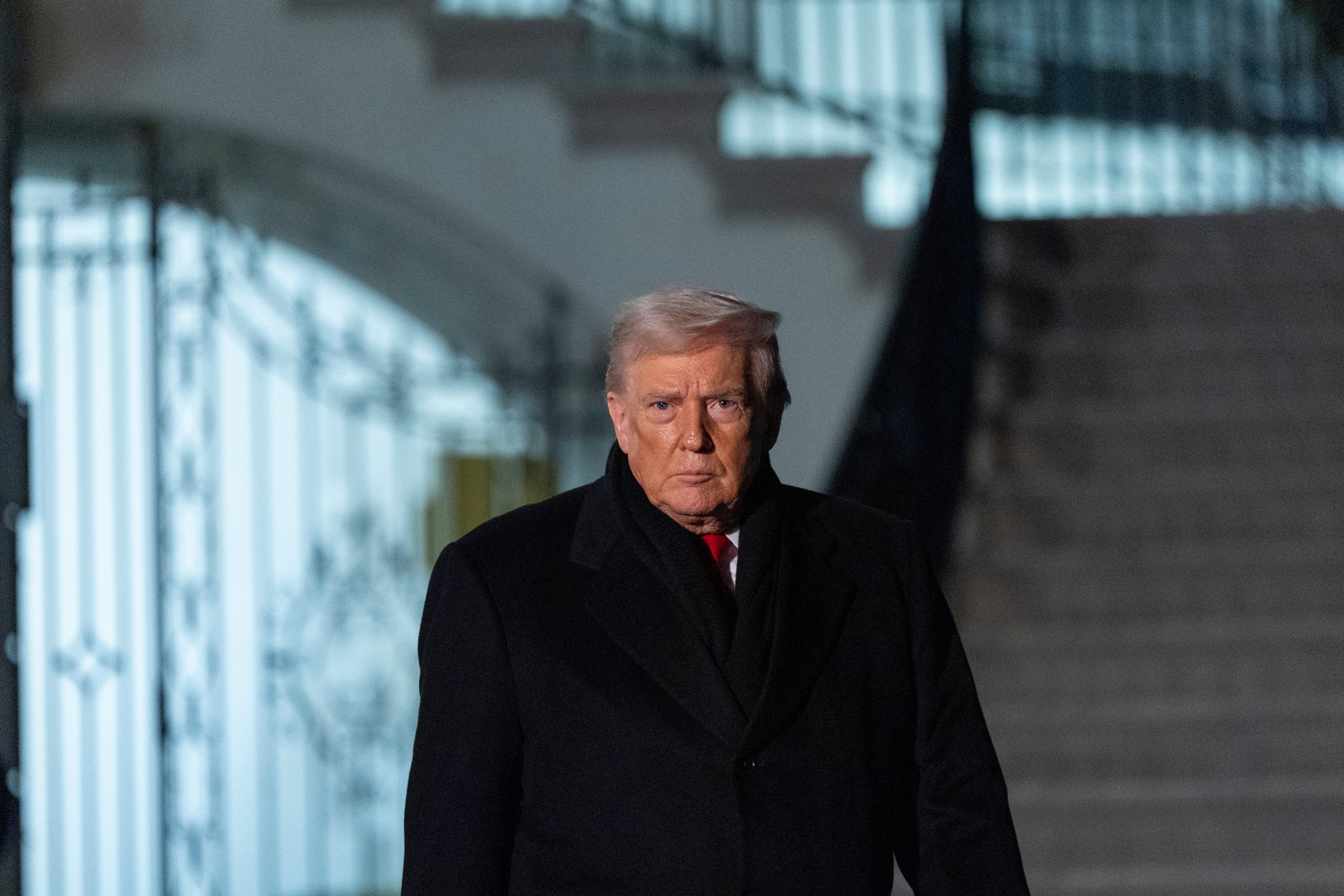
Trump Presses Exxon and Chevron to Cut Prices Amid Record Earnings
“They’re making too much money based on a shortage,” President Trump said Monday, publicly rebuking ExxonMobil and Chevron. The oil giants reported a combined $26.5 billion in second-quarter profits, a surge fueled by supply volatility in the Strait of Hormuz and the ongoing conflict with Iran.
CLARITY Act Stalls as White House Ethics Silence Deepens
With the Senate nearing its recess and no cloture motion filed, the CLARITY Act’s path to law has hit a wall. Legislative momentum evaporated after the White House failed to respond to a bipartisan ethics compromise, causing betting markets to slash the bill’s 2026 passage probability to just 27%.

Ankr Deploys Global Node Infrastructure for XRP Ledger
The XRP Ledger Foundation has partnered with Ankr to launch a suite of globally distributed public nodes, streamlining network access for developers. By providing free mainnet and testnet JSON-RPC endpoints across four continents, the initiative aims to lower entry barriers for builders ahead of the upcoming v3.3.0 software release.

Bitwise Targets NRR Ticker for Proposed NEAR Spot ETF
Bitwise Asset Management has designated NRR as the ticker for its proposed spot NEAR exchange-traded product in an amended SEC filing. The move signals a strategic push to expand US investment offerings beyond Bitcoin and Ethereum, with the firm planning to stake its entire holdings to generate additional yield.

Kenya Migrates 15 Million Academic Records to Avalanche Blockchain
Kenya has transitioned its national academic verification system to the Avalanche C-Chain, replacing manual, paper-based checks that previously took months with near-instant digital authentication. The Kenya National Examinations Council (KNEC) has already anchored over 15 million historical records to the blockchain to combat widespread credential fraud.

BlackRock Expands Tokenized Asset Strategy With Two New Funds
BlackRock is deepening its push into real-world asset tokenization with the launch of two funds designed to bring traditional cash management onto blockchain infrastructure. By offering tokenized versions of money market products, the world’s largest asset manager is bridging the gap between institutional liquidity strategies and decentralized ledger technology.

Circle’s Massive IBM Patent Acquisition Sparks Industry Unease
Circle has secured nearly 1,000 blockchain patents from IBM, effectively creating the largest intellectual property portfolio of its kind in the United States. While the issuer of the USDC stablecoin frames the deal as a strategic infrastructure boost, the move has triggered widespread anxiety among developers and smaller industry competitors.

Bernstein warns of crypto sell-off as CLARITY Act stalls in Senate
With the Senate’s summer recess looming and the Digital Asset Market Clarity Act missing from the official August 3 schedule, market analysts at Bernstein are bracing for volatility. The bill’s path to a vote has narrowed significantly, leaving investors to weigh the risk of a sharp, immediate decline in digital asset prices.

Hashdex to Liquidate $14.7M Bitcoin ETF
Struggling to gain traction in a crowded market, Hashdex is shutting down its spot Bitcoin ETF, known by the ticker DEFI. The firm confirmed the fund will cease trading on NYSE Arca next month, marking a retreat for one of the smaller players in the competitive U.S. crypto asset space.

Bitmine Adds 10,399 ETH as BMNR Shares Face Market Resistance
Bitmine Immersion Technologies has expanded its Ethereum treasury to 5,797,813 ETH, representing 4.8% of the total circulating supply. Despite this aggressive accumulation and a third consecutive week of share repurchases totaling 4.5 million units, BMNR stock struggled to break past $17 amid investor concerns over substantial unrealized losses.

Morgan Stanley cuts Circle price target as USDC growth stalls
Circle shares tumbled 6% in premarket trading after Morgan Stanley downgraded the firm to Underweight and slashed its price target from $106 to $38. The brokerage cited stagnant stablecoin circulation and mounting pressure on reserve income as primary drivers for the drastic reduction in long-term performance expectations.
Strategy liquidates 1,638 Bitcoin to bolster preferred stock support
Strategy has offloaded 1,638 Bitcoin for $104.7 million, pivoting its capital allocation toward preferred-stock dividends and share repurchases. The move, detailed in a Monday SEC filing, highlights a shift in corporate priorities as the firm seeks to stabilize its STRC securities while expanding its U.S. dollar reserve to $4 billion.
Stacks looks to link Bitcoin liquidity to STX demand
Stacks is preparing to launch a self-custodial Bitcoin staking system, a move designed to transform dormant BTC capital into a recurring demand driver for its native asset, STX. The protocol’s success hinges on whether it can bridge the gap between Bitcoin’s massive market cap and the currently limited reach of decentralized finance.