Cryptocurrency

Polymarket Eyes $20 Billion Valuation in New Funding Round
Polymarket has entered preliminary discussions with investors to raise roughly $1 billion, a move that would push the prediction market’s valuation past the $20 billion threshold. The talks, first reported by Bloomberg, signal an aggressive expansion strategy as the firm navigates a complex regulatory landscape and stiff competition.

Arthur Hayes bets on AI credit crunch to fuel Bitcoin bull run
BitMEX cofounder Arthur Hayes is positioning Bitcoin as the ultimate hedge against a potential AI-induced credit collapse. In his latest essay, "Situationship," Hayes argues that the massive capital expenditure currently pouring into data centers mirrors the 2008 real estate bubble, creating a fragile debt-laden foundation rather than a simple equity market correction.

US and UK Align Stablecoin Standards Amid Regulatory Shift
Financial regulators from Washington and London have intensified collaboration on digital asset oversight, signaling a push for policy convergence as the United States transitions toward implementing the GENIUS Act. The 13th UK-US Financial Regulatory Working Group meeting in London focused on harmonizing stablecoin frameworks and cross-border market access.

SpaceX Bets on NVIDIA Vera Rubin for Orbital AI Constellation
SpaceX has tapped NVIDIA to power Starmind, an ambitious orbital network designed to process artificial intelligence workloads directly in space. The partnership centers on the Vera Rubin platform, a hardware suite engineered to handle the extreme power and weight constraints of satellite operations while delivering massive compute capacity.
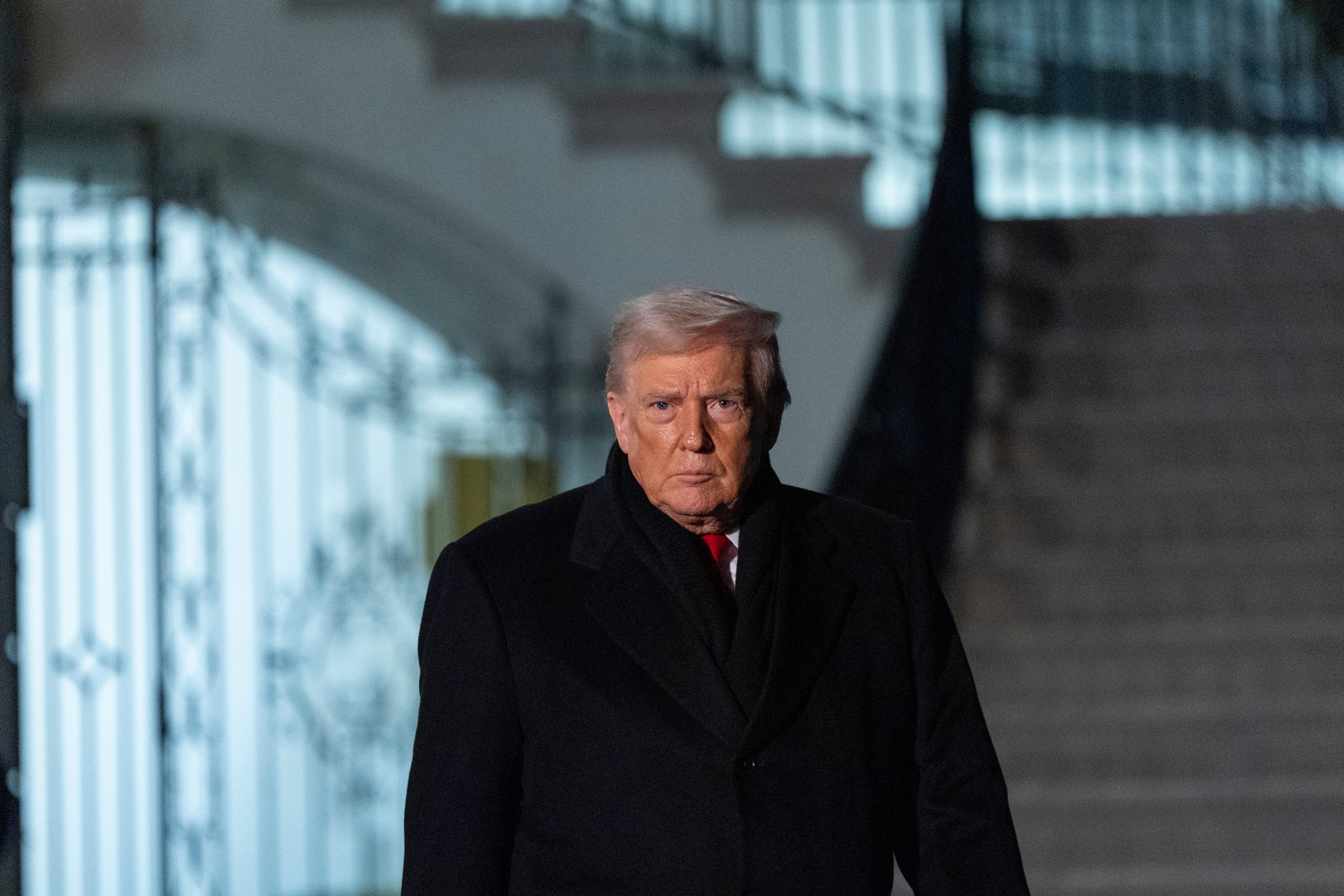
A presidential memecoin stalls the US crypto bill
The Digital Asset Market Clarity Act, intended to provide the industry with long-awaited regulatory guardrails, has hit a political wall. The legislation remains frozen in Congress as lawmakers clash over whether to include ethics provisions that would restrict the president from profiting from his own crypto token while in office.

Senate Democrats threaten to block CLARITY Act over policy disputes
Senate Democrats are signaling a refusal to support a cloture vote on the CLARITY Act, jeopardizing the bill’s path forward. Lawmakers demand concrete concessions on ethics, illicit finance, and stablecoin yield provisions, effectively stalling the legislation as the window for action narrows before the upcoming August recess.

SpaceX’s Bitcoin Bet Overshadows Record Earnings
SpaceX’s first public earnings report revealed a $540 million loss on its bitcoin holdings, a figure that effectively neutralized the company's strong operational performance. While revenue soared to $7.8 billion—surpassing Wall Street expectations by $900 million—the massive crypto write-down forced a revaluation of the stock by nervous investors.

CLARITY Act stalls as Senate prioritizes government funding
With the August recess looming, the Digital Asset Market Clarity Act (H.R. 3633) failed to secure a spot on the Senate’s Tuesday agenda. The omission leaves the bill without a necessary cloture motion, forcing the crypto industry to wait as leadership prioritizes a continuing resolution to fund the government.

The Brutal Math Behind Every Meme Coin
While social media narratives frame meme coins as unpredictable cultural phenomena, their life cycle is dictated by cold, mechanical arithmetic. On platforms like Pump.fun, a specific pricing formula known as a bonding curve ensures that the vast majority of tokens never reach a public exchange, creating a structural transfer of wealth from latecomers to early insiders.

BNY Integrates Galaxy Infrastructure for Institutional Crypto Staking
BNY is integrating Galaxy’s staking infrastructure into its digital asset custody platform, a move designed to streamline how institutional clients manage proof-of-stake assets. By merging safekeeping with staking workflows, the bank aims to reduce the operational friction typically associated with maintaining separate service providers for digital portfolios.

SpaceX Earnings Test Investor Patience Amid AI Pivot
As SpaceX prepares to publish its first quarterly earnings as a public company, investors are looking past an anticipated $1.9 billion loss to gauge the firm’s long-term viability. The results, arriving after a 50% stock plunge from its IPO peak, will hinge on whether Starlink revenue can bankroll the company’s high-stakes AI infrastructure.

Wells Fargo to Launch Blockchain-Based Tokenized Deposits
Wells Fargo will introduce tokenized deposits this fall, offering corporate clients the ability to settle funds across borders outside of traditional banking hours. The pilot program, initially supporting transactions between U.S. dollars and British pounds, signals a shift toward 24/7 programmable payments within a regulated, blockchain-based framework.

Ethereum Researchers Propose Capping Staking Rewards
A new draft proposal, EIP-8361, aims to phase out Ethereum validator rewards once 50% of the total circulating supply is staked. By introducing a 'Tapered Issuance Burn,' the mechanism seeks to prevent excessive dilution of the network's native token while curbing perpetual incentives for further staking deposits.
Bybit Secures Austrian EMI License to Expand EU Payment Services
Austria’s Financial Market Authority granted Bybit Payments GmbH an Electronic Money Institution license on August 4, authorizing the subsidiary to issue electronic money and process payments across the European Union. The move creates a regulated framework for the exchange to integrate fiat-based services alongside its existing crypto-asset operations.

Kalshi Integrates Employee Oversight to Court Institutional Clients
Prediction market operator Kalshi has partnered with compliance firm Comply to integrate employee trading data into institutional monitoring software. The move aims to mitigate regulatory risks for financial firms by tracking potential insider trading in event contracts, even as the startup faces a massive $36 billion legal challenge from New York.
XRP ETFs Cross $1.5 Billion Milestone Amid Institutional Demand
Cumulative net inflows into XRP exchange-traded funds have surpassed $1.51 billion, signaling a steady rise in institutional confidence. While these figures remain below the long-term projections of $4 billion to $8 billion suggested by analysts at JPMorgan and Standard Chartered, the consistent capital intake marks a significant structural development for the asset.

David Schwartz Highlights Risks Behind $100M Coldcard Security Breach
A firmware flaw in Coldcard hardware wallets has enabled the theft of over $100 million in Bitcoin, prompting Ripple CTO Emeritus David Schwartz to warn that self-custody does not eliminate operational risk. The breach highlights how rare technical failures can circumvent even the most rigorous offline security measures.

ARK Invest Ups Crypto Stakes With $9.4 Million Stock Buy
Cathie Wood’s ARK Invest acquired $9.4 million in Coinbase and Circle shares on August 3, signaling confidence in crypto-linked assets despite ongoing legislative uncertainty. The firm spread its capital across multiple ETFs even as the U.S. Senate continues to weigh the future of the CLARITY Act before its upcoming recess.
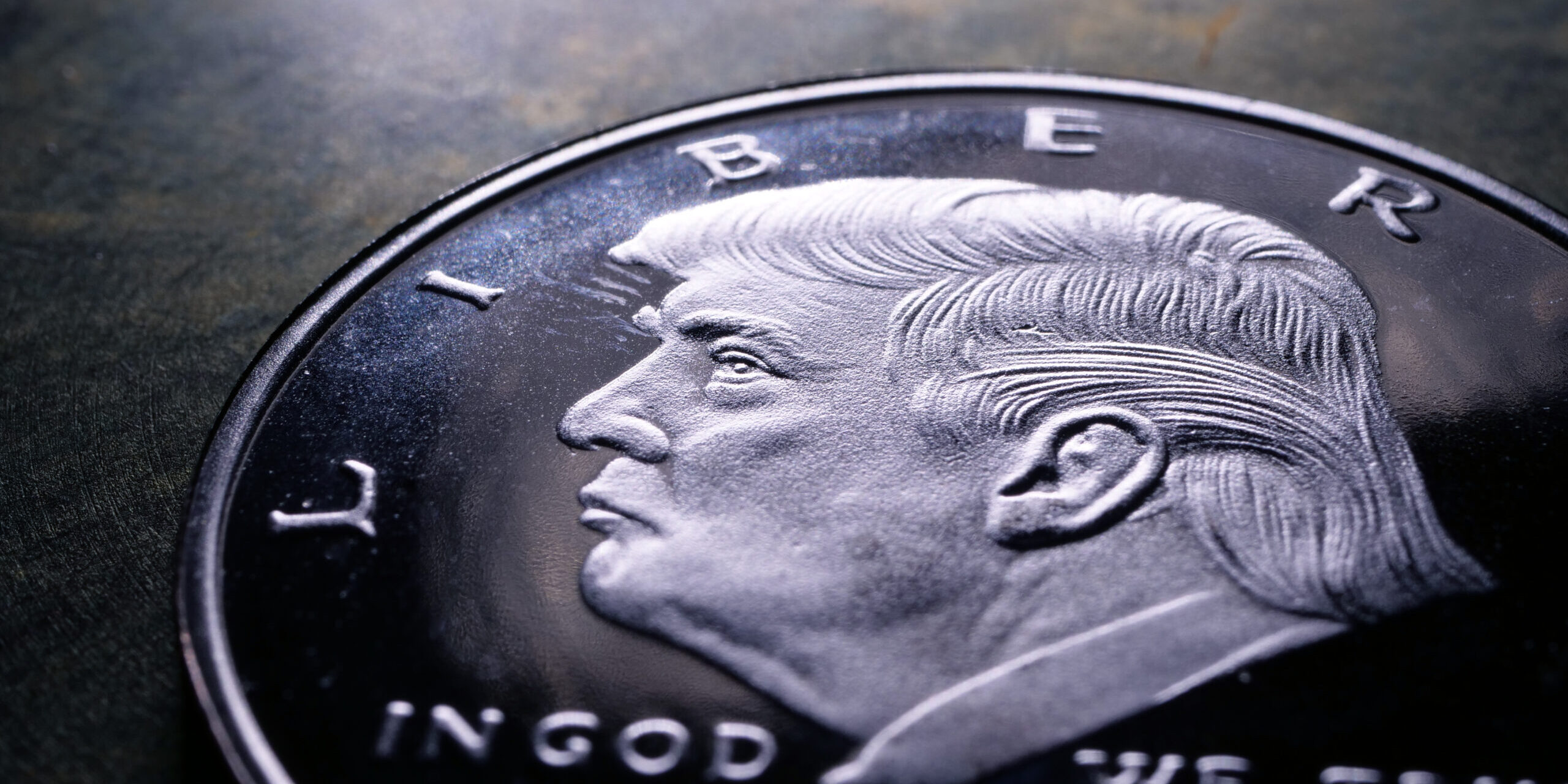
Senators Press SEC to Probe TRUMP Token Following $3.8 Billion Collapse
Democratic senators Elizabeth Warren and Richard Blumenthal have formally requested a federal investigation into the TRUMP meme coin, citing concerns that the asset’s 98% value collapse may have functioned as a sophisticated “soft rug pull” designed to enrich insiders at the expense of nearly one million retail investors.

Dinari Brings Tokenized S&P 500 Trading to U.S. Investors
U.S. investors can now trade tokenized versions of all S&P 500 stocks, as Dinari rolls out a platform allowing direct ownership via self-custody wallets. By replacing traditional brokerage infrastructure with blockchain-based settlement, the firm aims to bridge the gap between USDC liquidity and the $60 trillion domestic equities market.

Coldcard exploit sparks shift from self-custody to centralized exchanges
A major security flaw in Coldcard hardware wallets has triggered a wave of investor migration back to centralized exchanges, reversing the industry-wide trend toward self-custody. As victims reckon with the theft of nearly 1,600 Bitcoin, users are increasingly prioritizing the managed security infrastructure offered by platforms like OKX.

BitGo Shifts $7.3 Billion Wrapped Bitcoin to Chainlink CCIP
BitGo has replaced LayerZero with Chainlink’s Cross-Chain Interoperability Protocol as the exclusive provider for Wrapped Bitcoin transfers. This transition, involving assets worth $7.3 billion, marks a significant infrastructure overhaul for the largest tokenized version of Bitcoin, aiming to centralize control over cross-chain token contracts and security parameters.

Bitdeer Secures $4.7B Norway Data Center Deal to Drive AI Expansion
A 16-year colocation agreement with Volta Tydal AS positions Bitdeer Technologies Group to capture $4.7 billion in revenue. The deal transforms the company's Norwegian Tydal campus into a high-performance computing hub, signaling a strategic pivot from Bitcoin mining toward the rapidly expanding artificial intelligence infrastructure market.

Bitcoin Climbs as Market Shrugs Off Cramer’s Quantum Exit
Bitcoin rose 1.6% to trade near $63,700 on August 4, appearing unfazed by CNBC host Jim Cramer’s announcement that he plans to liquidate his holdings. Cramer cited potential quantum computing threats as his primary motivation, echoing recent warnings from IBM CEO Arvind Krishna regarding the long-term security of digital assets.

BlackRock Expands Tokenized Liquidity to $311B in European Funds
BlackRock has launched tokenized share classes for its European institutional money market funds, bringing $311 billion in assets onto the Ethereum blockchain. The initiative, powered by the Kinexys by JPMorgan platform, allows approved institutional investors to manage fund shares directly via digital wallets while maintaining traditional regulatory compliance.

Ripple bets on infrastructure as tokenized funds exit pilot phase
Financial institutions are officially transitioning tokenized assets from experimental pilot programs into live production environments, according to Ripple President Monica Long. This shift has triggered an urgent demand for the technical infrastructure required to manage regulated assets on public blockchains, moving beyond isolated proofs of concept to full-lifecycle market operations.

India Expands Tax Reporting to Include Crypto and CBDCs
India’s Central Board of Direct Taxes has overhauled its international tax reporting standards, mandating that financial institutions include crypto-assets, central bank digital currencies, and digital money products within their disclosures. This move aligns digital asset oversight with long-standing global protocols for cross-border information sharing.

Apple Briefly Removes Telegram Over Child Safety Policy Violations
Apple pulled Telegram from the App Store this week, citing the discovery of content that violated its strict policies against child sexual abuse material. The messaging platform was reinstated shortly after Telegram banned the account responsible for the offending content, though the brief blackout rattled the crypto market and drew fresh criticism from industry rivals.
Coinbase sets September 9 deadline for institutional Deribit migration
Coinbase will shift its International Exchange institutional accounts, balances, and open positions to Deribit on September 9. The move marks a significant consolidation of the firm’s global derivatives infrastructure following its $2.9 billion acquisition of the options exchange, forcing clients to overhaul their technical and financing setups before the cutover.

Intesa Sanpaolo pivots crypto strategy with major IBIT, ETHB adjustments
Italy’s largest banking group, Intesa Sanpaolo, significantly reshuffled its digital asset holdings in the second quarter of 2026, cutting its stake in BlackRock’s iShares Bitcoin Trust (IBIT) by nearly 94% while simultaneously tripling its investment in the iShares Staked Ethereum Trust (ETHB).