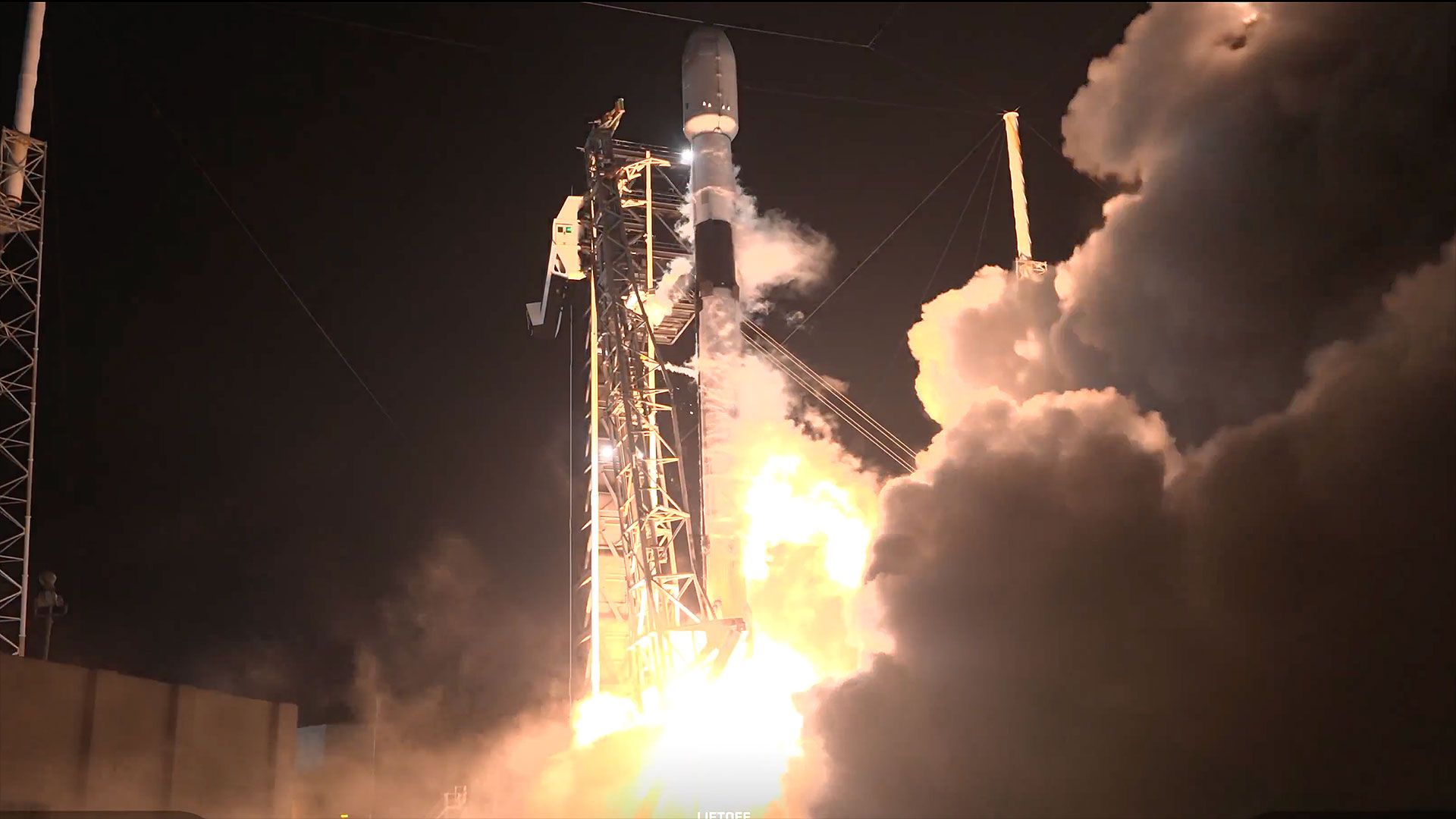
The project represents a shift in data management, aiming to run large language models and process information in orbit rather than transmitting raw data back to Earth. NVIDIA claims its Space-1 module, which combines high-bandwidth connections with specialized GPUs and CPUs, offers up to 25 times the AI compute power of an H100 GPU. Elon Musk has confirmed that SpaceX intends to build its AI infrastructure exclusively on NVIDIA hardware, citing the Vera Rubin system as the most capable option available.
Regulatory and Financial Hurdles
Scale remains the most significant obstacle for the initiative. SpaceX has petitioned the Federal Communications Commission for approval to launch up to one million non-geostationary satellites. While the FCC accepted the application for filing in February, the request faces intense scrutiny regarding orbital congestion, radio interference, and potential collision risks. Even with regulatory clearance, the company faces the logistical challenge of managing thermal output and power generation for a fleet of this magnitude. Market reaction has been volatile; while shares initially surged on the partnership news, investors remain cautious about the long-term capital expenditure required to transform these orbital data centers into a profitable infrastructure model.
Comments (0)
No comments yet. Be the first!