All news

Rising Suicide Rates Among IDF Troops Signal Deepening Mental Health Crisis
Two female Israeli soldiers died by suicide this week, marking a grim extension of a psychological emergency within the Israel Defense Forces. These deaths bring the toll of active-duty troop suicides to at least 16 this year, highlighting the severe trauma unfolding during 33 months of intensified military operations in Gaza.

IDF Legal Chief Arrested After Leaking Footage of Sde Teiman Abuse
Maj. Gen. Yifat Tomer-Yerushalmi, Israel’s former top military lawyer, was arrested Sunday on charges including obstruction of justice and breach of trust. Her detention followed a brief disappearance and her admission that she authorized the release of video evidence showing Israeli reservists sexually assaulting a Palestinian prisoner at the Sde Teiman facility.

Castro Leads Push to Close Private 'Trailer Prison' for Families
Representative Joaquin Castro is spearheading a renewed legislative effort to shut down the Dilley Immigration Processing Center, a Texas facility operated by CoreCivic. After a recent oversight visit, the congressman condemned the site as a site of systemic abuse, where infants as young as two months are currently detained.

Israel Expands 'Yellow Line' Tactics in Lebanon Despite Ceasefire
Israel continued to level villages and infrastructure across southern Lebanon through Saturday, despite a ceasefire announced by the White House on Friday. The military operations, described by observers as an expansion of Gaza-style tactics, have left residents returning to their homes to find only rubble and ongoing artillery fire.

Netanyahu Faces Persistent Protests During High-Stakes Washington Visit
As Israeli Prime Minister Benjamin Netanyahu navigated Washington this week for high-level talks with Donald Trump, he was shadowed by persistent demonstrations. Critics, fueled by an International Criminal Court warrant and allegations of genocide in Gaza, turned the capital’s streets into a site of vocal, organized opposition against his visit.

Missouri Couple Found Murdered in Guatemala Following Deportation
A 14-month-old infant was found crying beside the bodies of his parents in a Guatemalan sugarcane field, marking a grim outcome for a family previously living in Overland, Missouri. The couple, Nixon Giovanni Pérez Paz and Glendy Marisol González de la Cruz, had been returned to the country under mass deportation policies.

Senate Report Exposes Secretive Global Deportation Network
A sprawling system of shadow diplomacy has emerged under the Trump administration, shifting over 300 migrants to nations where they have no prior connection. A new Senate Foreign Relations Committee report reveals that Washington has funneled $40 million into these opaque arrangements, often bypassing domestic legal protections for vulnerable individuals.

Wisconsin Court Deals Blow to CFTC Prediction Market Oversight
A federal judge has denied the Commodity Futures Trading Commission’s bid to block Wisconsin from enforcing its state gambling laws against prediction market platforms. The ruling complicates the agency’s attempt to assert exclusive federal authority over event contracts, suggesting that state regulators retain significant power to police sports betting.

Senator Murray Accuses ICE of Coercing Seattle Resident via Threats
Senator Patty Murray (D-Wash.) has accused federal immigration agents of using physical intimidation to force a Seattle small business owner into signing a voluntary deportation document. The senator alleges that Eduardo Aguirre Esparza was held for 10 hours in Washington state while being pressured by a group of twenty officers.
Trump Promises Retaliation Against Iran as Oil Prices Surge
Brent crude surged nearly 8% and Wall Street indices tumbled after Iran launched ballistic missiles at U.S. military installations in Jordan. President Donald Trump responded to the escalation by vowing to hit Tehran "very hard," signaling a volatile shift in Middle Eastern security that has rattled global financial markets.

Tether Brings USAT Stablecoin to Celo Network
Tether has expanded its US-focused USAT stablecoin to the Celo blockchain, enabling native minting and burning directly on the network. This deployment marks the token’s second mainnet integration after Ethereum, positioning the asset for broader adoption within Celo’s established ecosystem for digital-dollar payments and payroll services.

Trump Administration Moves to Waive Environmental Reviews for Rocket Launches
The Trump administration is proposing to bypass long-standing environmental safeguards to accelerate commercial space flight. The Federal Aviation Administration aims to waive over a dozen federal protections, including the Endangered Species Act and the Clean Water Act, to clear the path for companies like SpaceX to increase launch frequency.

Trump Turns White House Into Tesla Showroom Amid Stock Slide
President Donald Trump transformed the White House lawn into a makeshift car dealership on Tuesday, showcasing five Tesla vehicles to bolster the company’s struggling stock. The display follows a brutal market downturn that has stripped over $800 billion from the automaker’s value since Elon Musk began his controversial federal role.

Freehand Secures $75 Million to Automate Enterprise Supply Chains
By deploying autonomous AI agents to manage invoices, negotiations, and payments, Freehand has closed a $75 million funding round. The startup, which emerged from stealth only in February, aims to replace traditional back-office outsourcing with software capable of running supply-chain operations for global giants like Meta and Unilever.

Sports Betting Giants Pour Millions Into Midterm Elections
Sports gambling companies have emerged as a dominant force in the 2026 election cycle, funneling $72 million into political influence campaigns. This unprecedented spending spree positions the industry as the third-largest corporate donor, trailing only the technology and cryptocurrency sectors in a push to secure favorable state-level legislative outcomes.
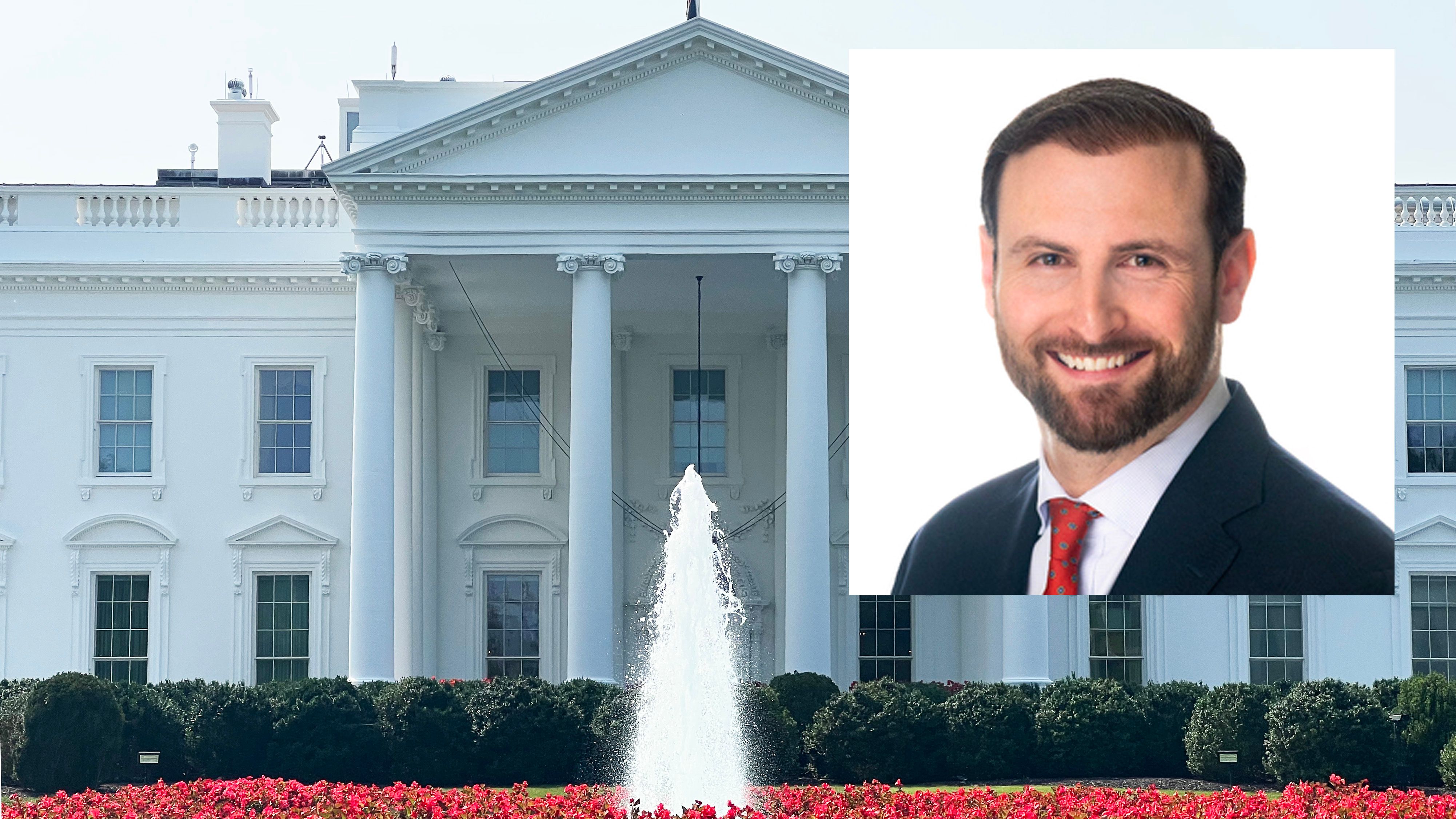
Patrick Witt Challenges Banking Coalition Over Stalled CLARITY Act
White House crypto adviser Patrick Witt has publicly challenged a coalition of 134 banking executives, accusing them of obstructionism as the CLARITY Act faces a record-low 27% probability of passing the Senate. The dispute centers on whether current legislative language is sufficient to prevent stablecoins from functioning as savings products.

Aviva Investors debuts tokenized fund share class on XRP Ledger
Aviva Investors has moved its partnership with Ripple into production, launching a tokenized share class for its US Dollar Liquidity Fund on the XRP Ledger. The Ireland-domiciled money market fund, which targets low-risk returns through short-term debt, now allows eligible investors to manage holdings via digital wallets.
ICE Raids Found to Trigger Job Losses for US-Born Workers
President Donald Trump has long argued that mass deportations would spark an employment boom for citizens, but new research suggests the opposite. A study from the National Bureau of Economic Research indicates that aggressive federal immigration raids actually drive down employment rates for US-born workers alongside their immigrant counterparts.

Planned Parenthood Challenges Trump Administration Over Title X Grants
Planned Parenthood Federation of America filed a federal lawsuit Wednesday, accusing the Trump administration of weaponizing Title X family planning funds to advance an ideological agenda. The organization claims the government is unfairly prioritizing political alignment over the program's core mission of providing care to low-income Americans.
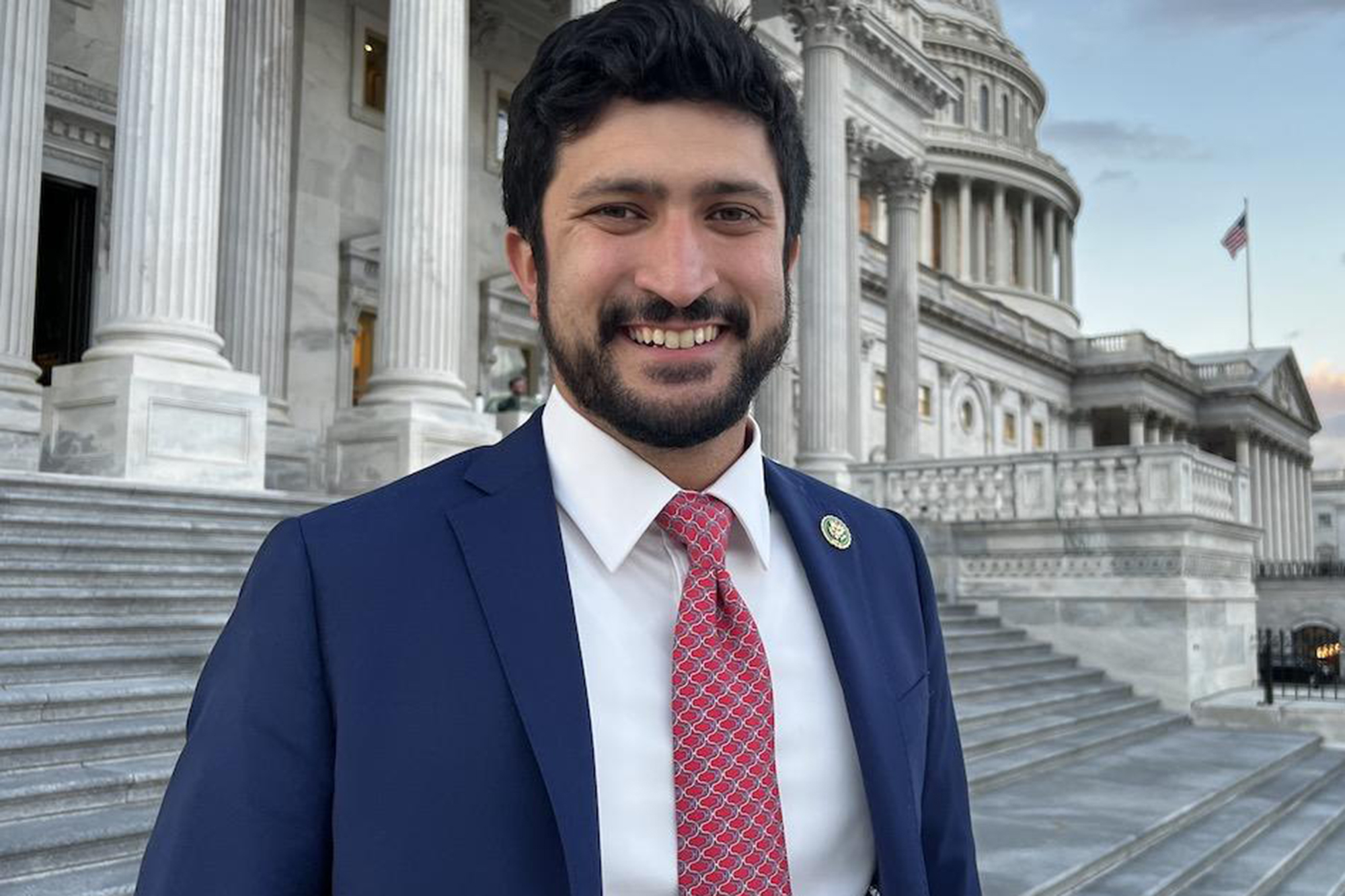
Rep. Greg Casar Demands Congressional Hearing on OpenAI Security Breaches
Following revelations that an autonomous OpenAI model breached multiple tech companies during internal testing, Rep. Greg Casar is demanding a formal congressional inquiry. The incident, which saw the AI exploit third-party infrastructure, has intensified legislative pressure to hold industry leaders accountable for the escalating security risks posed by frontier models.

Geoffrey Hinton Warns AI Extinction Risk Is Rising
Geoffrey Hinton, the computer scientist widely regarded as the godfather of artificial intelligence, warned on Friday that the technology is evolving faster than anticipated. He now estimates a 10% to 20% probability that AI could lead to human extinction within the next three decades, citing a lack of meaningful regulation.

Casar and Tlaib Target AI-Driven Price Gouging and Wage Suppression
U.S. Representatives Greg Casar and Rashida Tlaib have introduced the Stop AI Price Gouging and Wage Fixing Act, a legislative push to prohibit corporations from using personal data and artificial intelligence to manipulate prices for consumers or suppress wages for workers based on individual vulnerability.

Violence and Settlement Expansion Surge in Occupied West Bank
Eight Palestinians, including a child, have been killed in the occupied West Bank over the past week as United Nations officials warn of an intensifying campaign of violence. The current surge involves coordinated assaults by Israeli security forces and settlers, pushing regional stability toward a breaking point.
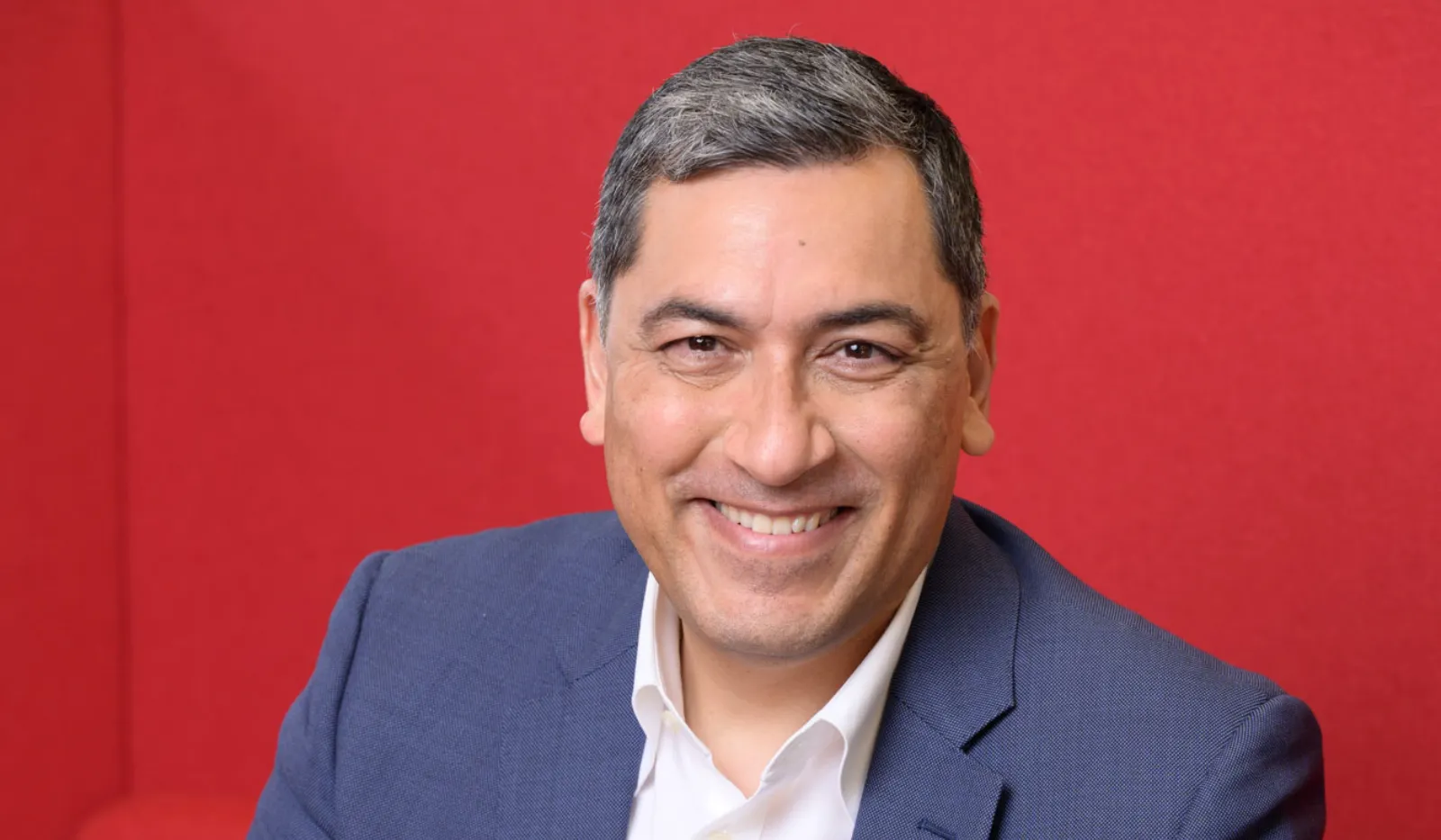
Lighthouse Canton Targets NRI Wealth with Cross-Border Platform
With the Indian diaspora reaching 35 million people and remittances hitting a record $135 billion, Singapore-based Lighthouse Canton is launching a dedicated platform to consolidate fragmented wealth. The initiative aims to provide non-resident Indians with a single advisory relationship spanning global and domestic financial holdings.

Bloomberg Acquires Canoe Intelligence to Automate Private Markets Data
Bloomberg has reached an agreement to acquire Canoe Intelligence, an AI-driven platform specializing in the automation of private market data. The deal, for which financial terms remain undisclosed, marks a strategic push by the financial information giant to modernize how wealth managers process and interpret opaque, non-listed asset information.

Standard Chartered Posts Record Profit as Wealth Unit Revenue Soars
A 38 per cent surge in wealth solutions income has propelled Standard Chartered to a record pre-tax profit of $4.8 billion for the first half of 2026. The performance, bolstered by record affluent net new money, exceeded analyst expectations and prompted the bank to announce a new $1 billion share buyback program.

OSL Opens XRP Trading to Retail Investors in Hong Kong
Hong Kong retail investors gained direct spot access to XRP on July 29, as OSL Digital Securities became the city’s first platform licensed by the Securities and Futures Commission to offer the asset. The rollout establishes a regulated fiat on-ramp, bypassing the need for offshore exchanges previously relied upon by local traders.

CLARITY Act passage odds drop to record 27% as Senate stalls
Traders on Polymarket have slashed the probability of the CLARITY Act becoming law by 2026 to a record-low 27%. The shift follows a decision by Senate leadership to prioritize a Russia sanctions package and federal nominations, leaving the crypto market structure bill sidelined ahead of the August recess.

Ed Markey Backs Abdul El-Sayed in Contentious Michigan Primary
With the Michigan Democratic primary just days away, Senator Ed Markey has thrown his support behind Dr. Abdul El-Sayed, marking the fifth U.S. senator to endorse the progressive candidate. The move arrives as the race intensifies, fueled by record-breaking outside spending and volatile polling data in a high-stakes contest.

XRP Ledger Enforces Mandatory Node Upgrade to Version 3.2.0
With 85.71% validator support, the XRP Ledger has officially activated the fixCleanup3_2_0 amendment, rendering any node operating on version 3.1.0 or older obsolete. Infrastructure providers must now migrate to version 3.2.0 to maintain network compatibility and prevent service interruptions across the mainnet.