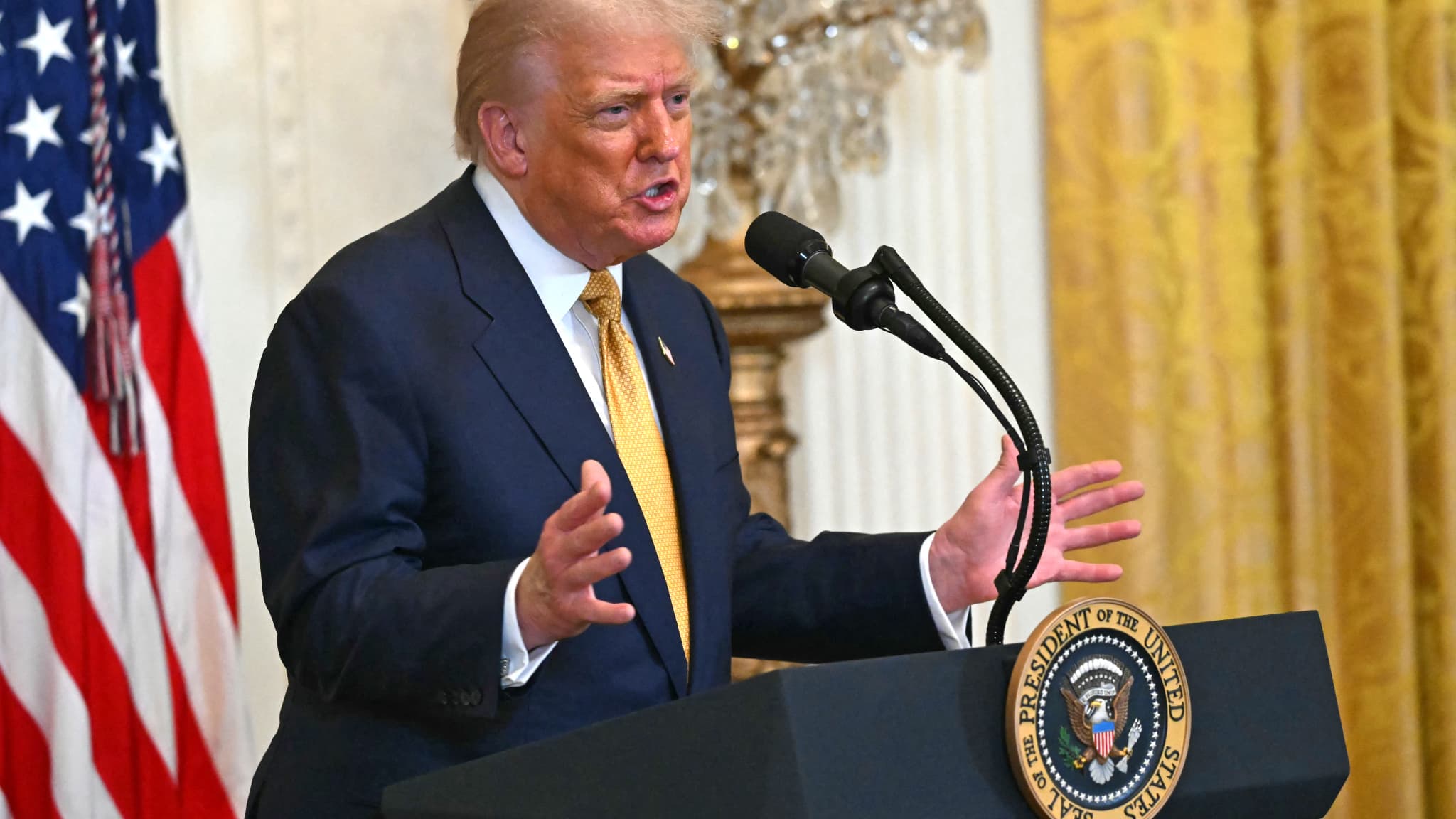
Ezra Levin and Leah Greenberg of Indivisible recently published findings from Lake Research Partners, which suggest that pledges to lower costs gain credibility when paired with concrete plans to curb corporate influence. According to the organizers, voters are increasingly sensitive to the idea that the political system is rigged, making the intersection of self-dealing and economic hardship a potent narrative for the opposition.
This "kitchen-table populism" approach is gaining traction among movement strategists. Dustin Guastella of Teamsters Local 623 and Erica Etelson of the Rural Urban Bridge Initiative have advocated for a similar strategy, noting that their own polling confirms a simple, effective formula: promise to lower costs while cracking down on those who game the system.
Elections analyst Charlie Cook observes that economic anxiety is already creating openings for Democrats in historically Republican territories. Cook points to the administration’s foreign policy in Iran and subsequent trade tariffs as key drivers of unrest. These policies have spiked the costs of essential goods like diesel and fertilizer, hitting the very rural and small-town demographics that form the core of the President's base. For Democrats, the path forward appears to lie in translating these specific economic grievances into a broader indictment of the current administration’s integrity.
Comments (0)
No comments yet. Be the first!