All news
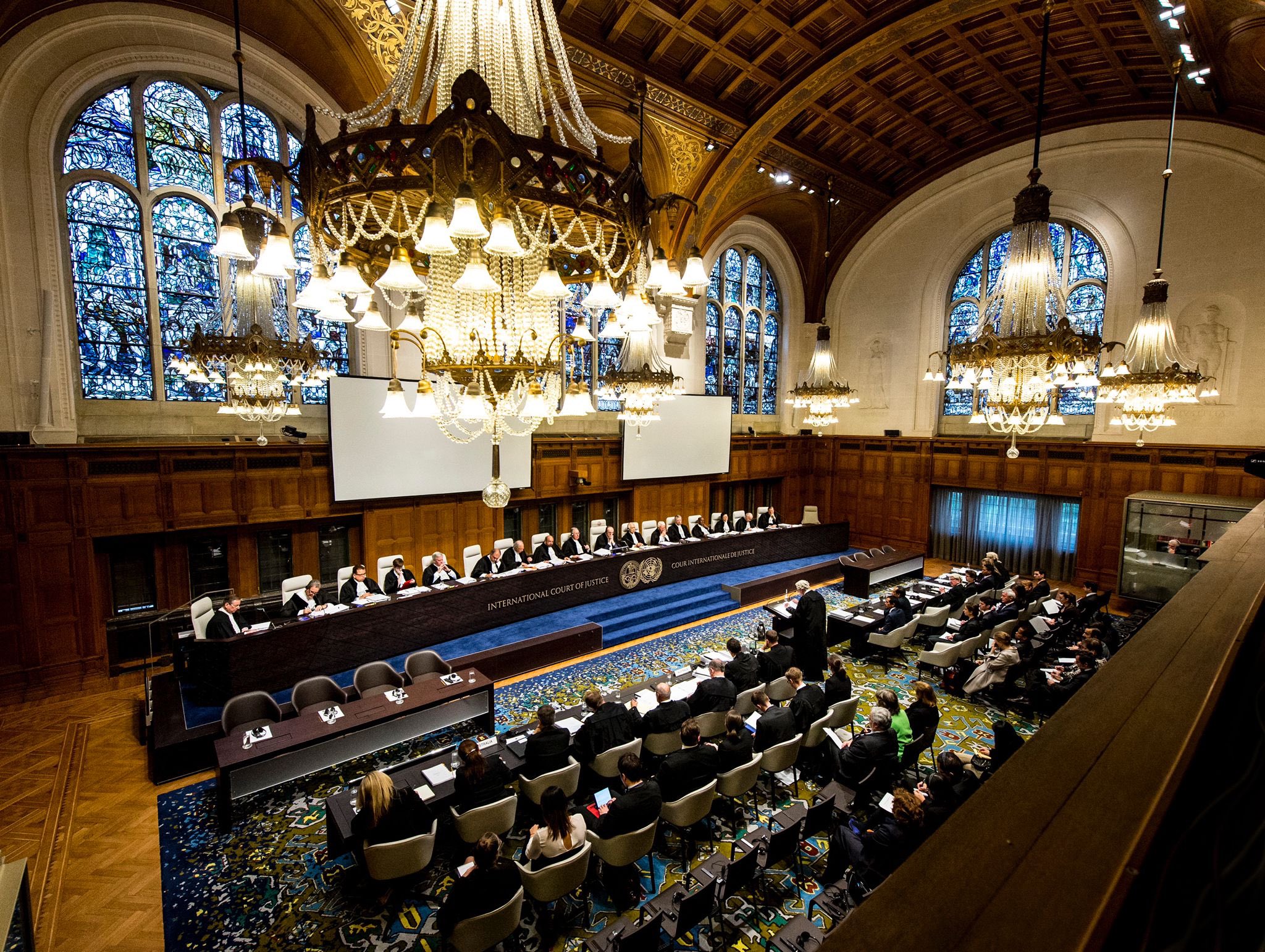
ICJ Orders Israel to Expand Gaza Aid as Famine Claims More Lives
Faced with deepening famine and the preventable deaths of children, the International Court of Justice has issued a new provisional order demanding Israel facilitate the immediate, unhindered delivery of humanitarian aid to Gaza, while reinforcing earlier mandates to prevent acts of genocide within the enclave.
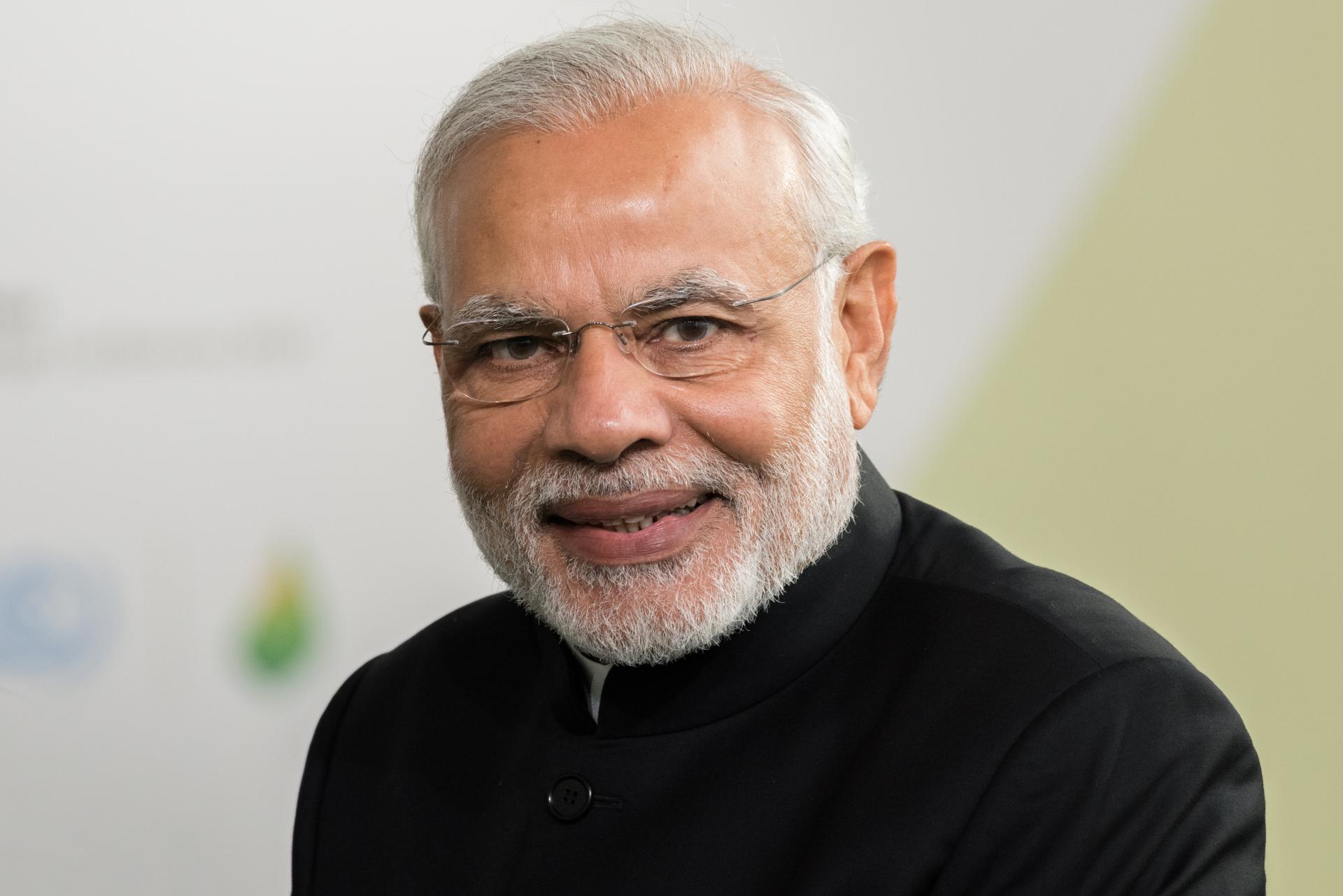
Amnesty Warns India of Complicity in Gaza War Through Arms Exports
Persistent military shipments from India to Israel risk making New Delhi, its leadership, and domestic arms firms legally complicit in the ongoing war in Gaza. A new investigation by Amnesty International highlights thousands of transfers that continue despite mounting international warnings regarding the potential for grave violations of humanitarian law.

Amnesty International Accuses Israel of Genocide in Gaza
Amnesty International has officially concluded that Israel’s military campaign in Gaza constitutes genocide, marking a significant escalation in the human rights group’s position. The organization joins a growing chorus of UN experts and historians who argue that the scale of destruction and dehumanizing rhetoric reveal a clear intent to destroy the population.

UN Report Details Unprecedented Destruction of Gaza Infrastructure
With 37 million tons of debris scattered across the enclave, the war in Gaza has reached a scale of devastation unseen since World War II. A new United Nations study warns that the collapse of housing and the economy will set the territory back decades, creating a systemic development crisis.
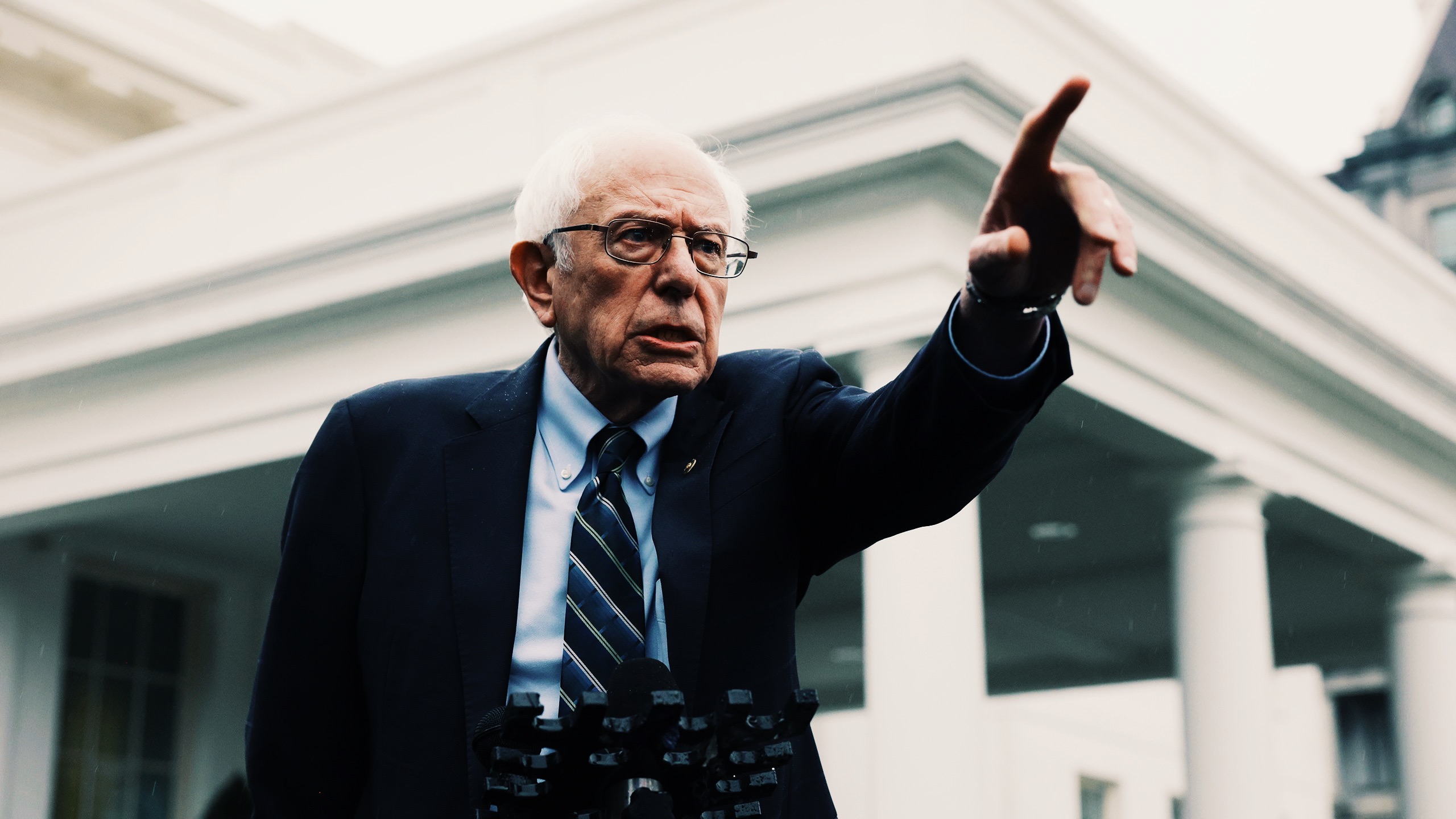
Senators Push to Penalize Pentagon Over Persistent Audit Failures
After eight consecutive failed audits and no fiscal accountability, a bipartisan group of senators is moving to impose financial consequences on the Department of Defense. The proposed Audit the Pentagon Act would withhold 2% of funding from any office unable to verify its spending, returning those tax dollars to the Treasury.
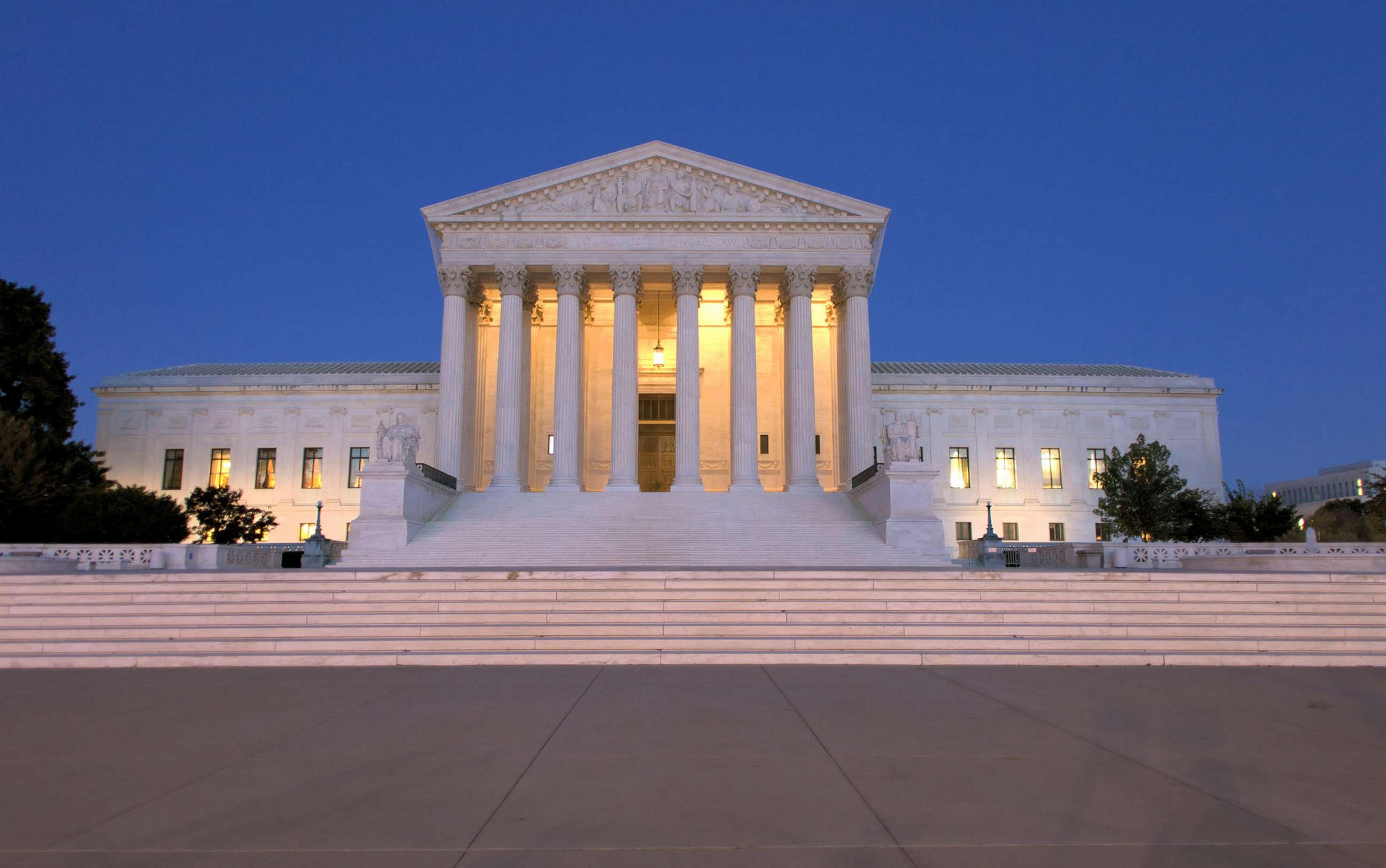
Supreme Court Clears Path for Alabama Map as Tennessee Sued Over Bias
The U.S. Supreme Court’s 6-3 decision on Monday allows Alabama to revert to a congressional map that critics say disenfranchises Black voters, even as civil rights groups launched a new federal challenge against Tennessee for its own racially gerrymandered districts that dismantle a long-standing majority-Black seat in Memphis.
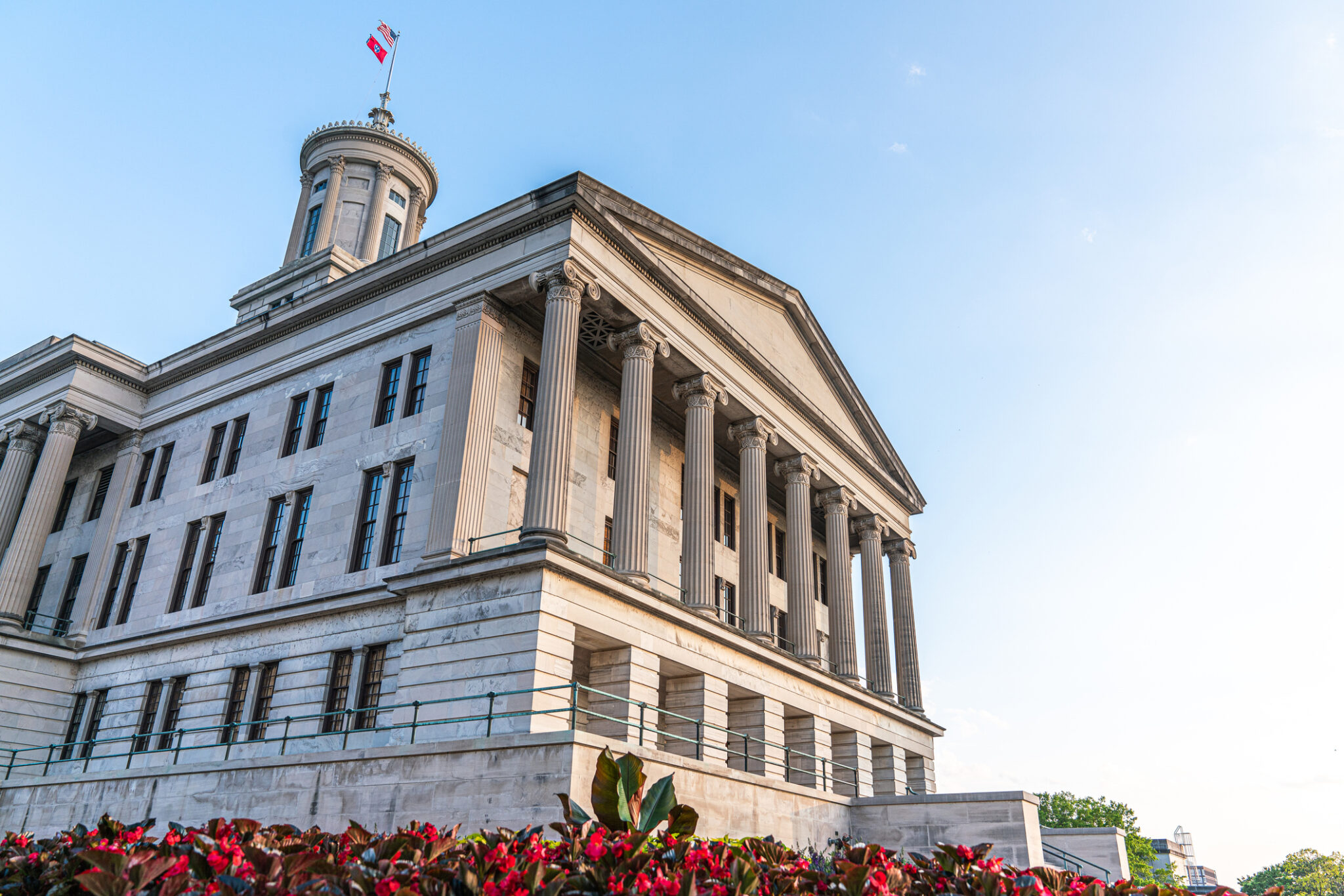
Tennessee GOP Forces Through Congressional Map Amidst Outcry
Tennessee Republicans pushed a controversial congressional map through the state House on Thursday, effectively dismantling the state’s only majority-Black district. The party-line vote of 64 to 25 followed a special session requested by Governor Bill Lee, acting under the influence of a renewed nationwide GOP push for aggressive redistricting.

Justice Democrats Backs Justin Pearson in Primary Challenge to Steve Cohen
Declaring that the moment demands a fighter, the progressive organization Justice Democrats endorsed Tennessee state representative Justin J. Pearson on Wednesday. The group aims to unseat 10-term incumbent Steve Cohen, framing Pearson as a vital voice against corporate influence and the rising tide of authoritarianism in national politics.
Expelled Tennessee Democrats Reclaim Seats in Landslide Election Wins
State Representatives Justin Jones and Justin Pearson secured decisive victories in Thursday’s special elections, months after being ousted by the Republican-controlled Tennessee House. The two Democrats, who faced expulsion for participating in a gun control protest on the chamber floor, comfortably defeated their GOP challengers to reclaim their mandates.
Tennessee House Expels Two Democrats After Gun Control Protest
The Tennessee House of Representatives voted to expel two Democratic lawmakers on Thursday, a move triggered by their participation in a floor protest calling for gun control following the Nashville Covenant School shooting. The historic purge leaves over 135,000 residents without their elected representation in the state legislature.

Progressive Coalition Backs Justin Pearson in Tennessee Primary
With just one week until Tennessee’s Democratic primary, a broad coalition of national environmental and advocacy groups has thrown its support behind state Representative Justin Pearson. The endorsement signals a concentrated effort to elevate his campaign for the 9th Congressional District amid a high-stakes battle over political representation.

US Senators Demand Apple Cut Ties With Chinese Chipmakers
A bipartisan group of six senators has issued an August 21 deadline for Apple to formally reject memory chips from Chinese suppliers CXMT and YMTC. The letter, led by Senator Jim Banks and Majority Leader Chuck Schumer, warns that sourcing components from firms linked to China’s defense sector poses a significant national security risk.

Trump Blames Left for Charlie Kirk Killing Amidst Rising Polarization
Following the assassination of right-wing activist Charlie Kirk, President Donald Trump used a White House address to label the "radical left" as directly responsible for the violence. The move has drawn sharp criticism from observers who argue the administration is weaponizing the tragedy to intensify political division.

Francesca Hong Vows to Sever Wisconsin Ties with Federal Terrorism Task Force
Wisconsin state lawmaker Francesca Hong, the front-runner in the Democratic gubernatorial primary, has pledged to dismantle local cooperation with federal terrorism task forces if elected. Her stance targets the enforcement of National Security Presidential Memorandum 7, a directive she characterizes as a tool for suppressing civil liberties.

Julius Baer Taps Former Bank of Singapore Manager for Southeast Asia
Nira Tanoko, a seasoned veteran of the wealth management sector, has been named the new market head for Southeast Asia at Julius Baer. Based in Singapore, she will report directly to region head Jimmy Lee, taking charge of the bank’s efforts to service high and ultra-high net worth clients across the territory.

Senate Democrats Demand Reversal of Politically Motivated Grant Cuts
Thirty-nine Democratic senators are challenging the Trump administration to restore hundreds of millions in canceled energy grants, following a court admission that the funding was stripped based solely on the partisan leanings of the recipient states rather than project merit or fiscal criteria.

Binance Resumes Philippine Operations via SEC Sandbox
After a year-long blackout, Binance has regained access across the Philippines’ major telecommunications networks. The exchange is returning not as an independent operator, but through BlockShoals Technologies, an SEC-approved intermediary currently testing its services under the regulator’s Strategic Regulatory Sandbox, known as StratBox.

Police Backing Bolsters CLARITY Act as Senate Hurdles Remain
The Major Cities Chiefs Association has officially endorsed the CLARITY Act, providing a critical boost to the crypto regulatory framework. Despite this institutional support, the bill faces an uphill battle in the Senate, with Polymarket traders pegging its chances of becoming law by 2026 at just 30 percent.

Evernorth Reworks SEC Filing as XRP Treasury Value Slides
Evernorth Holdings has moved closer to a Nasdaq listing by finalizing executive compensation packages, even as the market value of its planned $1 billion XRP treasury has shrunk to $640 million. The company’s latest SEC filing marks a key step in its merger with Armada Acquisition Corp II.

US Strikes on Qeshm Island Leave Families Dead as Regional War Escalates
A two-year-old child and their parents were killed Thursday when American airstrikes leveled a residential building in Qeshm City. The attack, part of a broader offensive against Iranian Revolutionary Guard sites, left two other children, aged seven and nine, trapped beneath the rubble before being rescued and hospitalized.

Bitcoin Nears $65K as Inflation Data Eases Fed Rate Hike Fears
Bitcoin climbed toward $65,000 on Thursday, finding momentum after U.S. inflation data showed cooling price pressures. While the Personal Consumption Expenditures report reduced immediate anxiety regarding Federal Reserve rate hikes, the broader market remains tethered to defensive positioning as military tensions between the United States and Iran escalate.

US Hospitals Face Revenue Crisis After ACA Subsidy Cuts
Months after congressional Republicans let enhanced Affordable Care Act subsidies expire, major hospital systems report a sharp surge in uninsured patients. The loss of federal support has triggered a financial strain on healthcare providers, while forcing millions of Americans to forgo preventative care until medical emergencies become unavoidable.

State Legislators Warn of Healthcare Crisis as ACA Subsidies Near Expiration
With open enrollment for the Affordable Care Act set to begin November 1, 41 state lawmakers have issued a sharp rebuke of congressional Republicans. The coalition warns that failing to extend federal subsidies will trigger a catastrophic spike in premiums and leave millions of Americans without essential medical coverage.

Shell Profits Double Amid Energy Crisis and Record Heat
As energy prices climb during the ongoing conflict in Iran, Shell has reported a massive surge in quarterly profits, reigniting criticism over corporate windfall gains. From April to June, the oil giant posted $9.84 billion in net profit, marking its strongest financial performance in four years.

Fhenix and Canopy Integrate Confidential Computing for Onchain Apps
Fhenix and Canopy are embedding confidential computation directly into the Canopy Stack, allowing developers to build sovereign applications that maintain data encryption during active processing. By leveraging fully homomorphic encryption, the integration aims to replace the need for separate, complex cryptography stacks with a streamlined developer experience.

Michigan Senate Race Turns Hostile as Establishment Targets El-Sayed
As Abdul El-Sayed surges to a double-digit lead in Michigan's U.S. Senate primary, establishment Democrats are pivoting from policy debates to sharp personal attacks. Critics argue the campaign against the former public health official is increasingly relying on xenophobic tropes to undermine his progressive platform.

Malaysian Police Seize 73 Mining Rigs in Electricity Theft Crackdown
Police in the Batu Gajah district dismantled an illegal Bitcoin mining network Tuesday night, arresting two men following raids on three properties in Tronoh. The operation, codenamed Op Elektrik, uncovered 73 mining rigs powered by unauthorized electricity lines connected directly to the national grid.
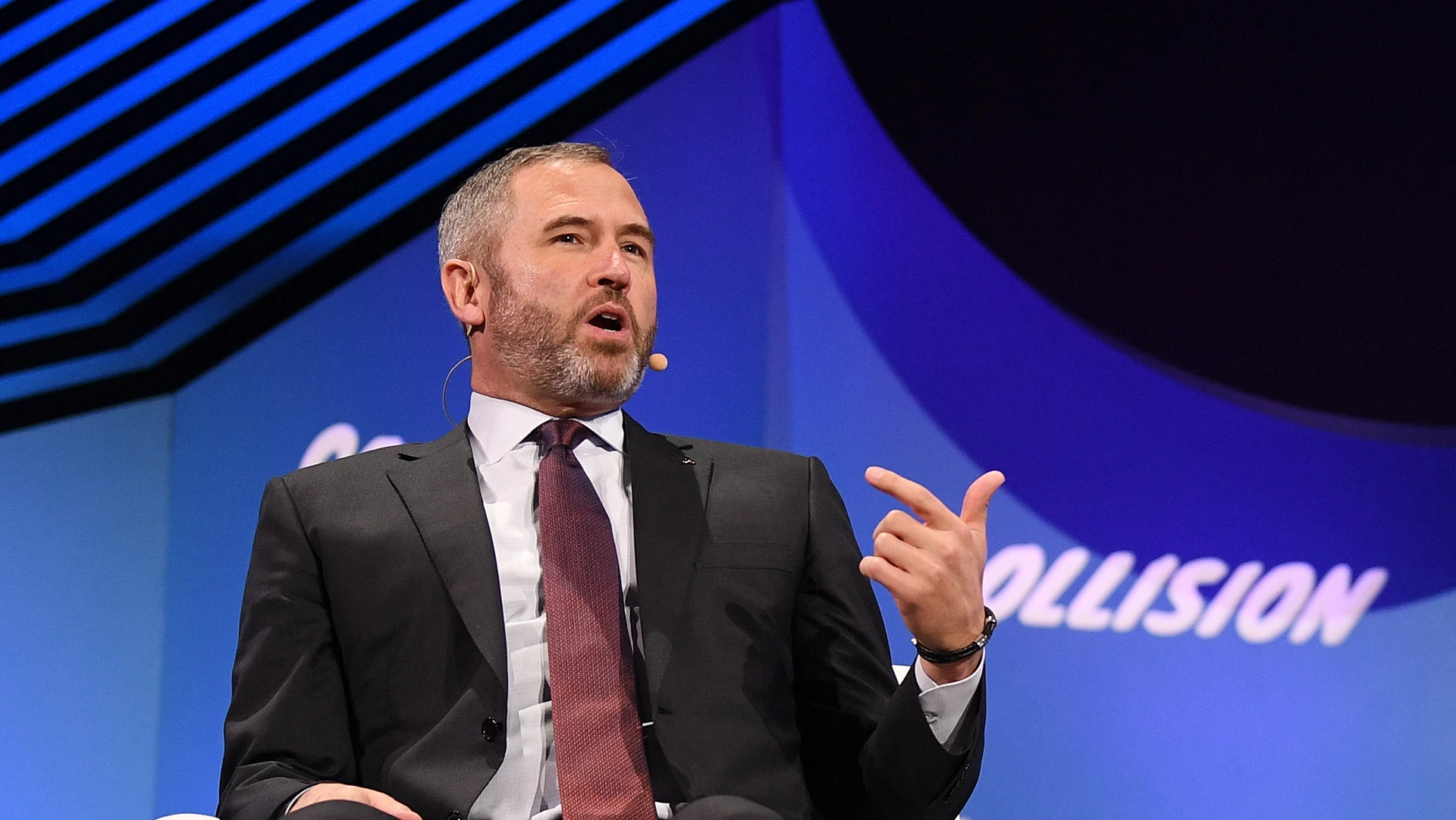
Brad Garlinghouse joins speaker lineup for Wyoming Blockchain Symposium
Five hundred investors, policymakers, and industry leaders will gather in Jackson Hole this August as Ripple CEO Brad Garlinghouse joins the roster for the third annual Wyoming Blockchain Symposium. The invitation-only event, hosted by SALT and Kraken, focuses on the evolving landscape of U.S. digital asset regulation.

Hong Kong Regulator Freezes HK$125M in Futu Client Account
The Hong Kong Securities and Futures Commission has frozen HK$125.247 million in a single client account at Futu Securities International, citing an ongoing probe into suspected IPO share manipulation. The regulator emphasized that the brokerage itself is not under investigation and its broader operations remain unaffected by the order.

Bitget Wallet pivots to tokenized rewards for cardholders
Starting August 1, Bitget Wallet card users will see their purchase rewards automatically converted into Bitcoin, tokenized stocks, or gold. The new "Assetback" program replaces the platform's traditional cash-back model, pushing users toward a recurring investment strategy as they spend across Europe, Asia, Latin America, and parts of Africa.