All news

Bisan Owda Wins Peabody Award for Frontline Reporting from Gaza
Palestinian journalist Bisan Owda, whose dispatches from Gaza have become a vital window into the humanitarian crisis, received a Peabody Award on Thursday. The board of jurors recognized her bravery and persistence in documenting the ongoing conflict, citing her ability to keep the world informed despite imminent danger and deprivation.

Israeli Strike on Nasser Hospital Kills 21, Including Nine Journalists
Five journalists and four health workers were among 21 people killed Monday when Israeli missiles struck Nasser Hospital in Khan Younis. The attack, which hit as rescuers attempted to reach victims of a previous strike, was captured on live video, drawing international condemnation as a systematic assault on truth.
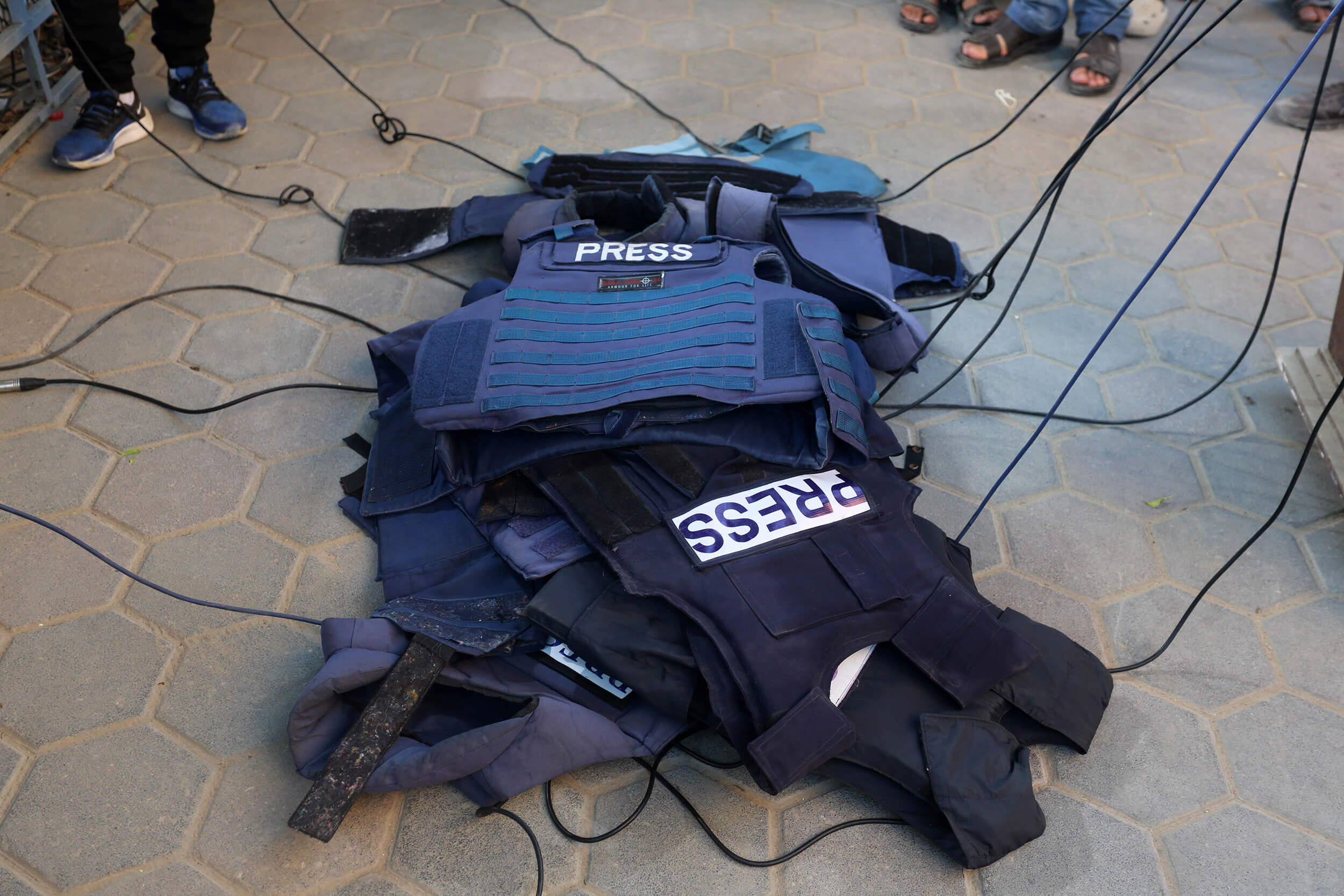
A Living Record: Honoring the Journalists Lost in Gaza
A collective of media workers has launched a digital archive to commemorate the 270 Palestinian reporters killed since the start of the war in Gaza. The project, titled A Living Record, archives personal testimonies from colleagues to ensure these individuals are remembered as more than just statistics of a brutal conflict.
Trapped Under Fire: 400,000 Civilians Stranded in Northern Gaza
Philippe Lazzarini, commissioner-general of UNRWA, warns that at least 400,000 people are currently trapped in northern Gaza as Israeli forces intensify bombardment. The escalation has forced the closure of critical aid shelters for the first time in over a year, leaving the population without food, water, or medical access.

Israeli Airstrike on Gaza Press Tent Kills Five Al Jazeera Journalists
An Israeli airstrike leveled a press tent in Gaza City on Sunday, killing five Al Jazeera journalists in what the network condemned as a premeditated assault on press freedom. The strike claimed the lives of reporters Anas al-Sharif and Mohammed Qreiqeh, along with camera operators Ibrahim Zaher, Mohammed Noufal, and Moamen Aliwa.

Ethereum Slides Below $1,900 as CPI Momentum Fades
Ethereum dropped 2.4% to $1,872, erasing gains from the latest U.S. inflation report as traders unwound positions. The decline leaves the asset testing critical support levels, with technical indicators and a cooling fee economy complicating the path toward a recovery above the $1,900 psychological threshold.
MUFG Pilots Blockchain Settlement for Japanese Government Bond Repos
Mitsubishi UFJ Financial Group is launching a proof-of-concept to modernize Japanese government bond repo settlements using the Canton Network. By synchronizing traditional book-entry records with blockchain ledgers, the project seeks to shift institutional trading toward real-time intraday cycles while maintaining compliance with Japan’s existing securities infrastructure.

Monaco seeks to tighten crypto oversight with new licensing bill
Monaco’s government has introduced Bill No. 1131, a legislative proposal designed to overhaul the Principality’s digital asset regulation. By aligning local requirements with European Union standards and Financial Action Task Force guidelines, the bill aims to replace the existing 2022 framework with a rigorous, centralized licensing system for service providers.

Binance bStocks Overtakes xStocks in Tokenized Equities Race
Binance has captured the second-largest share of the tokenized stock market, with its bStocks product reaching $610.6 million in value just two months after its debut. This rapid ascent displaces xStocks in the sector rankings, which have seen total market volume balloon to $2.7 billion over the past year.

OranjeBTC Readies DIGY11 Fund for Brazilian Exchange Debut
Brazilian treasury firm OranjeBTC is preparing to launch the Digital Yield ETF, or DIGY11, on the B3 stock exchange this September. Instead of tracking Bitcoin directly, the fund will focus on preferred shares from U.S.-based companies that hold significant Bitcoin reserves, aiming to provide local investors with monthly income.
Metaplanet Debuts BitBonds With 200 Million Yen Private Placement
Tokyo-based Metaplanet has inaugurated its BitBonds program, securing 200 million yen through four private debt placements. The unsecured senior bonds, distributed via the company’s internal securities arm, mark a shift toward recurring fixed-income funding as the firm continues to navigate its significant Bitcoin treasury strategy.

Delio CEO Sentenced to 15 Years for $49M Crypto Fraud
The Seoul Southern District Court sentenced Delio CEO Jeong Sang-ho to 15 years in prison, finding him guilty of defrauding customers of 70 billion won—approximately $49.2 million. Following the ruling, the judge ordered Jeong into immediate detention, citing a significant risk that the executive might attempt to flee.

Charles Schwab brings Bitcoin and Ether trading to its retail platform
Charles Schwab has integrated direct Bitcoin and Ether trading into its retail brokerage, charging a 0.75% transaction fee. This move incorporates digital assets into a financial ecosystem managing $13.1 trillion in client assets, positioning the firm to capture demand from millions of active brokerage accounts seeking consolidated investment management.

US Treasury Removes Beneficial Ownership Reporting for Domestic Firms
The U.S. Department of the Treasury has finalized a rule permanently exempting domestic companies and individuals from beneficial ownership reporting requirements under the Corporate Transparency Act. This decision marks a significant shift in federal regulatory policy, effectively reversing a mandate introduced at the start of 2025 by the previous administration.

MSF: Israel’s Blockade of Vital Supplies in Gaza is Designed to Attrition
A policy of attrition by design is how Doctors Without Borders (MSF) describes the Israeli government’s ongoing restriction of engine oil and generator parts entering Gaza. Humanitarian teams report that these shortages are crippling hospitals, water transport, and food production, rendering the survival of the civilian population increasingly untenable.

Copper enters US market with SEC-registered broker-dealer status
Copper Markets (US) Inc. has secured registration as an SEC broker-dealer and FINRA member, marking the infrastructure firm’s official expansion into the American institutional market. This regulatory milestone allows the company to provide a suite of services, including qualified custody, staking, and OTC trading, within a domestic securities framework.

SEC Clears Franklin Templeton Funds to Hold Tokenized Assets
The U.S. Securities and Exchange Commission has granted Franklin Templeton a no-action letter, allowing its registered mutual funds and ETFs to invest in the firm’s blockchain-based OnChain U.S. Government Money Fund, known as FOBXX, despite legacy custody rules designed for physical securities.

Hyperliquid Cuts Barrier to Low-Latency Data Access
Hyperliquid has opened its Foundation-operated low-latency data nodes to qualified third-party infrastructure providers, effectively replacing high staking requirements with a standardized monthly fee. Under the new model, firms can access critical market data for under $1,000, creating a more accessible path for developers and smaller trading teams.

Mirae Asset pumps 50 billion won into Digital X following Korbit buyout
Less than a month after finalizing its takeover of the Korbit crypto exchange, Mirae Asset Group is injecting 50 billion won—roughly $35 million—into the operator, Digital X. The move aims to stabilize the firm’s finances following a year marked by significant operating losses and increased market competition.

Zoomsday exploit turns Zoom meetings into zero-click attack vectors
A newly disclosed set of vulnerabilities, dubbed Zoomsday, allows attackers to seize control of a target's device during a Zoom call without requiring any user interaction. By exploiting the platform’s annotation system, hackers can bypass traditional social engineering, posing a severe threat to high-profile cryptocurrency users.

South Korea Overhauls Oversight of Overseas Crypto Transfers
South Korean regulators have finalized a risk-based framework for domestic crypto transfers to overseas platforms and self-hosted wallets, moving away from rigid transaction ceilings. Approved by the Cabinet on August 11, the new rules mandate that virtual asset service providers implement internal monitoring for transfers exceeding 10 million won.

BitGo Revenue Climbs to $4.3 Billion Amid Narrowing Losses
BitGo Holdings reported $4.33 billion in second-quarter revenue, a 79.6% year-over-year increase fueled by digital asset sales and stablecoin expansion. Despite the top-line growth, the company posted a $19 million net loss, reflecting a sharp reversal from the $38.3 million profit recorded during the same period last year.

Securitize Shares Tumble 21% After Triple-Digit Loss in Q2
Securitize Corp. reported a $21.7 million net loss for the second quarter, a sharp decline from the $6.1 million loss recorded during the same period last year. Following the release of its first earnings report as a public company, shares of the tokenization firm fell 21% in after-hours trading.
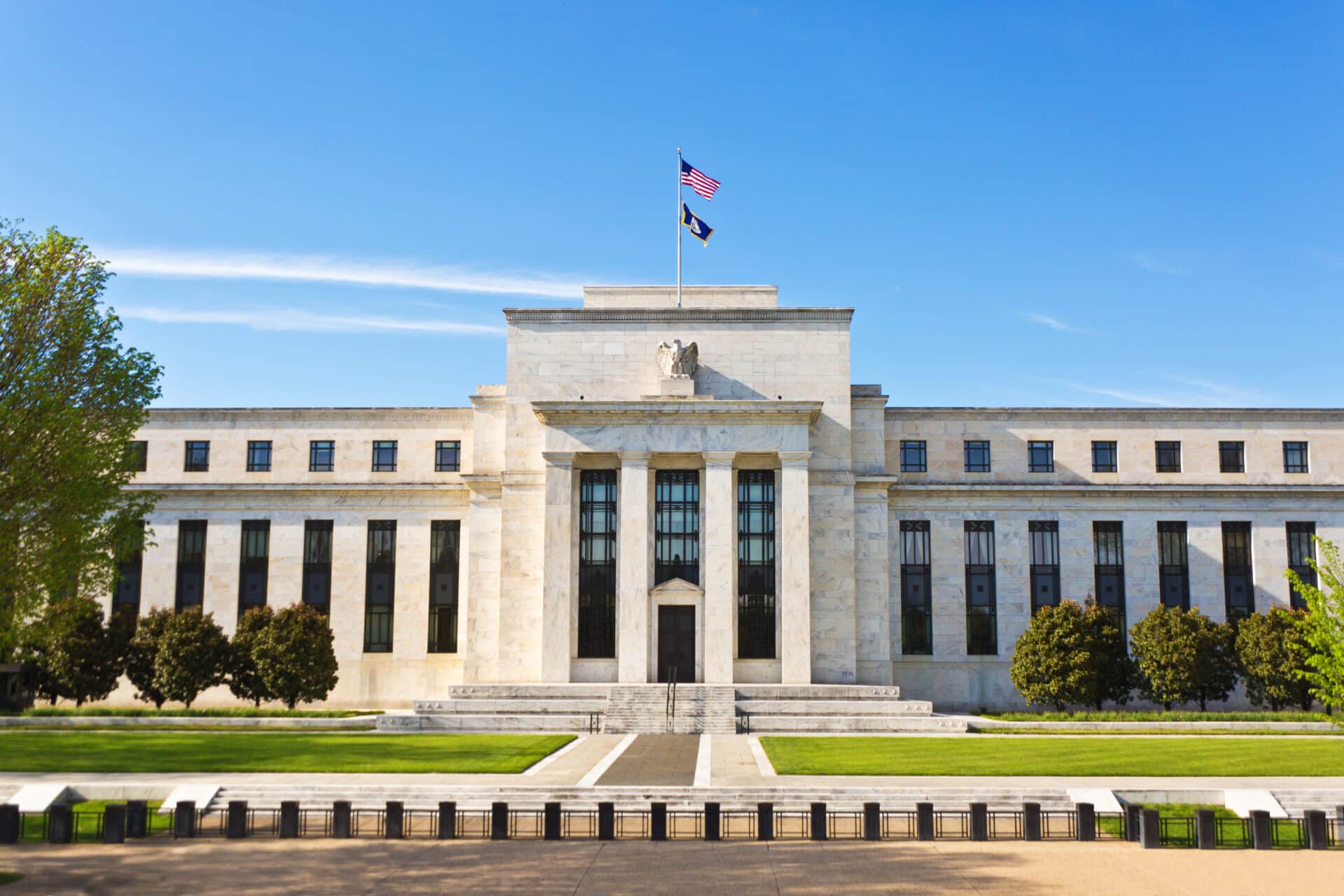
Blockchain Association Joins Custodia Bank’s Supreme Court Battle
The Blockchain Association has formally backed Custodia Bank’s petition to the U.S. Supreme Court, challenging the Federal Reserve’s refusal to grant the crypto-focused institution a master account. The industry group warns that current lower court rulings grant regional Fed banks unchecked authority to exclude lawful businesses from essential financial infrastructure.

Goldman Sachs to Acquire Neos Investments for $2.25 Billion
Goldman Sachs has agreed to purchase Neos Investments in a deal valued at up to $2.25 billion, securing a dominant position in the crypto-linked income ETF market. The acquisition brings over $30 billion in assets under management into the bank’s portfolio, including three prominent Bitcoin and Ethereum options-income funds.

Bitwise CIO bets on token revenue to double crypto valuations
Crypto valuations outside Bitcoin could surge as protocols increasingly tie network fee revenue to their native tokens. Matt Hougan, Chief Investment Officer at Bitwise, argues that a shift toward buyback and burn models—mirroring corporate equity strategies—is poised to reshape market demand over the next 24 months.

Swiss Banks Push Back Against Proposed Regulatory Overhaul
Conflict defines the response to Berne’s latest banking reforms, as the Swiss government seeks to prevent a repeat of the 2023 Credit Suisse collapse by strengthening oversight. While the industry welcomes easier liquidity access, the Swiss Bankers Association warns that granting the regulator expanded powers risks stifling competitiveness.

Solana Network Stays Online Despite Infrastructure Routing Failure
A malformed routing update from infrastructure provider Teraswitch briefly knocked 102 validators offline on August 12, forcing the Solana network to operate near its critical threshold for transaction finality. While the mainnet continued to produce blocks uninterrupted, the incident revealed persistent vulnerabilities in validator hardware concentration.
Leadership Shifts at M&G and St. James’s Place
Investment veteran Ross Sterling has joined M&G as deputy portfolio manager for its Japanese equities strategy, while St. James’s Place has bolstered its advisor network by recruiting four senior financial representatives from major UK firms, marking a significant expansion for both wealth management institutions.
Hilbert Investment Solutions Appoints First Group CFO
Hilbert Investment Solutions has tapped Masuda Shaik to serve as its inaugural group chief financial officer, a strategic move designed to bolster the firm’s governance and financial infrastructure. The appointment follows a period of expansion for the Paris-founded investment firm as it scales its global client offerings.