All news

Pramila Jayapal Challenges University of Washington Over Piker Ban
Representative Pramila Jayapal has joined a chorus of free speech advocates in condemning the University of Washington for abruptly canceling a scheduled lecture by socialist streamer Hasan Piker. The lawmaker, a university alumna, is now demanding transparency from school officials regarding the decision to scrap the January 2027 appearance.

UBS Boosts BlackRock Bitcoin ETF Holdings to $90 Million
UBS has significantly expanded its exposure to BlackRock’s iShares Bitcoin Trust, reporting a position of roughly 2.5 million shares valued at $90 million as of June 30. The filing, submitted to the SEC in August, marks a 230% increase in the dollar value of the bank's holdings since the start of 2026.
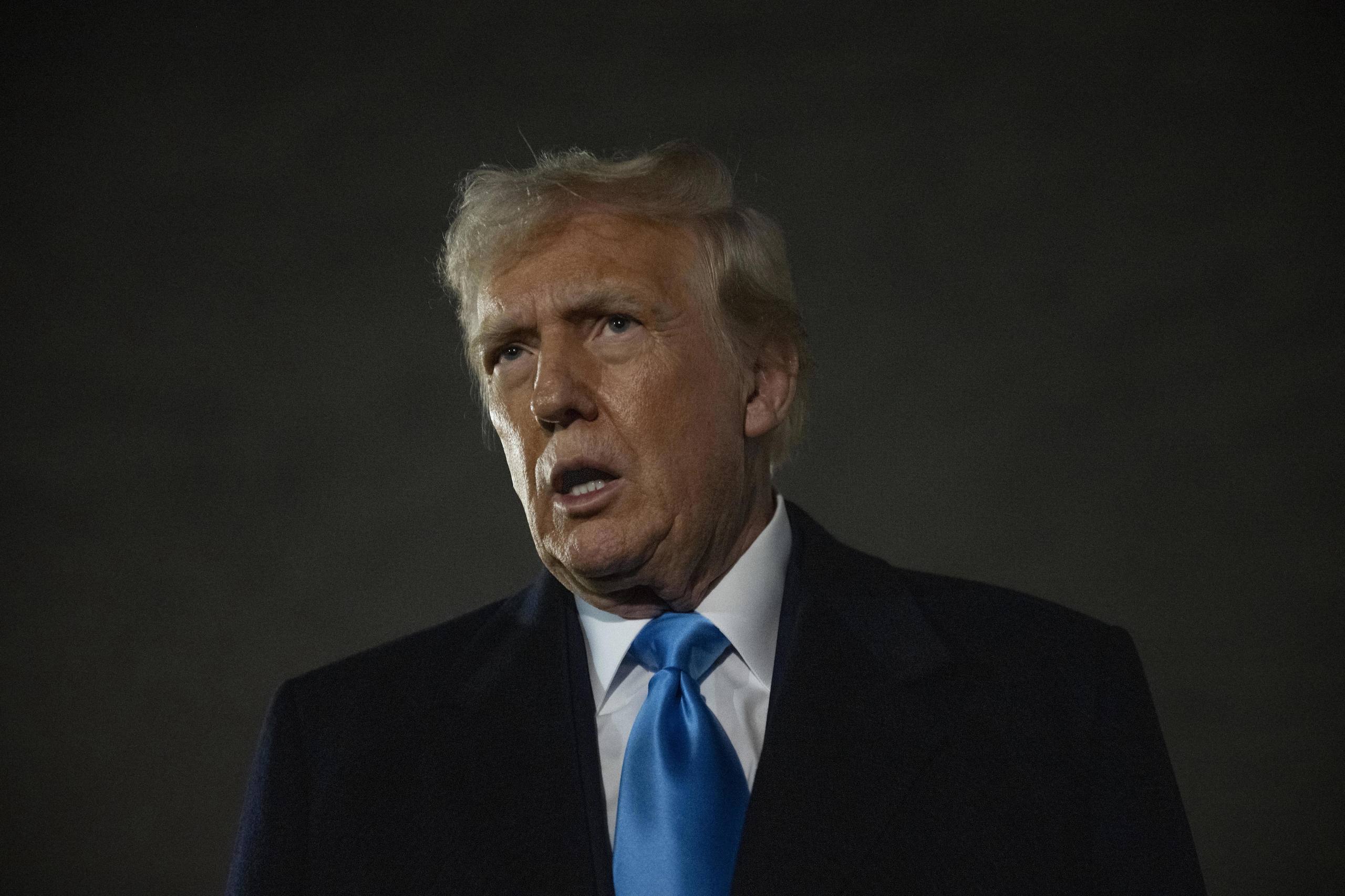
Coalition Accuses Trump Administration of Sabotaging Pretti Investigation
Over 50 advocacy groups have accused the Trump administration of obstructing the investigation into the death of Alex Pretti, an intensive care nurse fatally shot by federal immigration agents last month, citing the FBI's refusal to share critical evidence with Minnesota state authorities as proof of a broader cover-up.

DHS Investigated Minnesota Activist Groups After Fatal Protest Shooting
Following the fatal shooting of Alex Pretti during an anti-immigration protest in Minneapolis, the Department of Homeland Security launched a sweeping investigation into local left-wing organizations. Newly unsealed documents reveal the agency treated legitimate political dissent as a potential criminal conspiracy, sparking sharp condemnation from lawmakers and civil liberties advocates.
Covert CIA Operation Linked to Mysterious Attacks on Ecuadorian Vessels
Recent attacks on Ecuadorian fishing vessels near the Galápagos Islands were executed as part of a clandestine CIA operation, according to reports from The Washington Post. These strikes, involving quadcopter drones, appear distinct from the ongoing Pentagon campaign against suspected drug-trafficking boats that has claimed at least 220 lives since September 2025.

Ethena Taps FalconX for Institutional Stablecoin Lending
Ethena has appointed FalconX as an institutional lending partner, integrating an overcollateralized credit facility into the backing of its USDe synthetic dollar. The arrangement utilizes a bankruptcy-remote vehicle in the Cayman Islands, allowing Ethena to deploy capital while maintaining a first-priority security interest over the underlying loan receivables.
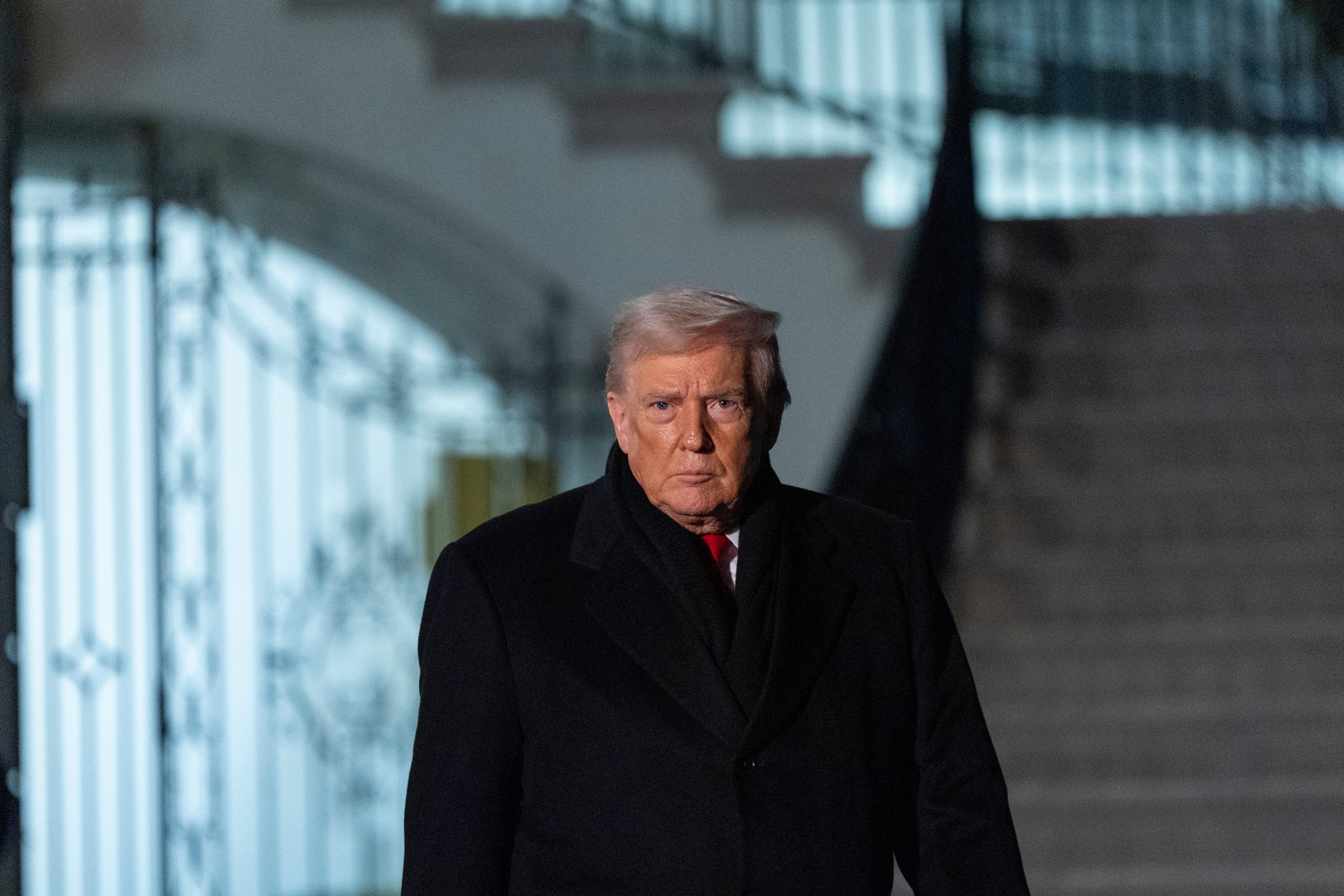
Warren, Garcia Question Trump Over Billion-Dollar Stock Trading Volume
Senator Elizabeth Warren and Representative Robert Garcia are demanding answers from President Donald Trump regarding an unprecedented surge in his personal stock market activity. The lawmakers cite over 3,500 trades in the first quarter of 2026 alone, raising concerns about potential conflicts of interest and the abuse of presidential influence.

Ethereum pivots to traditional hashes for post-quantum security
The Ethereum Foundation is abandoning the Poseidon hash function for its layer 1 roadmap, opting instead for established standards like SHA-2 and BLAKE2s. Researcher Justin Drake confirmed the shift, marking the end of an eight-year, eight-figure research cycle aimed at optimizing cryptographic security for a post-quantum future.

Trump Administration Guts Anti-Money Laundering Law
The Trump administration has permanently dismantled a critical anti-corruption statute, exempting US entities from disclosing their true owners. The move effectively nullifies the 2020 Corporate Transparency Act, drawing sharp criticism from law enforcement officials who argue the shift provides a safe harbor for shell companies and criminal syndicates.

Hegseth Pressures Latin America to Abandon International Criminal Court
During a gathering of the Americas Counter Cartel Coalition in Panama, U.S. Defense Secretary Pete Hegseth urged regional governments to withdraw from the International Criminal Court. He branded the tribunal a 'fake' entity, claiming it is orchestrating an unlawful campaign to assert jurisdiction over American military personnel and their allies.

Tether Clears First Full Financial Audit with KPMG
Tether has secured an unqualified opinion from KPMG U.S. following a comprehensive audit of its 2025 financial statements. The review confirmed a reserve surplus of $6.814 billion at year-end, marking a significant transition from the company’s previous reliance on periodic reserve attestations to a full-scale annual financial examination.
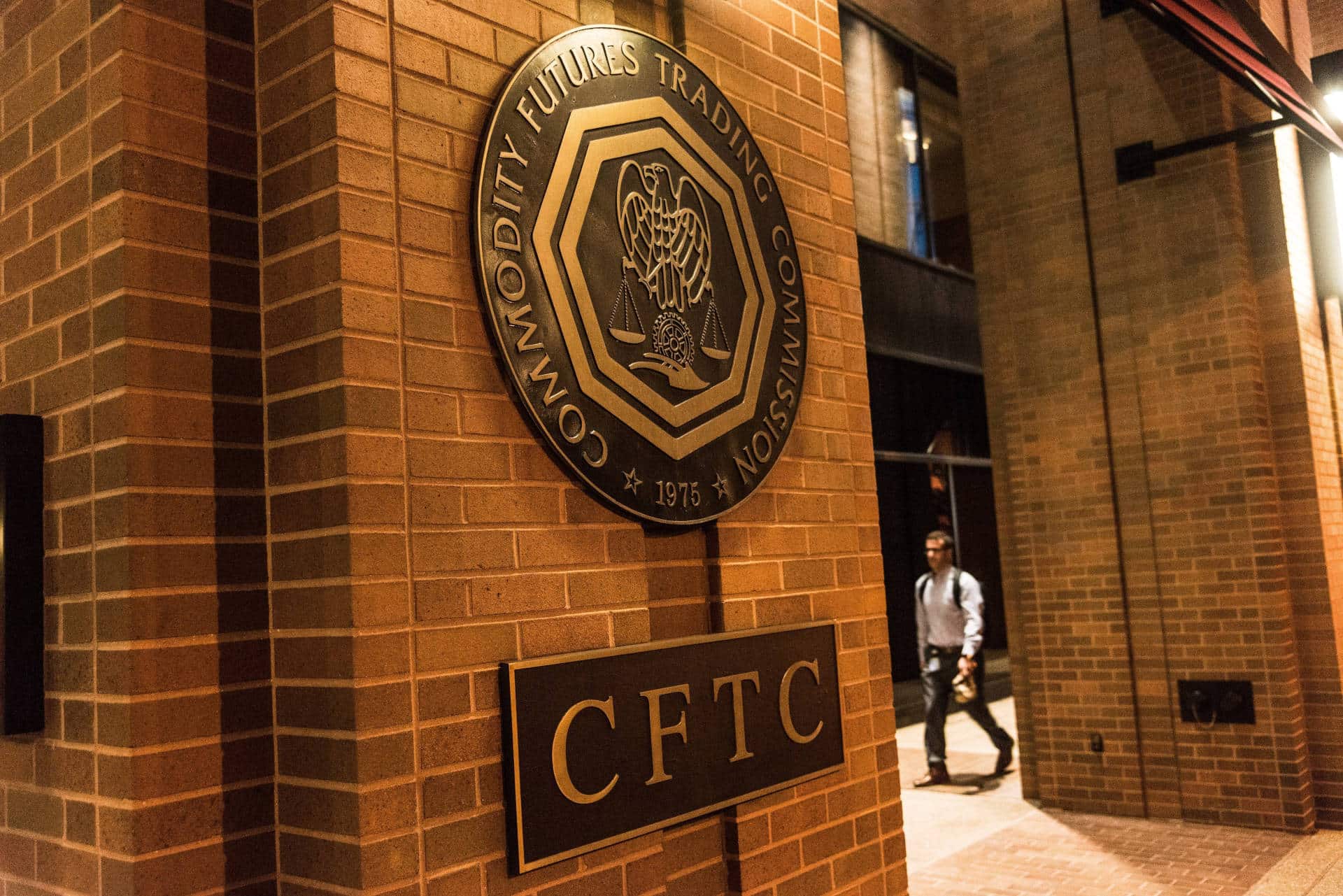
CFTC Innovation Advisory Committee to Tackle Crypto and AI Policy
The Commodity Futures Trading Commission has scheduled a three-hour inaugural meeting for August 20 to address the shifting landscape of digital assets, artificial intelligence, and prediction markets. This session marks the first formal gathering of the agency's Innovation Advisory Committee as it navigates the intersection of emerging technology and financial regulation.

Judge Dismisses Terrorism Charges Against Luigi Mangione
New York City Judge Gregory Carro ruled Tuesday that the killing of UnitedHealthcare CEO Brian Thompson does not meet the legal threshold for terrorism. While the prosecution argued ideological motives, the court found no evidence that the defendant intended to coerce or intimidate the civilian population at large.

Luigi Mangione Nears Plea Deal in UnitedHealthcare CEO Murder Case
Luigi Mangione, the 28-year-old suspect in the 2024 killing of UnitedHealthcare CEO Brian Thompson, is reportedly negotiating a federal plea agreement. Prosecutors are looking to secure a guilty plea on at least one of the charges brought against him, though the specific terms remain under active discussion.

Troy Jackson Targets Billionaire Donors in Maine Senate Race
Troy Jackson, the Democratic challenger for Maine’s U.S. Senate seat, is escalating his campaign rhetoric against Elon Musk and elite donors. Jackson argues that outside financial influence from a key super PAC, which recently poured $42 million into the contest, is designed to protect tax cuts for the nation’s wealthiest individuals.
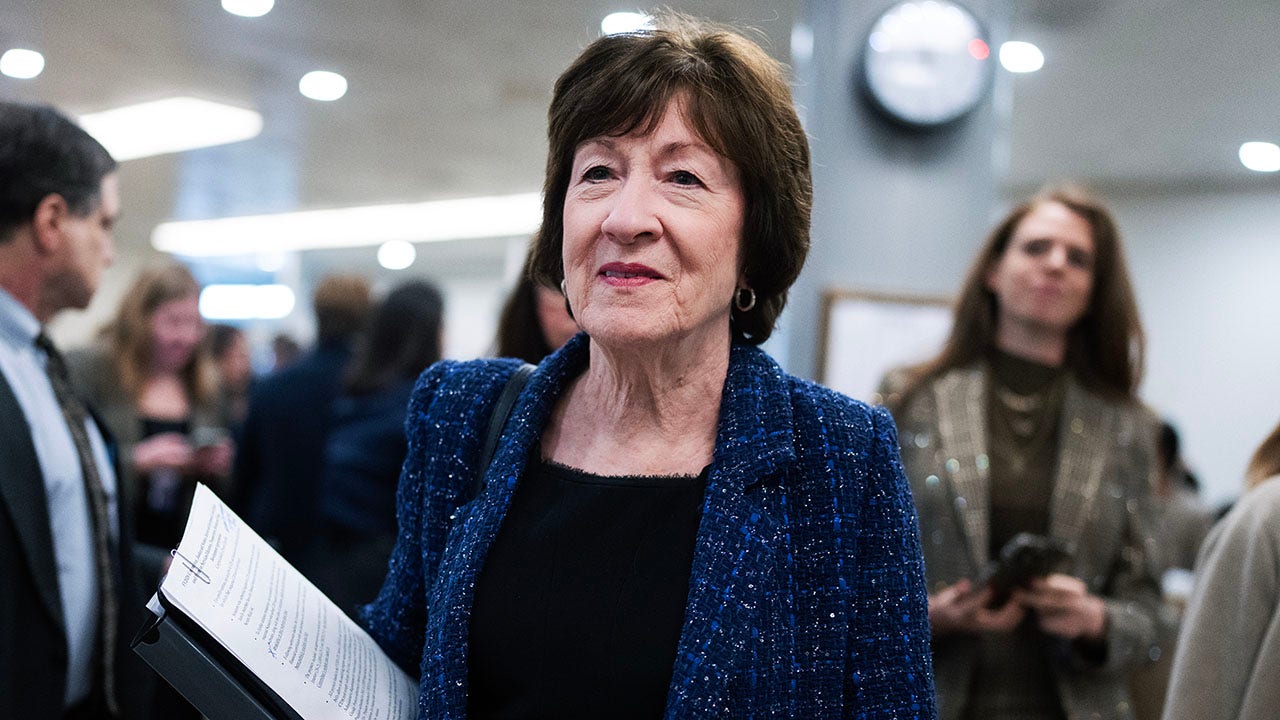
GOP Launches $42 Million Defense for Susan Collins in Maine
Senate Republicans have funneled a record $42 million into Senator Susan Collins’ reelection campaign, marking the largest single investment the Senate Leadership Fund has ever deployed in Maine. The massive advertising blitz, designed to protect the five-term incumbent, has drawn immediate fire from Democratic challenger Graham Platner.

Saturn Integrates Ondo Tokenized Stocks Into STRC Products
Saturn has struck a strategic partnership with Ondo to incorporate tokenized securities into its structured products, marking a move to integrate institutional-grade assets into its sUSDat offering. Alongside the product expansion, Ondo has completed an undisclosed strategic investment in Saturn to deepen the collaboration between the two firms.
Human Rights Watch: Trump Administration Dismantles Civil Rights Oversight
Eighteen months into President Donald Trump’s second term, federal civil rights enforcement has been systematically hollowed out. A new Human Rights Watch report details how the administration has decimated staffing across four key agencies, effectively abandoning discrimination complaints and neutralizing legal protections that have stood for decades.
US and Turkish Officials Doubt Israeli Intelligence on Trump Plane Threat
A dramatic escape from a NATO summit in Ankara last month, involving President Donald Trump being smuggled onto a nondescript plane in a catering truck, may have been triggered by a fabricated intelligence report, according to skeptical officials in both the United States and Turkey.

Judge Delays Deportation Bid for 5-Year-Old Liam Conejo Ramos
A federal judge blocked the Trump administration’s attempt to fast-track the deportation of 5-year-old Liam Conejo Ramos and his family on Friday, granting a legal reprieve that postpones their case. The ruling provides a temporary stay for the Ecuadorian boy, who was previously detained in a facility facing intense scrutiny.

Five-Year-Old Boy Falls Ill in Texas Immigration Detention Center
Five-year-old Liam Conejo Ramos is suffering from fever, vomiting, and stomach pain after being transferred to the South Texas Family Residential Center in Dilley. His family and legal representatives report that the boy, who was taken from Minneapolis by immigration agents last week, is enduring what they describe as abysmal living conditions.
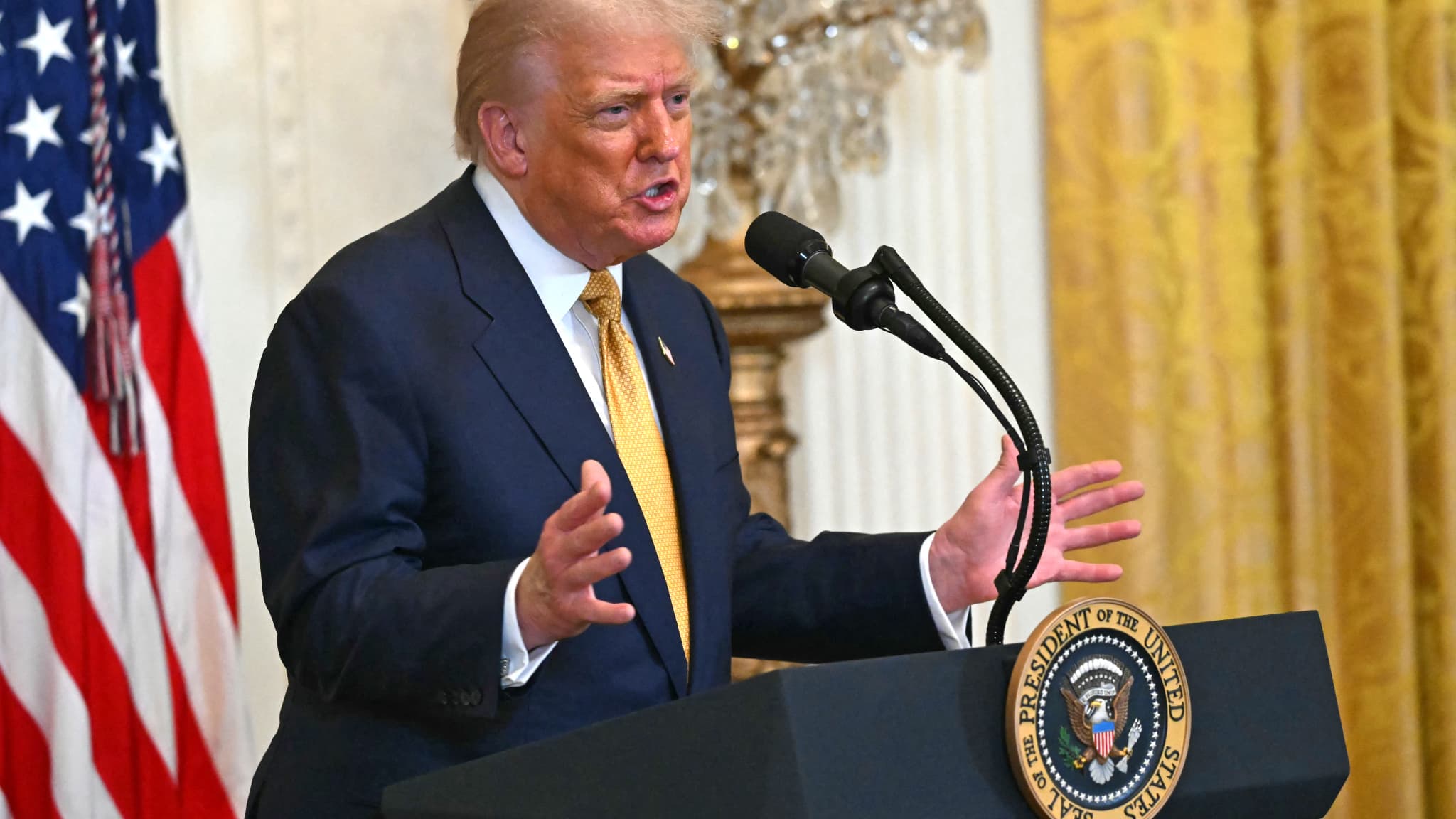
US and Turkish Officials Question Validity of Iran-Linked Threat to Trump
US and Turkish officials are increasingly skeptical that a purported Iranian assassination plot, which forced President Donald Trump to flee a July 8 NATO summit in an unmarked catering truck, was genuine. Both nations now suspect the intelligence report provided by Israel may have been a calculated diplomatic ruse.

Minnesota Residents Defy Subzero Cold in General Strike Against ICE
Weeks of federal immigration raids under the Trump administration’s Operation Metro Surge have triggered a massive wave of civil disobedience across Minnesota. On Friday, thousands of residents braved wind chills as low as -20°F to participate in a general strike, demanding an end to federal enforcement operations in the state.

Flanagan Attacks GOP Rival Over ICE Stance
Fresh from a primary win, Minnesota Lieutenant Governor Peggy Flanagan is sharpening her attacks on Republican Senate nominee Michele Tafoya. During a Thursday interview, Flanagan slammed her opponent for praising federal immigration agents' conduct during last winter’s controversial operations in Minneapolis, calling the federal agency completely out of control.

Morph Launches Non-Custodial Stablecoin Payment Gateway
Morph has debuted a non-custodial payment platform for USDC and USDT, allowing businesses to accept stablecoin transactions directly into their own wallets. By bypassing third-party custodians, the service aims to streamline settlement for freelancers and organizations while maintaining user control over private assets.

Federal Regulator Backs Prediction Market in Defiance of Court Order
Consumer advocacy groups are accusing the Trump administration of orchestrating a clash between federal authority and state law. The Commodity Futures Trading Commission has ordered the prediction market platform Kalshi to continue operations in New York, directly undermining a recent federal court decision that upheld state gambling regulations.

MUFG Pilots On-Chain Repo Transactions for Japanese Government Bonds
Four Mitsubishi UFJ Financial Group entities are launching a proof of concept to test Japanese government bond repo transactions on the Canton Network. The project aims to replace traditional market infrastructure with automated, 24-hour on-chain settlement, marking a significant step in Japan's broader push toward blockchain-based financial systems.

Trezor Customer Data Exposed in ShipMonk Logistics Breach
A security breach at shipping provider ShipMonk has compromised the personal data of 13,689 Trezor customers. While hardware wallets and Trezor’s internal systems remain secure, the incident has exposed names, phone numbers, and home addresses, heightening the risk of targeted phishing attacks against users across multiple countries.

Robinhood Ventures Fund II Prices IPO at $200 Million
Robinhood Ventures Fund II has priced its initial public offering at $25 per share, raising $200 million as the firm expands its retail-focused private market access. The new fund, which debuts on the New York Stock Exchange under the ticker RVII, provides public-market investors a conduit into private-company portfolios.

AMINA Bank Targets Mass Adoption Through Mesh Integration
Complexity remains the primary hurdle for institutional crypto adoption, forcing digital asset specialists to prioritize seamless user journeys. By integrating the Mesh payments network, Switzerland-based AMINA Bank aims to eliminate the friction that has historically deterred traditional corporate clients and non-native users from entering the digital asset ecosystem.