All news
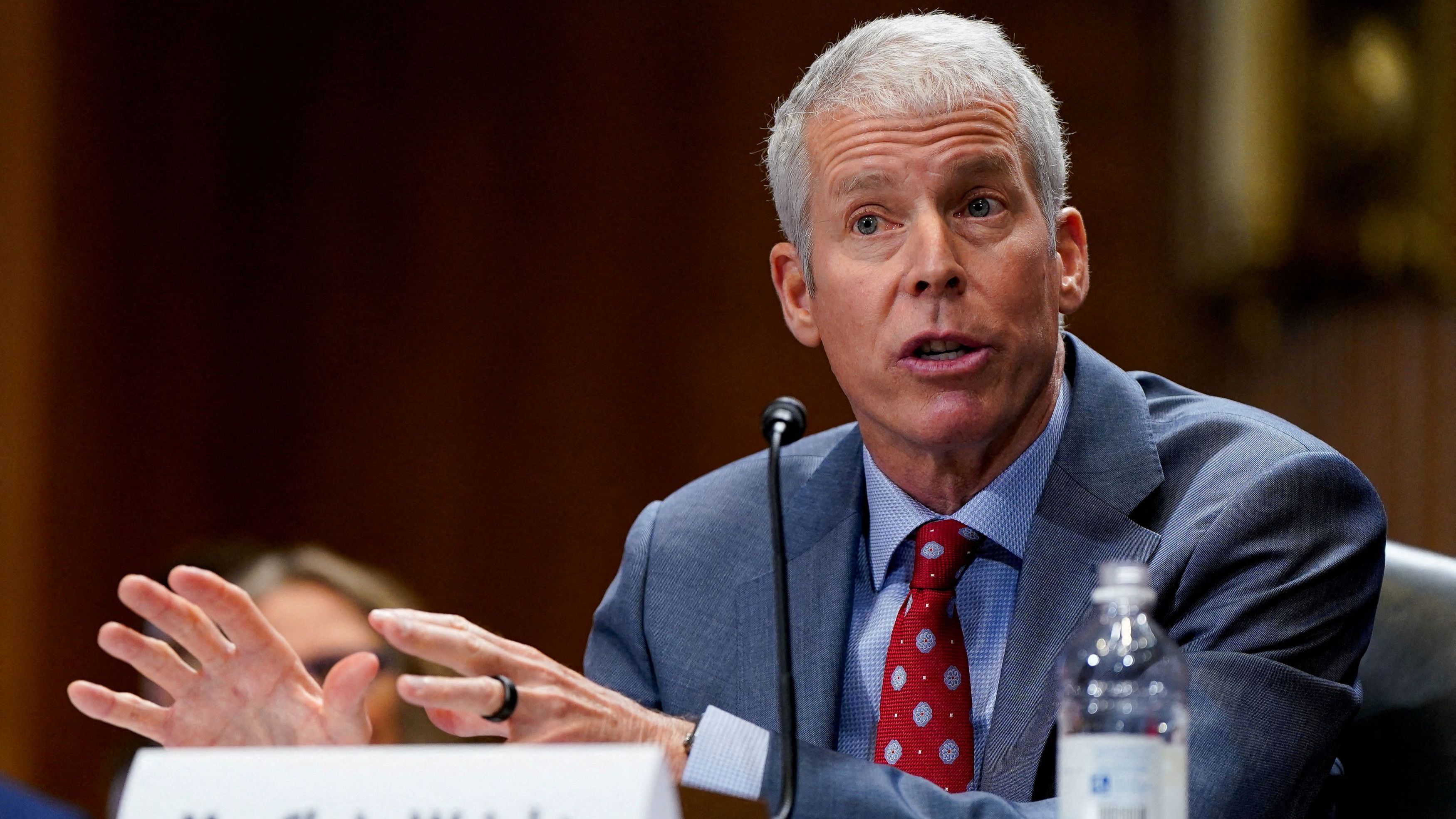
US Energy Chief Defends Venezuela Deal Amid Accusations of Coercion
Energy Secretary Chris Wright faced mounting scrutiny Sunday, shifting from claims that Venezuela is forced to cooperate with Washington to categorical denials that the U.S. is seizing the nation's oil. The contradictory rhetoric highlights the intensifying friction over the Trump administration's controversial energy arrangements with Caracas.
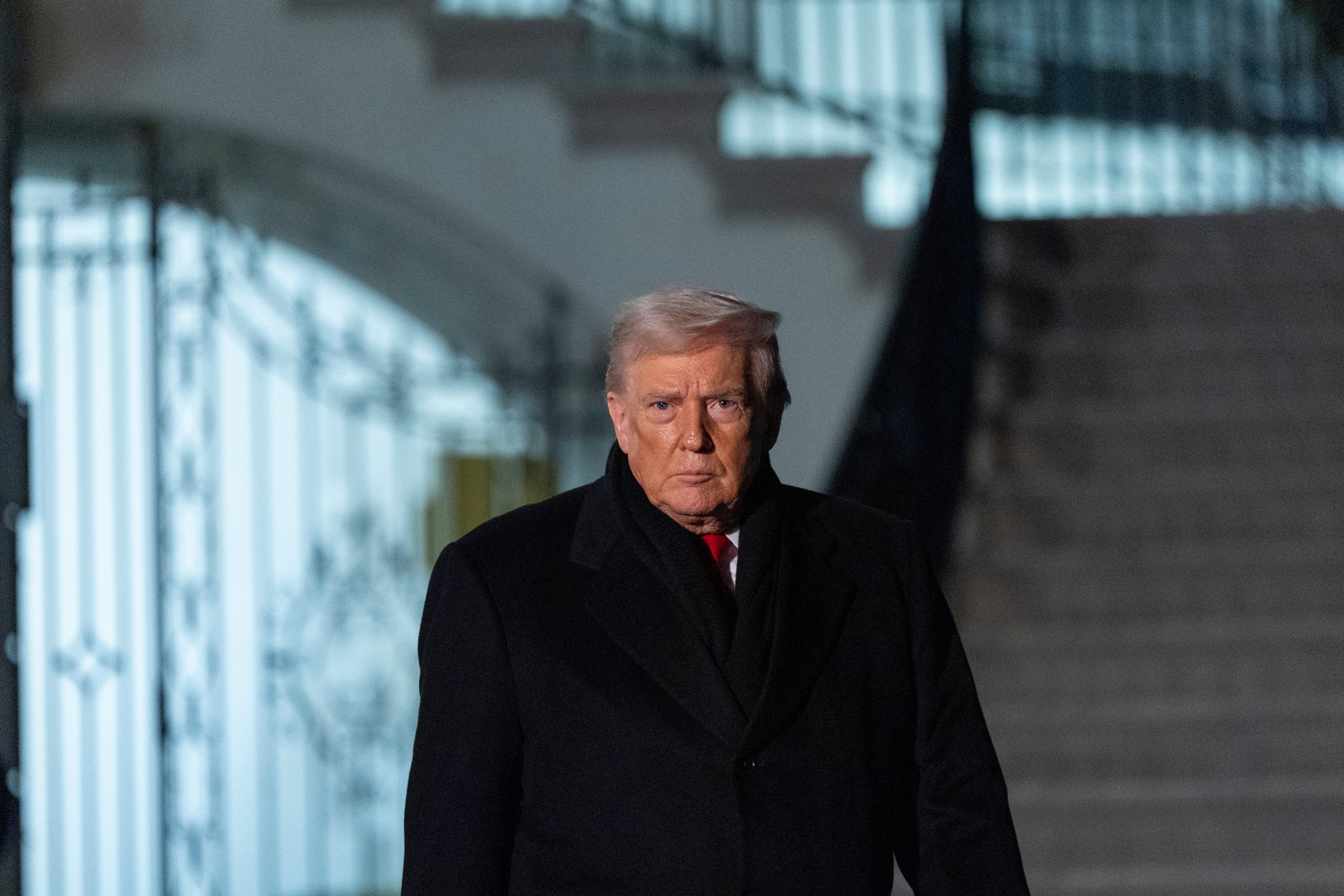
Trump’s Campaign Against Mail-In Voting Faces Logistical Deadlock
With ballots already moving toward voters in Wisconsin and North Carolina, Donald Trump’s executive order to restrict mail-in voting is colliding with the practical realities of election administration. Legal hurdles and impending deadlines for nine additional states have left the president’s push to disrupt the process increasingly gridlocked.

Kraken brings synthetic pre-IPO futures for OpenAI and Anthropic
Kraken has launched perpetual futures tied to the private-market valuations of OpenAI and Anthropic, allowing traders to bet on the firms' performance before they go public. The cash-settled contracts offer up to 5x leverage, though they provide no ownership, voting rights, or actual equity in either artificial intelligence company.

Solana Captures Lead in Real-World Asset Inflows
Solana has pulled ahead of competing blockchain networks, recording $348 million in net real-world asset (RWA) inflows over a recent 30-day window. This surge brings the total value of distributed tokenized assets on the network to approximately $4.23 billion, signaling a shift toward institutional financial infrastructure on public ledgers.

Chilean Exchange Orionx Collapses After $7 Million Custody Shortfall
Chilean cryptocurrency exchange Orionx has initiated a permanent shutdown following the discovery of a $7 million discrepancy in its custodial wallets. The platform, which received Series A backing from Tether last year, has suspended all customer withdrawals while launching a criminal investigation into two former executives.

Bitwise HYPE ETF Resumes Accumulation After Four-Day Hiatus
Bitwise’s Hyperliquid exchange-traded fund, BHYP, resumed its accumulation of HYPE tokens on Sept. 4, marking a return to market activity following a four-day pause. Blockchain intelligence platform Arkham tracked approximately $10.5 million in new token purchases, the fund’s largest single-day allocation since late August.

Investor Reclaims $4.5M in Bitcoin After 12-Year Exchange Collapse
A British investor has successfully recovered 61 bitcoin, valued at approximately $4.5 million, more than a decade after losing access to his funds during the collapse of the early exchange Intersango. The recovery was achieved not through a court-ordered process, but by reconciling historic banking records with blockchain analysis.

Vitalik Buterin Proposes Radical Overhaul of Ethereum Transactions
Ethereum co-founder Vitalik Buterin has outlined a long-term strategy to decouple transaction validation from state execution, a move designed to enable parallel processing across the network. By separating core actions from their underlying dependencies, the framework aims to improve scalability while maintaining the platform's signature flexibility.
How Dollar Stablecoins Are Reshaping National Currency Markets
Demand for dollar-backed stablecoins is exerting downward pressure on national currencies, but only when investors gain direct access through fiat trading pairs on global exchanges. A new Bank of Korea study reveals that while these markets increase price efficiency, they also create a new transmission channel for currency depreciation.

Fed Researchers Propose Framework for Tracking Stablecoins in Money Supply
Federal Reserve researchers have outlined a potential framework for incorporating stablecoins into U.S. monetary aggregates M1 and M2. The study, released September 4, suggests that classifying these assets depends on whether their primary function is transactional exchange or short-term value storage, though significant data and accounting hurdles remain.
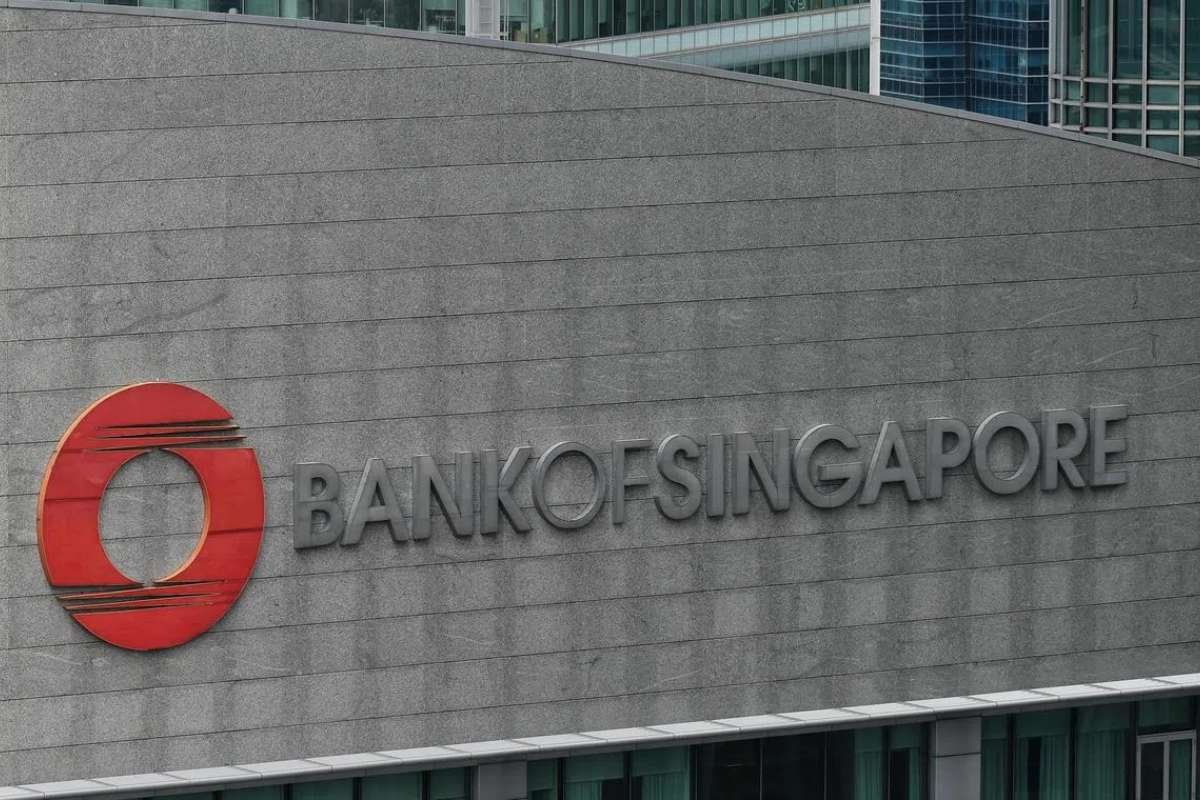
Bank of Singapore Expands Dubai Private Banking Team
Bank of Singapore is bolstering its Dubai operations with the appointment of two experienced relationship managers, Mahesh Ramakrishnan and Shikhy Chandhok. These strategic hires signal a continued push to deepen the firm’s presence in the Middle East, a region now ranked among its three primary global financial hubs.

Penningtons Manches Cooper Expands Private Wealth into Singapore
UK law firm Penningtons Manches Cooper is planting its first flag outside domestic borders with a new private wealth practice in Singapore. The firm tapped Rachel Yao to spearhead the regional expansion, tasking her with navigating cross-border succession planning and governance for ultra-high-net-worth clients across the Asia-Pacific market.

GRT Capital Management Opens Dubai Hub
Hong Kong-based asset manager GRT Capital Management has officially entered the Middle East, establishing a new regional hub within the Dubai International Financial Centre. The firm, now regulated by the Dubai Financial Services Authority, aims to capture growing demand for alternative and Shariah-compliant investment strategies across the MEASA region.

LeBron James Joins Polymarket for Upcoming Football Campaign
NBA star LeBron James has confirmed a partnership with the prediction-market platform Polymarket, posting a cryptic 14-second teaser video on social media. While the exact scope of his role remains undisclosed, reports indicate the initial marketing push will focus on American football rather than basketball.

Landlord vs. Tenant: The Robinhood Chain Revenue Debate
A public clash between Offchain Labs co-founder Steven Goldfeder and Solana’s Anatoly Yakovenko has centered on whether Robinhood’s decision to build its own blockchain on Arbitrum is a strategic masterstroke or an unnecessary infrastructure burden compared to deploying as an application on an existing network like Solana.

Uniswap V4 Emerges as Top Venue for Tokenized Stock Liquidity
Uniswap V4 has secured its position as the leading decentralized finance venue for equity-linked tokens, holding $59.1 million in deposits as of September 6. This concentration highlights a broader shift toward integrating real-world assets into on-chain liquidity pools, though the sector remains heavily reliant on a small group of platforms.

Hyperliquid Burns $830K in HYPE as Price Nears Record High
Hyperliquid repurchased and permanently removed 9,730 HYPE tokens from circulation over a 24-hour window ending September 6, a move worth approximately $829,500. This latest activity brings the protocol’s cumulative burn total to 48.42 million tokens, accounting for roughly 4.84% of the original maximum supply.

Binance Adds PONS and Hajimi Perpetual Futures Amid Volatility
Binance Futures expanded its derivatives lineup on September 6, introducing USDT-settled perpetual contracts for the PONS token and the Chinese meme coin Hajimi. The move follows rapid price appreciation for both assets, though the exchange has yet to signal plans for a conventional spot listing for either project.

Raghuram Rajan Joins Ripple Swell 2026 Speaker Lineup
Former Reserve Bank of India Governor Raghuram Rajan will open Ripple’s annual Swell conference this October in New York. His participation at the invitation-only Institutional Summit marks a high-profile addition to the event, which this year merges traditional financial discussions with technical sessions from the XRPL Apex developer program.

CZ bets on crypto winter investments to drive future gains
Binance founder Changpeng Zhao claims that capital deployed by YZi Labs during the recent market downturn will likely yield the firm’s strongest long-term returns. While the prediction relies on the logic of buying at lower valuations, the private nature of these assets leaves the actual performance metrics entirely unverified.
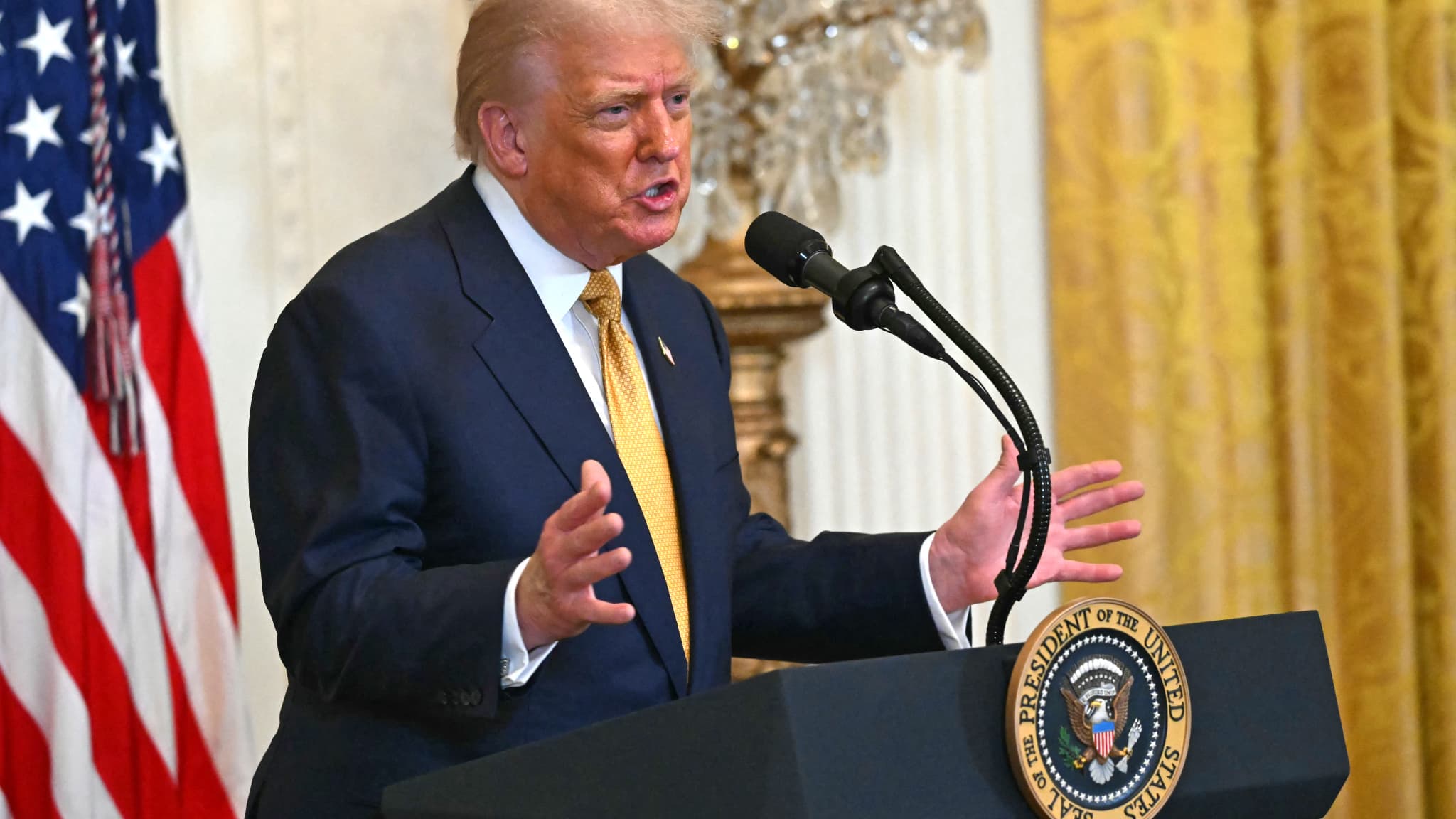
Poll: Plurality of Canadians Now View US as an Enemy
A surge in anti-American sentiment has gripped Canada, with 41% of citizens now labeling the United States an enemy nation. Polling firm Leger suggests this dramatic shift—up from 26% in June 2025—is fueled by President Donald Trump’s aggressive trade policies and his controversial rhetoric regarding Canadian sovereignty.
Rising Diesel Costs Put GOP on Defensive Ahead of 2026 Midterms
With diesel prices reaching an unprecedented $5.88 per gallon, Republican strategists are bracing for a difficult midterm cycle. Internal polling indicates that voters are increasingly linking the surging fuel costs directly to President Donald Trump’s ongoing military conflict with Iran, leaving party candidates with little room to maneuver.

Pentagon Subjects Joint Staff to Polygraph Spree Over Iran War Leaks
The U.S. Department of Defense has subjected approximately 50 members of the military's Joint Staff to mandatory polygraph examinations. This unprecedented campaign follows leaks revealing critical shortages in key munitions, including long-range missiles and Patriot interceptors, amid the ongoing conflict with Iran initiated by President Donald Trump without congressional authorization.

Router Protocol to Shut Down Operations and Burn 303M ROUTE Tokens
After four years of developing cross-chain infrastructure, Router Protocol announced it will cease all operations by September 30, 2026. The team plans to permanently burn 303,333,198 ROUTE tokens from its treasury, a move that triggered a 50% price drop and sent the asset to a new all-time low.

Vesu Lending Protocol Loses $3M in Oracle-Driven Liquidation Flash
A two-minute failure in the Pragma price feed on September 4 triggered the forced liquidation of 47 positions on the Starknet-based lending protocol Vesu. The error caused $3 million in collateral to be stripped from users before the oracle source corrected itself, prompting an urgent recovery effort by the protocol.

Long-Dormant Bitcoin Movements Signal Shift Among Oldest Holders
Investors who held Bitcoin for more than five years have doubled their spending activity since May, pushing the 90-day moving average of spent outputs to 1,500 BTC. While this surge in onchain movement coincides with a period of price consolidation, analysts warn that these transactions do not necessarily indicate selling.
Robinhood Chain activity driven by crypto-natives, not new users
Less than 1% of transactions on the new Robinhood Chain originate from the company's own wallet, according to an analysis by ARK Invest researcher Lorenzo Valente. The findings suggest the network is currently dominated by experienced on-chain traders rather than the brokerage's massive base of retail investors.
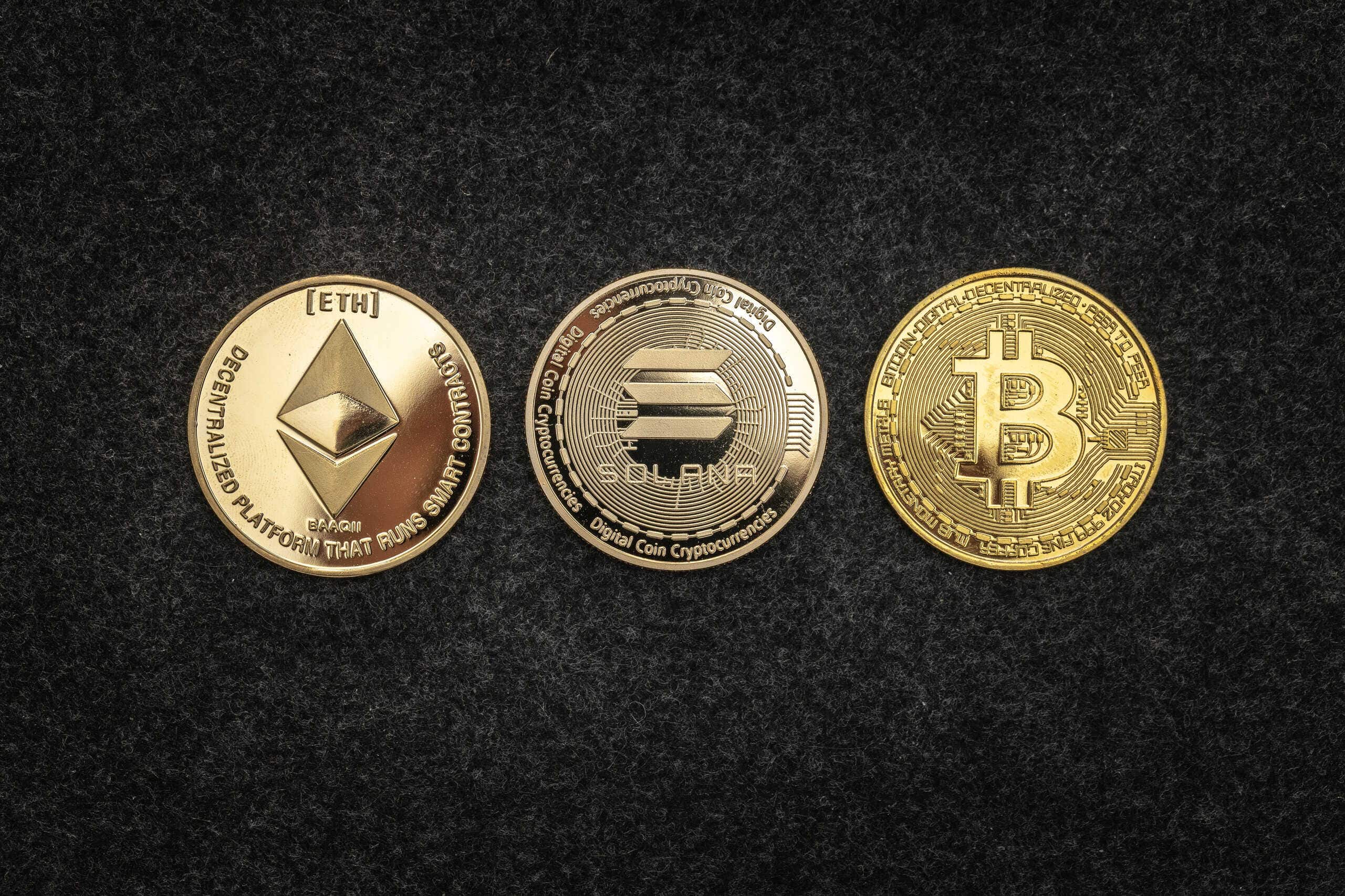
Crypto ETFs Net $1.2 Billion Amid Shifting Macro Sentiment
U.S. spot Bitcoin and Ethereum exchange-traded funds saw a combined $1.20 billion in net inflows for the week ending Sept. 4, signaling resilient appetite for digital assets even as broader equity markets faced significant outflows. Bitcoin products dominated the momentum, accounting for more than 80% of the total weekly intake.

Robinhood Chain Hits Record $6 Million in Daily Fees
Robinhood Chain set a new daily fee record of $6.04 million, pushing its seven-day annualized revenue projection to approximately $1.1 billion. This surge in network activity is fueled by explosive growth in memecoin trading and token launches, which have transformed the platform into a high-volume hub for speculative assets.

Poland's Crypto Regulation Stalls After Third Presidential Veto
Poland’s Sejm has failed to override President Karol Nawrocki’s third veto of a major crypto regulation bill, falling 25 votes short of the required threshold. The legislative deadlock leaves the country’s framework for digital assets in limbo while fueling a heated political confrontation between the government and the presidency.