All news

Binance Claims Intervention in $1.2M DAO Governance Attack
With less than 48 hours before a malicious proposal could drain an unnamed DAO’s treasury, Binance security teams stepped in to coordinate a defense. The exchange claims it identified the vulnerability independently, triggering a series of deposit freezes across major platforms to protect roughly $1.2 million in assets.

Interlace Opens Brazil Hub to Capture Latin American Stablecoin Growth
Stablecoin infrastructure firm Interlace has established a physical presence in Brazil, appointing Guilherme Santos as country manager to spearhead its regional push. The expansion aims to integrate the company’s digital asset payment rails with local financial institutions and cross-border trade platforms in one of the world’s most active crypto markets.
Privacy concerns trail Kaito Pulse launch over tracking allegations
Kaito AI’s new browser extension, Kaito Pulse, is facing intense scrutiny after a source-code analysis suggested the software tracks granular user activity on X and creates persistent device fingerprints. The findings have raised questions regarding the extent of data collection occurring behind the tool’s social verification features.

Arthur Hayes returns to operations to lead AI network Flop Labs
Arthur Hayes, the co-founder of BitMEX, announced his return to an active operating role on August 18, stepping out of what he termed retirement to lead Flop Labs. The project intends to develop blockchain infrastructure specifically designed to serve as a financial layer for autonomous artificial intelligence agents.
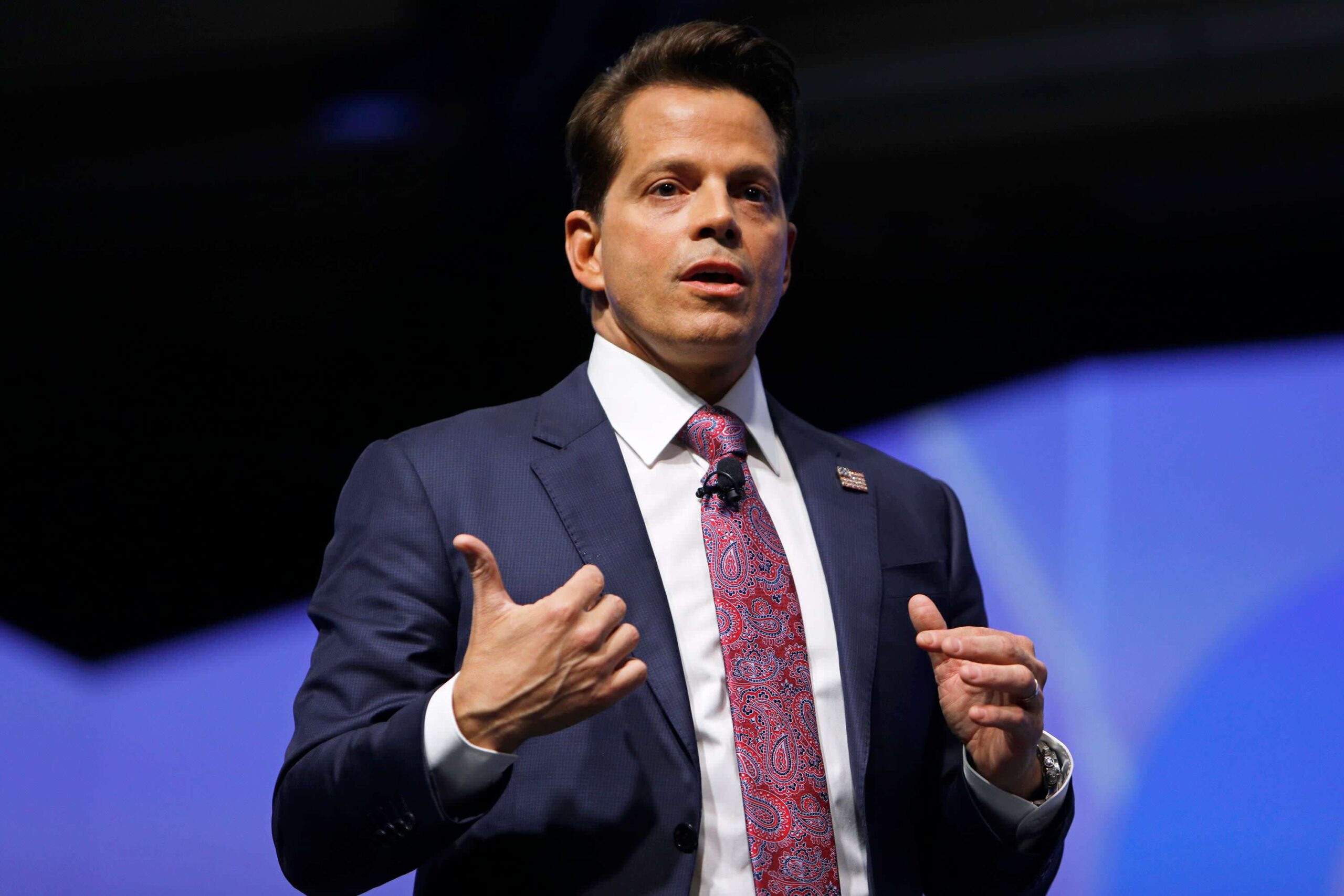
Scaramucci sees resilience in Bitcoin’s shallower bear market
Speaking at the Wyoming Blockchain Symposium, SkyBridge Capital founder Anthony Scaramucci identified Bitcoin’s recent 49% decline from its October 2025 peak as a distinct bear market. Despite the drop, he suggested the shallower drawdown compared to historical 80% crashes signals a more resilient base of net buyers.
Binance Reserve Data Shows Bitcoin Accumulation Amidst ETH, USDT Outflows
16,349 more Bitcoin sat in Binance user accounts on August 1 than the month prior, marking a sustained trend of accumulation. While Bitcoin reserves swelled to 657,000 BTC, holdings of Ethereum and Tether followed a downward trajectory, shedding significant volume across the exchange’s latest Proof of Reserves snapshot.

Bitcoin.com Integrates UAE-Regulated USDU Stablecoin into Wallet
Bitcoin.com is adding the USDU stablecoin to its self-custodial wallet, marking a shift toward integrating regulated assets into non-custodial environments. Issued by Universal Digital Intl. Limited, the token provides users with a dollar-backed asset supported by monthly reserve attestations and oversight from UAE financial authorities.

Bybit Blocks $700M in Fraudulent Withdrawals Amid Security Overhaul
Bybit intercepted more than $700 million in potential user losses during the first half of 2026, marking a significant shift in the exchange's defensive posture. The platform’s bolstered security architecture follows the devastating $1.46 billion hack in February 2025, which remains the largest cryptocurrency theft by value on record.

Wyoming Shifts Frontier Stable Token to Chainlink CCIP
The Wyoming Stable Token Commission has finalized the migration of its Frontier Stable Token (FRNT) from LayerZero to Chainlink’s Cross-Chain Interoperability Protocol. This transition, effective August 18, follows a state-led security review that raised specific concerns regarding LayerZero’s disclosure practices and internal operational controls.

Interstice Digital and FalconX launch cross-chain swap engine for Canton
Interstice Digital has unveiled a non-custodial swap engine connecting the Canton Network with Ethereum, Solana, and Robinhood Chain. By leveraging liquidity from FalconX, the platform enables institutional users to move assets between tokenized environments and public blockchains without requiring the company to hold custody of user funds.

Liechtensteinische Landesbank Profit Climbs to SFr105 Million
A 15.3 per cent surge in first-half 2026 profit pushed Liechtensteinische Landesbank’s net earnings to SFr105 million, up from SFr91 million a year ago. The results underscore a recovery in lending and robust client asset growth across the group's operations in Liechtenstein, Switzerland, and Austria.

BlackRock Balances Systematic AI Models with Human Oversight
Managing $15.3 trillion in assets, BlackRock is betting that the future of wealth management lies in a hybrid model. At a London briefing, portfolio managers argued that while Large Language Models and data-driven tools are revolutionizing market analysis, human judgment remains the essential safeguard during periods of extreme financial volatility.

Maya Protocol Halts Operations Following $1.7 Million Exploit
Maya Protocol suspended its cross-chain network after an attacker orchestrated a sophisticated exploit, chaining six distinct software vulnerabilities to drain approximately $1.7 million in Bitcoin and other assets. The breach triggered an immediate global halt, leaving the protocol’s developers scrambling to secure liquidity pools and restore swap functionality.

Canaccord Wealth Acquires Midlands-Based Harris Allday
Canaccord Wealth has agreed to purchase the Harris Allday business from EFG International, marking a significant consolidation in the UK wealth management sector. The deal involves a firm with a 175-year history and £3.1 billion in assets under management, currently operating out of Birmingham, Shrewsbury, and London.

Executive Moves: Appointments at FE fundinfo, Monument Bank, and JTC
Wealth management firms are reshaping their leadership benches this month, with FE fundinfo, Monument Bank, and JTC filling key strategic roles. The appointments reflect a broader industry push to integrate artificial intelligence, enhance digital banking services for mass-affluent clients, and expand international employee incentive programs.

Skipton International Launches New Fixed Rate Bonds
Guernsey-based Skipton International has introduced two new GBP Fixed Rate Bonds, offering savers a 4.25 per cent annual equivalent rate. The move targets investors seeking fixed returns, with maturity dates set for November 2027 and November 2028, providing a predictable earnings window in the current offshore savings market.

CLARITY Act faces legislative stalemate as midterm deadline looms
Miller Whitehouse-Levine, CEO of the Solana Policy Institute, estimates a mere 10% chance for the CLARITY Act to become law before November’s midterm elections. Speaking at the Wyoming Blockchain Symposium, he characterized the stalled digital asset market structure bill as currently trapped in a state of August recess purgatory.

Kalshi Seeks CFTC Approval for Equity and Copper Perpetual Futures
Kalshi has submitted two new perpetual futures contracts to the Commodity Futures Trading Commission, marking a significant push to expand its offerings beyond digital assets into traditional equity indexes and commodities. The move comes amid a high-stakes legal challenge from CME Group over the regulatory classification of such perpetual contracts.

Hyperliquid Proposes Regulatory Framework for Pre-IPO Derivatives
The Hyperliquid Policy Center and trade[XYZ] have petitioned the U.S. Securities and Exchange Commission to establish formal rules for pre-IPO perpetual contracts. This initiative seeks to classify equity-linked derivatives as legal financial instruments, potentially granting American retail investors access to price discovery tools currently restricted to offshore markets.

FBI May Hold Digital Trail to $69 Million Coldcard Theft
Investigators have reportedly uncovered a link between the initial wave of the Coldcard wallet thefts and a paid blockchain data account, potentially providing U.S. authorities with the information needed to identify the perpetrator behind the $69 million in Bitcoin that vanished during the attack.

FASB Sets Strict Accounting Thresholds for Stablecoin Cash Equivalents
The Financial Accounting Standards Board has introduced new guidance determining when companies may report stablecoins as cash equivalents. Under the proposal, tokens must grant holders direct, on-demand contractual redemption rights and be backed by segregated, highly liquid reserves to match the accounting treatment typically reserved for assets like Treasury bills.
BlackRock Maintains Long-Term Bitcoin Thesis Despite 50% Correction
Bitcoin’s sharp retreat from its October 2025 peak has wiped out more than half of its value, yet BlackRock remains committed to its long-term outlook. The asset manager argues that the recent market turbulence stems from excessive leverage and shifting capital flows rather than a fundamental flaw in the asset’s core properties.

VanEck signals potential Bitcoin accumulation phase by November
Eight of VanEck’s 12 proprietary capitulation indicators hit extreme historical levels by mid-August, signaling that Bitcoin may be entering a final accumulation phase. While the data suggests the current correction is nearing its end, the firm warns that historical patterns are not a guarantee of immediate price recovery.

Far-Right Rally Targets Dearborn as Leaders Denounce Anti-Muslim Hate
Thousands of demonstrators, many on motorcycles, descended on the majority-Muslim suburb of Dearborn, Michigan, for a self-styled “Christian Crusader March.” The rally, led by January 6 insurrectionist Jake Lang, sparked immediate condemnation from local officials and interfaith leaders who labeled the event an intimidation campaign against the city’s residents.

Three Killed in Targeted Shooting at San Diego Mosque
Two teenage gunmen opened fire at the Islamic Center of San Diego on Monday, killing three men before taking their own lives. The attack, which targeted the county’s largest mosque and an adjacent school, is currently being investigated by federal authorities as a hate crime against the local Muslim community.

Lawmakers and Advocates Press Supreme Court to Halt White House Ballroom
A coalition of federal lawmakers and legal advocacy groups has petitioned the Supreme Court to reject the Trump administration’s request to resume construction on a new White House ballroom. The filing argues that the project, which involves demolishing the East Wing, lacks the required congressional authorization and violates constitutional checks.

Trump Inauguration Highlights Growing Influence of Billionaire Class
Donald Trump took the oath of office as the 47th U.S. president on Monday, flanked on the inaugural platform by some of the world’s wealthiest individuals. Critics viewed the high-profile presence of tech titans and corporate donors as a definitive signal of the nation’s tightening grip by an entrenched oligarchy.

Cypherpunk Acquires Zcash Mining Fleet in $33 Million Deal
Nasdaq-listed Cypherpunk Technologies has secured 18% of the global Zcash network hashrate by acquiring a 4.2 GSol/s mining fleet from entities linked to Winklevoss Capital. The $33.33 million deal, executed through a pre-funded share warrant, establishes the company as the world’s largest active operator of Zcash mining equipment.

SEC Proposes Two-Tiered Exemption Framework for Crypto Token Sales
The U.S. Securities and Exchange Commission has unveiled a proposed regulatory framework dubbed Reg Crypto, aiming to create specific pathways for digital asset issuers to raise capital. The plan introduces two distinct registration exemptions, allowing firms to bypass standard securities filings while adhering to new disclosure and reporting mandates.
CFTC Proposes Easing Registration Burdens for Investment Advisers
The Commodity Futures Trading Commission has launched a 45-day comment period on a regulatory overhaul designed to streamline oversight for investment advisers. The proposal seeks to eliminate duplicative registration requirements for SEC-registered firms and doubles the small-pool capital exemption threshold to $800,000 to better reflect current economic conditions.