All news

Canaccord Wealth Acquires Midlands-Based Harris Allday
Canaccord Wealth has agreed to purchase the Harris Allday business from EFG International, marking a significant consolidation in the UK wealth management sector. The deal involves a firm with a 175-year history and £3.1 billion in assets under management, currently operating out of Birmingham, Shrewsbury, and London.

Executive Moves: Appointments at FE fundinfo, Monument Bank, and JTC
Wealth management firms are reshaping their leadership benches this month, with FE fundinfo, Monument Bank, and JTC filling key strategic roles. The appointments reflect a broader industry push to integrate artificial intelligence, enhance digital banking services for mass-affluent clients, and expand international employee incentive programs.

Skipton International Launches New Fixed Rate Bonds
Guernsey-based Skipton International has introduced two new GBP Fixed Rate Bonds, offering savers a 4.25 per cent annual equivalent rate. The move targets investors seeking fixed returns, with maturity dates set for November 2027 and November 2028, providing a predictable earnings window in the current offshore savings market.

CLARITY Act faces legislative stalemate as midterm deadline looms
Miller Whitehouse-Levine, CEO of the Solana Policy Institute, estimates a mere 10% chance for the CLARITY Act to become law before November’s midterm elections. Speaking at the Wyoming Blockchain Symposium, he characterized the stalled digital asset market structure bill as currently trapped in a state of August recess purgatory.

Kalshi Seeks CFTC Approval for Equity and Copper Perpetual Futures
Kalshi has submitted two new perpetual futures contracts to the Commodity Futures Trading Commission, marking a significant push to expand its offerings beyond digital assets into traditional equity indexes and commodities. The move comes amid a high-stakes legal challenge from CME Group over the regulatory classification of such perpetual contracts.

Hyperliquid Proposes Regulatory Framework for Pre-IPO Derivatives
The Hyperliquid Policy Center and trade[XYZ] have petitioned the U.S. Securities and Exchange Commission to establish formal rules for pre-IPO perpetual contracts. This initiative seeks to classify equity-linked derivatives as legal financial instruments, potentially granting American retail investors access to price discovery tools currently restricted to offshore markets.

FBI May Hold Digital Trail to $69 Million Coldcard Theft
Investigators have reportedly uncovered a link between the initial wave of the Coldcard wallet thefts and a paid blockchain data account, potentially providing U.S. authorities with the information needed to identify the perpetrator behind the $69 million in Bitcoin that vanished during the attack.

FASB Sets Strict Accounting Thresholds for Stablecoin Cash Equivalents
The Financial Accounting Standards Board has introduced new guidance determining when companies may report stablecoins as cash equivalents. Under the proposal, tokens must grant holders direct, on-demand contractual redemption rights and be backed by segregated, highly liquid reserves to match the accounting treatment typically reserved for assets like Treasury bills.

BlackRock Maintains Long-Term Bitcoin Thesis Despite 50% Correction
Bitcoin’s sharp retreat from its October 2025 peak has wiped out more than half of its value, yet BlackRock remains committed to its long-term outlook. The asset manager argues that the recent market turbulence stems from excessive leverage and shifting capital flows rather than a fundamental flaw in the asset’s core properties.

VanEck signals potential Bitcoin accumulation phase by November
Eight of VanEck’s 12 proprietary capitulation indicators hit extreme historical levels by mid-August, signaling that Bitcoin may be entering a final accumulation phase. While the data suggests the current correction is nearing its end, the firm warns that historical patterns are not a guarantee of immediate price recovery.

Far-Right Rally Targets Dearborn as Leaders Denounce Anti-Muslim Hate
Thousands of demonstrators, many on motorcycles, descended on the majority-Muslim suburb of Dearborn, Michigan, for a self-styled “Christian Crusader March.” The rally, led by January 6 insurrectionist Jake Lang, sparked immediate condemnation from local officials and interfaith leaders who labeled the event an intimidation campaign against the city’s residents.

Three Killed in Targeted Shooting at San Diego Mosque
Two teenage gunmen opened fire at the Islamic Center of San Diego on Monday, killing three men before taking their own lives. The attack, which targeted the county’s largest mosque and an adjacent school, is currently being investigated by federal authorities as a hate crime against the local Muslim community.

Lawmakers and Advocates Press Supreme Court to Halt White House Ballroom
A coalition of federal lawmakers and legal advocacy groups has petitioned the Supreme Court to reject the Trump administration’s request to resume construction on a new White House ballroom. The filing argues that the project, which involves demolishing the East Wing, lacks the required congressional authorization and violates constitutional checks.

Trump Inauguration Highlights Growing Influence of Billionaire Class
Donald Trump took the oath of office as the 47th U.S. president on Monday, flanked on the inaugural platform by some of the world’s wealthiest individuals. Critics viewed the high-profile presence of tech titans and corporate donors as a definitive signal of the nation’s tightening grip by an entrenched oligarchy.

Cypherpunk Acquires Zcash Mining Fleet in $33 Million Deal
Nasdaq-listed Cypherpunk Technologies has secured 18% of the global Zcash network hashrate by acquiring a 4.2 GSol/s mining fleet from entities linked to Winklevoss Capital. The $33.33 million deal, executed through a pre-funded share warrant, establishes the company as the world’s largest active operator of Zcash mining equipment.

SEC Proposes Two-Tiered Exemption Framework for Crypto Token Sales
The U.S. Securities and Exchange Commission has unveiled a proposed regulatory framework dubbed Reg Crypto, aiming to create specific pathways for digital asset issuers to raise capital. The plan introduces two distinct registration exemptions, allowing firms to bypass standard securities filings while adhering to new disclosure and reporting mandates.
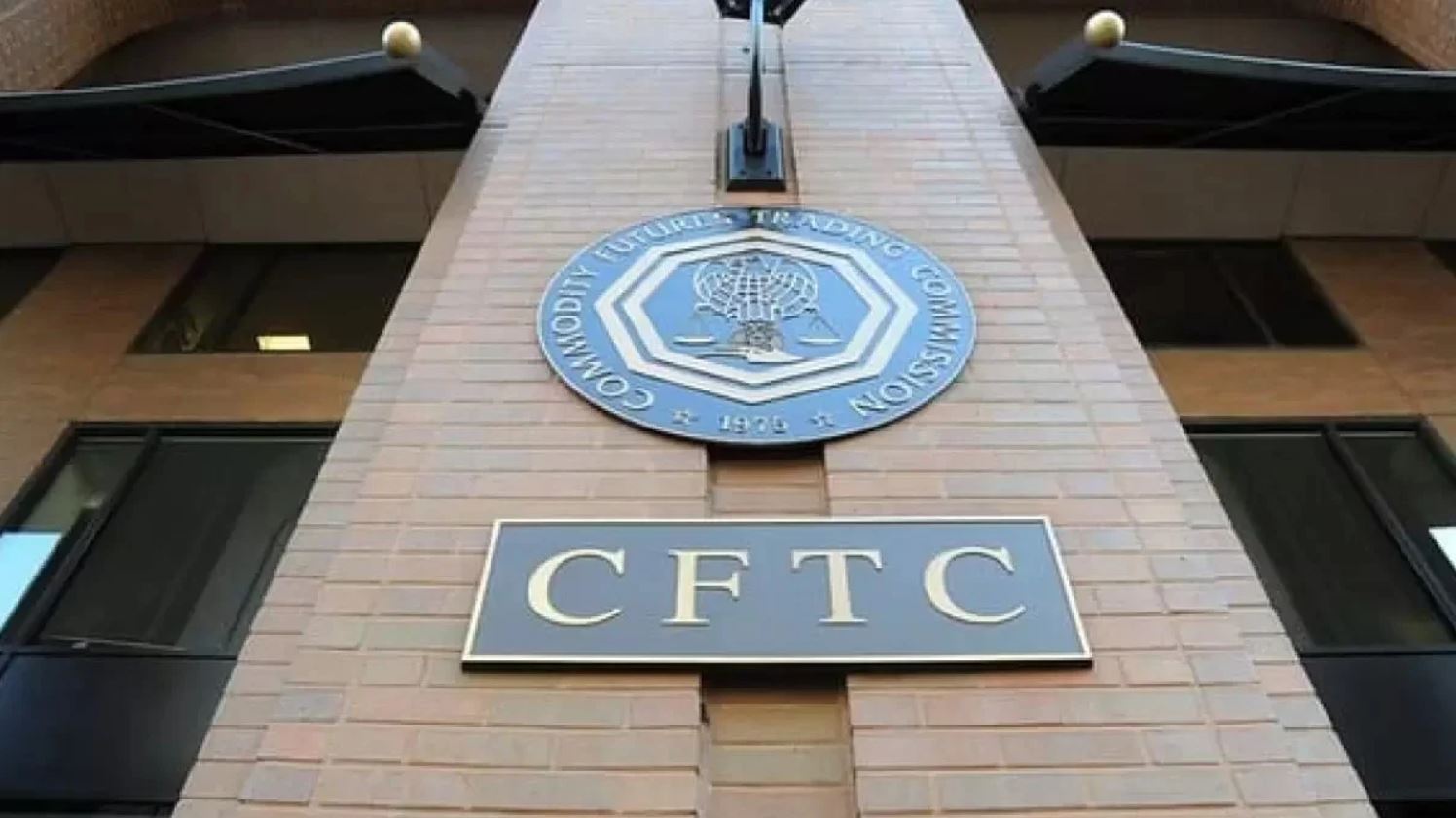
CFTC Proposes Easing Registration Burdens for Investment Advisers
The Commodity Futures Trading Commission has launched a 45-day comment period on a regulatory overhaul designed to streamline oversight for investment advisers. The proposal seeks to eliminate duplicative registration requirements for SEC-registered firms and doubles the small-pool capital exemption threshold to $800,000 to better reflect current economic conditions.
Democrats Sue to Block Trump’s Mail-In Voting Restrictions
The Democratic Party filed a lawsuit in the U.S. District Court for the District of Columbia on Wednesday, challenging an executive order by President Donald Trump that aims to restrict mail-in voting. The complaint contends that the order lacks constitutional authority and threatens to disenfranchise voters nationwide.

Trump Casts Mail-In Ballot Despite Campaign Against Absentee Voting
President Donald Trump has once again utilized mail-in voting for Florida’s Republican primary, despite his aggressive push to restrict the practice for millions of Americans. While the president continues to characterize universal mail-in ballots as fraudulent, his own participation in the system highlights a deepening contradiction in his administration’s election policy.
Federal Agencies Expand Reach into State Election Machinery
The Department of Homeland Security is quietly asserting federal authority over local election infrastructure across at least eight states, marking a significant departure from the constitutional mandate that leaves voting administration to individual states. The push involves data demands, equipment access, and investigations into past results.
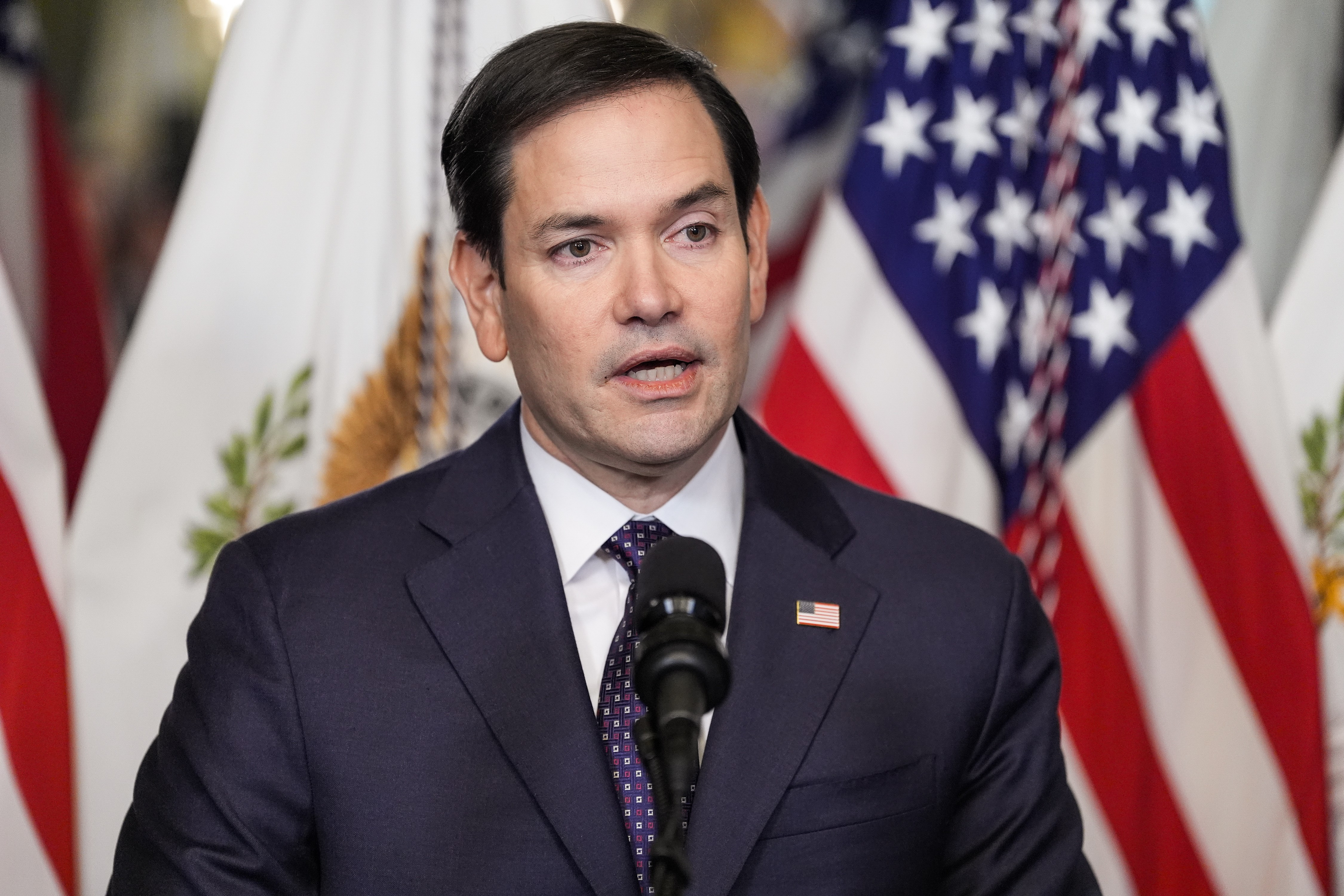
US Sanctions Against ICC Judges Draw Global Condemnation
Human rights advocates and international officials have accused President Donald Trump and Secretary of State Marco Rubio of criminal obstruction. The charges follow new U.S. sanctions targeting four International Criminal Court judges who authorized investigations into alleged war crimes by American forces in Afghanistan and Israeli officials in Gaza.

ICC Judges Defy US Sanctions Following Gaza Arrest Warrants
Nine International Criminal Court officials face severe financial and social isolation after the Trump administration imposed sanctions in response to arrest warrants for Israeli leaders. Despite being blacklisted alongside organized crime figures, the jurists insist these measures will not deter their pursuit of justice for victims in Gaza.
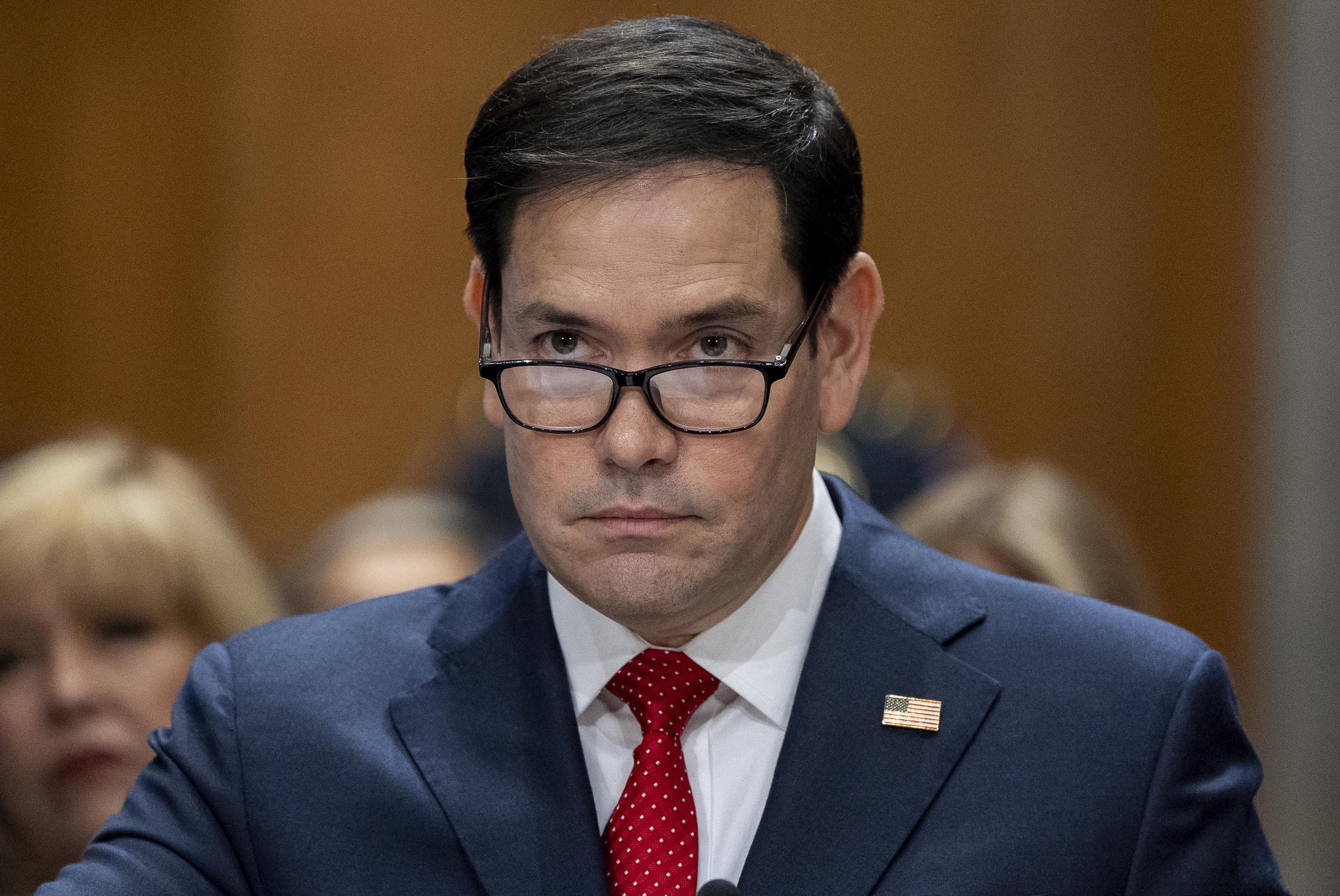
Rubio Faces Backlash Over Sanctions Against ICC Leadership
US Secretary of State Marco Rubio sparked intense criticism on Tuesday after unveiling sanctions against International Criminal Court President Tomoko Akane and senior trial lawyer Abdoulaye Saye. The move, which portrays the court as a politicized body, follows ongoing ICC investigations into alleged war crimes committed during the conflict in Gaza.

Columbia Faces Lawsuit Over Suspension of Pro-Palestine Student Groups
The New York Civil Liberties Union and Palestine Legal filed a lawsuit Tuesday against Columbia University on behalf of student groups suspended for their advocacy. The legal challenge seeks the immediate reinstatement of the campus chapters of Students for Justice in Palestine and Jewish Voice for Peace after their November deactivation.

At Least 16 Dead After Targeted Attack on Hanukkah Celebration in Sydney
A violent assault on a Hanukkah gathering at Sydney’s Bondi Beach has left at least 16 people dead, including a gunman, and dozens hospitalized. The attack, which Australian authorities have condemned as a calculated act of antisemitic terrorism, occurred on the first day of the Jewish holiday.

NYU Policy Update Equates Anti-Zionism With Harassment
New York University is facing sharp backlash after updating its student conduct policy to state that speech targeting Zionists can constitute discrimination. The change, which aligns with definitions often used by the Anti-Defamation League, has sparked fears that the administration is effectively criminalizing pro-Palestinian protest on campus.

Data Analysis Reveals Systematic Media Bias in Gaza Conflict Coverage
Journalist Adam Johnson has released a comprehensive study of 17,000 news articles and television segments, arguing that major U.S. media outlets systematically prioritized Israeli narratives while dehumanizing Palestinians. His new book, How to Sell a Genocide, asserts that this biased reporting served as a critical validator for U.S. policy decisions.

Sydney Library Pulls Book on Media Coverage of Gaza
Waverley Library in Sydney has pulled Adam Johnson’s book, "How to Sell a Genocide," from its shelves following a complaint that its display distressed a survivor of the Bondi Junction shooting. The decision has ignited a fierce debate over censorship and the boundaries of public discourse regarding the conflict in Gaza.

Conservationists Demand Permanent Halt to Big Bend Border Construction
After federal authorities announced a temporary pause on border infrastructure work in Big Bend National Park, environmental advocates are pushing for a total project cancellation, warning that even a brief suspension leaves the region vulnerable to irreversible damage from ongoing construction efforts.
Bitcoin Nears $65,000 as U.S.-Iran Diplomatic Standoff Deepens
Bitcoin climbed above $64,600 on Tuesday as President Donald Trump flatly denied that Washington is engaged in any negotiations with Tehran. The geopolitical tension, centered on the restricted Strait of Hormuz, continues to keep global oil prices elevated above $91 per barrel, casting a shadow over broader financial markets.