All news

CFTC Finalizes Trading Bans for Former FTX Executives
A U.S. federal court has finalized enforcement actions against former Alameda Research and FTX executives Caroline Ellison and Gary Wang, imposing multi-year trading and registration bans. These supplemental consent orders conclude the Commodity Futures Trading Commission's litigation against the pair, following their extensive cooperation in the government's broader fraud investigation.

BitGo Korea Clears Regulatory Hurdle for Institutional Crypto Custody
BitGo Korea has secured virtual asset service provider registration from South Korea’s Financial Intelligence Unit, marking the first time a local entity majority-owned by an overseas firm has navigated the process independently. The approval arrives just before the implementation of significantly stricter regulatory oversight for crypto businesses in the country.
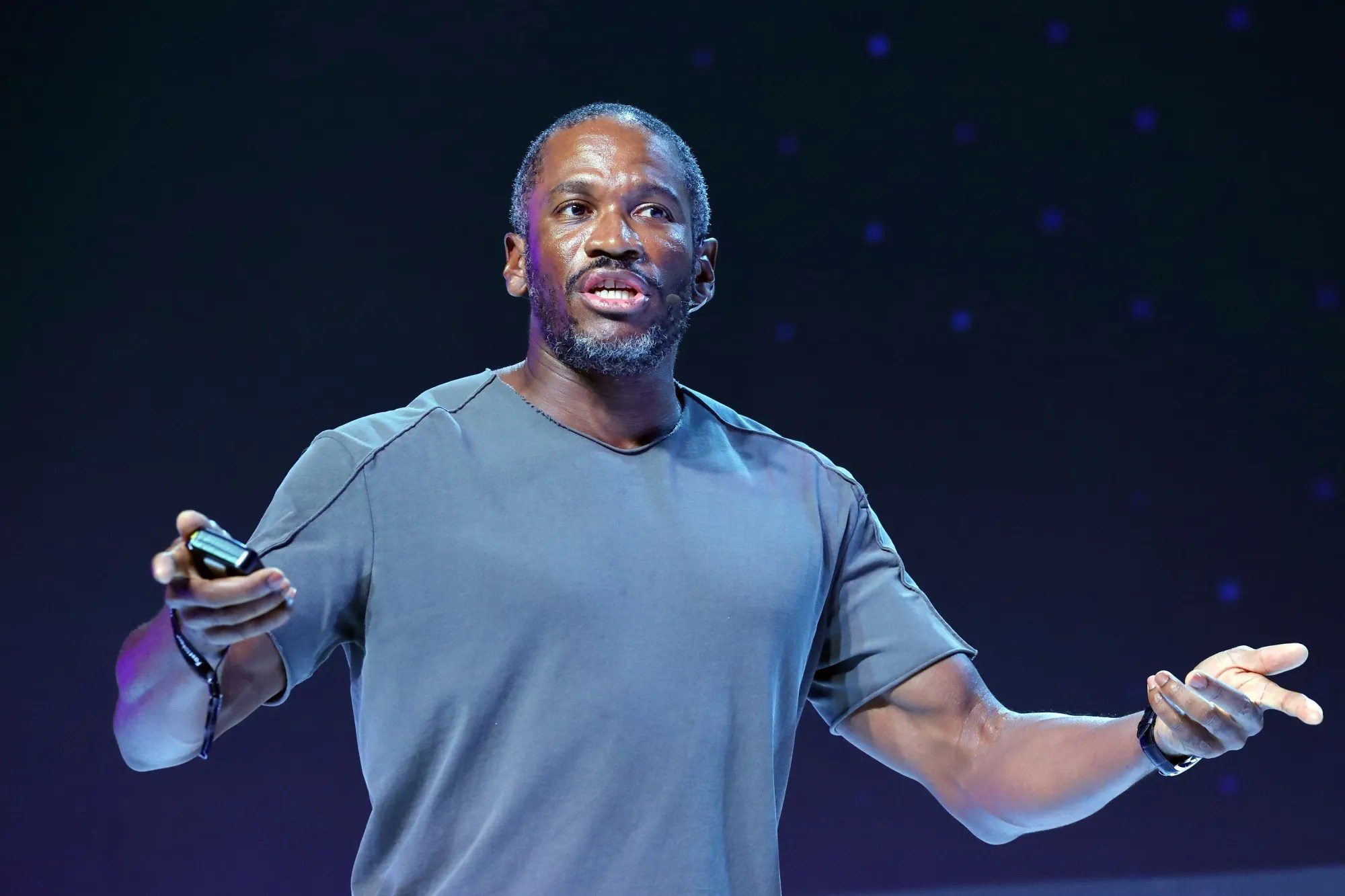
Arthur Hayes unveils 10-year FLOP token distribution plan
BitMEX co-founder Arthur Hayes has outlined a strategy to allocate 20% of the Flop Network’s token supply to testnet participants over the next decade. The initiative aims to incentivize a decentralized marketplace where AI agents purchase computing power using a standardized unit of work rather than model-specific fees.

Trump Pushes for CLARITY Act as Senate Passage Faces Long Odds
Conflict: President Donald Trump is urging Congress to pass a "fair" version of the CLARITY Act, aiming to codify digital asset policies into permanent law. Despite the push, deep-seated disagreements over ethics rules and decentralized finance remain, leaving the bill’s chances of clearing a 60-vote Senate hurdle increasingly slim.

Critics Decry Trump’s Selection of Heidi Overton to Lead FDA
With reproductive rights advocates and lawmakers voicing sharp dissent, President Donald Trump has nominated White House health policy adviser Dr. Heidi Overton to head the Food and Drug Administration. The pick faces immediate scrutiny over her past anti-abortion advocacy and support for controversial shifts in federal vaccine policy.
House Democrats Challenge Trump Administration’s Anti-Leftist Directives
A coalition of House Democrats is launching a formal inquiry into the Trump administration’s use of National Security Presidential Memorandum 7, alleging the policy creates a dangerously vague framework designed to criminalize political dissent and target left-leaning organizations under the guise of counterterrorism.

Treasury Bond Buyback Plan Faces Skepticism Over Political Timing
The Trump administration’s decision to double bond buybacks through November has triggered immediate backlash from economists who view the move as a calculated electoral maneuver rather than a sustainable economic fix. By pledging at least $4 billion in purchases, the Treasury aims to suppress long-term interest rates before the upcoming elections.
Federal Judge Halts Trump Administration Overhaul of Sex Ed Grants
A federal judge on Wednesday blocked the Trump administration’s attempt to overhaul the long-standing Teen Pregnancy Prevention program, issuing a preliminary injunction against new grant requirements that forced abstinence-only lessons and deemphasized contraception, citing potential administrative overreach and the use of questionable, possibly AI-generated, research.

A Modern Sears Plan: Pushing for 500,000 Affordable Prefab Homes
Economic researchers are proposing a federal initiative to construct 500,000 prefabricated starter homes over the next eight years. By reviving the logic of the early 20th-century Sears catalog kits, the plan aims to bypass traditional market constraints and provide affordable homeownership for middle-income families across the United States.

Fixing the AI truth gap: Geo founder on human-verified knowledge
Yaniv Tal, founder of the knowledge network Geo, contends that the unreliability of AI stems not from machine logic, but from the flawed architecture of the internet. By stripping context and provenance from information, the web’s current data pipelines feed models a mix of evidence and noise that inevitably leads to distorted outputs.

Amnesty Report Details Argentina's AI-Powered Surveillance Push
Under President Javier Milei, Argentina has rapidly assembled a digital dragnet, deploying advanced facial recognition and drone tracking to monitor its citizenry. Amnesty International warns this techno-authoritarian architecture is effectively crushing public dissent and forcing activists and journalists into a state of self-imposed silence.

US Vetoes UN Ceasefire Resolution as Gaza City Faces Destruction
The United States cast its sixth UN Security Council veto on Thursday, blocking a resolution that demanded an immediate, unconditional ceasefire in Gaza and the unhindered delivery of humanitarian aid. The 14-1 vote left the council paralyzed while Israeli forces pushed deeper into Gaza City under Operation Gideon’s Chariots 2.
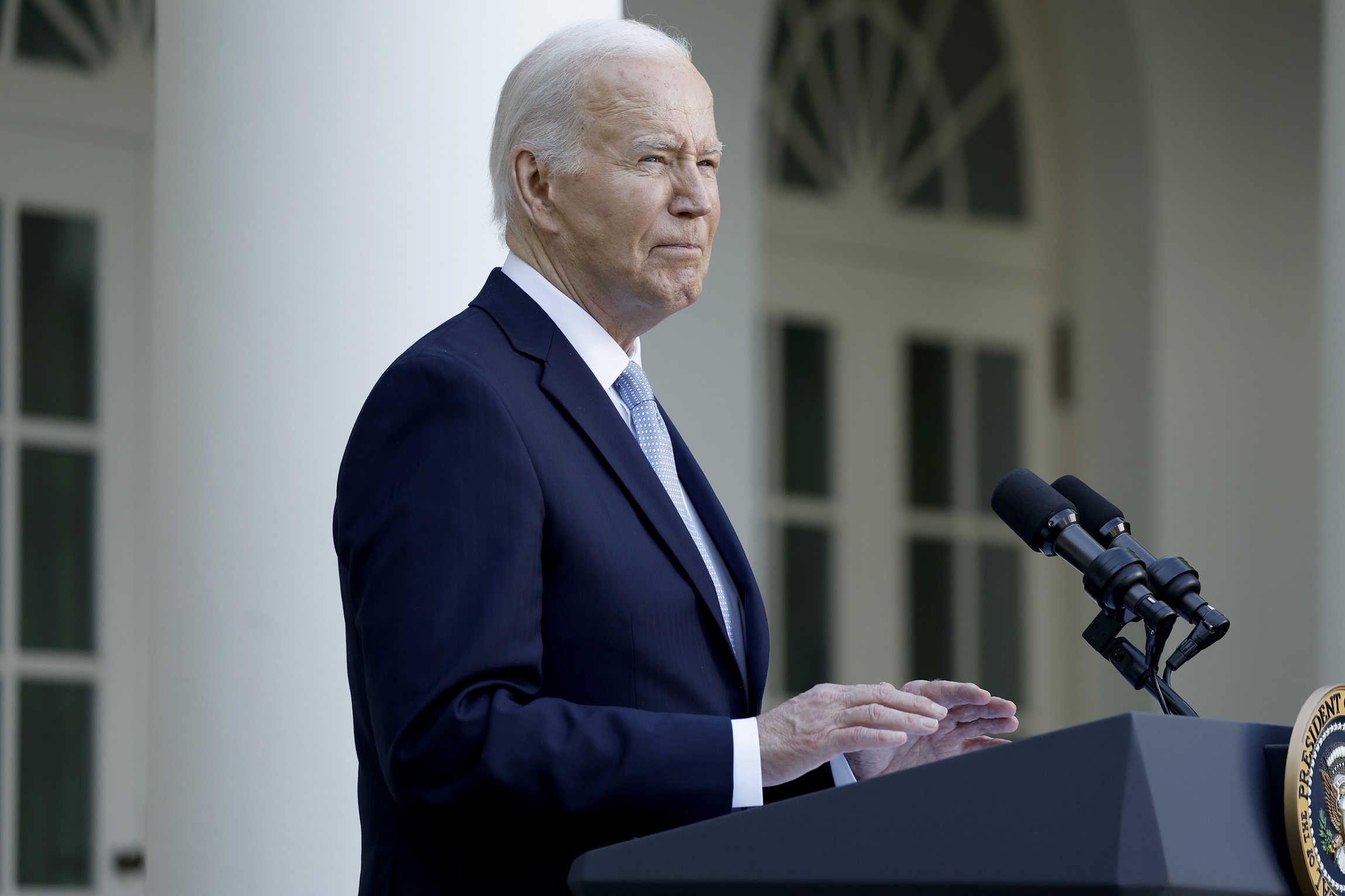
Biden Faces Backlash Over Doubts on Gaza Death Toll
President Joe Biden ignited a firestorm of criticism Wednesday by stating he has no confidence in Palestinian casualty figures from Gaza, dismissing data that is widely utilized by United Nations agencies, human rights organizations, and international media outlets to track the escalating humanitarian catastrophe.

Analysis links Israeli tank fire to killing of Hind Rajab
A forensic investigation has determined that an Israeli tank likely fired 335 bullets into a Kia Picanto in northern Gaza, killing five-year-old Hind Rajab and six relatives. The report suggests the tank was positioned within 23 meters of the vehicle, making the presence of civilians impossible for the crew to ignore.

IDF Opens Criminal Probes Into High-Profile Gaza Killings
Years after denying involvement in the deaths of civilians, the Israel Defense Forces announced Wednesday it is opening criminal investigations into the killing of 5-year-old Hind Rajab and the execution-style death of 15 first responders, while simultaneously clearing troops in other high-profile attacks on aid workers.

Investigation Links IDF to Execution-Style Killing of Gaza Medics
A new forensic investigation into the March 2025 killing of 15 Palestinian aid workers in Tel al-Sultan reconstructs an execution-style massacre, contradicting Israeli military claims. The report provides audio and spatial evidence that IDF soldiers fired nearly 1,000 bullets at a clearly marked humanitarian convoy, later attempting to conceal the scene.

VanEck signals market capitulation, but warns against quick Bitcoin rebound
Bitcoin has tripped eight of VanEck’s 12 capitulation indicators following a 49% slide from its record peak, signaling a period of intense market stress. While the firm identifies these metrics as a guide to the current cycle, historical backtesting suggests investors should not anticipate a rapid recovery in the near term.

Coinbase Integrates Hyperliquid for High-Leverage Trading on Base App
Coinbase has expanded its Base App capabilities by integrating Hyperliquid, enabling users to trade over 290 perpetual contract markets with up to 50x leverage. This move marks a strategic shift for the platform, which is moving away from failed social-feature experiments to prioritize high-demand financial derivatives and trading infrastructure.

GOP Memo Warns Silicon Valley That AI Data Centers Are Political Poison
Artificial intelligence infrastructure has become a toxic political liability, according to a leaked National Republican Senatorial Committee memo. The document suggests that data centers are now viewed by voters with the same hostility as nuclear waste, threatening to fracture the party’s long-standing pro-tech coalition ahead of the 2026 midterms.

Argentine Political Operative Arrested in Bolivia After Targeted Shooting
Fernando Cerimedo, an influential Argentine political strategist known for his deep ties to right-wing movements across Latin America, was arrested at Viru Viru Airport this Tuesday. Authorities detained him following a brutal attempt on the life of lawyer and activist Nadia Beller, who was shot at close range in Santa Cruz.

Franklin Templeton Shifts Strategy as Emerging Market Tech Rebounds
SK Hynix shares surged following a $29 billion buyback pledge, providing a critical stabilizer for South Korean tech stocks. Chetan Sehgal, lead manager of the Templeton Emerging Markets Investment Trust, views this move as a signal that increased shareholder returns will dampen the volatility that rattled investors throughout July.

OCC Targets November for Final GENIUS Act Stablecoin Rules
The Office of the Comptroller of the Currency expects to finalize its primary GENIUS Act regulations by November, following a period of industry feedback. Comptroller Jonathan Gould announced the timeline at the Wyoming Blockchain Symposium, signaling that the agency intends to refine its proposed stablecoin framework before official publication.

The High Price of Trump’s DC Homeless Crackdown
Deploying 2,100 National Guard troops to clear Washington, DC’s homeless encampments costs taxpayers 4.3 times more than providing stable housing for the city's entire unhoused population. While the administration frames these operations as a security necessity, new figures suggest the crackdown is a significantly more expensive alternative to proven support.
Trump Budget Targets Key Housing Program Amid Homelessness Crackdown
As the Trump administration intensifies a nationwide campaign to clear public spaces of homeless individuals, its fiscal year 2026 budget proposal seeks to dismantle the Continuum of Care program, a critical federal initiative that has long served as the primary vehicle for moving people from streets into stable, permanent housing.

Rising Drone Warfare Fuels Record Violence Against Global Aid Workers
The international community marked World Humanitarian Day under the shadow of a grim milestone: 2025 saw a record number of violent attacks against aid workers. United Nations officials point to the rapid proliferation of weaponized drones as a primary driver of this escalating threat to humanitarian safety.
The High Cost of Trump’s DC National Guard Deployment
One year into the federal military presence in Washington, DC, a Reuters investigation reveals that the 4,500 deployed National Guard troops have had a negligible impact on violent crime, despite costing taxpayers nearly $1.7 million per day and frequently exceeding the city's own police force in numbers.
Trump Claims Crime Wave While Data Shows Historic Declines
When Donald Trump deployed the National Guard to Washington, D.C., citing a city overrun by "bloodshed and bedlam," he ignored a stark reality: violent crime in the capital has plummeted 26% since last year, hitting a 30-year low according to local police data.

Nethermind Shifts Cross-Chain Operations from LayerZero to Chainlink
Ethereum engineering firm Nethermind has stepped down from its role as a decentralized verifier for LayerZero, opting instead to join Chainlink as a node operator and strategic technology provider. The move marks a significant consolidation of infrastructure support toward Chainlink’s Cross-Chain Interoperability Protocol.

Ethena and FalconX Partner on $1 Billion Institutional Lending Facility
Ethena and FalconX have unveiled a $1 billion secured lending facility designed to deploy USDe backing assets into institutional loans. The arrangement utilizes a special purpose vehicle to originate credit for corporate treasury and trading operations, marking a shift toward traditional institutional financing for the synthetic dollar protocol.

Strive Director Pierre Rochard Acquires $200K in Common Stock
Strive director Pierre Rochard purchased 15,900 shares of the company’s common stock for roughly $199,386 on August 14, marking his first direct acquisition of the equity. The transaction occurred as Strive’s preferred Series A stock neared its $100 par value, potentially signaling renewed flexibility for the firm's Bitcoin treasury strategy.