All news
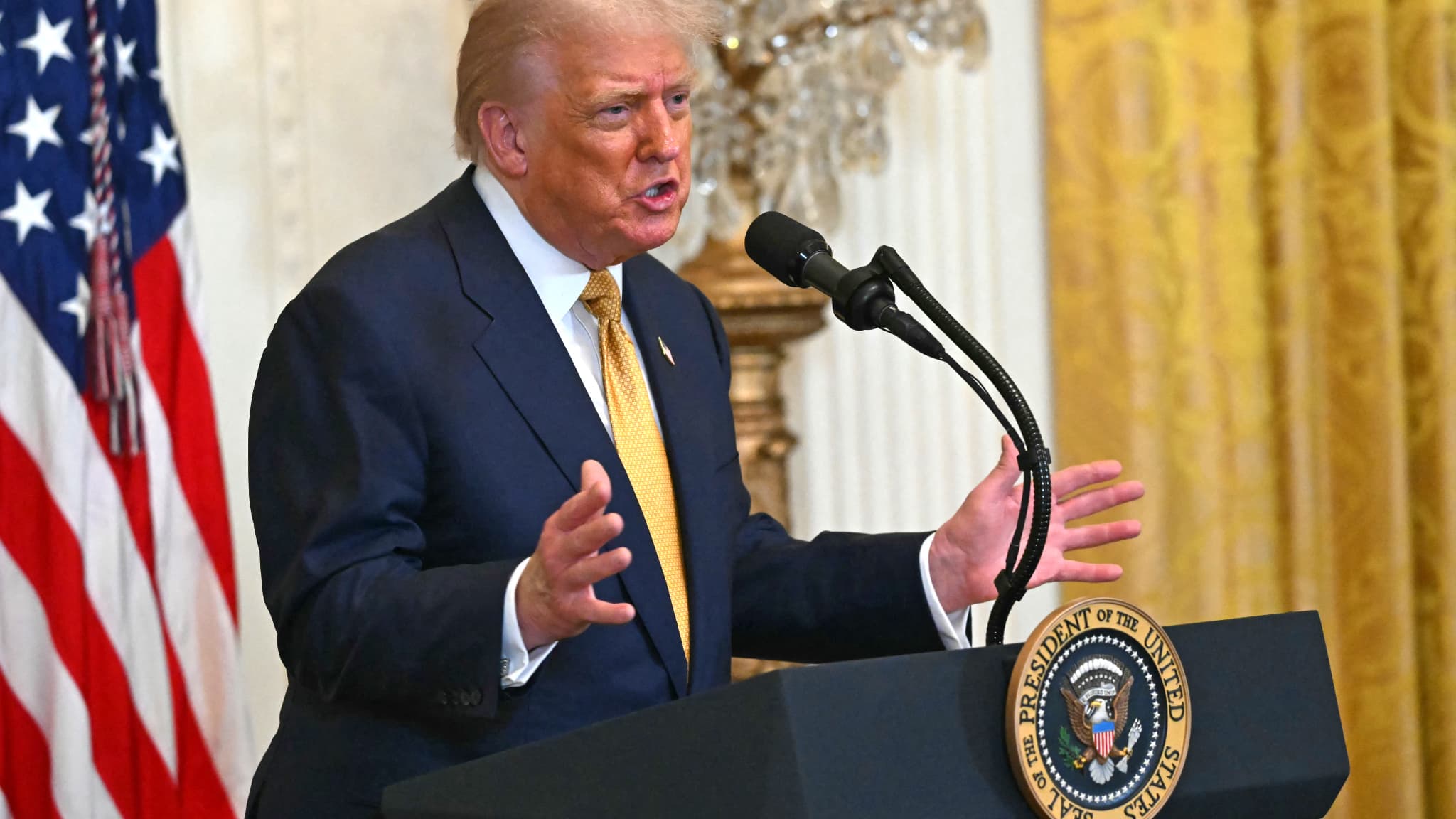
Trump Claims Control of Venezuelan Oil in Controversial Deal
Donald Trump announced Friday that his administration has secured majority control over 65 billion barrels of Venezuelan oil reserves. The move, framed by the White House as a strategy to lower domestic gas prices, faces sharp condemnation from critics who describe the agreement as a predatory colonial-style seizure of foreign assets.

UK Police Seize $1.4 Million in Darknet-Linked Crypto Assets
Avon and Somerset Police have recovered 20.21 Bitcoin and additional assets valued at over $1.4 million, successfully tracing funds linked to illicit darknet marketplaces that operated between 2016 and 2019. The forfeiture, finalized earlier this year, marks the force's largest recovery since new crypto-freezing powers were enacted in 2024.

Solana Token GOLD Collapses 99% After Trump-Linked Promotion
The GOLD token plummeted 99% from its peak after a cluster of wallets controlling over 82% of the supply liquidated their holdings for approximately $1.01 million. The crash occurred within seconds of a promotional post on X, mirroring a pattern of rapid-fire market manipulation often observed in the meme coin sector.

Hyperliquid Gains First Builder-Deployed Outcome Exchange
Hyperliquid has recorded the first deployment of an outcome-based decentralized exchange under the moniker OUT, utilizing the network’s HIP-4 framework. The transaction confirms the creation of the market via on-chain records, marking a milestone for the protocol's permissionless market expansion, though live trading status remains unverified.

Interpol Targets West African Crime Networks in Global Crypto Crackdown
Operation Jackal IV has dismantled cross-border financial crime networks, resulting in 58 arrests and the seizure of $2.67 million. Spanning 22 countries, the eight-month initiative targeted West African organized crime groups utilizing romance scams, fake cryptocurrency investments, and sophisticated money laundering schemes to exploit victims globally.
US Secures 55% Output Share in Venezuelan Oil Venture
President Donald Trump has announced a deal granting the United States a 55% effective output share in a new venture controlling 65 billion barrels of Venezuelan crude. Negotiated by Secretary of State Marco Rubio and Defense Secretary Pete Hegseth, the pact aims to replenish U.S. reserves and stabilize domestic fuel costs.

New Fund Filings Expand XRP Investment Options in the US
Recent U.S. regulatory filings have surfaced for three distinct XRP-linked exchange-traded products, underscoring a broader push to integrate the token into diversified financial portfolios. While these documents from ProShares and Morningstar Funds Trust signal growing institutional interest, they remain separate from the established spot ETF market.

NFT Market Volume Plummets 45% as Trading Activity Widens
Global NFT sales dropped 44.7% to $63.33 million over the past week, even as the market witnessed a surge in unique user participation. While total transaction volume contracted to 802,330, the number of active buyer and seller addresses climbed significantly, suggesting a shift toward broader but lower-value market activity.

Crypto Startups Secure $184 Million in Weekly Funding Surge
Eight blockchain-focused projects captured $184.1 million in new capital between August 22 and August 28, a period defined by heavy institutional interest in market infrastructure and tokenization. RQD* Clearing and Fasset led the activity, together accounting for nearly $142 million of the total disclosed financing across the industry.

Cardone Capital scales hybrid real estate and Bitcoin strategy
Grant Cardone’s investment firm has expanded its unconventional portfolio by adding 1,200 Bitcoin and 2,000 multifamily residential units. By funneling rental income into regular cryptocurrency purchases, the firm aims to accumulate 10,000 BTC across specialized private funds, doubling down on a model that blends tangible property with volatile digital assets.

SEC Seeks to Align EU Debt Futures Under CFTC Oversight
The U.S. Securities and Exchange Commission has proposed an amendment to Rule 3a12-8, seeking to categorize European Union debt alongside sovereign securities. This shift would allow futures tied to EU debt to fall under the exclusive jurisdiction of the Commodity Futures Trading Commission, bridging a long-standing regulatory gap.

Ninth Circuit Ruling Leaves Kalshi’s Sports Betting Model Exposed
A three-judge panel of the U.S. Court of Appeals for the Ninth Circuit has cleared the way for Nevada regulators to enforce state gambling laws against Kalshi, rejecting the firm’s argument that its sports event contracts are federally regulated swaps exempt from local oversight.

Anti-Monopoly Group Targets Healthcare Consolidation to Cut Costs
A new report from the American Economic Liberties Project argues that dismantling corporate healthcare monopolies could save American households over $6,000 annually. The proposal targets the consolidation of insurance giants, pharmaceutical middlemen, and hospital systems that prioritize executive profits over patient care and physician autonomy.

Ex-Diplomat Hala Rharrit Slams Biden Officials' 'PR Game' on Gaza
Former State Department official Hala Rharrit is rejecting recent expressions of regret from high-level Biden administration figures regarding their support for military aid to Israel. Rharrit, who resigned in 2024, labeled the belated remorse from her former colleagues a calculated public relations maneuver rather than a genuine shift in conscience.

Van Hollen Demands Democrats Confront Complicity in Gaza
Senator Chris Van Hollen has issued a sharp rebuke to his own party, urging Democrats to abandon their history of unconditional support for Israeli policies and reject the return of officials who enabled the destruction in Gaza during the Biden administration.

Bullish Backs USD.AI with $100M Facility for GPU-Backed Loans
Bullish has committed a $100 million stablecoin debt facility to USD.AI, providing the protocol with capital to finance high-performance computing hardware. The deal marks a strategic push by the exchange operator to expand its exposure to real-world assets by funding infrastructure operators through non-recourse, hardware-secured loans.

Lazarus Group Shifts $19 Million in Bitcoin Amid Heightened Scrutiny
Wallets linked to the North Korea-backed Lazarus Group moved 244.148 Bitcoin, valued at approximately $19.42 million, on August 28. While blockchain analytics firm Lookonchain confirmed the transaction, the ultimate destination of the funds—whether to an exchange, a mixer, or another internal address—remains unverified by investigators.
HyENA platform shutters after processing $4 billion in trades
After facilitating over $4 billion in trading volume for 12,000 users, the derivative platform HyENA is winding down operations. The shutdown follows shifts in Hyperliquid’s stablecoin ecosystem, which effectively narrowed the utility for the USDe-backed margin products that served as the project’s core offering.
Stash of Lost Bitcoin Linked to Irish Drug Dealer Moves to Coinbase
A wallet once thought to be permanently locked has transferred 500 BTC, worth approximately $39.56 million, to the institutional platform Coinbase Prime. The movement follows years of uncertainty regarding the assets, which were famously hidden inside a fishing rod case by convicted Irish drug dealer Clifton Collins.
Six Months In, Trump’s Iran War Stalls Amid Rising Costs
The conflict with Iran, once promised by President Donald Trump to be a swift, decisive affair, hit its six-month milestone this Friday with no clear conclusion in sight. Instead of a quick victory, the administration faces a strategic deadlock that has upended regional stability and domestic fuel prices.
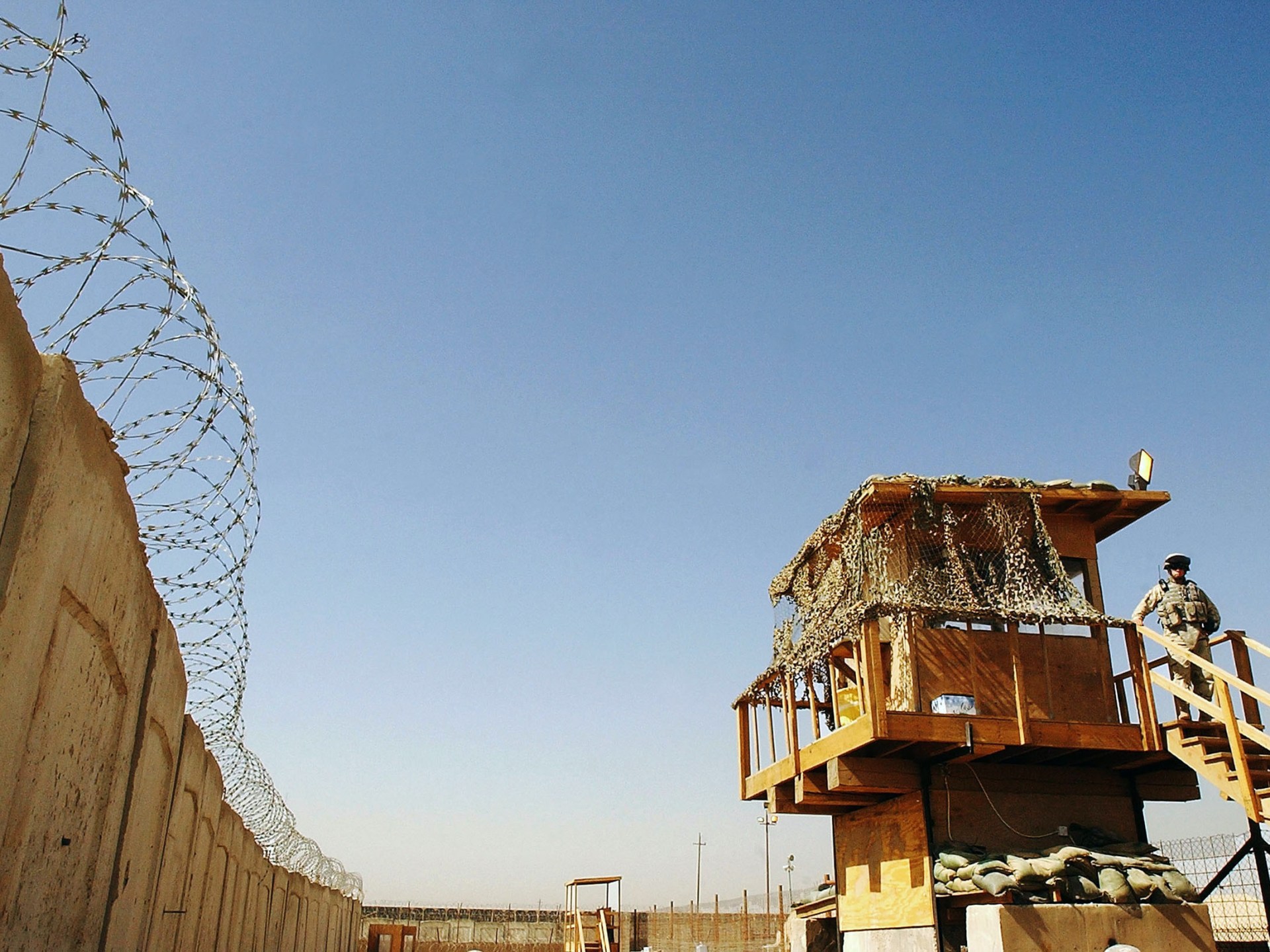
Jury Holds Contractor Liable for Abu Ghraib Torture
After sixteen years of legal battles, a federal jury in Virginia has reached a landmark verdict, finding contractor CACI Premier Technology legally responsible for the torture of three Iraqi prisoners. The ruling marks the first time a private firm has faced accountability for abuses committed at the notorious Abu Ghraib facility.
US Appeals Court Confirms Liability for Abu Ghraib Torture
A federal appellate court has affirmed a landmark verdict against military contractor CACI Premier Technology for its role in the torture of three prisoners at the Abu Ghraib detention center. The decision upholds a $42 million judgment, marking a rare instance of accountability for corporate involvement in Iraqi war crimes.
Mistrial Declared in Abu Ghraib Torture Case Against CACI
A federal judge in Alexandria declared a mistrial Thursday after a jury remained deadlocked in the landmark case of three Iraqi men seeking accountability for torture at the Abu Ghraib prison. The eight jurors could not reach a unanimous verdict following eight days of deliberation regarding the role of private contractor CACI.
Appellate Court Overturns Abu Ghraib Verdict After Supreme Court Ruling
A federal appellate court on Friday vacated a historic $42 million verdict against military contractor CACI Premier Technology, citing a recent Supreme Court decision that severely restricted the scope of the Alien Tort Statute. The ruling ends an 18-year legal battle for three Iraqi men tortured at Abu Ghraib.
Judge Rejects CACI Bid to Dismiss Abu Ghraib Torture Lawsuit
A federal judge in Virginia has cleared the way for a long-delayed trial against CACI Premier Technology, rejecting the defense contractor’s latest attempt to evade a lawsuit filed by Iraqi survivors of the Abu Ghraib prison. The ruling marks a significant milestone in a legal battle spanning nearly two decades.
Abu Ghraib Torture Survivors Finally Face Contractors in Court
Two decades after enduring systemic abuse at the Abu Ghraib prison, three Iraqi survivors have reached a Virginia federal courtroom to confront their tormentors. The civil trial, Al Shimari v. CACI, marks a rare legal challenge against the private military contractors hired by the U.S. government during the Iraq War.

Solana-based Avici hit by $1M exploit, token hits record low
A systematic security breach targeting the Solana-based crypto card platform Avici has drained over $1 million in user collateral. As reports of unauthorized withdrawals emerged, the project’s native AVICI token plummeted nearly 50%, reaching an all-time low of $0.2175 amid growing concerns over the platform's self-custody architecture.

US Energy Independence Myth Exposed by Global Price Spikes
As domestic gas prices race toward $5 per gallon, the United States is finding that its reliance on fossil fuel production offers little protection against global volatility. While the administration touts energy independence, data suggests the country remains uniquely vulnerable compared to nations that have pivoted toward renewables.

Critics Decry Proposed Century-Long US Lease on Venezuelan Oil Fields
A push by the Trump administration to secure long-term ownership stakes in Venezuela’s massive oil reserves has sparked intense backlash from policy analysts. Critics are urging Congress to block the potential 100-year lease, labeling the aggressive move a colonial-style land grab designed to reward political donors with lucrative energy assets.

Tokenized Gold Emerges as Productive Collateral in Crypto Lending
Investors are increasingly deploying tokenized gold as collateral for crypto-backed loans, signaling a shift in how holders view digital bullion. As demand surges on platforms like Aave and Arch Lending, users are moving beyond passive ownership to leverage their assets for liquidity without exiting their long-term gold positions.