All news

Cronos Suspends Operations Following $75 Million Tectonic Exploit
Cronos validators abruptly halted block production on August 30 after a sophisticated exploit targeted the Tectonic lending protocol. Independent researchers estimate the breach siphoned approximately $75 million in assets, though the protocol has yet to issue a formal technical post-mortem or a concrete recovery timeline for affected users.

Russia’s regulated crypto market eyes $46 billion debut
Regulated cryptocurrency trading in Russia is projected to reach up to four trillion rubles, or roughly $46.43 billion, during its first year of operation. SberCIB Investment Research suggests this volume accounts for one-fifth of the nation's current annual crypto transaction activity as new licensing frameworks take hold.
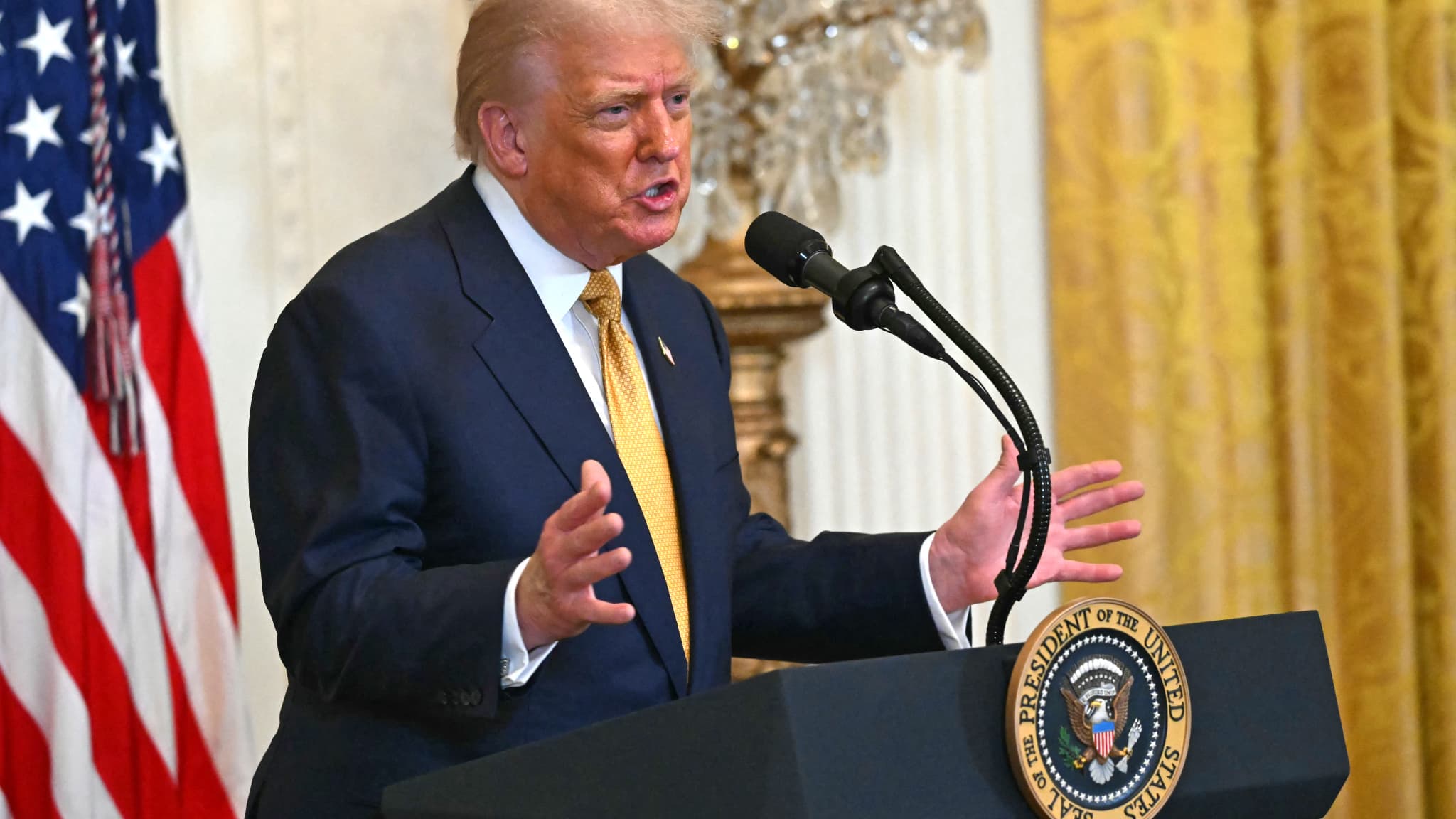
Trump Claims Venezuelan Oil as 'Gift' to Refill US Reserves
Donald Trump sparked sharp criticism on Sunday by announcing that Venezuelan oil would be used to replenish the US Strategic Petroleum Reserve, a move he framed as a gift to the American people following his administration’s deal to secure majority control over 65 billion barrels of the country’s oil assets.
Mexico Threatens Lawsuit Over Google’s 'Gulf of America' Map Label
Mexican President Claudia Sheinbaum has warned that her government will pursue civil litigation against Google unless the tech giant reverts its digital maps to show the Gulf of Mexico. The standoff follows a U.S. executive order attempting to rename the international body of water to the Gulf of America.
Associated Press Sues White House Over Press Access Blacklist
The Associated Press filed a lawsuit Friday against three Trump administration officials, challenging a ban on its journalists from presidential events. The White House blocked the news outlet after it refused to adopt the administration’s mandated renaming of the Gulf of Mexico to the "Gulf of America."

Google Maps Rebrands Lake Ontario as Lake America Under Trump Order
Following a presidential executive order, Google has updated its US map interface to label Lake Ontario as Lake America. The decision, which the tech giant frames as a standard procedural alignment with federal geographic databases, has ignited a firestorm of criticism from lawmakers, indigenous leaders, and international officials.

Pictet Assets Hit Record High Amid Market Volatility
Geneva-based Pictet reported a 12 percent jump in net profit to SFr371 million for the first half of 2026, defying a challenging geopolitical climate. The private bank’s assets under management climbed to an all-time high of SFr810 billion, signaling sustained client confidence despite ongoing market instability.
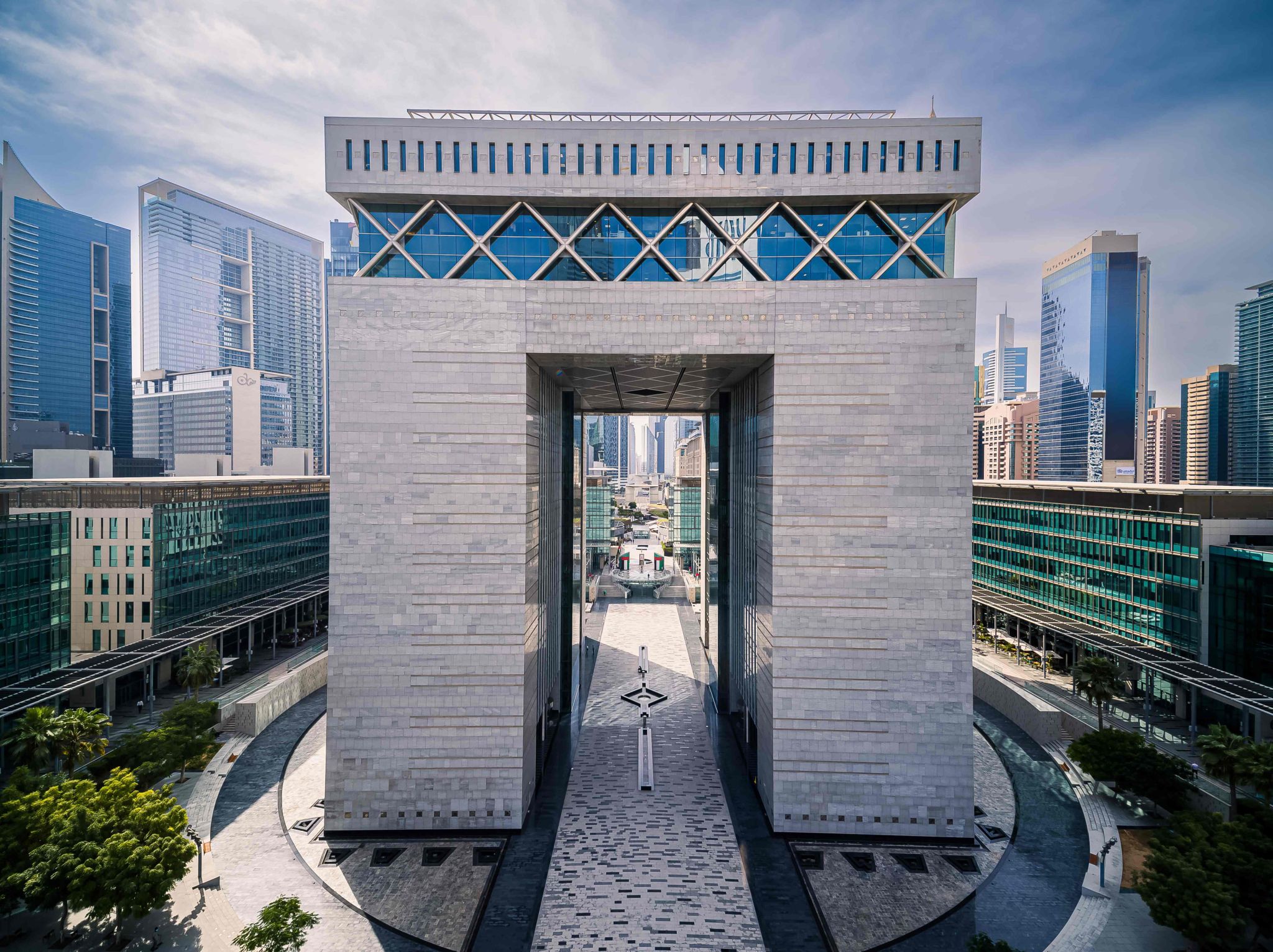
Karthik Chandrasekaran Named CIO at Three Comma Capital Advisors
Dubai’s financial hub is strengthening its leadership bench as Karthik Chandrasekaran steps into the role of chief investment officer at Three Comma Capital Advisors. A veteran with over two decades in international banking, he leaves his position at Julius Baer to oversee investment strategy at the DIFC-based asset manager.
Trump Targets NBC Journalist for FCC Rebuke After Coverage of Endorsements
Donald Trump demanded federal intervention against NBC journalist Kristen Welker on Sunday, calling for the Federal Communications Commission to issue a formal punishment. The president’s outburst followed Welker’s on-air assessment that his recent endorsements had produced mixed results for Republican candidates, a claim he labeled as purposeful inaccuracy.
FCC Chair Threatens License Revocations Over Iran War Coverage
Federal Communications Commission Chair Brendan Carr sparked a fierce outcry Saturday after suggesting that media outlets critical of President Donald Trump’s war in Iran could lose their broadcast licenses. Carr, citing "news distortions," warned stations to "correct course" before their upcoming renewals, prompting immediate accusations of unconstitutional government censorship.
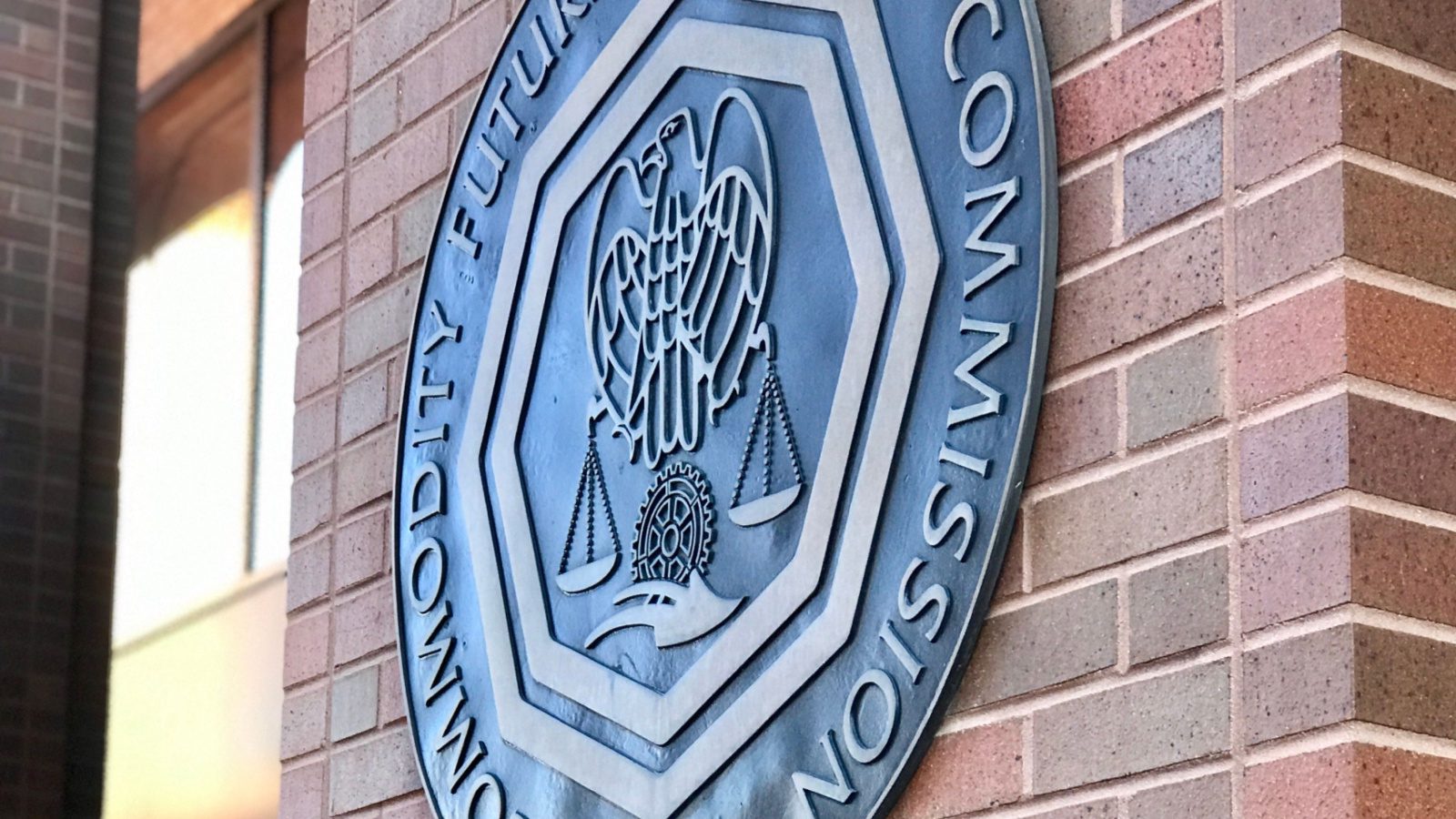
Ninth Circuit Ruling Deals Blow to Kalshi’s Federal Preemption Strategy
A federal appeals court has denied Kalshi’s attempt to block Nevada’s oversight of sports-event contracts, ruling that the platform’s derivatives likely function as gambling rather than swaps. The unanimous decision forces Kalshi to face state-level gaming enforcement while casting a shadow over the Commodity Futures Trading Commission’s regulatory authority.
Stablecoin card spending hits $10.9 billion milestone
Cumulative spending via stablecoin-linked cards has surpassed $10.9 billion, a milestone underscored by a record-breaking July 2026 that saw monthly volume exceed $1 billion for the first time. The surge highlights a shift in how digital assets are used for everyday retail transactions through conventional card networks.

Ripple Pledges $300,000 for Nepal and Tibet Flood Relief
With the death toll climbing to 750 and thousands still missing following a catastrophic glacier collapse, Ripple has committed $300,000 to emergency relief efforts. The San Francisco-based blockchain firm is directing funds to World Central Kitchen and Mercy Corps to address the immediate humanitarian crisis across Nepal and Tibet.
Ripple recruits LME treasury veteran for tokenization push
After a decade overseeing treasury operations at the London Metal Exchange, Joseph Thompson is shifting his focus to digital assets. His move to Ripple’s trading and markets team signals a strategic expansion into tokenization, leveraging his deep expertise in liquidity, collateral risk, and institutional clearing to bolster the firm's infrastructure.
Bitcoin Realized Cap Surges by $4.6 Billion as Liquidity Returns
Bitcoin’s realized capitalization expanded by more than $4.6 billion in the week ending August 30, marking the strongest short-term movement since the current bear market began. This influx coincided with a sharp recovery for the cryptocurrency, which climbed above $81,200 before stabilizing near the $78,000 threshold.

Solana sets September 9 for Transaction V1 rollout
Solana Foundation Vice President of Technology Jacob Creech has outlined a series of technical milestones for the blockchain, confirming the activation of Transaction V1 for September 9. This upgrade will significantly expand the network’s transaction capacity, while separate initiatives for rent reduction and consensus improvements move forward.

Luke Dashjr departs Bitcoin mining pool OCEAN
Luke Dashjr has resigned as chairman, chief technology officer, and director of the Bitcoin mining pool OCEAN. The split, finalized on August 29, follows a mutual agreement with parent company Mummolin Inc. to buy back all of Dashjr’s equity, effectively ending his ownership and leadership role within the firm.

Vietnam Clears Five Crypto Exchange Applicants for Initial Review
Five firms have moved past the initial assessment stage of Vietnam’s five-year digital asset pilot program, signaling the first concrete step toward regulatory oversight. While the State Securities Commission has acknowledged this progress, authorities have yet to issue a final operating license or disclose the identities of the candidate companies.
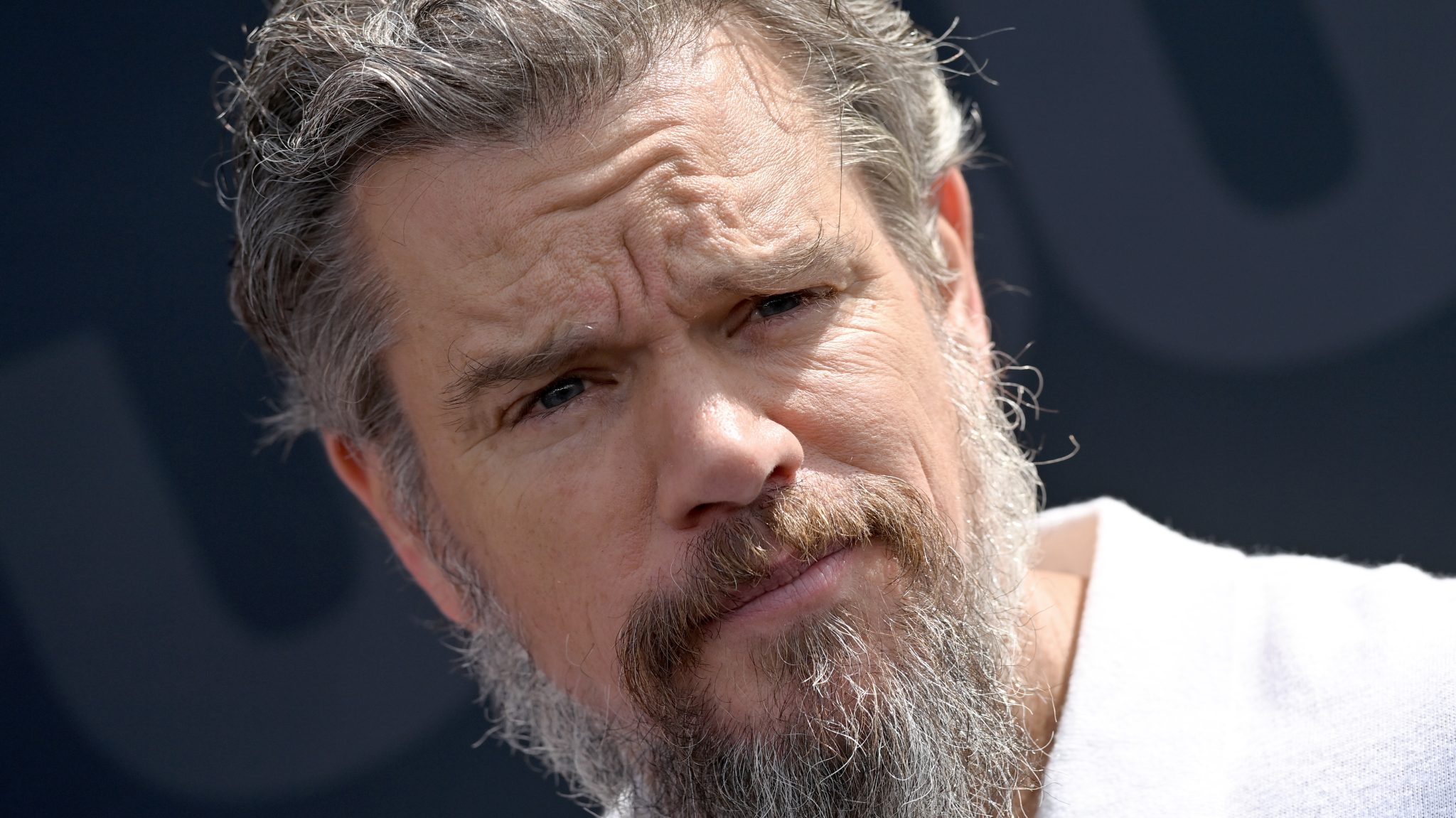
Matt Damon to Headline Ripple Swell 2026 in New York
Academy Award winner and Water.org co-founder Matt Damon will take the stage as a keynote speaker at Ripple Swell 2026. The conference is scheduled for October 27–29 at The Shed in Manhattan, marking a significant convergence of traditional finance, humanitarian efforts, and blockchain technology.

Coinbase to Remove BADGER and STORJ From Trading Platforms
Coinbase will terminate trading support for Badger DAO (BADGER) and Storj (STORJ) on September 28, 2026. The exchange, which initiated the delisting process by shifting both assets into a restricted limit-only mode, cited internal reviews of its listing standards as the primary driver for the decision.

Real Trump Coins distances itself from GOLD token crash
The company behind licensed Trump-themed merchandise has disavowed the Solana-based GOLD token after a promotional campaign on its official social media channels triggered a massive market collapse. The firm claims third-party actors hijacked its accounts to shill the asset, which lost 99% of its value in minutes.

BIS Chief Skeptical of Stablecoins as Scalable Payment Method
Stablecoins fail to function as a credible, large-scale payment method, according to Bank for International Settlements General Manager Pablo Hernández de Cos. Speaking at the Federal Reserve’s Jackson Hole symposium, he argued that tokenized bank deposits offer a superior path for digital finance by remaining anchored to central bank money.
Tokenized Stock Volume Surges to $29.5 Billion on Base
Tokenized stock transfer volume skyrocketed by 415% over the 30 days ending August 29, hitting a record $29.5 billion. This surge coincides with Coinbase’s strategic expansion into real-world assets, as the exchange introduced four equity tokens on its Base network, signaling a shift in how traditional securities circulate onchain.

Sberbank Prepares to Accept Ethereum and Tether as Loan Collateral
Sberbank aims to broaden its crypto-backed lending portfolio by accepting Bitcoin, Ethereum, and Tether’s USDT as collateral. Deputy Chairman Anatoly Popov confirmed the bank's intent to integrate these digital assets once the Bank of Russia grants formal approval for their public circulation within the country's developing regulatory framework.
Bitcoin Rally Shifts as ETF Inflows Meet Institutional Hesitation
Bitcoin’s sharp climb from $63,500 to over $80,000 recently drew its strength from spot market buying and short covering rather than speculative leverage. However, a cooling trend in institutional demand, highlighted by a sudden $201.9 million outflow from U.S. spot ETFs, now puts that foundation to a critical test.

Masked Settlers Assault Palestinian Woman and NBC News Crew
A violent ambush in the occupied West Bank on Saturday left a Palestinian woman and four NBC News staff members injured after masked settlers attacked them during a filmed interview. The assailants, armed with sticks and rocks, targeted the group in the town of Jalud before fleeing the scene.

US Colonel Alleges State Department Covered Up Journalist's Killing
Retired Army Colonel Steve Gabavics has broken his silence to challenge the official US account of Shireen Abu Akleh’s death. Investigating the 2022 killing for the State Department, Gabavics concluded the Palestinian-American journalist was intentionally targeted, accusing his superiors of suppressing these findings to maintain ties with the Israeli military.
Progressives Sound Alarm Over Detention of Columbia Graduate Mahmoud Khalil
U.S. Representative Alexandria Ocasio-Cortez has warned that the arrest of Mahmoud Khalil marks a dangerous escalation in federal efforts to suppress political dissent. Khalil, a permanent resident and former Columbia University student, was detained by immigration officials as the administration moves to revoke green cards of pro-Palestinian activists.

Judge Blocks Trump Admin from Deporting Students Over Political Speech
A federal judge ruled on Friday that the Trump administration violated the Constitution by attempting to deport or revoke the visas of international students for their pro-Palestinian advocacy. Judge Noël Wise declared that the government cannot use immigration law to silence speech or bypass the protections of the First Amendment.
Trump Links Venezuela Military Incursion to Resource Extraction
Donald Trump signaled that the primary objective behind the recent U.S. intervention in Venezuela is the consolidation of control over the nation’s vast oil reserves. During a press conference following the assault, the president repeatedly framed the military operation as a precursor to opening the territory to American energy giants.