All news

Cody Carbone Lobbies for CLARITY Act Amid Legislative Gridlock
As the CLARITY Act languishes in the Senate without a scheduled floor vote, Digital Chamber CEO Cody Carbone is intensifying his push to frame digital assets as a tool for economic relief, arguing that blockchain-based services can strip away the high transaction costs plaguing traditional financial networks.

SOIL Eyes XRP Ledger Integration for Native Lending Protocol
The regulated yield protocol SOIL is positioning itself to be the first application to leverage the XRP Ledger’s proposed native lending infrastructure. The project is actively pushing for the activation of the XLS-65 and XLS-66 amendments, which aim to bring on-chain lending and liquidity pools directly to the network.

Sanders and Ocasio-Cortez Push National Moratorium on AI Data Centers
Conflict defines the landscape as Senator Bernie Sanders and Representative Alexandria Ocasio-Cortez unveil legislation to halt new AI data center construction, clashing directly with the White House’s recent push to streamline federal permitting for the energy-hungry infrastructure that critics argue is straining local power grids and water supplies.
Progressives Propose AI Tax to Fund Job Protection Programs
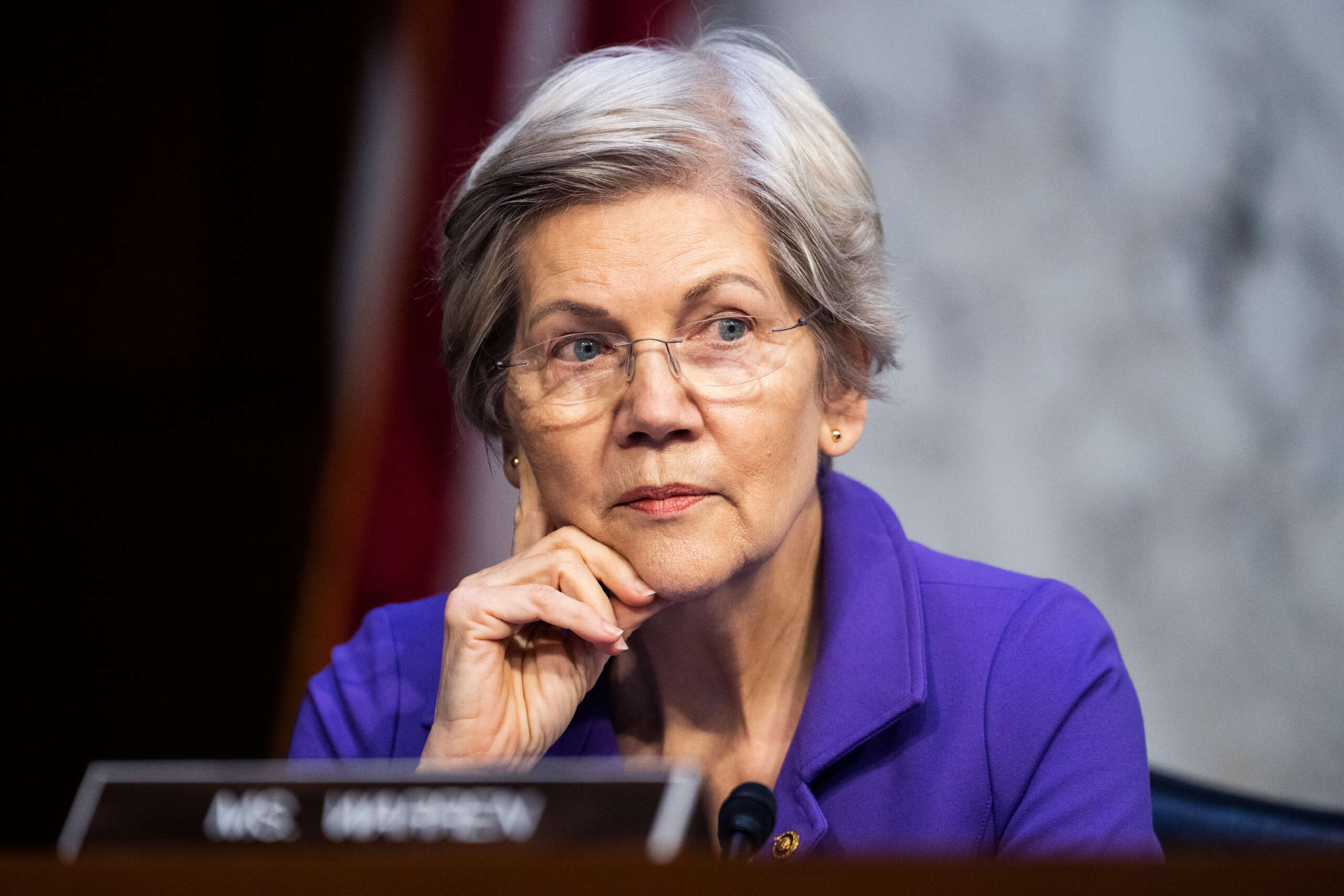
Senator Elizabeth Warren and Representative Greg Casar are spearheading a legislative push to tax artificial intelligence, aiming to preempt an economic crisis for workers displaced by automation. The lawmakers argue that such revenue is vital to financing universal healthcare and job guarantees as corporate reliance on AI expands.

US Workers Demand Government Protection Against AI-Driven Job Losses
A new survey of over 2,500 working-class American voters reveals widespread anxiety regarding artificial intelligence, with 73% of respondents fearing the technology will trigger significant job losses. The findings highlight a clear mandate for aggressive government intervention to shield employees from the rapid automation of their industries.

Ric Edelman sees 95% institutional crypto adoption via CLARITY Act
Ninety-five percent of institutions currently avoiding digital assets could enter the market if the CLARITY Act becomes law, according to financial advisor Ric Edelman. He argues that this legislation serves as the critical catalyst required to overcome professional hesitation and provide the regulatory framework large firms demand.
Senate Stalls on ACA Subsidy Bill as Enrollment Deadline Looms
With the open enrollment window for 2026 health insurance closing this Thursday, the U.S. Senate has signaled it will not act this week to restore lapsed Affordable Care Act premium tax credits, leaving millions of families facing a sudden, sharp increase in out-of-pocket healthcare costs.
Five Million Americans Lose Health Coverage Following GOP Cuts
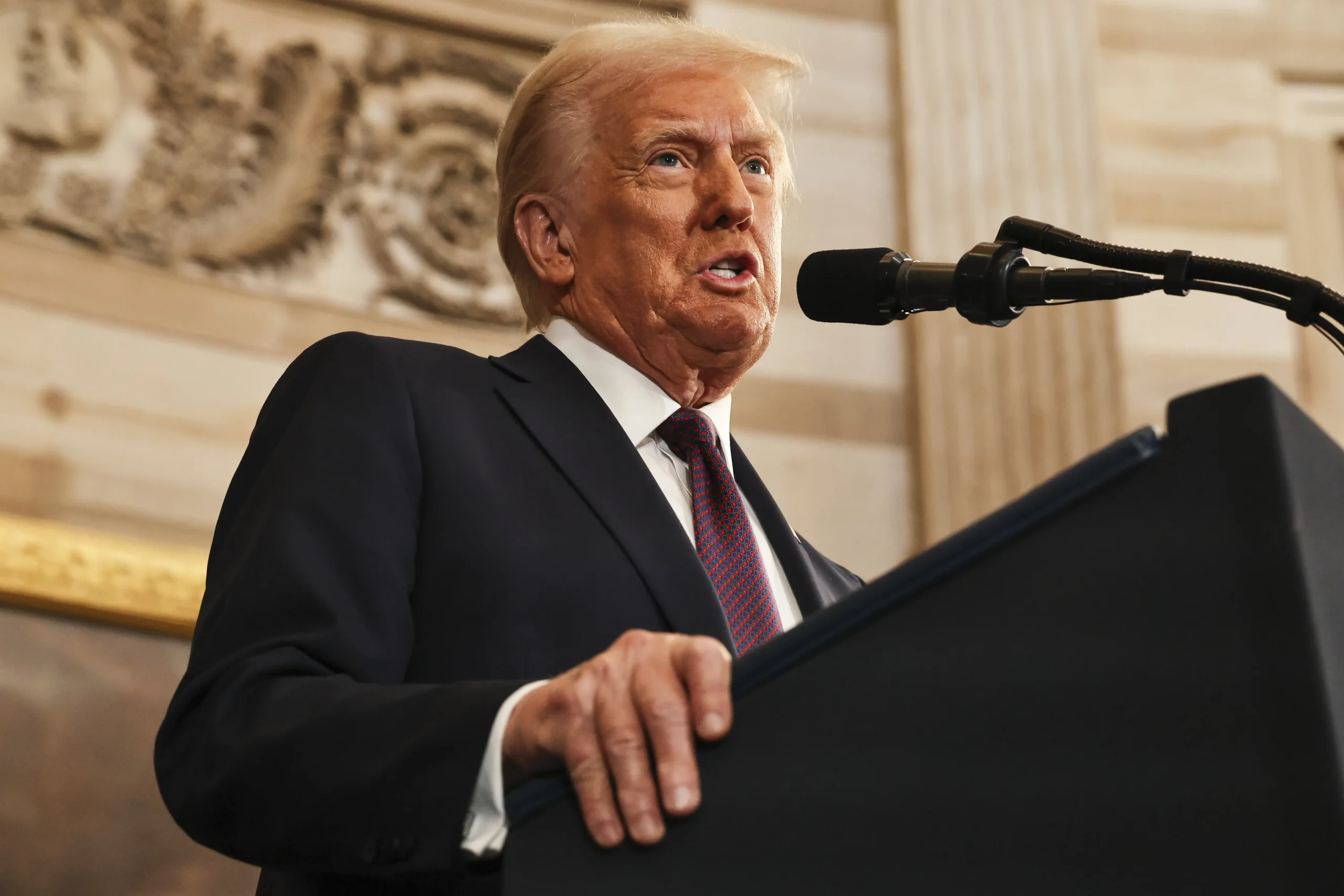
Nearly five million Americans have lost health insurance coverage within a year of President Donald Trump signing the One Big Beautiful Bill Act into law. A new report from Protect Our Care labels the decline a direct consequence of massive Medicaid and CHIP budget slashes paired with expiring ACA tax credits.

Congress Moves Toward $1 Trillion Military Budget Amid Medicaid Cuts
Days after finalizing a Republican budget plan that slashes $1 trillion from Medicaid over the next decade, Congress is pivoting to authorize a near-identical sum for military spending. The move underscores a widening divide between domestic social investment and the prioritization of the nation’s defense industrial base.

The Widening Gap: Tax Cuts for the Elite, Hikes for the Rest
As Tax Day approaches, a new analysis reveals a stark fiscal divide in the United States: while the bottom 95% of Americans face rising tax burdens, the wealthiest 1% stand to receive $117 billion in tax cuts this year, fueled by a combination of new legislation and aggressive executive actions.
Trafficking prevention group challenges CLARITY Act DeFi provision
The Alliance to End Human Trafficking has petitioned Senate leadership to block a key provision in the CLARITY Act, warning that protections for decentralized finance developers could inadvertently create regulatory blind spots that hinder the detection of illicit financial flows linked to human exploitation.
Trump DOJ Subpoenas Against Journalists Spark Backlash
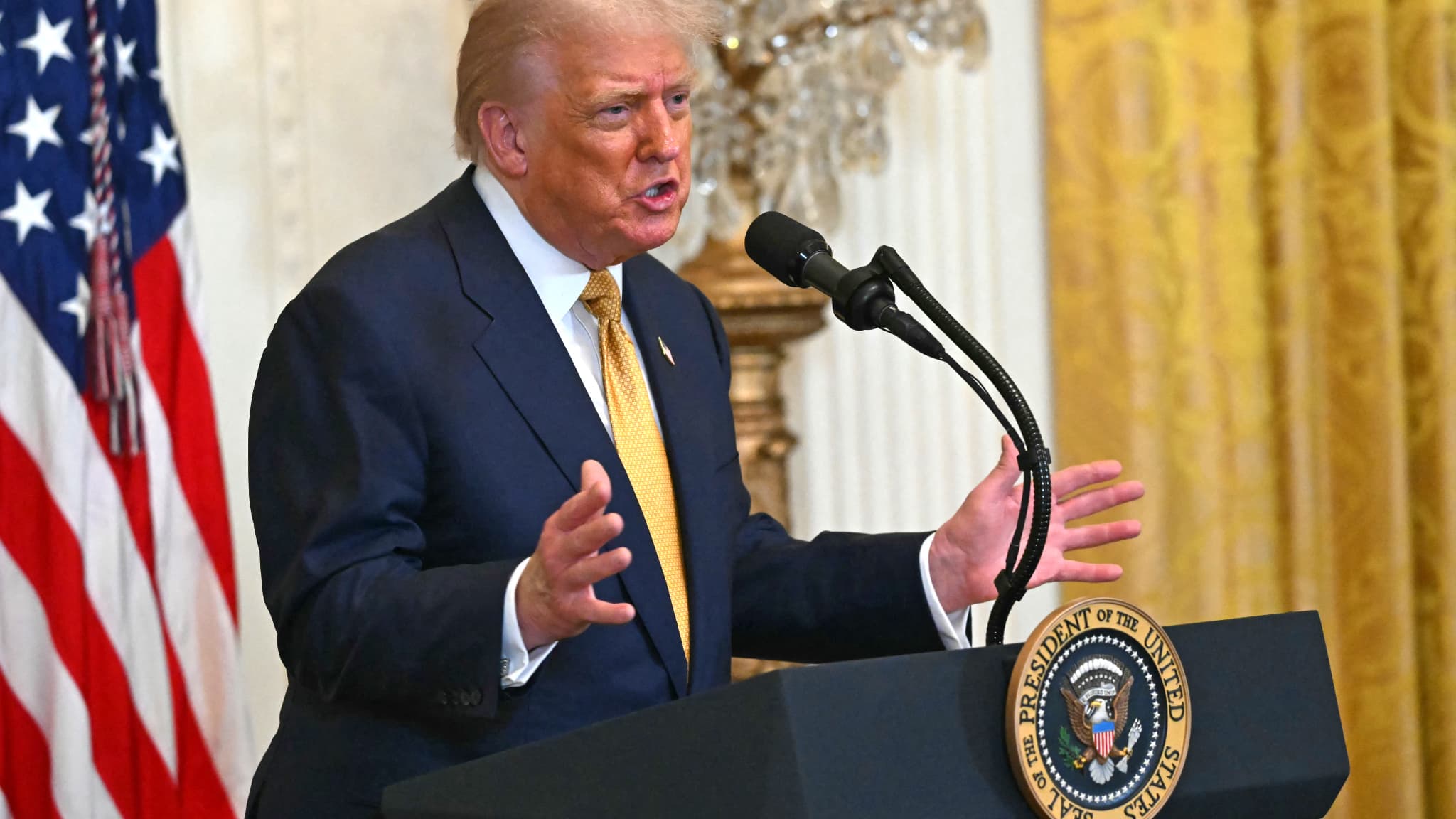
The U.S. Department of Justice faced sharp condemnation this week after attempting to force national security reporters from The Washington Post and The Wall Street Journal to testify before a grand jury. Press freedom advocates labeled the move an authoritarian tactic designed to suppress critical reporting on government activities.
Mark Zuckerberg's Meta prepares to enter the prediction market
Mark Zuckerberg has mobilized a dedicated team at Meta to build Arena, a new prediction platform designed to challenge industry incumbents like Polymarket and Kalshi. The initiative signals a strategic pivot by the social media giant to capture the surging interest in speculative event-based forecasting among retail and institutional traders.

Ro Khanna Challenges Elon Musk to Testify Over USAID Cuts
Representative Ro Khanna is doubling down on his demand for Elon Musk to testify before the House Oversight Committee, following threats of a defamation lawsuit from the billionaire. Musk lashed out after Khanna accused his Department of Government Efficiency of effectively sentencing millions of children to death by gutting foreign aid programs.
GOP Legislation Seeks to Shield Fossil Fuel Firms from Climate Lawsuits
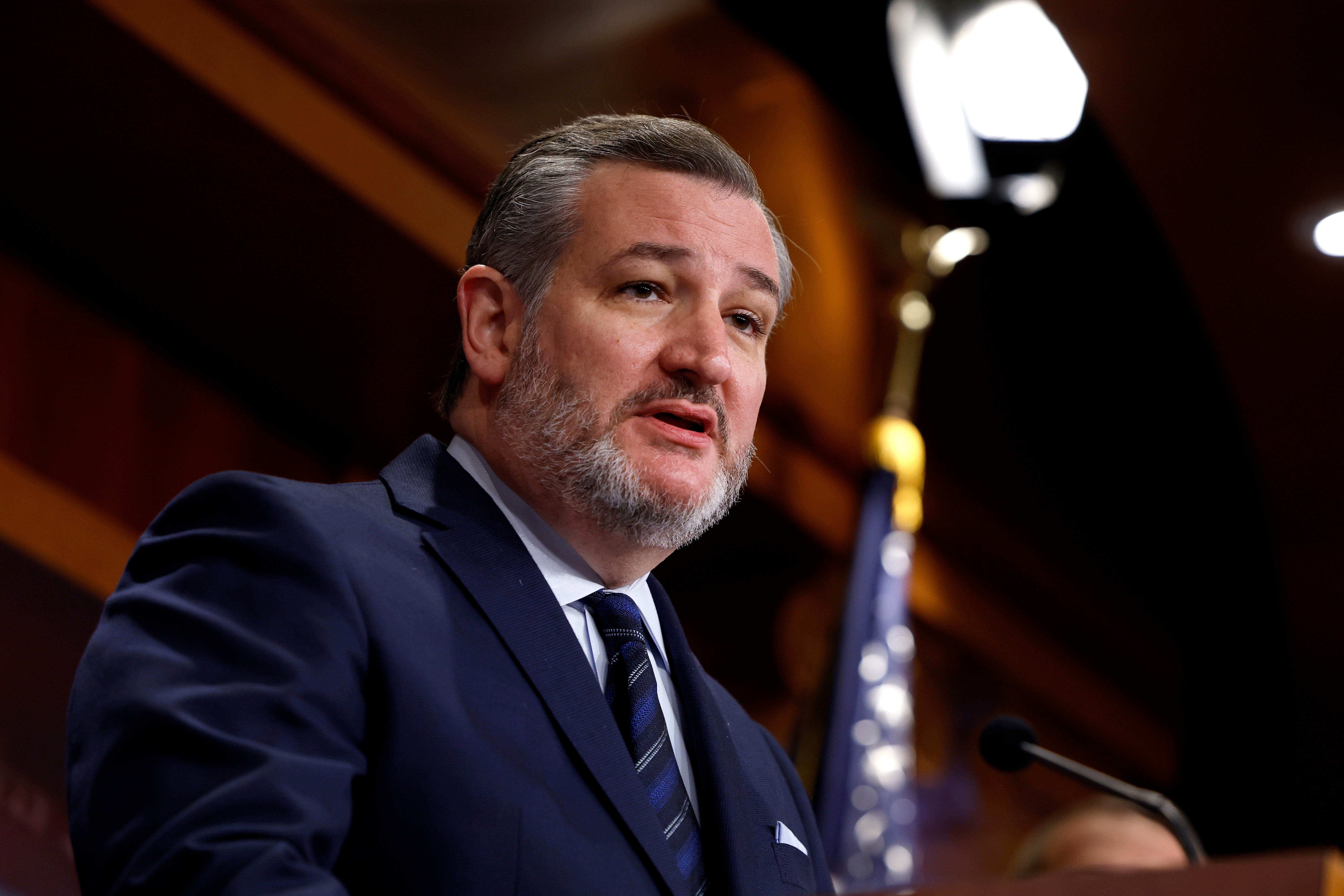
A coalition of Republican lawmakers has introduced the Stop Climate Shakedowns Act of 2026, a federal bill designed to grant oil and gas companies sweeping immunity from legal challenges, including retroactive liability for their role in the climate crisis and the widespread deception regarding the environmental impact of their products.

Coalition Urges Democrats to Block Fossil Fuel Immunity Bill
A coalition of nearly 200 civil society groups is pressuring congressional Democrats to reject federal legislation that would grant fossil fuel companies immunity from climate-related lawsuits, arguing that such a shield would effectively prevent communities from seeking damages for the long-term environmental impacts caused by industry pollution.

Ethereum Foundation trims staff by 20% in major restructuring
The Ethereum Foundation has eliminated 54 positions, cutting its workforce by roughly 20% as part of a significant organizational overhaul. The move marks the conclusion of a months-long effort to realign resources and personnel with the foundation's core development mandate and long-term treasury management strategy.

Japan Emerges as Primary Destination for APAC Private Equity
Accounting for nearly 30 percent of total regional deal and exit volume in 2025, Japan has solidified its position as the premier bright spot in the APAC private capital market. Accommodative monetary policy and favorable currency conditions have sustained momentum that experts expect to persist through 2026.

Worldcoin struggles as Robinhood listing meets market skepticism
Robinhood’s decision to add Worldcoin to its crypto trading platform on June 23 has failed to arrest the token's decline, as WLD fell nearly 15% to $0.53. The expansion of retail access is currently overshadowed by mounting allegations regarding co-founder Sam Altman and looming questions over the project's governance.

Kudu Investment Management Takes Stake in Drummond Capital Partners
New York-based Kudu Investment Management has secured a minority interest in Australian boutique firm Drummond Capital Partners for an undisclosed sum. The deal marks a strategic expansion for Kudu into the Australian wealth management market, leveraging Drummond’s established footprint across Melbourne, Brisbane, Sydney, and Perth.

Millions lose food aid as GOP budget overhaul hits SNAP
More than 800,000 children have been stripped of Supplemental Nutrition Assistance Program benefits since the implementation of the 2025 One Big Beautiful Bill Act. New data reveals that national participation in the program has plummeted by 4 million people, a rapid decline that policy experts warn is only beginning.

Europe advances digital euro as U.S. Senate halts central bank currency
The European Parliament’s Economic and Monetary Affairs Committee has backed a legislative framework for a digital euro, marking a definitive step toward a potential 2029 launch. While Brussels seeks to reduce reliance on foreign payment networks, the U.S. Senate has moved in the opposite direction, effectively blocking Federal Reserve CBDC initiatives until 2030.

Omio Rebuilds Engineering Operations Around OpenAI Models
Omio is shifting its entire software development lifecycle to OpenAI’s Codex, aiming to move beyond superficial AI adoption. CTO Tomas Vocetka has mandated a complete redesign of internal workflows, effectively treating the platform as a native AI enterprise to accelerate travel booking and product development.

Susquehanna Sets $170 Target for SpaceX Amid Valuation Concerns
Susquehanna has initiated coverage on SpaceX with a neutral rating and a $170 price target, signaling that while the company possesses significant growth potential, its current market valuation rests on aggressive financial assumptions that leave little room for error in untested markets.

UN Inquiry Finds Systematic Targeting of Children in Gaza
A United Nations commission has concluded that the deliberate killing of children in Gaza served as a primary indicator of genocidal intent by Israeli security forces. The report details how military actions, including sniper fire and the use of heavy weaponry, systematically decimated the youngest segment of the Palestinian population.

Israel’s Expanding 'Yellow Line' Signals Permanent Annexation in Gaza
Palestinian residents in Gaza are waking up to find the concrete markers of Israel’s 'yellow line' moved overnight, effectively shrinking their living space. What was marketed as a temporary ceasefire buffer has morphed into a permanent occupation zone, signaling a strategic shift toward long-term territorial control.

Anthropic pre-IPO futures tumble following Coinbase listing
Investors are shunning Anthropic pre-IPO futures as contracts on Coinbase and Binance slide to all-time lows. Despite the exchange’s attempt to capture trading interest, prices have dropped up to 9% since the June 22 launch, reflecting deep-seated anxiety over the company’s eventual public valuation and market uncertainty.

Europe Under Red Alert as Early Heatwave Strains Infrastructure
Across France, Spain, Germany, and Switzerland, red-alert warnings are in effect as an unseasonably early heatwave grips the continent. Meteorological agencies warn of record-breaking temperatures, while health officials report rising fatalities, signaling a recurring climate crisis that experts link directly to the unchecked expansion of the fossil fuel industry.
Trump’s Voter Database Strategy Stalls Amid Judicial Setbacks
President Donald Trump’s plan to influence the 2026 midterm elections by securing state voter files has hit a wall in federal court. Election law attorney Marc Elias reports that the Department of Justice has suffered nine consecutive legal defeats in its attempt to force states to surrender sensitive voter data.

Kalshi restricts Indian users amid global crackdown on prediction markets
Indian residents can no longer access the U.S.-based prediction platform Kalshi, which officially added the country to its list of restricted jurisdictions this Wednesday. The move aligns with a tightening regulatory environment in India, where authorities have intensified efforts to block access to online betting and speculative gaming services.