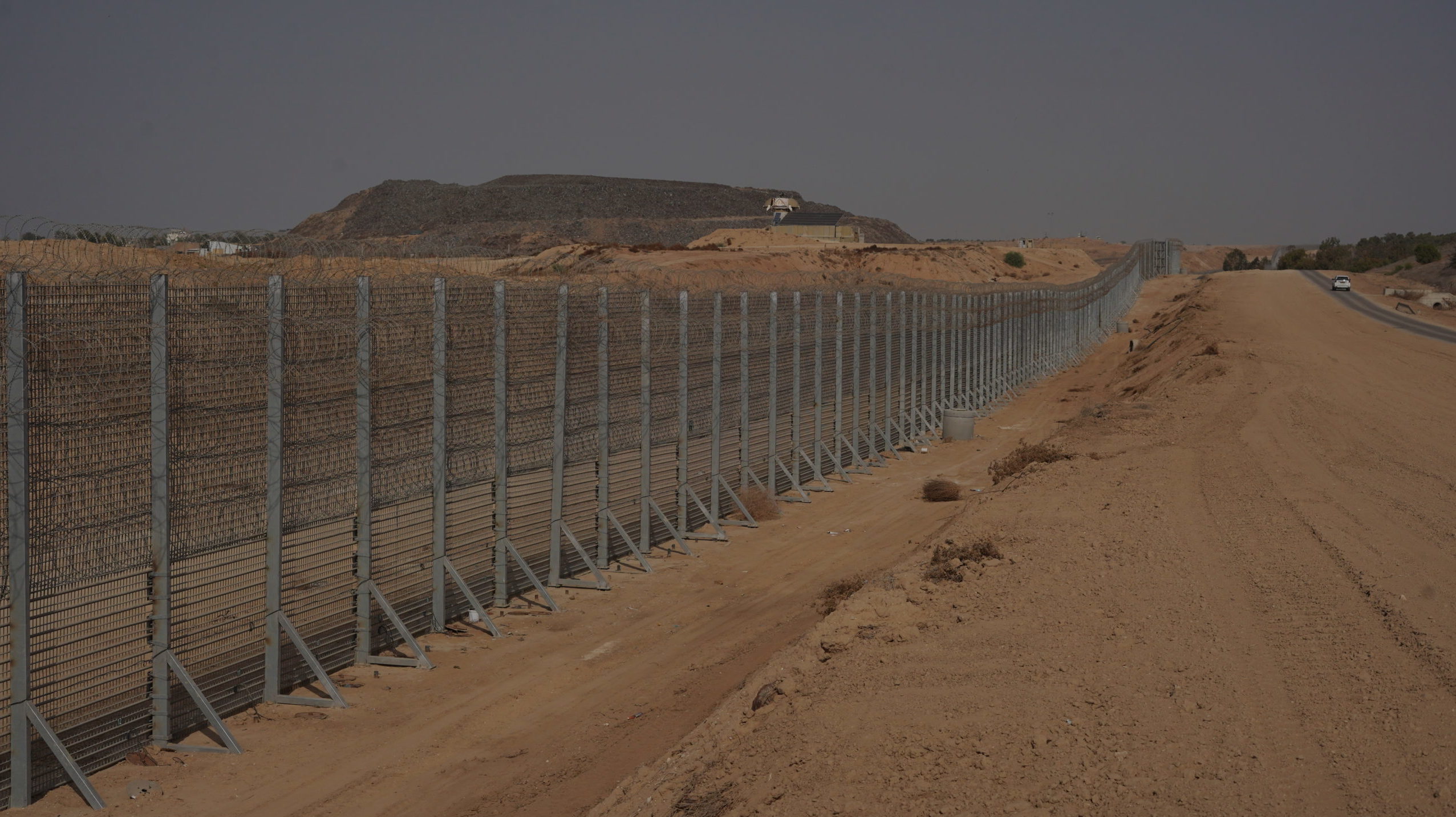
Analysis from Forensic Architecture reveals that the Israeli military has unilaterally pushed this demarcation westward. By December, the occupation zone encompassed 58% of the Gaza Strip, up from 53% just months prior. These boundaries are not merely lines on a map; they function as free-fire zones where the military treats any movement as a hostile act. The Associated Press reports that at least 77 Palestinians have been killed near these fluid, ill-defined borders since January.
Expanding the Matrix of Control
Beyond simple troop presence, the infrastructure of the zone is hardening. Seven new military outposts have emerged, some built over former cemeteries. What began as rudimentary earthworks now features asphalted roads, electricity grids, and communication towers. Eyal Weizman, head of Forensic Architecture, argues these are no longer provisional measures but permanent instruments of state control. This physical expansion aligns with the ambitions of Israel’s settler movement, which is actively lobbying for civilian housing within the buffer zone—a strategy Defense Minister Israel Katz has signaled by declaring that Israel intends to maintain a permanent presence in the territory.
This same 'Gaza model' is now being replicated in southern Lebanon, where a similar yellow line has placed 55 towns under IDF control. Analysts warn the move is not solely about security, but also economic acquisition, specifically targeting the lucrative Qana Gas Field. By enforcing displacement under the guise of an 'impossible' security mandate, the Israeli government appears to be executing a circular logic of settler-colonialism: establishing a border, building settlements to protect it, and then creating a new buffer zone to protect those settlements, ad infinitum.
Comments (0)
No comments yet. Be the first!