All news

OpenAI challenges Nvidia with custom-built Jalapeño chip
OpenAI has entered the competitive hardware arena with Jalapeño, a custom-designed processor built in partnership with Broadcom. Developed in just nine months, the chip is specifically engineered to handle the inference workloads of large language models, signaling a pivot toward full-stack control over its underlying computing infrastructure.

Cynthia Lummis to Release Final CLARITY Act Text by July 4
After months of legislative wrangling, Senator Cynthia Lummis plans to unveil the final text of the CLARITY Act around July 4. The release marks the end of an extensive review process, setting the stage for a critical Senate floor vote later in July as lawmakers aim to define digital asset oversight.
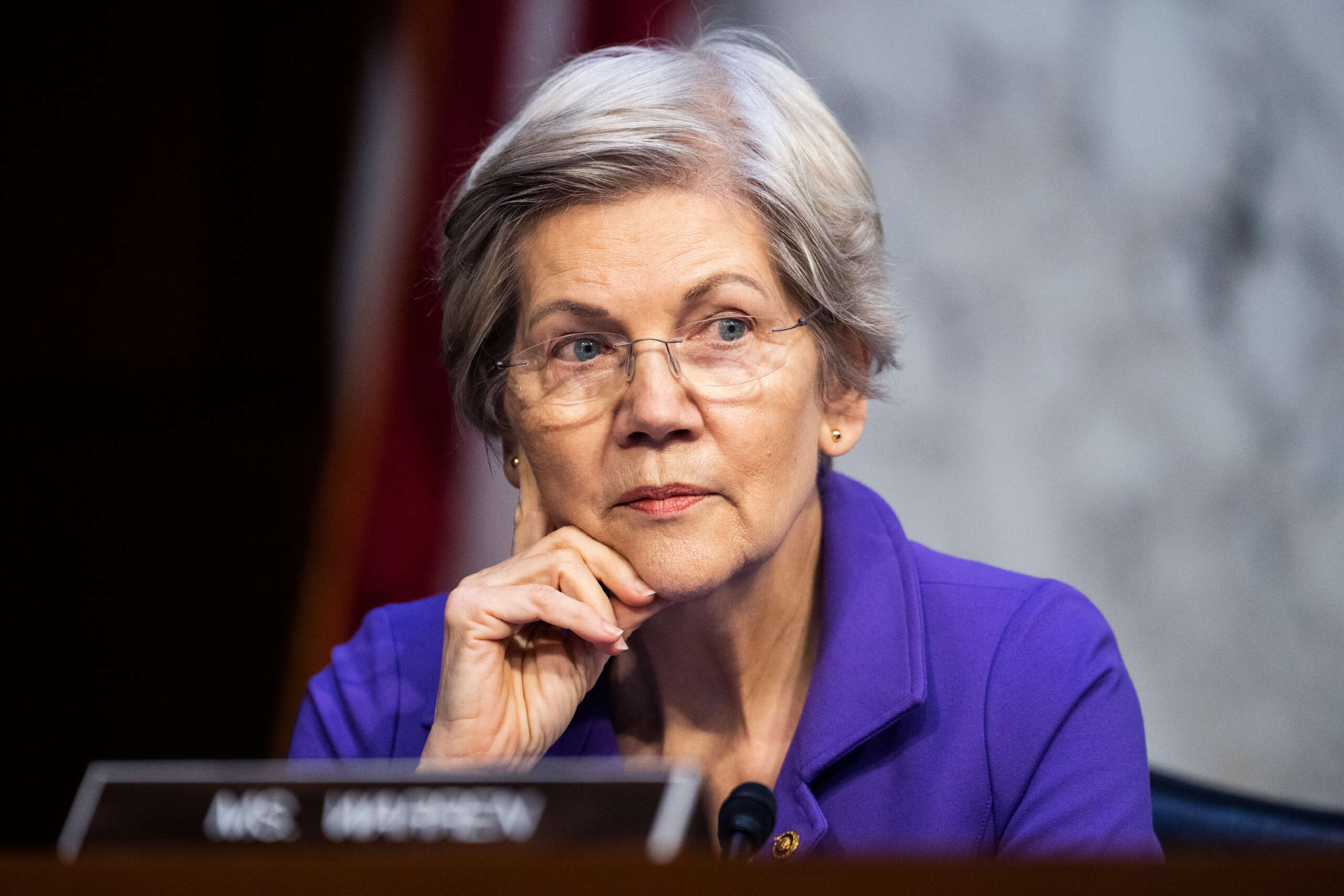
Democrats Urge FTC Crackdown on War-Driven Corporate Price Gouging
A coalition of Democratic lawmakers is pressuring the Federal Trade Commission to investigate potential price gouging, warning that corporations are exploiting the ongoing conflict with Iran to inflate costs for consumers. The group argues that firms are using the war as a pretext to pad profits beyond justified input increases.

Big Oil Cashes In as Iran Conflict Drives Global Profits
The world's 100 largest oil and gas corporations are generating an additional $30 million every hour, a windfall surge tied directly to the ongoing conflict in Iran. Since the military campaign began in late February, fossil fuel giants have capitalized on rising petroleum prices at the expense of global consumers.
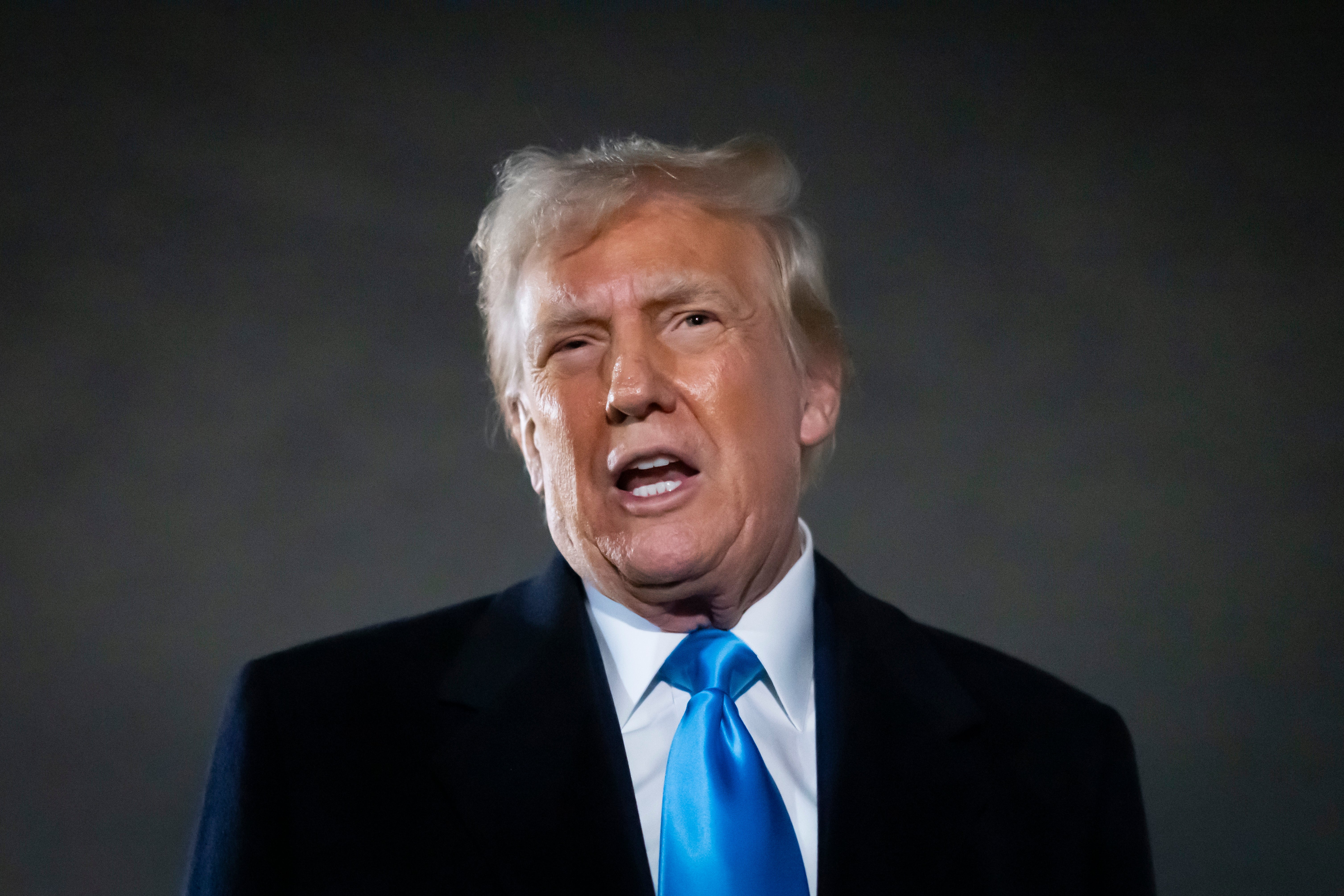
Trump Orders Gas Price Probe as Democrats Push Windfall Tax
President Donald Trump has directed the Justice Department to investigate oil companies for failing to lower pump prices, alleging that consumers are being gouged even as global crude costs plummet. The move follows months of escalating fuel expenses linked to the ongoing war in Iran, which has sparked intense political friction.

Lincoln Memorial Reflecting Pool Faces Scrutiny After Duck Deaths
The discovery of three dead ducks in the Lincoln Memorial Reflecting Pool has triggered calls for a federal investigation into whether a $14 million renovation project is endangering local wildlife. Experts point to toxic algae blooms and peeling construction materials as potential hazards in the recently refurbished site.

Trump Pressures Senate GOP to Pass Stalled Voter ID Legislation
Demanding action with "passion and at the expense of everything else," President Donald Trump issued a fresh ultimatum to congressional Republicans on Thursday, insisting they pass the restrictive SAVE America Act. The bill, currently stalled in the Senate, seeks to overhaul federal election requirements despite significant internal GOP hesitation.
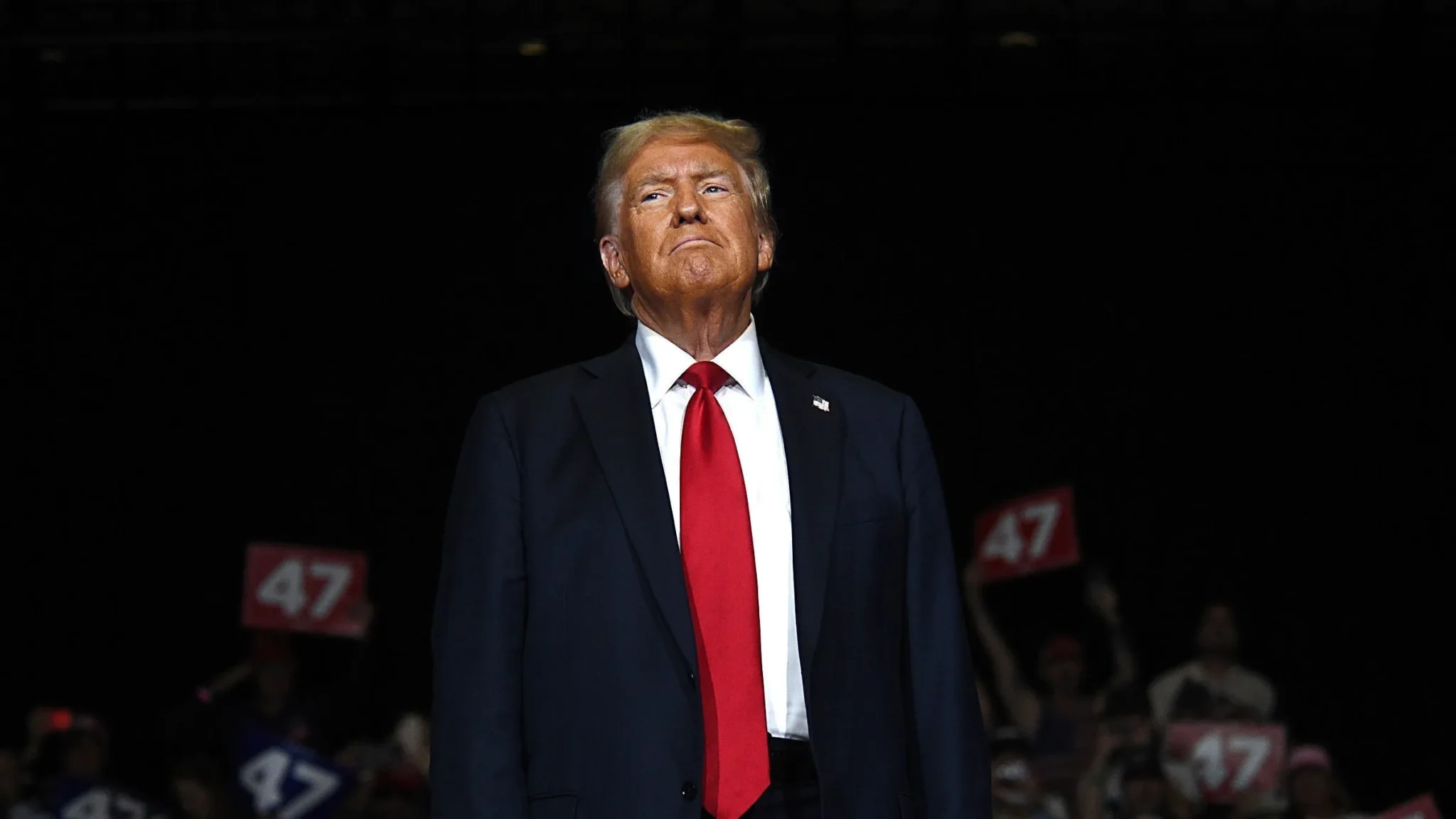
Trump Blocks Bipartisan Housing Bill to Force Vote-Restricting Legislation
President Donald Trump abruptly canceled the scheduled signing of the 21st Century ROAD to Housing Act on Wednesday, signaling he will hold the bipartisan economic package hostage until Congress passes his controversial SAVE America Act, an anti-voter bill aimed at restricting ballot access.

Financial Advisors Bet on AI Despite Competitive Fears
Financial advisors expect artificial intelligence to drive market growth for decades, yet they simultaneously fear that AI-enhanced DIY tools will emerge as their most formidable rival. According to a new Natixis Investment Managers survey, the industry is grappling with the dual promise of efficiency and the threat of obsolescence.
Trump Holds Up Housing Bill, Stalling CBDC Restrictions
Donald Trump has abruptly delayed signing the 21st Century ROAD to Housing Act, despite the legislation securing overwhelming bipartisan approval in both chambers of Congress. The maneuver leaves a critical provision—a five-year moratorium on the Federal Reserve issuing a central bank digital currency—in a state of legislative limbo.

Peter Schiff warns MSTR slide could force Bitcoin sell-off
As MicroStrategy shares dip below the $100 mark, vocal Bitcoin skeptic Peter Schiff is warning that the company’s aggressive accumulation strategy may soon backfire. He contends that mounting pressure from short sellers could leave Michael Saylor with little choice but to liquidate Bitcoin holdings to fund emergency stock buybacks.
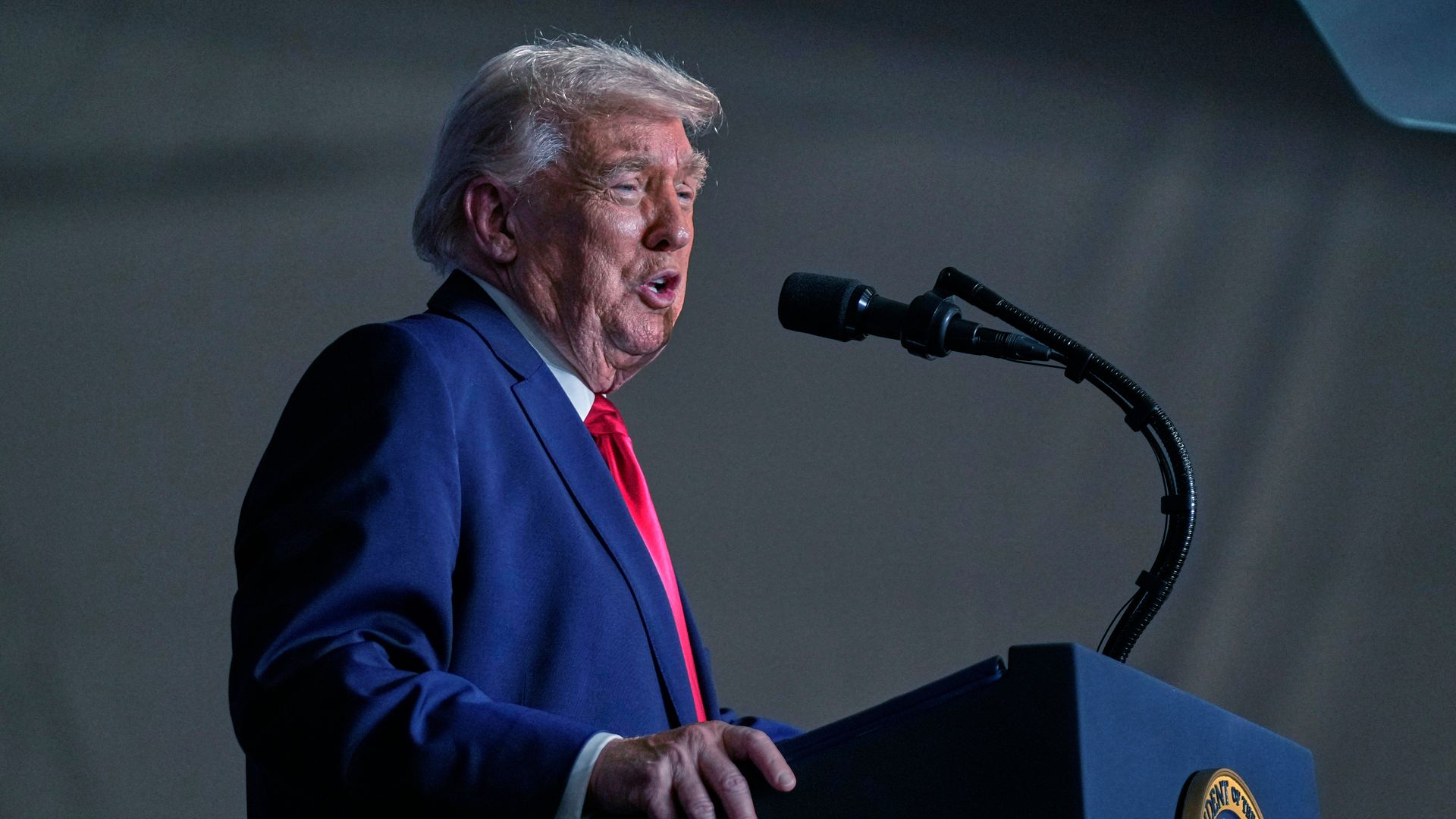
Trump Skirts Congress for $8.6 Billion Middle East Arms Sale
The Trump administration has bypassed congressional oversight for the third time during the ongoing Iran conflict, quietly authorizing an $8.6 billion weapons package for Israel and several Gulf allies. Secretary of State Marco Rubio invoked emergency provisions to expedite the transfers, sparking immediate backlash from lawmakers and human rights advocates.
UAE Royal Investment in Trump Crypto Firm Preceded Major AI Chip Deal
A secret $500 million investment by an Abu Dhabi royal into the Trump family's cryptocurrency startup preceded a critical shift in U.S. policy, granting the United Arab Emirates access to high-end artificial intelligence chips previously restricted over national security concerns regarding potential transfers to China.

Lawmakers Demand End to US Arms Sales to UAE Over Sudan Atrocities
Following the massacre of at least 1,500 people in el-Fasher by the Rapid Support Forces, US lawmakers are demanding an immediate halt to military support for the United Arab Emirates. The UAE stands accused of fueling Sudan’s brutal civil war by providing the paramilitary group with critical weapons and financial backing.
UN Report Finds Evidence of Genocide in Darfur Offensive
A United Nations fact-finding mission has concluded that the Rapid Support Forces' October offensive in el-Fasher exhibits clear hallmarks of genocide. The report documents a systematic campaign of ethnically targeted killings, starvation, and sexual violence against non-Arab communities, marking a lethal escalation in Sudan’s ongoing civil war.
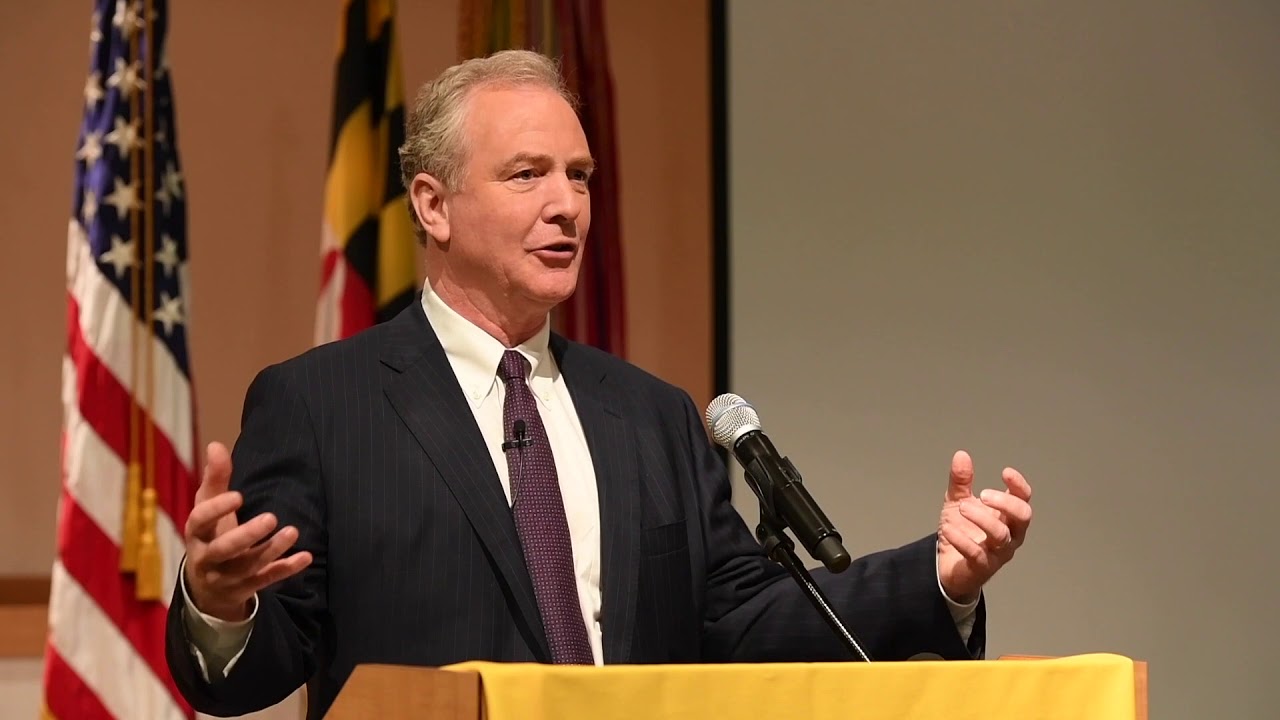
Van Hollen Decries Senate Failure to Curb UAE Arms Shipments to Sudan
As the State Department warns of imminent mass atrocities in Sudan, Senator Chris Van Hollen is calling out his colleagues for rejecting legislation that would have blocked U.S. arms sales to the United Arab Emirates, the primary foreign benefactor of the paramilitary forces currently terrorizing the region.

Kalshi Expands Crypto Perpetuals as Regulatory Pressure Mounts
As Kalshi adds Zcash, Near Protocol, and Shiba Inu to its roster of CFTC-regulated perpetual contracts, the platform finds itself at the center of a widening legal battle. The expansion brings its crypto lineup to 13 assets, even as federal regulators clash with state authorities and industry giants over market oversight.

Judge Blocks ICE Courthouse Arrests, Rebuking Administration Policy
A federal judge has issued a nationwide injunction halting the Trump administration’s policy of conducting immigration arrests at courthouses. U.S. District Judge P. Casey Pitts ruled that the agency’s expansion of enforcement authority lacked the necessary legal justification, effectively labeling the move as arbitrary and capricious.
Trump Campaign Seeks Distance as Project 2025 Director Departs
Conflict defines the latest shift in the Heritage Foundation’s controversial policy initiative, as the organization announced the departure of director Paul Dans while the Trump campaign continued its aggressive efforts to disavow the 920-page blueprint, despite deep-rooted personnel and ideological ties between the two entities.
Trump Executive Order Targets Civil Service Protections
President Donald Trump signed an executive order Wednesday reclassifying roughly 8,000 federal employees as "at-will" workers, a move labor leaders warn will dismantle the nonpartisan civil service by replacing career professionals with political loyalists who can be fired at the administration's discretion.
Heritage Foundation Claims Credit for Implementing Half of Project 2025
The Heritage Foundation boasted in a fundraising email this week that the Trump administration has already enacted 53% of its Project 2025 agenda. This assertion directly challenges the president’s previous campaign-trail claims that he possessed no knowledge of the sweeping conservative governance plan.

Strive and Strategy bet on $3 trillion Bitcoin-linked credit market
Strive CEO Matt Cole envisions a $3 trillion digital credit market anchored by Bitcoin-backed securities, arguing that products like his firm’s SATA and Strategy’s STRC could capture a fraction of the $300 trillion global credit landscape while pushing the price of Bitcoin toward a $1 million milestone.

Binance Scrambles for EU Licensing as MiCA Deadline Looms
With the European Union’s July 1 MiCA compliance deadline approaching, Binance is actively scouting alternative jurisdictions to secure regulatory authorization. The exchange’s primary application in Greece has stalled, forcing leadership to weigh other options to maintain operations for its 4 million regional users as regulators signal potential resistance.

Jason Kow Reclaims Queensgate Investments from AlTi Tiedemann
Jason Kow, the chief executive of London-based private investment firm Queensgate Investments, has finalized a deal to acquire 100 percent of his company from AlTi Tiedemann. The transaction separates the firm from the global wealth partner, which currently manages approximately $77 billion in assets under the AlTi Global brand.

Samsung Expands Enterprise AI Access Following Security Overhaul
Three years after imposing strict prohibitions on generative AI due to data leakage fears, Samsung Electronics is reversing course. The tech giant has authorized widespread use of ChatGPT Enterprise and Codex for its workforce in Korea and its global Device eXperience division, signaling a major shift in corporate policy.

Ripple Lending Protocol Passes Security Re-Audit
Security firm Halborn has cleared Ripple’s XRP Ledger Lending Protocol following an intensive re-audit, identifying zero critical or high-risk vulnerabilities. The review, conducted between December 2025 and January 2026, confirms the protocol's readiness for its upcoming integration into the ledger as a key component of Ripple’s expanding institutional DeFi suite.

New York Progressives Sweep Congressional Primaries in Grassroots Surge
A coalition of progressive candidates secured a clean sweep in New York’s congressional primaries Tuesday, toppling entrenched Democratic incumbents despite a massive influx of spending from corporate interests and AIPAC. The victories signal a growing appetite among voters for platforms rooted in labor rights and anti-war stances.

Voyager Investors Challenge Dismissal of Suit Against Mark Cuban
Investors who lost money in the collapse of Voyager Digital have escalated their legal battle, filing an appeal with the U.S. Court of Appeals for the Eleventh Circuit to revive a lawsuit against Mark Cuban and the Dallas Mavericks after a Florida judge ruled the court lacked personal jurisdiction.

Robinhood Stock Sheds Bitcoin Correlation as Diversification Takes Hold
After months of tracking Bitcoin’s volatile price action, Robinhood Markets stock has finally decoupled from the flagship cryptocurrency. Market observers note that while the two assets moved in lockstep since October 2025, recent weeks show the brokerage firm’s equity charting its own course, independent of crypto market sentiment.

Anthropic moves AI agents from private chats into shared Slack channels
Anthropic is shifting its Claude model from isolated chat interfaces into active Slack group threads. By allowing users to summon the AI via @Claude tags, the company aims to turn generative software into a collaborative teammate that tracks project history and executes tasks directly within professional communication environments.