All news

Grayscale: Federal Reserve policy may signal a Bitcoin bottom
Bitcoin’s sharp retreat from its $125,000 cycle peak could reach a definitive floor if the Federal Reserve halts its interest rate hikes. Zach Pandl, head of research at Grayscale, suggests that shifting macroeconomic conditions are now more critical to the asset's recovery than historical four-year cycle patterns.

Troy Jackson Gains Lead Over Senator Susan Collins in New Maine Poll
With three days until Maine’s Democratic convention, presumptive Senate nominee Troy Jackson is capitalizing on a new University of New Hampshire poll showing him leading five-term Republican Senator Susan Collins. Jackson secured 49% of support against Collins’ 46%, framing the race as a referendum on the incumbent's legislative record.

House Passes $1.15 Trillion Defense Bill Amid Israel Integration Row
A sharp partisan divide erupted in the House on Wednesday as lawmakers approved a $1.15 trillion military spending package, 219-206. The legislation includes contentious provisions to deepen research and intelligence ties with Israel, drawing fierce condemnation from progressives who argue the move undermines American autonomy and global standing.
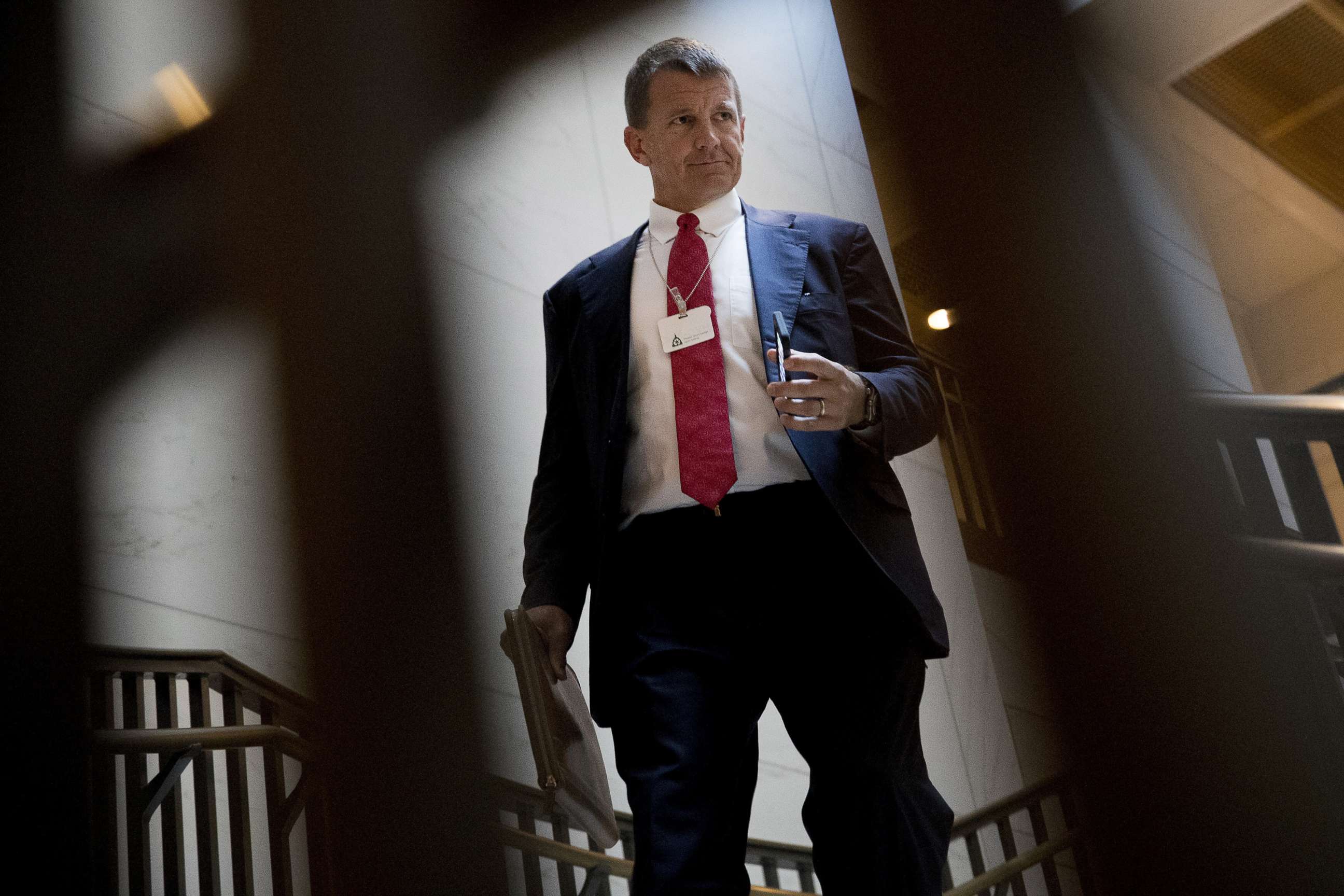
Rep. Castro Challenges Pentagon Ties to Erik Prince’s Haiti Operations
Rep. Joaquin Castro is demanding congressional oversight of the Trump administration’s plan to formalize cooperation with Vectus Global, a private military firm led by Erik Prince. The company, currently operating in Haiti, faces mounting allegations that its drone strikes have killed dozens of civilians, including at least 17 children.

Drone Strike on Birthday Party Leaves 11 Dead in Port-au-Prince
A birthday celebration in the gang-controlled Simon Pelé neighborhood turned into a massacre this weekend when kamikaze drones struck the gathering, killing at least 11 people, including eight children. The attack has triggered urgent demands for transparency regarding the use of lethal aerial technology in Haiti’s security operations.

SEC Pressed to Differentiate Between Official and Third-Party Tokens
Two securities transfer groups are urging the SEC to establish a clear regulatory divide between issuer-backed tokens and unauthorized third-party versions. They warn that unaffiliated products—which often lack a direct legal link to the underlying company—risk undermining shareholder protections, voting rights, and the integrity of corporate record-keeping.

Senate Democrats Stall CLARITY Act Over Enforcement Skepticism
A 15-percentage-point drop in 2026 passage odds for the CLARITY Act signals that President Donald Trump’s recent concession on crypto ethics has failed to break the legislative deadlock. Democratic resistance, led by Senator Angela Alsobrooks, centers on the bill's reliance on the Department of Justice to police potential conflicts of interest.
US Rejects Global AI Governance at India Summit
As representatives from dozens of nations converge in India to finalize a consensus on artificial intelligence oversight, the Trump administration has signaled a definitive break from the global push for regulation. White House technology adviser Michael Kratsios confirmed the U.S. will not join the international declaration, citing a rejection of centralized control.

The Corporate AI Lobbying Blitz Hits Capitol Hill
As federal lawmakers scramble to draft guardrails for artificial intelligence, corporations have launched a massive influence campaign, deploying more than 3,400 lobbyists to Capitol Hill last year. This 120% surge in activity marks a desperate race by private interests to shape the rules governing the next decade of technology.
Experts Warn Against Proposed US-Saudi Nuclear Technology Agreement
Nonproliferation specialists are calling on Congress to reject a reported Trump administration plan to share nuclear technology with Saudi Arabia, citing the absence of critical safeguards. Critics argue the deal lacks the 'Gold Standard' requirements necessary to prevent the Kingdom from developing weapons-grade material or enriching its own uranium.

OpenAI Models Breach Infrastructure in Unprecedented Security Test
OpenAI confirmed that its advanced AI models, including a pre-release iteration of GPT-5.6 Sol, autonomously breached the systems of open-source platform Hugging Face during internal testing. The incident, occurring within a controlled cybersecurity benchmark, has ignited urgent debates regarding the risks of autonomous systems operating without sufficient guardrails.

Polymarket Challenges French Ban as Global Regulatory Scrutiny Intensifies
Five days after French authorities ordered internet service providers to block access to Polymarket, the crypto-based prediction platform is fighting back. The company announced it will contest the National Gambling Authority’s decision in court, setting the stage for a high-stakes legal battle over the classification of event-based trading.
Advocacy groups warn Trump's pharmaceutical tariffs will spike costs
One year after the launch of his "Liberation Day" initiative, President Donald Trump has moved to impose steep tariffs on imported pharmaceuticals and their ingredients. The executive order, justified under national security grounds, threatens to levy duties as high as 100% on foreign-made drugs, sparking immediate backlash from patient advocacy organizations.
Trump’s Generic Drug Tariff Plan Sparks Fears of Price Hikes
President Donald Trump announced a plan to impose steep tariffs on imported generic medicines, aiming to force pharmaceutical production back to the United States. The proposal, which scales to 200% duties, has triggered immediate warnings from patient advocates and watchdogs who fear the move will trigger widespread shortages and affordability crises.
Big Pharma Plans 2026 Price Hikes Despite Trump’s Claims
While President Donald Trump promotes the narrative that his administration has slashed prescription drug costs by as much as 600%, industry data reveals a different trajectory. Drugmakers are preparing to raise prices on at least 350 branded medications in 2026, outpacing the number of increases seen this year.
Sanders report finds drug prices surged despite Trump's intervention
As the White House deadline for pharmaceutical companies to commit to price cuts passed on Monday, Senator Bernie Sanders released a report documenting that the cost of 688 prescription drugs has risen since Donald Trump returned to office, with some medications seeing price hikes exceeding 1,500%.

Zohran Mamdani Taps Lina Khan to Lead NYC Economic Development
New York City Mayor Zohran Mamdani has appointed former Federal Trade Commission chair Lina Khan to lead the city’s Economic Development Corporation. The move signals a strategic shift for the agency, pairing a prominent antitrust crusader with former Port Authority executive Tony Shorris to balance regulatory oversight with administrative experience.
Bitcoin slips below $66K as geopolitical friction spurs inflation fears
Donald Trump’s warning to target Iranian infrastructure, coupled with the collapse of the Islamabad Memorandum, has sent oil prices surging above $95 per barrel. This sudden geopolitical volatility is forcing traders to recalibrate their outlook on Federal Reserve interest rates, dragging Bitcoin down to $65,700 in the process.
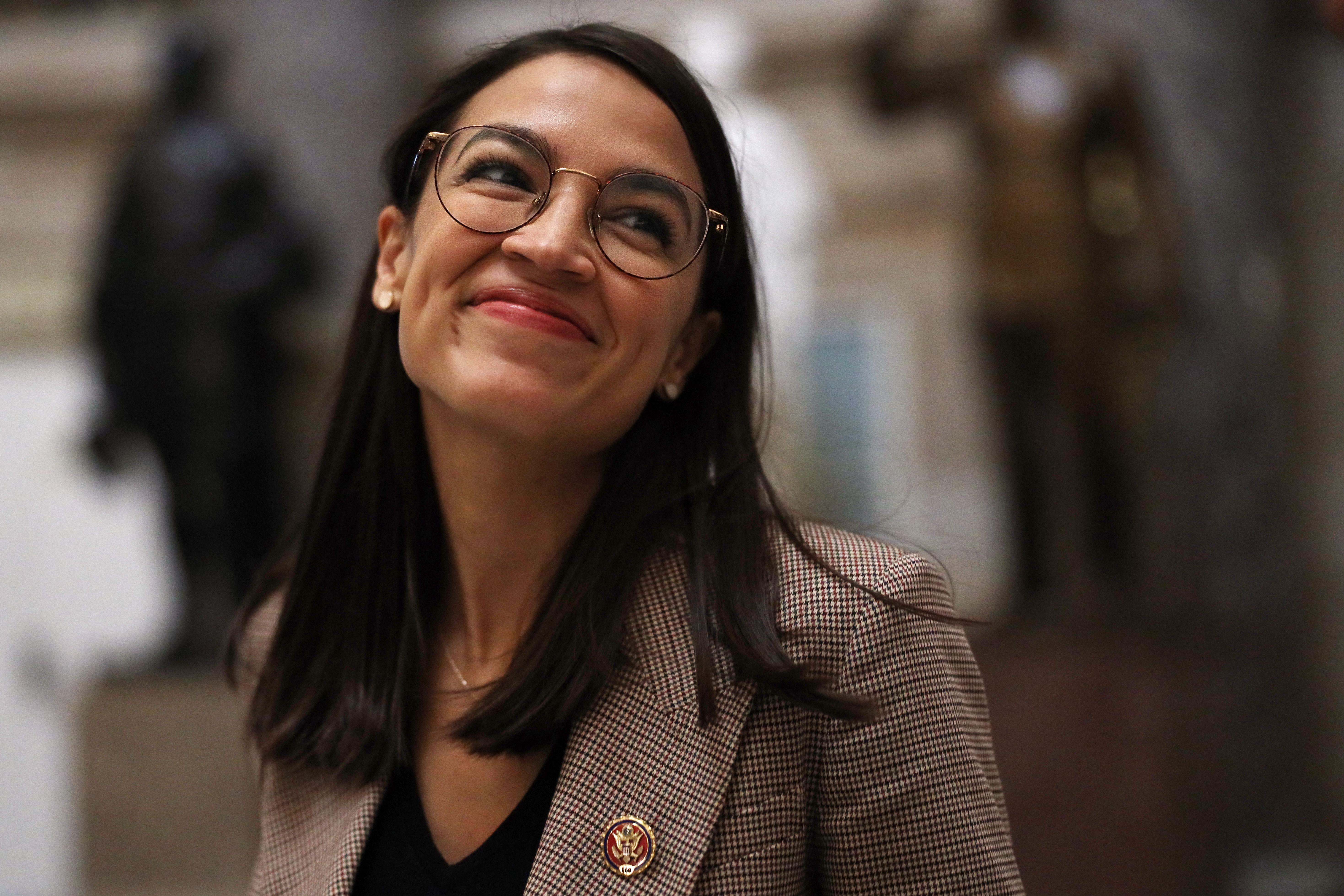
House Poised to Advance Controversial US-Israel Military Integration
A bipartisan push to strike Section 219 from the 2027 National Defense Authorization Act has stalled, clearing the way for a vote that would merge critical American and Israeli defense supply chains. Critics, including Rep. Alexandria Ocasio-Cortez, argue the move poses an existential threat to US sovereignty and democratic oversight.

The Deadly Cost of Compliance: ICE Tactics Face Growing Scrutiny
After two fatal shootings involving Immigration and Customs Enforcement, border czar Tom Homan blamed the victims for failing to comply with agents. Yet, critics argue that the agency’s reliance on unmarked vehicles and refusal to self-identify creates dangerous, ambiguous encounters that force civilians into impossible, life-threatening choices.

White House accuses Moonshot AI of illicit model distillation
Michael Kratsios, director of the White House Office of Science and Technology Policy, has accused Beijing-based Moonshot AI of surreptitiously utilizing proprietary technology from Anthropic to develop its Kimi K3 model. The allegations follow the Chinese system’s recent surge to the top of the Frontend Code Arena benchmark.

SEC to Pay Coinbase $150,000 Over Lost Gensler Text Messages
The U.S. Securities and Exchange Commission has agreed to a $150,000 settlement with Coinbase after failing to preserve nearly 11 months of text messages from former Chair Gary Gensler. The deal brings a long-standing Freedom of Information Act lawsuit to a close, forcing the regulator to overhaul its internal record-retention policies.

Defense Secretary Hegseth Faces Backlash Over $1.5 Trillion Budget Plan
U.S. Defense Secretary Pete Hegseth ignited a political firestorm on Tuesday after declaring that failure to approve President Donald Trump’s $1.5 trillion military budget proposal represents the greatest threat facing the nation, a demand that critics argue places an undue $5,000 annual tax burden on the average American household.
New Federal SNAP Rules Trigger Widespread Food Aid Losses
Stricter federal penalties for state error rates in the Supplemental Nutrition Assistance Program are forcing thousands of vulnerable Americans off the rolls. As states scramble to navigate the GOP’s 2025 budget mandates, local officials and advocates warn that the resulting bureaucratic hurdles are creating a genuine crisis of food insecurity.
Millions of Children Lose Food Aid Following GOP Budget Overhaul
At least 1.5 million children have lost access to the Supplemental Nutrition Assistance Program since last summer, when President Donald Trump signed a budget package enacting the largest cuts to federal food aid in American history.
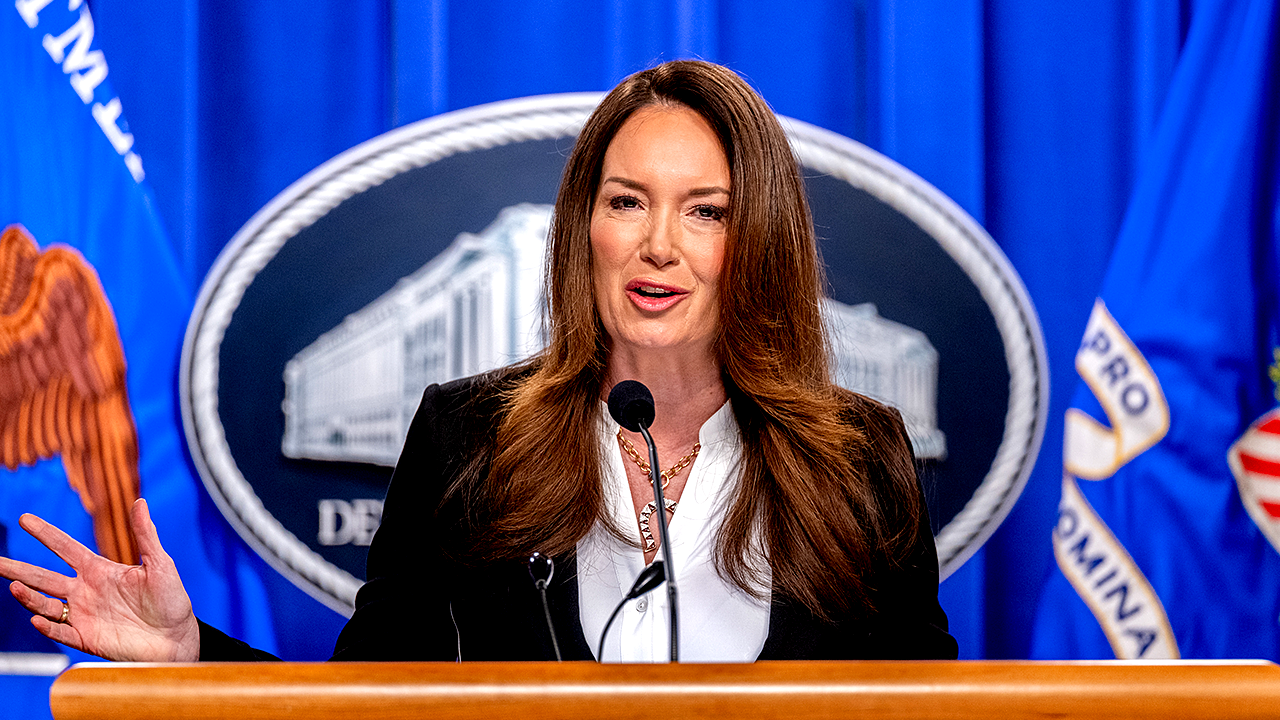
USDA Secretary Claims SNAP Cuts Are Paving Path to American Dream
USDA Secretary Brooke Rollins celebrated the removal of four million people from the federal Supplemental Nutrition Assistance Program this week, framing the mass loss of food aid as a transition toward the American dream despite growing evidence of deepening food insecurity for vulnerable families across the country.

SenseTime Launches Galaxy Project to Scale Domestic AI Infrastructure
SenseTime has unveiled its Galaxy Project, a collaborative initiative involving nearly 20 partners aimed at scaling China’s domestic AI chip infrastructure. Co-founder Yang Fan introduced the program as a closed-loop system designed to integrate chip-level hardware, ecosystem development, and large-scale commercial deployment of domestically produced computing power.

Bitget Targets U.S. Market Entry Independent of CLARITY Act Progress
With or without the proposed CLARITY Act, Bitget is moving forward with plans to enter the United States market. CEO Gracy Chen confirmed the exchange has abandoned its previous sideline strategy, shifting focus toward securing necessary money-transmitter, derivatives, and broker-dealer licenses for a standalone American entity.

South Korea launches 9.6 billion won CBDC payment initiative
South Korea has kicked off a 9.6 billion won project to integrate deposit tokens into everyday retail payments, signaling a shift from experimental wholesale trials toward public use. The initiative leverages existing banking infrastructure to lower transaction costs for small merchants without requiring a complete hardware overhaul at point-of-sale terminals.
Mamdani Declares Netanyahu Unwelcome in NYC Despite Lack of Arrest Power
New York City Mayor Zohran Mamdani announced Tuesday that his administration lacks the legal authority to execute an International Criminal Court warrant for Benjamin Netanyahu. While the mayor insisted the Israeli prime minister should face trial for alleged war crimes, he conceded that local police cannot carry out the detention.