All news

DOJ Investigates Andreessen Horowitz Over Potential AI Board Conflicts
The U.S. Justice Department is scrutinizing Andreessen Horowitz for potential violations of antitrust law, specifically investigating whether the venture capital firm’s partners hold conflicting board seats across competing artificial intelligence companies. The probe, active for nearly a year, highlights the delicate regulatory landscape surrounding interlocking directorates in the tech sector.

EU Authorizes Nationwide Crypto Bans to Curb Sanctions Evasion
The European Union has moved to tighten its financial net against Russia, granting itself the power to blacklist entire countries if their crypto sectors systematically facilitate sanctions evasion. This legislative pivot follows the adoption of the bloc's 21st sanctions package, which also immediately cuts ties with 14 specific foreign platforms.
Hyperliquid Policy Center and Douro Labs Push for Rule 611 Repeal
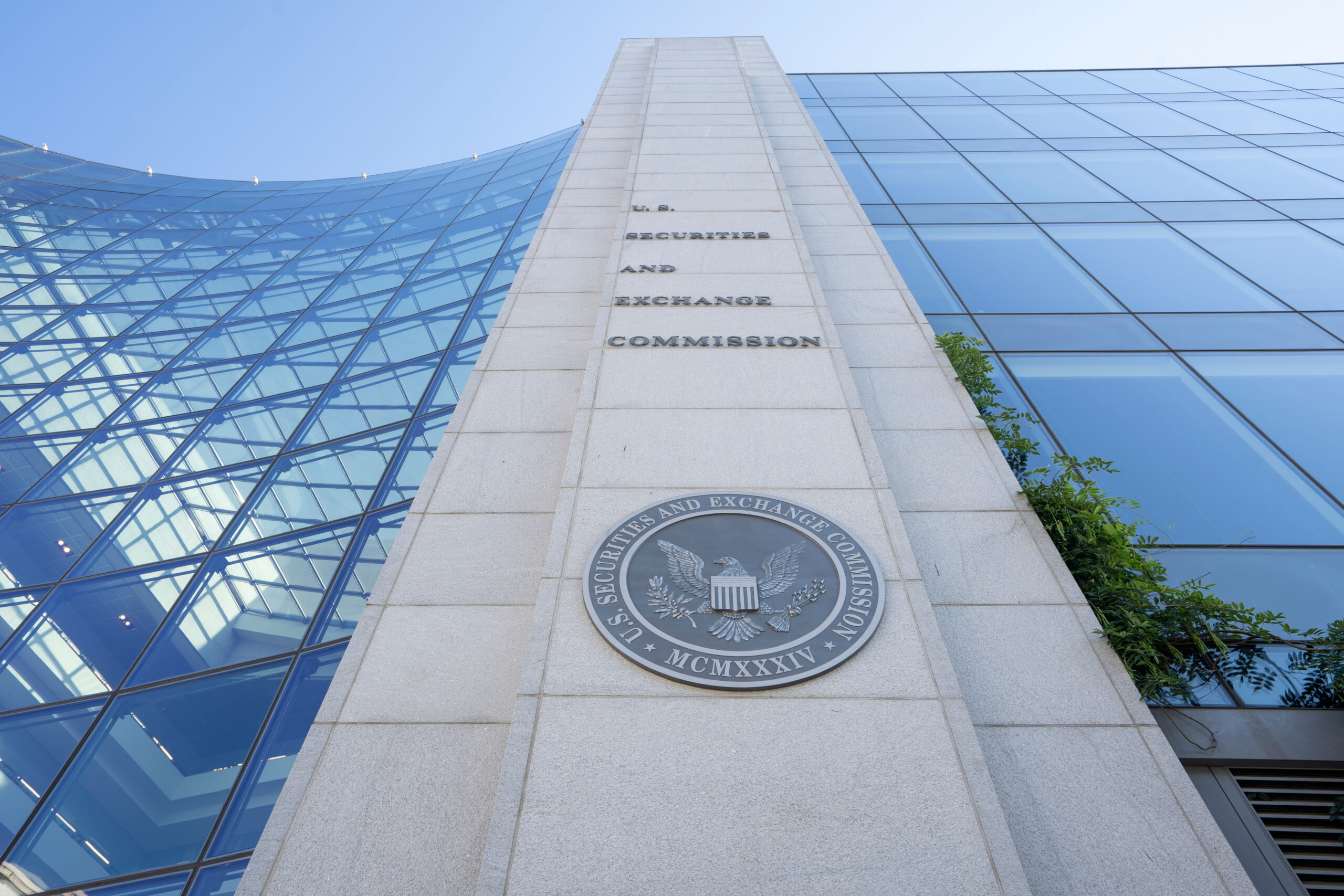
The Hyperliquid Policy Center and Douro Labs have formally backed the SEC’s proposal to repeal Regulation NMS Rule 611, arguing that the 2005-era mandate effectively blocks the integration of modern, onchain markets into the broader U.S. financial landscape.

Circle’s EURC Stablecoin Surpasses €400 Million in Circulation
The supply of Circle’s euro-backed stablecoin, EURC, has more than doubled over the past year to exceed €400 million. This growth marks a shift in the digital asset landscape, as institutional platforms and payment networks increasingly adopt the token for treasury operations and cross-border settlement within the European Union.

Ethereum's Glamsterdam Upgrade Risks Breaking Wallet Gas Estimators
The Ethereum Foundation is warning developers that the upcoming Glamsterdam upgrade will invalidate hardcoded gas assumptions, potentially causing wallets, indexers, and gas estimation tools to fail. With the fork set to activate on the Platåberget testnet on August 20, the shift necessitates an urgent review of how applications calculate transaction costs.

BitMine Adds 9,926 ETH, Inches Toward 5% Supply Target
BitMine Immersion Technologies expanded its Ethereum treasury by 9,926 tokens in the week ending August 16, bringing its total holdings to 5,815,164 ETH. This latest acquisition moves the company closer to its self-imposed objective of controlling 5% of the total Ethereum supply, a goal the firm labels the “Alchemy of 5%.”

Geopolitical Volatility Tops Fixed Income Risk Outlook
Geopolitical instability and volatile energy prices now represent the primary threats to fixed income markets, according to a Nedgroup Investments survey. Finance professionals cite these external shocks, alongside mounting government debt and stubborn inflation, as the defining obstacles for the coming year following the outbreak of the US-Iran conflict.

French Finance Ministry Breach Sparks EU-Wide Data Security Alarm
The theft of financial records belonging to 678,000 users from the French Ministry of Finance has reignited a fierce debate over government-mandated bulk data collection. Privacy advocates are now demanding an immediate audit of international systems that share sensitive citizen information across borders under the guise of tax enforcement.

CFTC Weighs Public Input on AI Compute Futures
The U.S. Commodity Futures Trading Commission is moving to solicit public feedback on futures contracts tied to artificial intelligence computing capacity. This regulatory step, currently under review by the White House, arrives as CME Group targets an October 5 launch for products priced against Silicon Data’s GPU rental benchmarks.

FE fundinfo Scales AI Workflow Platform to Reduce Advisor Admin
Five weeks of annual working time vanish into manual data reconciliation for the average financial advisor. To combat this administrative drain, FE fundinfo is accelerating the rollout of its Nexus platform, integrating over 25 new AI-driven capabilities by year-end to unify fragmented wealth management software ecosystems.

Leadership Shifts Across De Lisle, Cypher Capital and Schellenberg Wittmer
Strategic appointments are reshaping high-level operations at three distinct firms, signaling a push for institutional rigor. From the promotion of internal talent at De Lisle Partners to a new chief executive at Cypher Capital and a senior partnership at law firm Schellenberg Wittmer, these moves reflect evolving priorities in global wealth management.

Titan Wealth Expands Offshore Tax Advisory Presence
London-based Titan Wealth has acquired Channel Islands firm LTS Tax, marking another strategic push to capture the growing market for cross-border financial and tax planning. The transaction, for which terms remain undisclosed, currently awaits regulatory approval to finalize the integration of the advisory business into Titan’s broader international operations.

UK Charities Prioritize ESG Principles Over Short-Term Yields
Even as financial headwinds mount, the UK charitable sector remains steadfast in its commitment to ethical investing. A survey by wealth manager Rathbones reveals that despite significant pressure to chase higher returns by relaxing standards, the vast majority of charity leaders view ESG criteria as non-negotiable pillars of their mission.

Binance eyes UK return with planned FCA license application
Binance is preparing to seek authorization from the UK’s Financial Conduct Authority, aiming for a formal market re-entry as Britain prepares to implement a comprehensive regulatory framework for digital assets in October 2027.

Compound pivots to institutional credit with $52 million development push
The Compound Foundation is mounting a significant strategic pivot toward institutional finance, securing DAO approval for a $52 million development program designed to integrate real-world assets and bank-grade lending infrastructure. This initiative marks the largest capital allocation in the protocol's history as it seeks to reclaim lost market share.
Crypto Ponzi suspect deported from Fiji to face 25 federal charges
Edward Zimbardi returned to U.S. custody on August 14 after Fijian authorities deported him to answer for an alleged $165 million cryptocurrency fraud. The 59-year-old Georgia resident now faces 25 federal counts, including wire fraud and money laundering, stemming from his operation of the defunct investment platform, The Crypto Program.

Neynar seeks new operator for Farcaster seven months after acquisition
Less than seven months after taking control of the decentralized social protocol Farcaster, Neynar is searching for a new team to manage the platform. Cofounder Rish Maheshwari announced the search on August 17, initiating a transition that also includes the token launch platform Clanker and Neynar’s developer tools.

Jane Street Reports Over $1 Billion in Bitcoin ETF Holdings
Quantitative trading giant Jane Street disclosed more than $1 billion in U.S. spot Bitcoin ETF shares as of June 30, 2026. The firm’s quarterly regulatory filing reveals a significant rebound in its holdings, with BlackRock’s iShares Bitcoin Trust accounting for the vast majority of that position.

Blockchain Association pushes SEC to overhaul legacy trading rules
The Blockchain Association has formally urged the U.S. Securities and Exchange Commission to rescind two provisions of Regulation NMS, arguing that rules drafted in 2005 for traditional stock exchanges now stifle the growth of tokenized securities and prevent the adoption of more efficient, automated settlement processes.
Ripple Secures First South Korean Regional Banking Partnership
Jeonbuk Bank has become the first regional institution in South Korea to integrate Ripple Payments, signaling a shift in how smaller lenders handle cross-border remittances. The partnership aims to replace sluggish correspondent banking with near-instant settlement, though both parties remain silent on specific transaction corridors or asset utilization.

Payward Deploys Anthropic’s Claude Mythos 5 for Security Audits
Payward, the parent company of cryptocurrency exchange Kraken, has joined Anthropic’s Project Glasswing to integrate the Claude Mythos 5 artificial intelligence model into its defensive cybersecurity operations. The initiative aims to automate the discovery of software vulnerabilities across the company’s infrastructure, shifting the balance from attackers to defenders.

Trump Claims 'Honor' in Potential Seizure of Struggling Cuba
As Cuba struggles through a nationwide blackout and a severe energy crisis, Donald Trump told reporters Monday he expects to have the "honor of taking" the island. The U.S. president asserted he could do "anything he wants" with the nation, framing the country as a target ripe for intervention.
US Progressives Convene in Uruguay to Counter Trump's 'Donroe Doctrine'
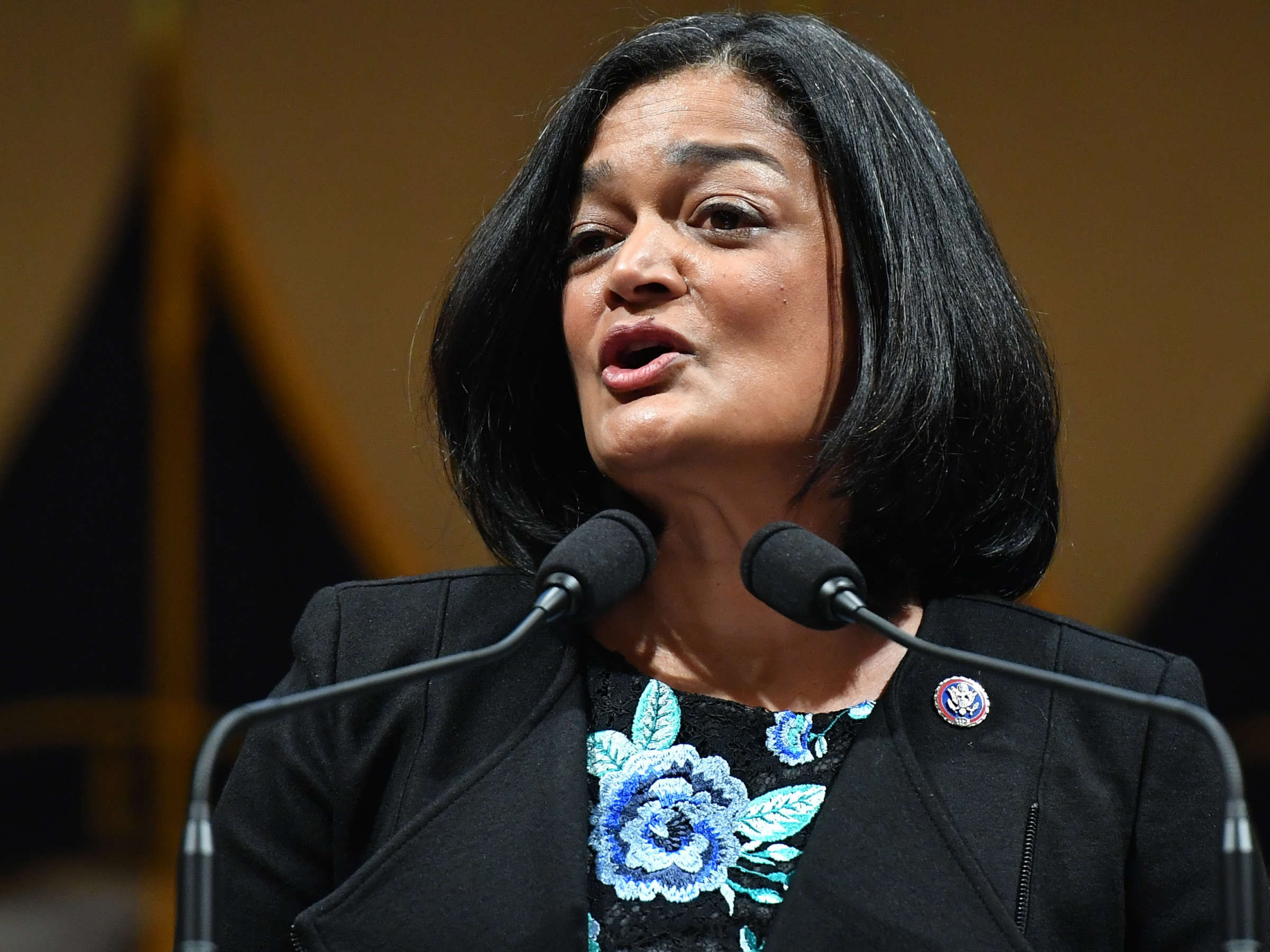
A delegation of progressive US lawmakers is heading to Montevideo this week for the third Pan-American Congress, seeking to build a hemispheric coalition against what they characterize as a resurgence of militant US imperialism and right-wing extremism under the Trump administration's aggressive regional policies.
Reports of Potential Nuclear Strikes on Iran Spark Alarm
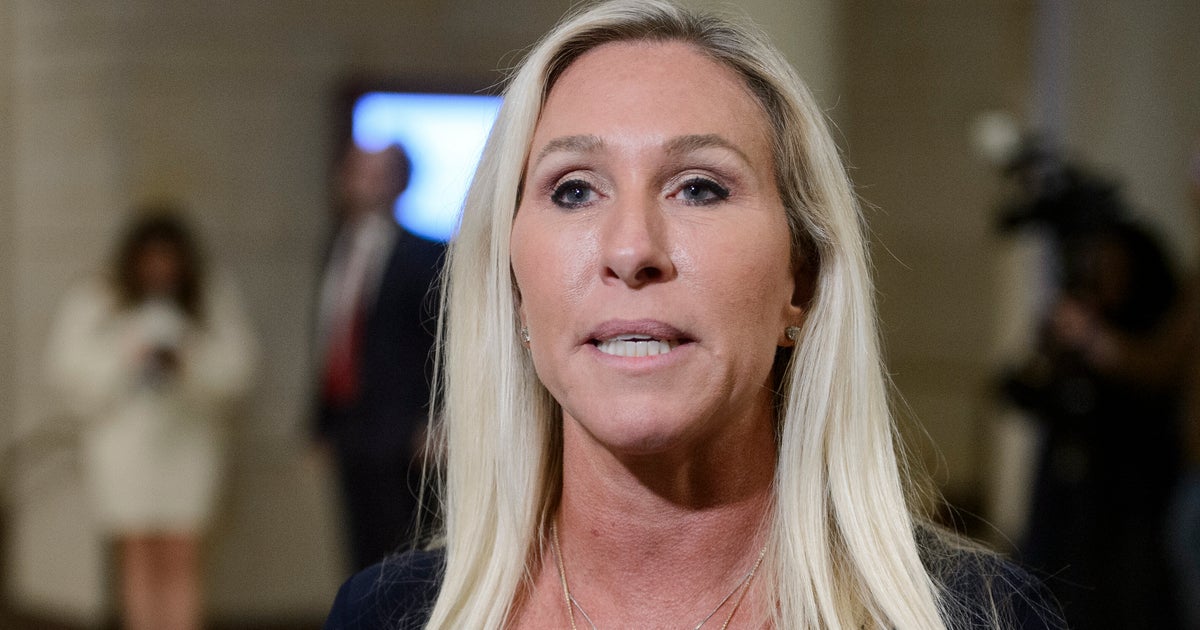
Former Congresswoman Marjorie Taylor Greene has alleged that the Trump administration is actively debating the use of nuclear weapons against Iran in strategy meetings. The claim has triggered urgent warnings from advocacy groups, who fear that even contemplating such a move threatens to shatter an 81-year global nuclear taboo.
Critics Decry Trump’s Vow to Target Iranian Civilian Infrastructure
Declaring that upcoming strikes on Iran will turn Tuesday into "Power Plant Day, and Bridge Day," President Donald Trump has drawn sharp condemnation from legal scholars and advocates who warn that the deliberate destruction of civilian infrastructure constitutes a clear violation of international law.

CBP Halts Big Bend Construction Amid Mounting Public Outcry
Following a wave of intense backlash from local leaders and conservationists, U.S. Customs and Border Protection Commissioner Rodney Scott announced a temporary pause on all construction activity within Big Bend National Park, pending an on-the-ground evaluation of the administration’s controversial border infrastructure plans for the Texas site.

World Liberty Financial Secures Conditional Federal Trust Charter
The Office of the Comptroller of the Currency has granted preliminary approval for World Liberty Trust Company to establish a national trust bank. The Florida-based entity intends to manage USD1 stablecoin reserves and provide digital asset custody, though it must meet significant preopening capital and regulatory requirements before launching operations.

Why seed-stage crypto startups shouldn't be measured by revenue
Varun Datta, CEO of Truth Ventures, is warning investors against applying traditional recurring revenue benchmarks to seed-stage crypto startups. As the industry grapples with a wave of project closures and bankruptcies, Datta argues that evaluating early-stage teams through the lens of established businesses ignores the fundamental realities of product development.
Famine Looms in Somalia as US Aid Cuts Deepen Humanitarian Crisis
More than six million people in Somalia are spiraling toward famine, a catastrophe exacerbated by the dismantling of the US Agency for International Development. New data indicates the collapse of American humanitarian funding has left millions without a lifeline, forcing aid groups to make desperate triage decisions in the field.
Trump Faces Backlash Over $4.9 Billion 'Pocket Rescission' Plan
President Donald Trump is drawing sharp condemnation from legal experts and lawmakers for his attempt to unilaterally block $4.9 billion in foreign aid. By utilizing a controversial 'pocket rescission' maneuver just before the September 30 funding deadline, critics argue the administration is bypassing Congress to dismantle established federal programs.