Cryptocurrency

Aurora Intents Expands Cross-Chain Execution to Sui Network
Users can now execute complex transactions on the Sui blockchain with a single digital signature, bypassing the traditional hurdles of manual bridging, wallet switching, and native gas management. Aurora Labs integrated its Intents Connect service to bundle cross-chain transfers with final on-chain actions like lending or staking.

Avalanche CEO Warns AI Agents Will Break Blockchain Capacity
Autonomous financial agents are poised to overwhelm Layer 1 networks as they move beyond human-speed limitations, according to Avalanche Treasury Co. CEO Bart Smith. He argues that the assumption of infinite block space will vanish once automated systems begin executing continuous, around-the-clock trading, forcing a reckoning for major blockchains.

StablecoinX Secures Permanent ENA Unlock for October
StablecoinX has finalized a waiver with the Ethena Foundation to terminate a four-year lock-up on its ENA holdings starting October 5. While the agreement removes vesting restrictions, the company remains subject to strict oversight regarding how it sells or transfers its 3-billion-token treasury stash.

AI Crypto Tokens Rally as Tech Leaders Convene with King Charles
AI-linked cryptocurrency tokens surged 9.4% in market value over 24 hours, even as King Charles III hosted executives from Nvidia, OpenAI, and Google DeepMind at Dumfries House to discuss the safety and development principles of artificial intelligence.
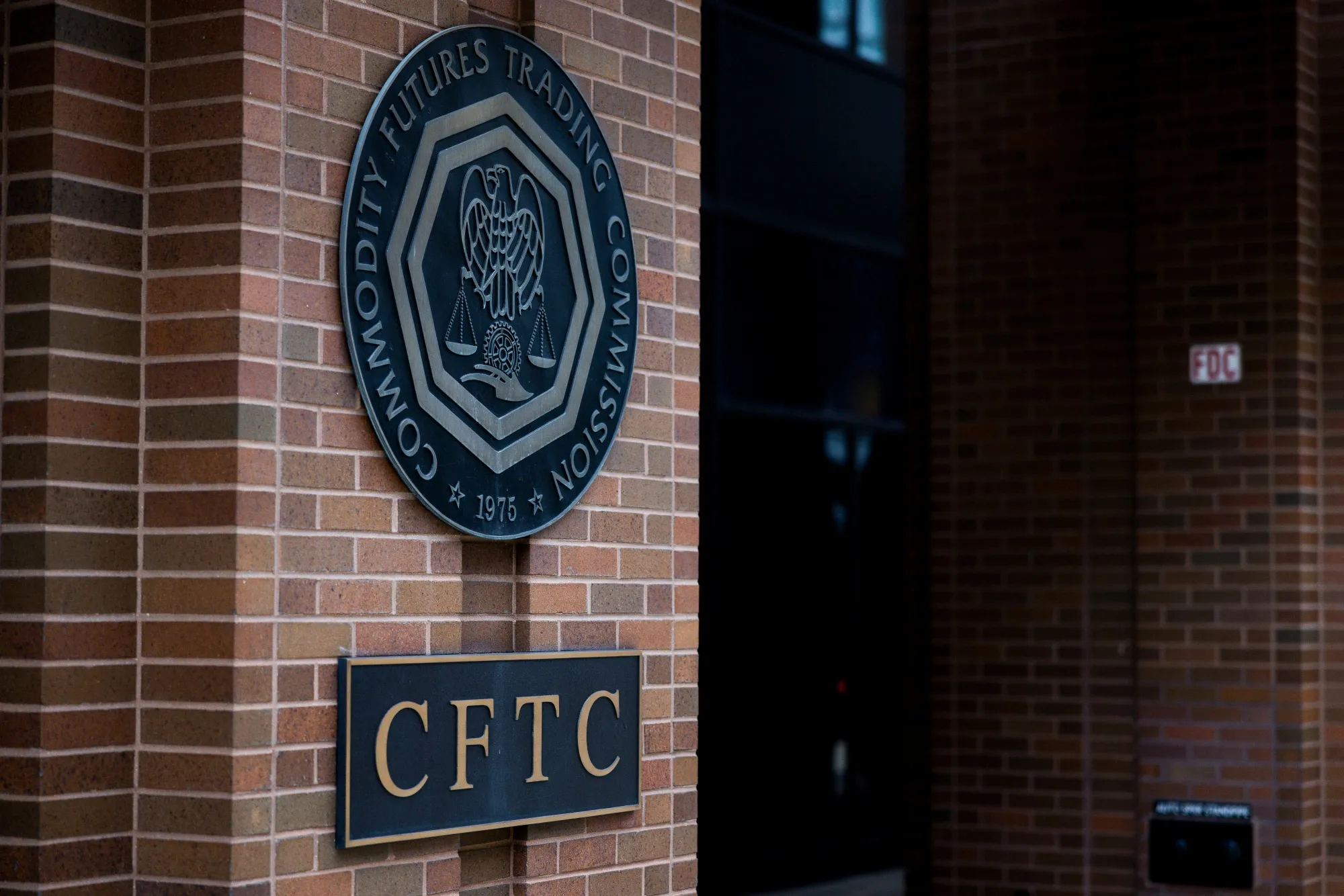
CFTC Grants Registration Relief to Passive Crypto Software Providers
The Commodity Futures Trading Commission has issued a no-action letter allowing developers of passive software to connect users to regulated derivatives markets without registering as introducing brokers. This conditional relief aims to clarify the compliance path for wallet and interface providers operating within the U.S. derivatives ecosystem.

CleanSpark Shares Rise as Firm Seeks $2.23 Billion for Georgia Campus
CleanSpark shares climbed 4.73% to close at $13.40 following the company's announcement of a proposed $2.227 billion senior secured notes offering. The capital is earmarked for the construction of the firm’s Sandersville data center in Georgia, a project central to its shift toward high-performance computing infrastructure.

Real-world asset futures surge as crypto trading shifts gears
A massive $19 billion liquidation event in October 2025 forced a structural pivot in decentralized finance, driving traders away from pure crypto volatility toward real-world assets. In just nine months, monthly volume for RWA futures exploded 142-fold, reaching $107.6 billion and effectively pulling even with traditional crypto derivatives.

Genius.fun brings corporate activism to BNB Chain
The Genius Foundation has launched Genius.fun on the BNB Chain, a platform designed to let crypto communities pool capital into tokenized public company shares. By pairing community tokens with real-world equities, the project aims to shift online groups from meme-based trading toward organized corporate ownership and activist shareholder campaigns.

Bitcoin Struggles to Maintain Gains as Jobless Claims Data Stiffens Fed Resolve
Bitcoin retreated toward $76,051 after a brief climb to $76,800, hindered by labor market data that solidified expectations for continued Federal Reserve interest rate hikes. Initial jobless claims dropped to 196,000, significantly undershooting the 207,000 forecast and signaling a resilience that complicates the case for easier monetary policy.

S&P Global Acquires Blockchain Security Firm OpenZeppelin
S&P Global has entered into an agreement to acquire OpenZeppelin, a move designed to bolster the financial giant’s capabilities in smart contract security and onchain risk assessment. The acquisition integrates OpenZeppelin’s expertise into S&P Global’s expanding digital asset division as institutional interest in tokenized markets grows.

SEC Opens Five-Year Window for Tokenized Stock Trading
The U.S. Securities and Exchange Commission has granted tokenized securities venues a five-year conditional exemption to facilitate the trading of tokenized National Market System stocks. This regulatory pathway allows platforms to utilize permissioned automated market makers while mandating that digital tokens provide holders with the same legal rights as traditional shareholders.
Senate Democrats revive CLARITY Act talks after failed vote
Seven Senate Democrats have reopened negotiations over the Digital Asset Market CLARITY Act just days after the chamber rejected a motion to proceed. Despite the 49-50 vote leaving the bill short of the 60-vote threshold, the group insists the effort is not dead, even as broader legislative gridlock persists.

Bitwise CIO Reassesses Market Outlook Following CLARITY Act Stumble
After Bitcoin surged past $80,000 despite legislative uncertainty, Bitwise Chief Investment Officer Matt Hougan has recalibrated his stance on the failed CLARITY Act. He now characterizes the Senate’s recent rejection of the crypto market structure bill as a mere speed bump rather than the precursor to a prolonged market winter.
France’s Council of State Rejects Emergency Bid to Halt Crypto Tax Rules
France’s Council of State has denied an emergency request from cryptocurrency firms Bull Bitcoin and Paymium to suspend the national implementation of the EU’s DAC8 tax reporting decree. The court ruled that the companies failed to demonstrate an urgent need to freeze the measure while a broader legal challenge remains pending.
H100 CEO Boosts Stake as Bitcoin Treasury Remains Unchanged
Eirik Grøttum, the chief executive of H100 Group, has increased his personal stake in the firm by acquiring over 407,000 shares for SEK 621,887. The transaction comes as the company maintains its current treasury position of 3,506.4 Bitcoin, following a significant acquisition that restructured its balance sheet earlier this year.

FCA Raids London Premises Over Unregistered Crypto Trading
British financial regulators, alongside the Metropolitan Police and HMRC, raided three London sites on September 10 to shutter illegal peer-to-peer crypto operations. The action marks an intensifying crackdown on unregistered digital asset businesses that currently lack any legal standing to facilitate commercial trading within the United Kingdom.

NEAR Confidential Intents Hits $70M Milestone, Triggers Token Drop
Confidential liquidity on the NEAR protocol has breached the $70 million threshold, automatically initiating the first snapshot for the NEAR@3.33 incentive program. This milestone unlocks 333,333 tokens for qualified participants, marking a shift toward privacy-focused execution as a standard requirement for cross-chain decentralized finance.

Judge denies Susquehanna bid to freeze $100M in insider trading suit
A New York federal judge has rejected an attempt by Susquehanna to freeze nearly $100 million in assets held by dozens of traders. The court ruled that the market maker failed to prove that the defendants were likely to hide funds or that the underlying insider trading claims would succeed.
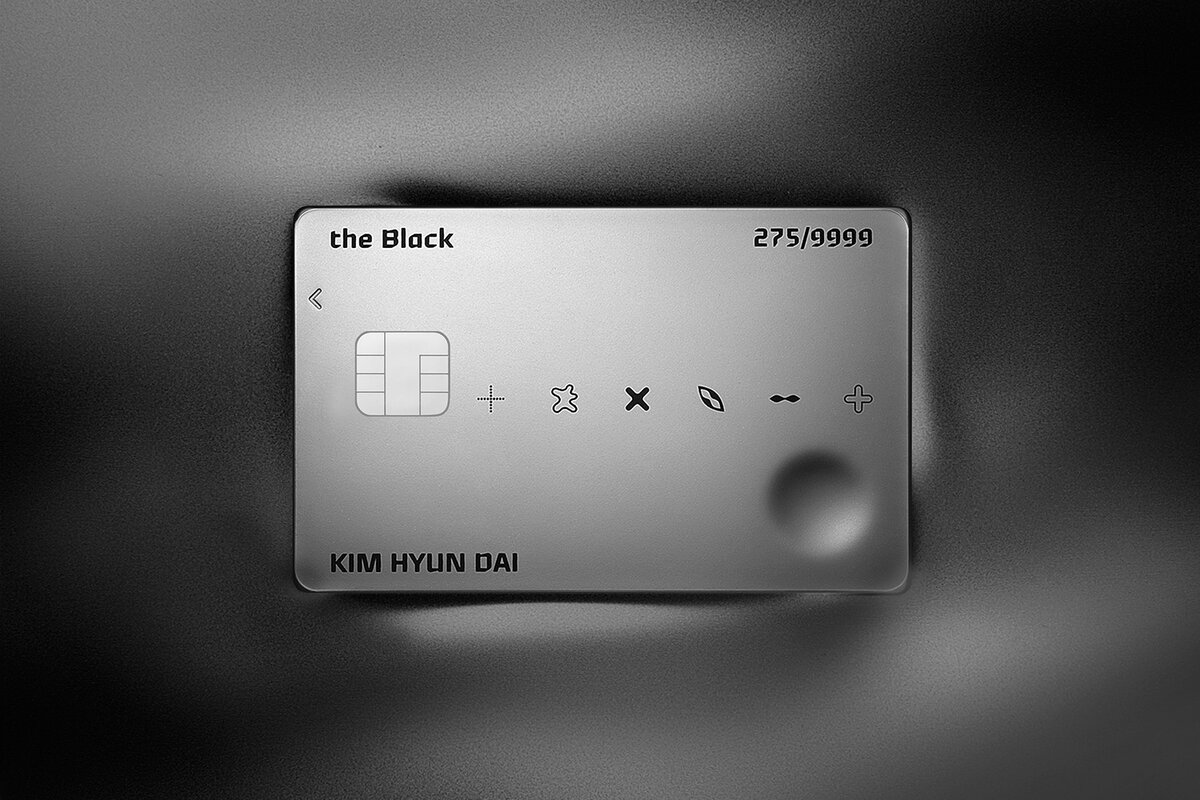
Hyundai Card Pushes for Scale in Stablecoin Treasury Pilot
Following a successful $20,000 corporate transfer between its U.S. and Mexican subsidiaries, Hyundai Card is shifting its focus toward proving that blockchain-based stablecoin infrastructure can handle high-volume, repeatable treasury operations. The company has yet to set a timeline for a full-scale commercial rollout of the payment model.

Kyobo Life and SBI Test Direct Yen-Won Stablecoin Transfers
Kyobo Life Insurance and Japan’s SBI Group have completed a cross-border pilot program testing the direct exchange of yen and won-denominated stablecoins. By bypassing traditional U.S. dollar conversion legs, the firms aimed to demonstrate a more efficient model for institutional fund transfers and cross-border settlement between the two nations.

Ethereum Classic operators roll back rogue Core Geth software update
Ethereum Classic mining pools have reverted to the stable Argos client after briefly adopting a disputed Core Geth v1.13.0 release. The unauthorized software, which was promoted as a critical security update, bypassed standard review protocols and altered consensus infrastructure, prompting urgent warnings from network maintainers to restore previous configurations.

Bitcoin’s Quantum Migration Challenge
The debate over Bitcoin’s post-quantum security is shifting from theoretical cryptographic threats to the practical realities of infrastructure. Ledger CTO Charles Guillemet warns that replacing signature schemes is far less complex than the logistical burden of migrating existing wallets and managing dormant funds across a decentralized network.

Ethereum researchers test sub-second payload propagation
Ethereum researchers have demonstrated a method to slash execution payload propagation times from five seconds to under one second. By segmenting data into independently verifiable chunks, the proposed EIP-8411 aims to overcome the bottlenecks of the current store-and-forward gossip model, potentially easing pressure on network bandwidth.
Crypto wealth shrinks as market correction hits millionaire ranks
The global count of crypto millionaires has dropped to 135,694 as the digital asset market contracted to $2.6 trillion. Despite the cooling of extreme wealth, broader adoption continues to climb, with 742 million people now holding digital assets worldwide according to the Henley & Partners 2026 Crypto Wealth Report.

Moscow Exchange Expands Crypto Derivatives With Perpetual Futures
Starting September 22, the Moscow Exchange will introduce perpetual futures tied to Bitcoin, Ether, Solana, XRP, and Tron indexes. These cash-settled contracts, which automatically roll over daily, are designed to provide qualified investors with exposure to digital asset price movements without requiring physical delivery of the underlying tokens.

Hong Kong Accelerates Digital Asset Integration for 2026
Hong Kong is pushing to solidify its position as a digital finance hub, with the 2026 Policy Address outlining a roadmap to integrate regulated stablecoins, tokenized real-world assets, and 24-hour central bank digital currency settlement into the city's established financial infrastructure.

Vitalik Buterin Bets on Formal Verification to Counter AI Hacking
Ethereum co-founder Vitalik Buterin has dismissed the prevailing narrative that AI-driven cyberattacks will render digital security impossible. Arguing that defense holds a structural advantage, he contends that the integration of automated formal verification could eventually allow software to mathematically guarantee its own integrity against sophisticated threats.

Column Debuts Integrated Platform for Stablecoin and Global Banking
Column has launched a suite of four financial infrastructure products designed to unify stablecoin, card issuing, and multicurrency banking. By integrating its own issuer processor directly into its banking stack, the company enables fintech firms to bypass fragmented vendor networks and execute cross-border transactions in seconds.

Upbit Delays JPYC Trading Launch by Three Hours
Upbit pushed back the debut of the yen-backed stablecoin JPYC on September 17, rescheduling the launch from 12:00 p.m. to 3:00 p.m. KST. The exchange provided no specific reason for the delay, which affects trading pairs against the South Korean won, Bitcoin, and Tether across its platform.

Anchorage Digital Adds Institutional Custody for Etherlink Assets
Institutional investors can now hold tokenized uranium and six other Etherlink-based assets within the secure, federally chartered environment of Anchorage Digital Bank. The move integrates these layer 2 tokens directly into existing custody workflows, bypassing the traditional settlement hurdles that have long complicated commodity-backed digital holdings.