Cryptocurrency
Coinbase Seeks Approval for Single-Stock Perpetual Futures in U.S.
Coinbase has petitioned U.S. regulators to list perpetual futures contracts tied to over 50 major domestic stocks, including Nvidia, Microsoft, and Tesla. The proposed instruments would allow investors to gain leveraged price exposure 24 hours a day, five days a week, without requiring actual ownership of the underlying company shares.
Morpho Opens Lending Markets for Coinbase Tokenized Stocks
Investors can now leverage tokenized equity on the Base network, as Morpho has launched lending markets for five Coinbase-issued stock tokens. Users have already pledged over $104,000 in collateral to borrow USDC against assets including Apple, Alphabet, Nvidia, Meta, and SpaceX without liquidating their positions.

North Korean hackers steal data from 7,000 crypto wallets
A sophisticated hacking group known as WaterPlum has compromised over 30,000 devices across 100 countries, siphoning sensitive data from 7,000 cryptocurrency wallets. Operating under the umbrella of North Korea’s Bureau 313, the group employs elaborate recruitment scams to infect developers with malware and infiltrate global technology firms.
CFTC moves to regulate crypto markets via existing authority
The Commodity Futures Trading Commission has submitted a formal proposal to the White House for review, seeking to establish a regulatory framework for crypto assets. The move comes just days after the Senate failed to advance the CLARITY Act, signaling an agency shift toward utilizing current statutory powers.
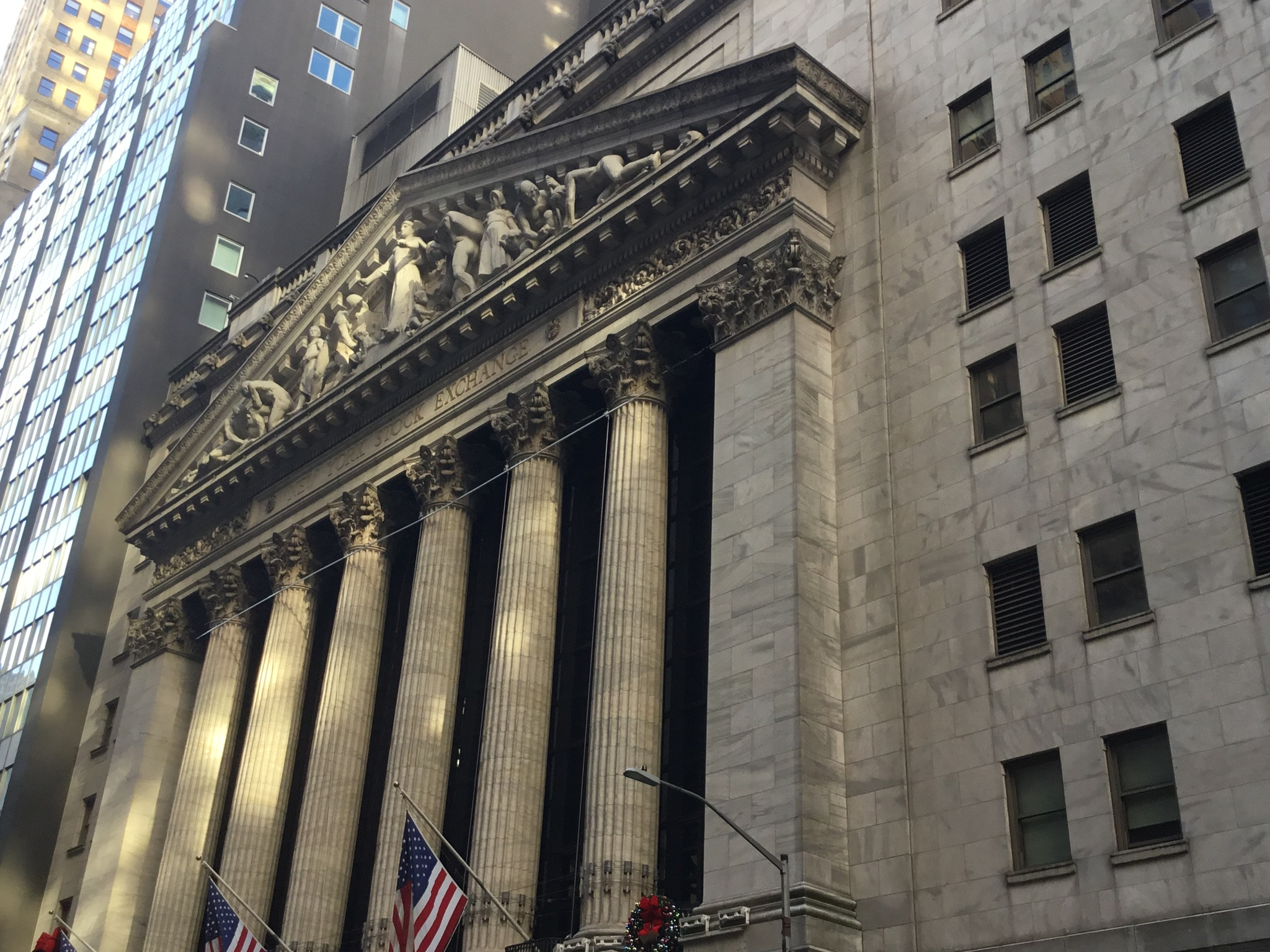
NYSE Tests Avalanche for Tokenized Securities Platform
The New York Stock Exchange has spent the past year evaluating Avalanche technology as a potential backbone for its future tokenized securities venue. While exchange operator Intercontinental Exchange remains engaged with the Ava Labs team, leadership insists no final selection has been made for the platform’s underlying blockchain architecture.

Ethereum Institutional Backs Move to 10-Second Block Times
Ethereum Institutional has thrown its weight behind a proposal to accelerate the network’s block production, advocating for a reduction from 12 seconds to 10 seconds. The push, centered on EIP 8198, aims to satisfy the growing demand for speed as institutional financial activity shifts onto public blockchains.
UAE and Sweden dismantle $7.1 million crypto-laundering ring
Seven suspects are in custody after a joint operation between UAE and Swedish authorities dismantled an international money laundering network. Investigators traced 70 million Swedish krona in illicit digital transactions, uncovering financial ties to organized crime and contract killings that spanned multiple borders over a ten-month period.
Kevin O’Leary Returns to Crypto Markets Amid Infrastructure Push
Kevin O’Leary is scaling back into the cryptocurrency market, placing new bets as he hunts for the blockchain networks poised to dominate the next cycle. The O’Leary Ventures chairman is betting that institutional adoption will hinge not on individual tokens, but on the infrastructure chosen by legacy financial exchanges.

Binance Maintains MiCA Ambitions Despite Reported Political Pressure
European Central Bank President Christine Lagarde allegedly urged Greek authorities to block Binance’s bid for a crypto license, according to a recent report. While the exchange ultimately withdrew its application before the July 1 regulatory deadline, it insists that its long-term strategy for EU-wide compliance remains unchanged.
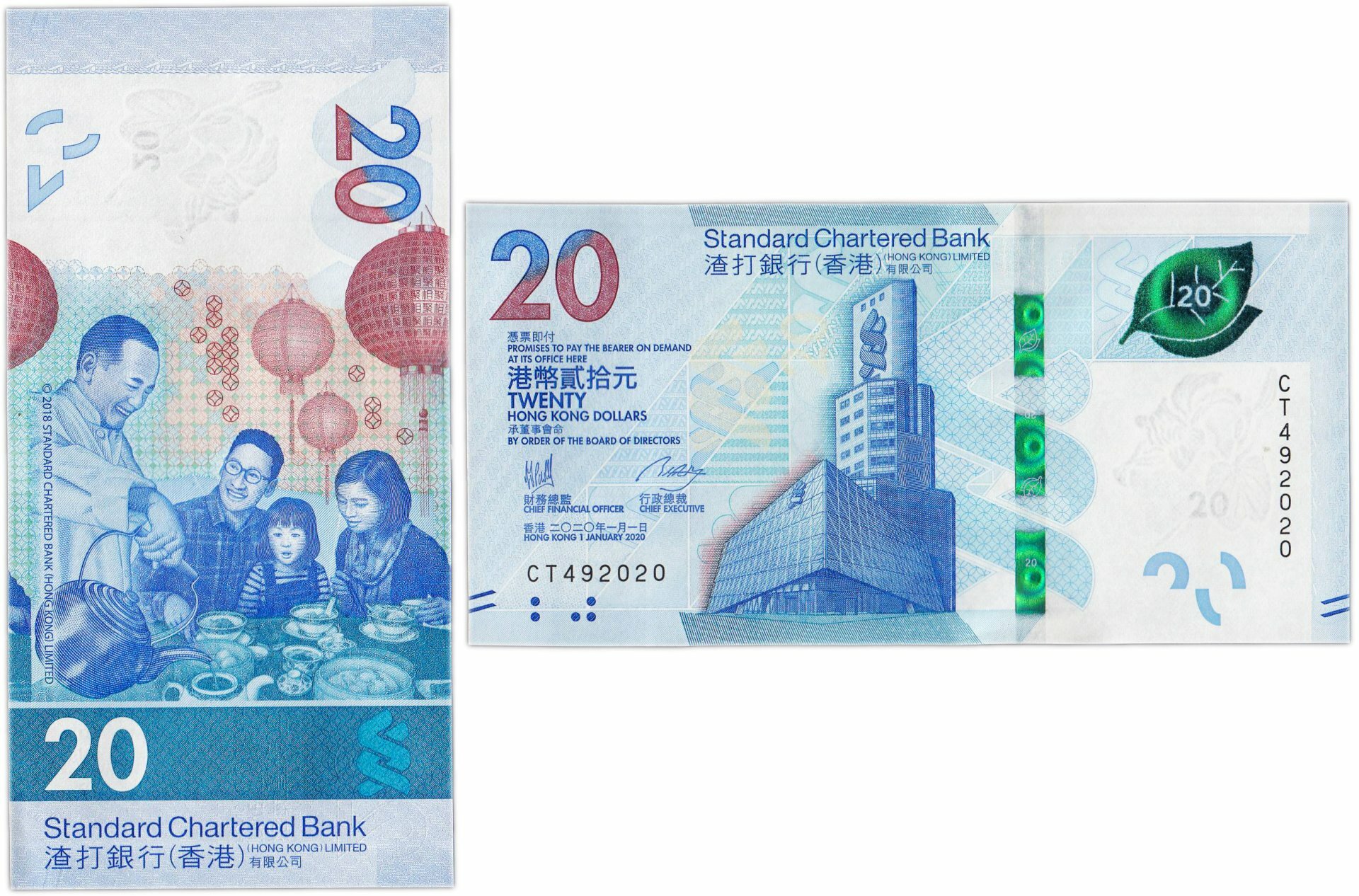
Hong Kong targets 24/7 CBDC settlement for tokenized markets by 2026
Hong Kong is set to overhaul its financial infrastructure by enabling 24/7 central bank digital currency settlement for tokenized deposits by the end of 2026. The move aims to bridge the gap between continuous distributed ledger trading and the restricted operating hours of traditional interbank payment systems.

Real World Asset Futures Volume Surges to $107.6 Billion
Monthly trading volume for real world asset futures hit $107.6 billion in July 2026, effectively drawing level with crypto derivatives. This milestone marks a 142-fold increase over nine months, signaling a shift in onchain activity as traders pivot from volatile digital currencies toward equities and commodities.
Solana accelerates block production with 250ms slot milestone
Solana has successfully reduced its target slot time to 250 milliseconds, pushing the network to four slots per second. This adjustment marks the third phase of the SIMD-0525 initiative, which aims to optimize transaction confirmation speeds and data freshness for decentralized applications while maintaining network stability.

Bolivia Targets Crypto Oversight to Stem Capital Outflow
Bolivia has pledged to establish a formal regulatory framework for virtual assets as part of a $1.9 billion economic reform package backed by the International Monetary Fund. The initiative aims to curb illicit capital flight while the nation grapples with its most severe financial crisis since the 1980s.
Singapore’s dtcpay Secures $25M Series A to Expand Stablecoin Payments
Singapore-based stablecoin payments provider dtcpay has finalized a $25 million Series A funding round, bolstered by a strategic investment from Japan’s SBI Group. The capital injection, announced September 18, aims to scale the firm’s infrastructure and accelerate its expansion into regulated international markets.

Circle Debuts Arc Studio to Automate Onchain App Development
Circle has unveiled Arc Studio, an AI-driven coding agent designed to generate full-stack onchain applications, smart contracts, and backend logic from natural language prompts. The tool arrives just days after the public mainnet launch of Arc, signaling a push to simplify blockchain infrastructure for financial developers.
Ethereum developers eye October Sepolia test for Glamsterdam upgrade
Ethereum developers have finalized an October 6 activation date for the Glamsterdam upgrade on the Sepolia testnet, though concerns persist regarding the network's vulnerability to builder abuse. The upgrade, which introduces Enshrined Proposer-Builder Separation, faces scrutiny over how zero-cost test ether could facilitate malicious block auction manipulation.

Cardano’s IOG YouTube channel hijacked for AI-driven crypto scam
Input Output Group has urged users to avoid its official YouTube channel following a security breach on September 18. Attackers seized control of the account to broadcast a fraudulent livestream featuring AI-manipulated footage of Charles Hoskinson, which solicited cryptocurrency deposits under the guise of a wealth-doubling giveaway.

Zcash Sets November Target for NU7 Network Upgrade
Zcash developers have tentatively scheduled the NU7 mainnet upgrade for November 5, following a unanimous agreement among major ecosystem teams. The proposal aims to accelerate network performance by reducing block times and implementing a new sustainability mechanism, pending a final performance review on October 20.
Lagarde Intervened to Block Binance’s Greek MiCA License Bid
European Central Bank President Christine Lagarde personally pressured Greek Prime Minister Kyriakos Mitsotakis to reject Binance’s application for a crypto-asset service provider license in Greece. The intervention, revealed by The Wall Street Journal, aimed to prevent the world's largest exchange from securing an EU-wide passport under the MiCA regulatory framework.

Neutrl Launches NUSD Redemption Portal With 0.51 Payout Rate
Holders of NUSD and sNUSD tokens can now exchange their holdings for USDC through an official portal, following a liquidity crisis that froze the protocol in August. On-chain data from the newly deployed redemption contract indicates a payout rate of 0.51, effectively valuing each dollar-pegged token at roughly half its intended price.
Galaxy expands institutional lending to Solana via Kamino vaults
Galaxy has officially entered the Solana lending ecosystem, launching two curated stablecoin vaults on the Kamino protocol. The move marks a strategic expansion of Galaxy Curation, applying institutional-grade risk management and collateral standards to USDC and USDT strategies while bypassing the need for traditional institutional operating models.
XRP Ledger 3.4.0 Update Targets Lending and Protocol Stability
XRP Ledger developers released xrpld version 3.4.0 on September 16, introducing two significant amendment packages aimed at refining native lending functions and hardening transaction paths. While the update provides the necessary code for these changes, server operators are currently urged to upgrade to maintain network continuity and security.
Coinbase Partners with Stablecore to Embed Crypto into U.S. Banking
Coinbase has entered a strategic partnership with financial technology provider Stablecore to integrate cryptocurrency trading, custody, and stablecoin payments directly into the digital infrastructure of more than 3,000 U.S. banks and credit unions, allowing local institutions to offer digital asset services without overhauling their existing technology stacks.

WisdomTree and MoonPay partner to expand WTGXX access
WisdomTree and MoonPay have unveiled a partnership to integrate the tokenized WTGXX Treasury money market fund into MoonPay’s infrastructure. The collaboration aims to create a new access point for eligible U.S. investors while positioning the fund as a potential reserve asset for stablecoin issuers managed through MoonPay.

BitGo Taps Former Exodus Executive to Lead Global Compliance
BitGo has appointed Alex Rozman as chief compliance officer, effective September 21, tasking the veteran strategist with overseeing enterprise-wide financial crime and regulatory programs as the firm deepens its institutional footprint following its transition to a publicly traded national trust bank.

World Launches Financial Super App Across 150 Countries
World debuted its self-custody financial application, World Money, on September 17, providing users across more than 150 countries with a suite of tools including stablecoin balances, digital asset trading, and yield-generating programs. The launch marks a shift in the project’s infrastructure, decoupling financial services from its primary identity verification platform.
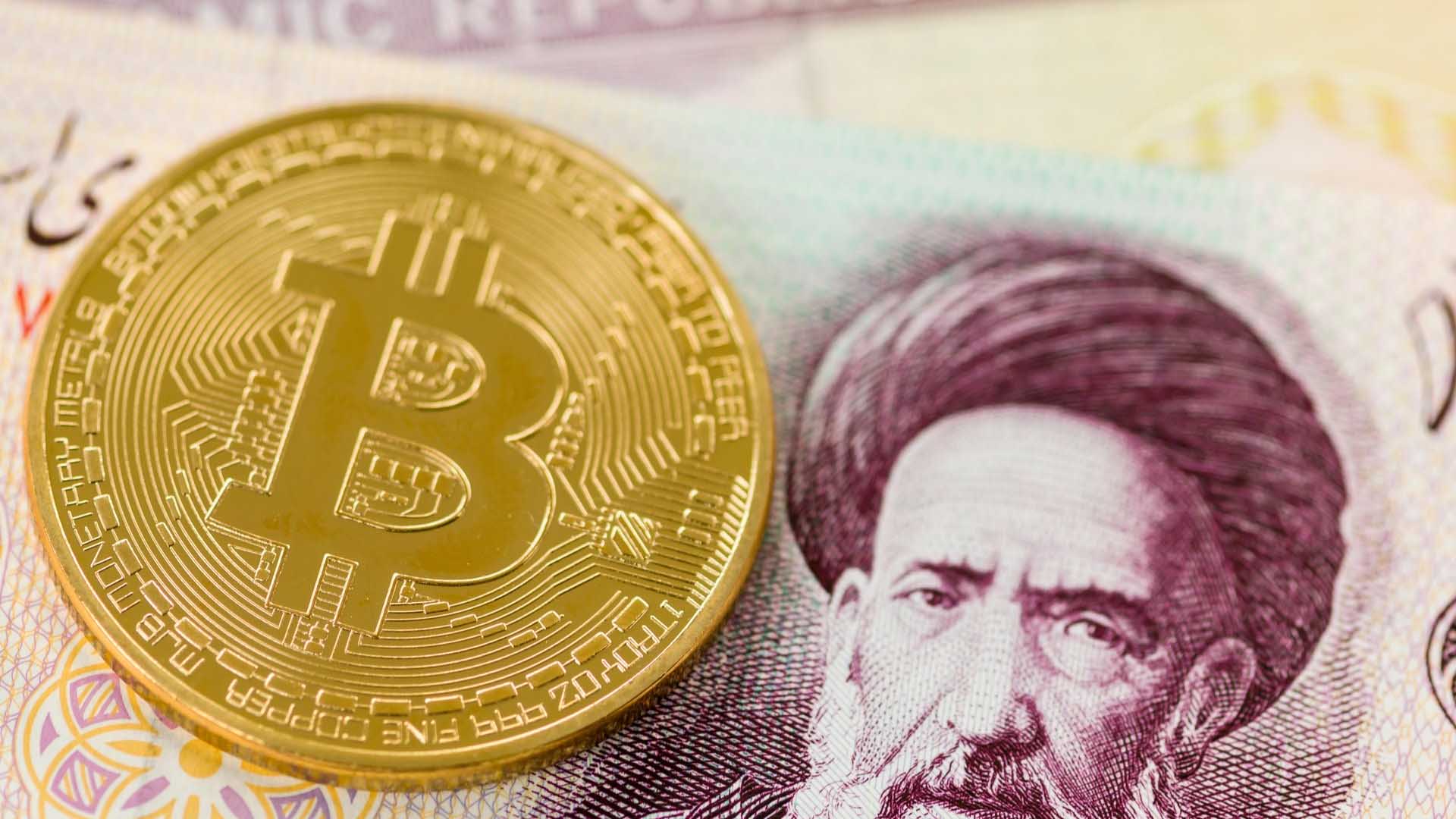
U.S. Sanctions Iranian Crypto Exchange Over Alleged IRGC Ties
The U.S. Treasury Department blacklisted the Iran-based crypto exchange BitBank on September 17, accusing the platform of facilitating hundreds of millions of dollars in Bitcoin transfers to the Islamic Revolutionary Guard Corps. The action marks a significant escalation in the government’s ongoing effort to dismantle Iranian financial networks.

Crypto.com's Nadex moves into U.S. single-stock futures
The North American Derivatives Exchange (Nadex), a subsidiary now operating under the Crypto.com ecosystem, has cleared a regulatory hurdle by filing a Form 1-N with the SEC. This move allows the exchange to register as a national securities exchange specifically for trading security futures products in the United States.
XRP slides below $1.30 as market cap concerns mount
XRP has retreated below the $1.30 threshold, shedding 7.3% on Tuesday as investors grapple with a hefty $81 billion market valuation and shifting U.S. macroeconomic conditions. The decline marks a 23% drop from recent highs, fueled by cooling sentiment and the failure of key federal crypto legislation.

Senate Rejection of CLARITY Act Stalls Digital Asset Regulation
The Senate’s failure to secure the 60 votes required to advance the CLARITY Act has left the crypto industry in a state of regulatory limbo. The 50-49 vote, which fell short of the threshold to initiate formal debate, effectively delays the establishment of a long-sought federal market structure framework.