Cryptocurrency
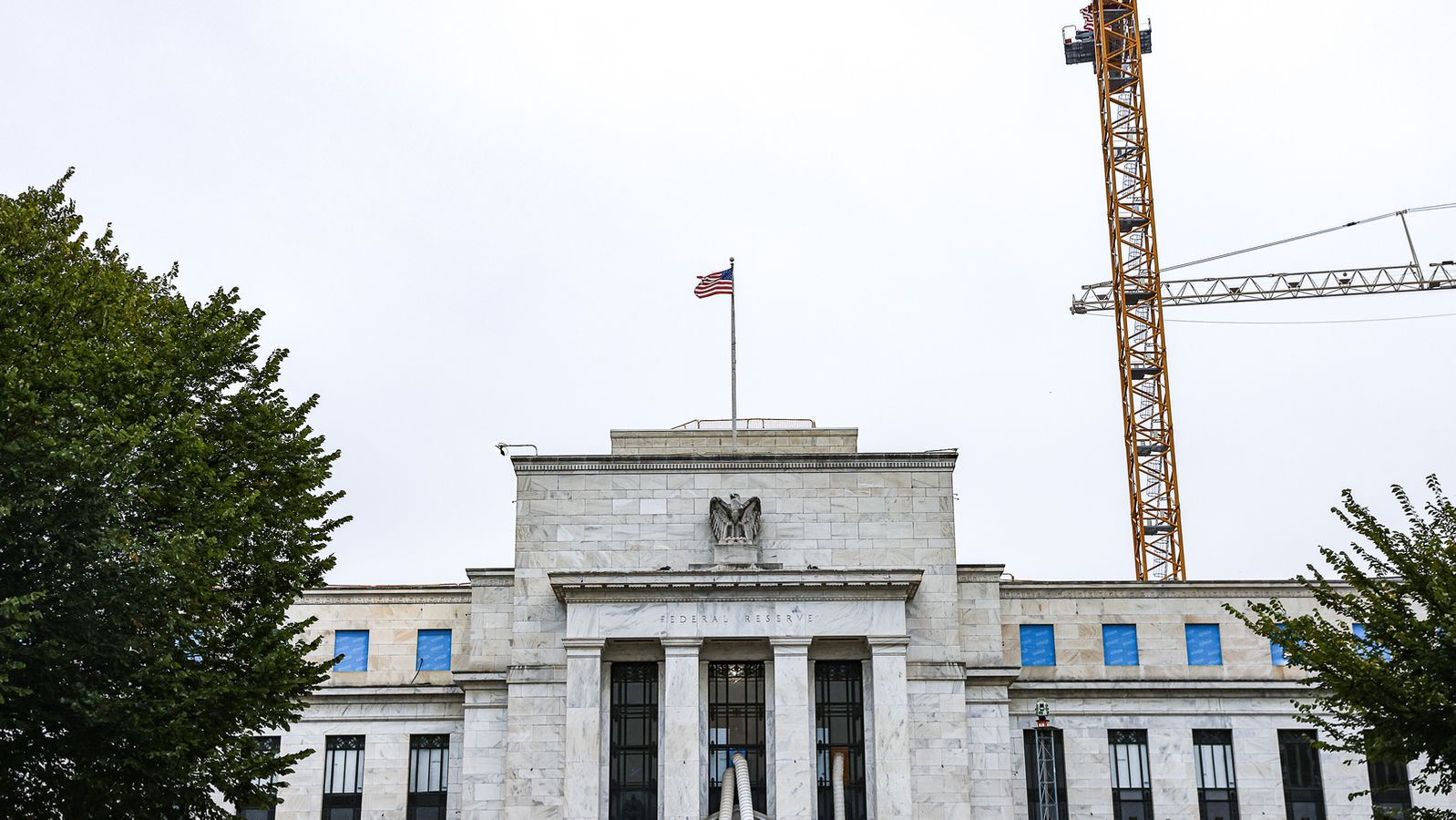
Goldman Sachs Pushes Back Fed Hike Forecast to December
Goldman Sachs has delayed its expectation for a second Federal Reserve rate hike from October to December, citing core PCE inflation data that arrived softer than anticipated. While the bank maintains a December increase in its base case, analysts now see a mounting possibility that the FOMC will forgo further tightening.

Bitfinex Warns Bitcoin Rally Needs Spot Market Support
Bitcoin heads into the final stretch of the third quarter with a 42.5% gain, yet analysts at Bitfinex warn that the rally faces a critical test. While leverage in the futures market has cooled, the recent slowing of U.S. ETF inflows suggests that speculative momentum requires fresh cash buyers to sustain prices.

Petrobras and Cardano Prototype Blockchain Tools for Fuel Tracking
Petrobras has partnered with the Cardano Foundation and PUC-Rio to develop two research-stage blockchain applications aimed at verifying environmental claims. The projects focus on tracking sustainable aviation fuel certificates and lifecycle emissions data for Diesel R, a renewable-content fuel, to enhance transparency in complex energy supply chains.
XRP Climbs Toward $1.51 Following Armada-Evernorth Merger Approval
XRP regained the $1.50 threshold on Monday after a report surfaced that Armada Acquisition Corp. II shareholders voted to approve the company's merger with Evernorth. The decision clears a significant hurdle for the Ripple-backed firm’s transition to a Nasdaq-listed entity, sparking a modest recovery for the token.

DogeOS launches testnet to bring smart contracts to Dogecoin
DogeOS has officially opened its public testnet, introducing an EVM-compatible layer that allows developers to deploy smart contracts using DOGE for transaction fees. The launch follows a $6.9 million funding round led by Polychain Capital, marking a shift toward expanding the memecoin’s utility beyond simple peer-to-peer transfers.
Open USD Debuts With $1 Billion in Liquidity Commitments
Five industry giants—Coinbase, Mastercard, Shopify, Stripe, and Visa—have anchored the launch of Open USD with over $1 billion in liquidity commitments. The stablecoin, which went live Wednesday across four networks, aims to reshape market economics by tying ownership and rewards directly to transaction volume and token adoption.

Soneium Integrates OP Enterprise to Scale Tokenized IP
Soneium has secured a managed infrastructure agreement with OP Labs to accelerate its shift toward tokenized intellectual property. Announced during Korea Blockchain Week in Seoul, the partnership delegates core technical operations to the creators of the OP Stack while the Soneium team maintains control over its product roadmap.

UK Crypto Firms Face Strict FCA Authorization Deadline
The Financial Conduct Authority has officially opened its authorization gateway for digital asset businesses, marking a critical shift toward full financial services oversight in the UK. Firms intending to provide regulated crypto services must navigate this new regime before the October 2027 deadline to ensure uninterrupted access to the market.

Michael Saylor Sees Synergy in Bitcoin-Backed Credit Rivalry
Michael Saylor contends that Strategy and Strive are not merely competitors, but partners in expanding the emerging market for Bitcoin-backed preferred securities. By fostering a broader ecosystem of digital credit, Saylor argues both firms can attract the institutional capital necessary to rival traditional global equity and fixed-income markets.

Metaplanet Board Defends Executive Share Plan Amid Dilution Backlash
Metaplanet’s independent directors are doubling down on the company’s controversial Series 10 warrant program, maintaining that the executive compensation plan was a necessary gamble taken when the firm was a struggling hotel operator, despite intense criticism from shareholders regarding potential dilution.
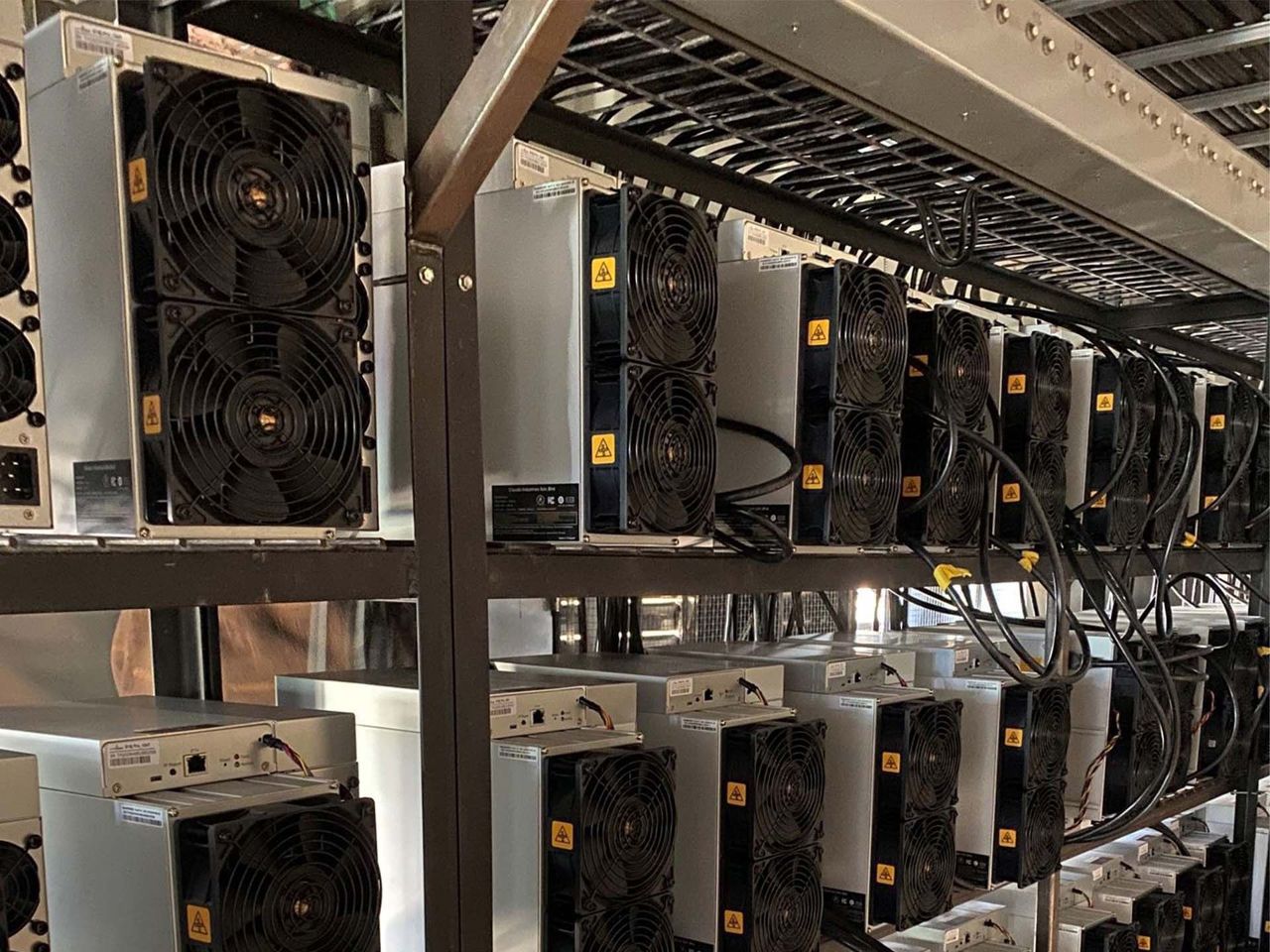
Malaysian police seize 30 Bitcoin miners in power theft crackdown
Two men are in custody following a raid in Seri Iskandar, where authorities discovered a clandestine Bitcoin mining operation powered by an illegal electricity connection. The operation, conducted alongside the national utility provider Tenaga Nasional Bhd, marks another step in Malaysia's intensifying campaign against energy theft.

Bitget Resumes Major Withdrawals Following $387M Security Breach
Bitget has restored BTC, ETH, and USDT withdrawals as it navigates the aftermath of a $387.5 million security incident. While the exchange works to stabilize operations and replenish its Protection Fund, it remains locked in a high-profile dispute with THORChain over the protocol's refusal to block stolen funds.

OKX Bitcoin holdings climb as exchange reports $27.4 billion in reserves
Customers increased their Bitcoin holdings on OKX by 5,466 BTC, pushing total user assets to 139,865 BTC as of the exchange’s September 8 snapshot. The 4.07% month-over-month rise highlights shifting user activity on the platform, which maintained a 109% reserve ratio for the world’s largest cryptocurrency.

Australia Ends Crypto Regulatory Grace Period
The Australian Securities and Investments Commission (ASIC) has officially closed its temporary no-action relief period for crypto firms, forcing businesses to either secure appropriate financial services licensing or face potential enforcement actions starting October 1.

Kalshi to End Trading Rewards Amid Scrutiny of Crypto Volumes
Conflict: Kalshi has moved to terminate its long-standing volume incentive program, a decision arriving just as the prediction market faces intense regulatory scrutiny over more than $5 billion in repetitive Ether perpetual futures trades that critics have characterized as artificial activity.

Coinbase Previews Trading of Physical Pokémon Card Packs
Coinbase is expanding its Everything Exchange strategy by allowing users to purchase and open Pokémon trading card packs directly through its app. The feature promises a digital interface for "ripping packs," with every virtual pull backed by a physical collectible that users can either vault in storage or request for delivery.

AllUnity Expands MiCA-Compliant Stablecoins With Dollar-Backed USDAU
Frankfurt-based AllUnity has launched USDAU, a US dollar-backed stablecoin available across six blockchain networks. Regulated under the European Union’s Markets in Crypto Assets (MiCA) framework, the token allows institutional clients to conduct cross-border settlements and foreign exchange through the company’s existing business infrastructure.

Binance Pay Integrates With Japan’s PayPay Network
Over 48 million overseas Binance Pay users can now spend cryptocurrency at millions of merchant locations across Japan. The integration, launched September 30 via the HIVEX payment network, allows international travelers to pay via QR codes while merchants continue to receive settlements exclusively in Japanese yen.

HSBC Unveils RedCoin Stablecoin for Hong Kong Market
Hong Kong’s largest lender, HSBC, has officially named its forthcoming stablecoin RedCoin, with plans to initiate a rollout in the second half of 2026. The bank intends to integrate the token directly into its PayMe and mobile banking platforms, focusing initially on consumer-facing transfers and merchant payments.

Robinhood to Launch Crypto Perpetual Futures With 10x Leverage
Robinhood is set to introduce crypto perpetual futures for U.S. customers, offering leverage of up to 10x on Bitcoin and Ether. The brokerage, operating through its registered futures commission merchant, plans to roll out the products in the coming months, marking a significant expansion into domestic derivatives trading.

Illinois Proposes Tax Rules for Crypto Transactions Starting 2027
Illinois residents face a 0.2% levy on digital asset transactions beginning January 1, 2027, under draft regulations released by the state’s Department of Revenue. The proposal clarifies how the tax applies to stablecoins, decentralized finance, and wallet transfers while carving out specific exemptions for non-fungible tokens.

Kalshi Eyes $40 Billion Valuation in Fresh Funding Push
Prediction market platform Kalshi is in advanced negotiations to secure approximately $1 billion in new capital, a move that would push the company’s valuation to $40 billion. This potential financing follows a rapid growth trajectory for the firm, which reached a $22 billion valuation just months ago in May.
Ripple and CSD BR Launch Blockchain Audit Layer for Brazilian Funds
CSD BR has begun mirroring investment fund records onto the public XRP Ledger, marking the first time a licensed central securities depository is using a public blockchain to provide an independent audit layer for regulated capital markets, starting with shares from BTG Pactual.

Fed Governor Barr Pushes for Rate Hikes as Market Conviction Cools
Federal Reserve Governor Michael Barr is pressing for further interest-rate increases to pull inflation toward the 2% target, even as market confidence in an October hike has slipped to 50%. The shift follows comments from New York Fed President John Williams, who signaled a more patient approach to policy adjustments.

Riot Platforms Settles $200 Million Coinbase Credit Facility
Riot Platforms has officially shuttered its $200 million Bitcoin-backed credit line with Coinbase Credit, fully repaying the outstanding principal and accrued interest as of September 21. The move effectively releases the company’s pledged assets, which included over 5,800 BTC, from the lender’s security interests following a voluntary prepayment.

GSN CEO calls for conduct-based rules on political memecoins
California’s enactment of AB 2409 has sharpened the debate over political memecoins, prompting Global Settlement Network CEO Ryan Kirkley to argue that regulators should target officials' financial conflicts rather than imposing broad, indiscriminate restrictions on digital asset markets.
Crypto ETFs See $2.39 Billion Inflow as Bond Yields Spike
Crypto investment funds attracted $2.39 billion in weekly inflows, successfully pushing year-to-date net flows back into positive territory. The surge in demand persisted despite a 4.3% retreat in Bitcoin to $83,500, triggered as U.S. ten-year Treasury yields climbed to 5.20%.

Bittensor subnet revenue climbs as commercial AI demand takes hold
Subnet operator revenue on the Bittensor network has surged from negligible levels to over $32 million within 18 months, according to Yuma chief revenue officer Evan Malanga. This growth, driven by real-world commercial contracts, signals a transition from speculative interest to tangible implementation in sectors like cybersecurity and industrial monitoring.

Falcon Finance executive challenges metrics for tokenized asset utility
Artem Tolkachev, chief RWA officer at Falcon Finance, argues that low onchain activity for tokenized real-world assets should not be conflated with market failure. He contends that for yield-bearing instruments like Treasury funds, simply holding the token in a wallet fulfills the investor's primary objective of earning passive income.

Trump eyes swift end to Iran conflict as Hormuz talks continue
Donald Trump declared the United States is on a path to victory in the conflict with Iran, predicting a resolution will arrive shortly. His remarks from the Oval Office follow ongoing back-channel discussions aimed at reopening the Strait of Hormuz, though no formal ceasefire or deal with Tehran has been reached.