All news

Report Links Rising Cuban Infant Mortality to Tightened US Embargo
A new report from the Center for Economic Policy and Research identifies the intensification of the 65-year US embargo against Cuba as the primary driver behind a 148% surge in the island's infant mortality rate, with researchers estimating that 1,800 additional infant deaths have occurred since 2018.
Trump Administration Reportedly Weighs Military Action Against Cuba
Conflict persists as sources indicate the Pentagon is quietly ramping up preparations for a potential strike against Cuba. President Donald Trump has openly suggested he may target the island, leading to widespread alarm among peace advocates and a formal vow of resistance from Cuban leadership.
US Imposes New Sanctions on Cuba Amid Humanitarian Crisis
The Trump administration has escalated its economic campaign against Cuba, imposing fresh sanctions on nine state-owned enterprises and three government officials. The move, aimed at the nation’s construction and mining sectors, draws sharp condemnation from critics who describe the policy as a lethal intensification of a decades-long embargo.

ZK Proving Hits GPU Bottleneck as AI Consumes Compute Supply
Zero-knowledge proving is increasingly locked in a competition for Nvidia hardware with trillion-dollar AI data centers, driving up costs for Ethereum rollups. Cysic CEO Leo Fan warns that the industry’s reliance on GPUs has created a binding constraint, forcing developers to look toward FPGAs and custom ASICs to survive.
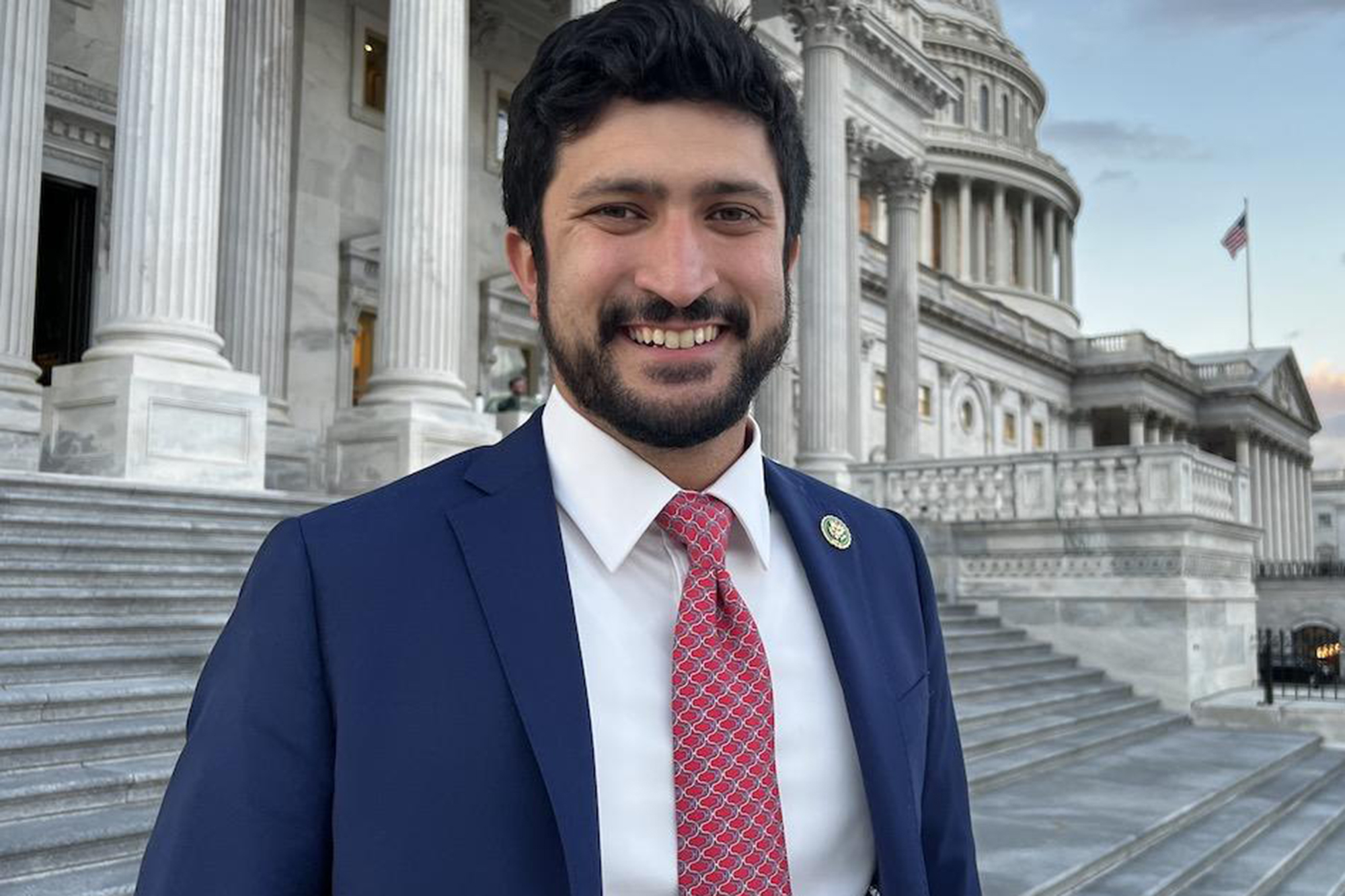
Congressman Casar Demands Closure of Dilley Detention Center
Five-year-old Liam Tadeo was pulled from his family’s car during an Austin traffic stop while en route to a soccer match. Now held at the South Texas Family Residential Center, his detention has prompted Representative Greg Casar to demand the immediate shuttering of the controversial for-profit facility.

Judge Orders Release of El Gamal Family from Texas Detention Center
A federal magistrate judge has ruled that the continued detention of Hayam El Gamal and her five children at a Texas facility violates the Constitution, prompting their attorney to demand an immediate end to their ten-month confinement despite ongoing resistance from federal authorities.

Solana Company Challenges Governance Proposals Over Institutional Risks
As voting opens on August 22 for Solana’s inaugural governance proposals, Nasdaq-listed Solana Company has drawn a line in the sand. The firm announced it will back the network's new constitution while actively opposing two economic measures that threaten to shift token issuance schedules and transaction fee models.

XRP Climbs 17% as Ledger Upgrade Gains Institutional Support
XRP surged to an intraday peak of $1.43, marking a 17% gain within 24 hours, as Ripple threw its weight behind the PermissionDelegationV1_1 amendment. This move pushes the proposed XRP Ledger upgrade further into the validator approval process, signaling a push toward more granular, institution-ready account controls.

Senate Democrats Accuse GOP of Orchestrating Multibillion Pharma Bailout
Sens. Ron Wyden and Catherine Cortez Masto have condemned a provision hidden within recent Republican budget legislation, characterizing it as a multibillion-dollar bailout for the pharmaceutical industry. The senators argue the move deliberately blocks Medicare from negotiating lower prices on blockbuster cancer treatments, including Keytruda and Opdivo.
Public Citizen Debunks Trump’s Claims on Prescription Drug Costs
President Donald Trump’s recent assertion that his policies triggered the largest year-over-year drop in prescription drug prices in six decades is facing sharp scrutiny. A new analysis from Public Citizen categorizes the administration's claims as either fabricated, grossly exaggerated, or entirely speculative, challenging the president's narrative of success.
Trump Administration Announces Medicare Drug Price Cuts via Biden-Era Law
The Trump administration on Tuesday unveiled newly negotiated prices for 15 prescription drugs covered by Medicare, utilizing the framework of the Inflation Reduction Act—a 2022 law that the president and his party previously campaigned to dismantle.

Besu Patches Five Security Flaws Discovered by CertiK
Ethereum client Besu has addressed five distinct security vulnerabilities identified by researchers at CertiK. The project team released version 26.7.1 on July 27, effectively closing critical gaps in networking, consensus, and RPC interfaces before publishing full technical advisories to prevent potential exploitation of the resource-exhaustion risks.
UK Judge Rejects Terrorism Sentencing for Palestine Action Activists
A British judge has ruled that five activists convicted of vandalizing a Barclays bank branch in Lancashire will not be sentenced under terrorism legislation. The decision follows a high-stakes legal debate over whether the group's protest actions against investments in Israeli defense firm Elbit Systems warranted extreme sentencing guidelines.

Standard Chartered suggests Bitcoin may exceed $100,000 year-end target
Following a 24% surge that pushed Bitcoin to $76,844, Standard Chartered is reevaluating its market outlook. Geoff Kendrick, the bank’s global head of digital asset research, now suggests their standing $100,000 year-end forecast may be too conservative as the cryptocurrency eyes a return to its $126,000 record high.
Solana Slashes Slot Time to 350ms in First Step Toward 200ms Goal
Solana has officially reduced its target slot time to 350 milliseconds, marking the first such adjustment since the network’s inception. This change serves as the opening phase of the SIMD-0525 proposal, a multi-stage roadmap designed to accelerate block production and ultimately drive slot durations down to 200ms.

Nomura’s Laser Digital Clears Japan’s Regulatory Hurdle
After a four-year hiatus in new crypto exchange registrations, Japan has approved Nomura-backed Laser Digital to operate within the country. This milestone marks a significant shift as the nation prepares to integrate digital assets into its formal financial-instruments framework, aligning them more closely with traditional securities.

Tether Abandons $120M Uruguay Bitcoin Mining Project
Tether has shuttered its Bitcoin mining operations in Uruguay, abandoning a $120 million investment after a protracted dispute with state utility UTE over electricity supply allocations. The closure marks a definitive end to what was once framed as the company’s premier South American mining hub.

Webot Targets Regulatory Compliance and Native AI Automation
With cryptocurrency oversight tightening across major jurisdictions, Webot is positioning itself as a hybrid solution by securing dual regulatory status in the U.S. and the EU. The exchange is betting that integrating automated trading bots directly into its infrastructure will appeal to users wary of third-party security risks.
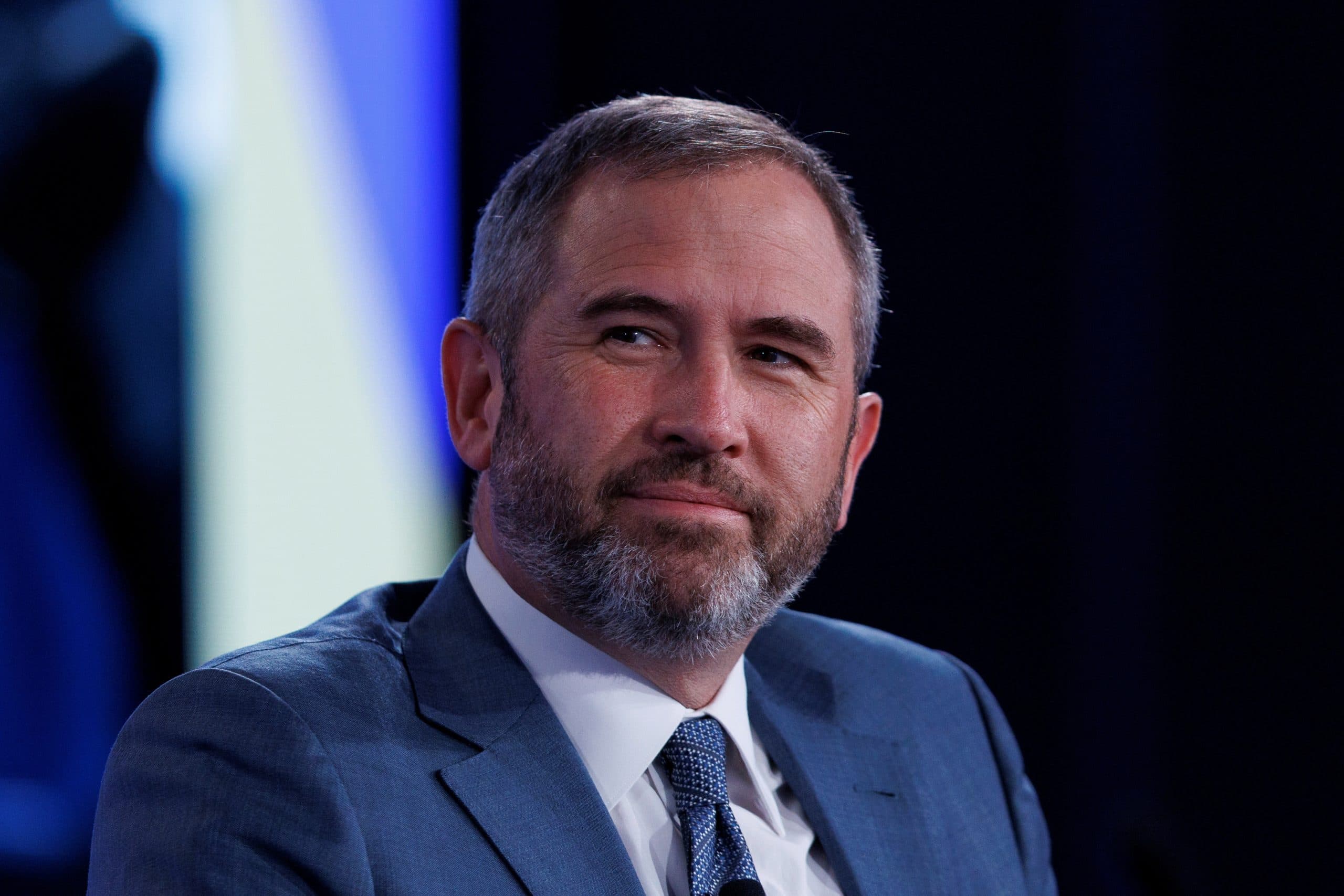
Ripple bets on AI to drive revenue growth and institutional scale
Speaking at the SALT Wyoming Blockchain Symposium on August 20, Ripple CEO Brad Garlinghouse projected that the company will more than double its annual revenue by 2026. He positioned artificial intelligence not as a replacement for human talent, but as a critical accelerant to improve operational speed and institutional service capacity.

Fidelity questions if AI agents will actually boost blockchain value
Fidelity Digital Assets has identified six critical risks that could decouple the rise of autonomous AI agents from the growth of public blockchains. While AI may drive massive transaction volumes, the firm warns that these networks might struggle to capture meaningful economic value compared to traditional, closed fintech systems.

Binance Continues EU Onboarding Despite Missing MiCA Licensing Deadline
More than seven weeks after the European Union’s July 1 MiCA licensing deadline, Binance is still verifying new customer accounts across the bloc. Despite lacking authorization from EU regulators and remaining absent from the official registry, the world’s largest crypto exchange continues to accept new users and cryptocurrency deposits.

Bitcoin Rally Triggers $1.84 Billion Surge on Upbit
South Korean crypto exchanges are seeing a rapid influx of retail capital as Bitcoin’s latest rally pulls traders away from domestic equities. Upbit’s 24-hour trading volume spiked 273% to $1.84 billion on August 21, marking its highest level since mid-March and signaling a potential shift in investor sentiment.

Aisha Wahab Defeats Millions in Outside Spending in California House Race
Progressive state Senator Aisha Wahab secured a victory in California’s special congressional election, overcoming millions of dollars in spending by AIPAC-affiliated super PACs. The win marks a significant test of grassroots organizing against heavy-spending outside groups in a district previously held by former Representative Eric Swalwell.

Hungary Repeals Harsh Crypto Prison Sentences
Conflict lead: Hungary has officially scrapped a controversial crypto-validation framework that once threatened users and service providers with up to eight years in prison. The move marks a sharp reversal of a 2025 crackdown, aligning the nation’s digital asset policies with broader European Union standards after significant domestic and regulatory friction.

Crypto trail cements conviction in Hong Kong trafficking case
A Hong Kong appeals court has upheld a 56-month prison sentence for Ma Zhihao, confirming his role in a human trafficking scheme that lured victims to Southeast Asia. Investigators secured the conviction by tracing ransom payments from a digital wallet directly to a crypto exchange account registered in Ma’s name.

Justin Sun Secures Procedural Win in World Liberty Legal Battle
A California federal judge has blocked World Liberty Financial’s attempt to force all claims from Justin Sun into private arbitration. U.S. District Judge James Donato ruled that Sun’s individual claims will proceed in open court, rejecting a bid to shield the high-stakes dispute over $45 million in frozen tokens from public view.

Crypto Mining Pool Poolin Files for Chapter 11 Bankruptcy
Facing liabilities of up to $500 million, Bitcoin mining operator Poolin Technology and two U.S. affiliates have filed for Chapter 11 bankruptcy protection in New Jersey. The move initiates a court-supervised asset sale process designed to address deep financial gaps and compensate a creditor base of up to 25,000 entities.
Ripple backs institutional credit fund for RLUSD working capital
A new institutional credit fund is set to provide working-capital loans denominated in Ripple USD, marking a strategic expansion for the stablecoin. The initiative, backed by Ripple, leverages infrastructure from Clearpool and credit management from Cicada Partners to facilitate lending for fintech and payments firms directly through the XRP Ledger.

South Korea Seeks Direct Investigative Powers Over Illegal Crypto Firms
South Korean lawmakers have introduced a legislative amendment to grant the Financial Intelligence Unit direct authority to investigate unregistered crypto businesses. The move aims to bypass current bottlenecks, as police have suspended inquiries into 23 of the 25 unregistered operators referred by the regulator between August 2022 and August 2025.
Strategy Bitcoin Treasury Flirts with Profitability After Price Rally
Bitcoin’s recent 8.5% daily surge pushed the asset above Strategy’s $75,385 average acquisition price on August 21, briefly moving the firm’s massive treasury into the black. With 840,447 BTC held, the company saw its unrealized gains jump to approximately $192 million before subsequent market fluctuations narrowed the surplus.