All news

Bitcoin Miners Face Divergent September Results
September production figures reveal a mixed landscape for major Bitcoin miners, as CleanSpark and BitFuFu saw output declines while Canaan stabilized its performance. These companies are navigating shifting treasury strategies and capital-intensive infrastructure projects that continue to reshape their balance sheets and market outlooks.

Ilhan Omar’s Office Denounces Reported Citizenship Revocation Plot
Representative Ilhan Omar’s office has condemned the Trump administration following reports of a federal investigation aimed at stripping the Minnesota Democrat of her U.S. citizenship. The Department of Homeland Security recently raided the congresswoman’s home, a move her staff describes as a desperate attempt to silence a political opponent.

Institutional Buying Drives First US Net Bitcoin Inflow Since 2022
The United States saw a return to net Bitcoin inflows for the first time since 2022, fueled by large-scale institutional acquisitions. According to Chainalysis, transfers exceeding $10 million accounted for 53,200 BTC in net arrivals during the 12 months ending June 2026, offsetting consistent outflows from smaller retail-sized transactions.

Ripple and Cross River Bank Integrate RLUSD for Core Banking
Ripple has finalized a partnership with Cross River Bank to bridge its RLUSD stablecoin into standard financial operations. By integrating the asset into the bank’s Core Operating System, the collaboration enables fintech firms to execute dollar transfers, cross-border payments, and round-the-clock settlements via a single API connection.

Three-Quarters of US Voters Oppose Legal Immunity for Big Oil
Seventy-five percent of likely voters reject legislation designed to shield fossil fuel companies from climate-related lawsuits, according to a recent Data for Progress poll. Despite a concerted push from Republican lawmakers and the oil industry to grant such immunity, public consensus remains firmly against removing corporate accountability for environmental damages.
Trump DOJ Intervenes to Block Minnesota Climate Fraud Lawsuit
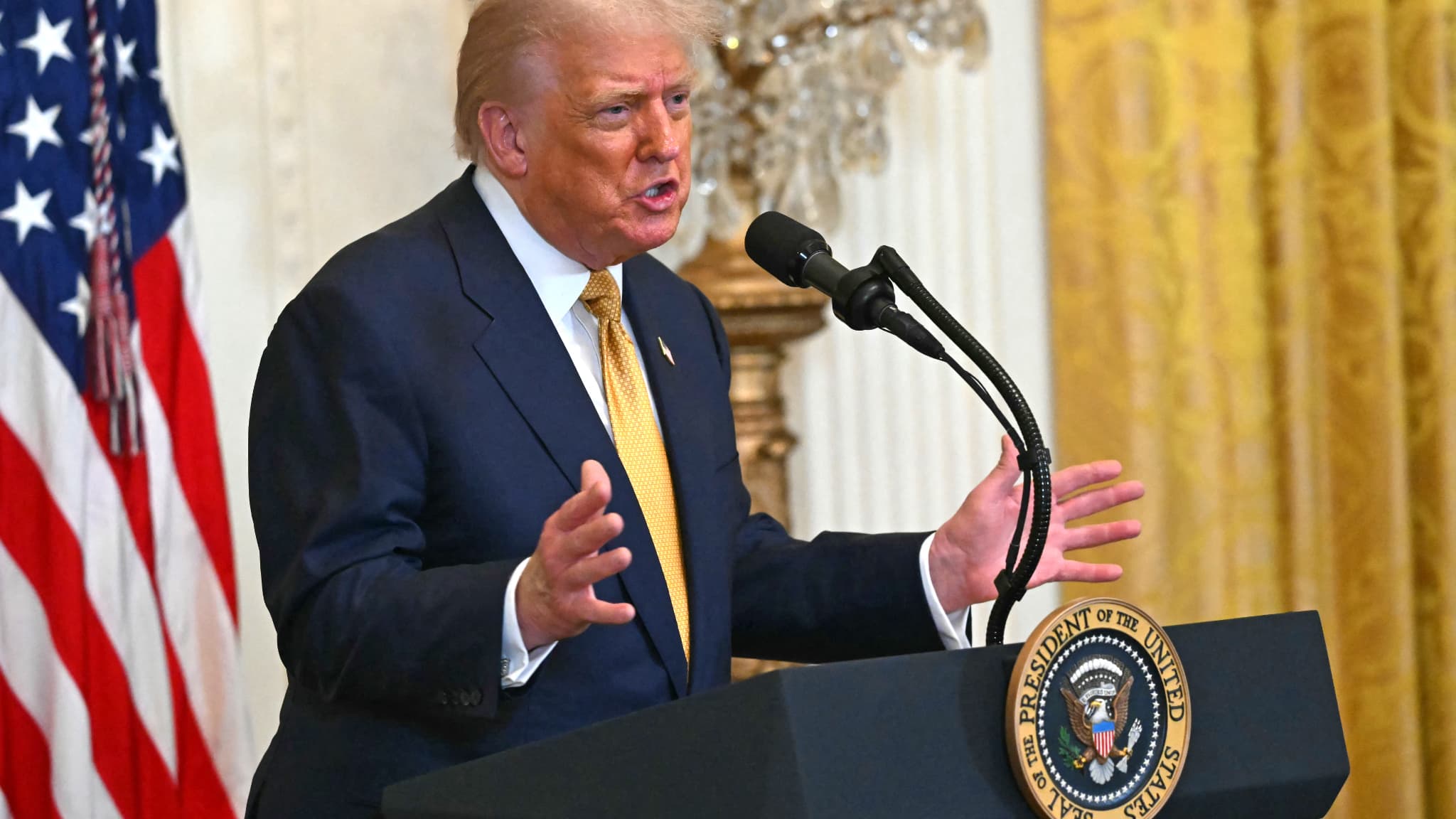
The Department of Justice filed a complaint in federal court Monday to halt Minnesota’s long-running climate deception case against major oil companies. The move marks a significant escalation in the federal government’s effort to shield the fossil fuel industry from state-level litigation regarding climate change accountability and corporate transparency.
California Launches Landmark Climate Lawsuit Against Oil Giants
California has formally sued five of the world’s largest oil and gas companies, alleging a multi-decade campaign of deception regarding the climate risks posed by fossil fuels. By targeting industry titans in a San Francisco court, the state seeks to force corporate accountability for mounting climate-related recovery costs.

Senators Press DOJ to Pursue Fossil Fuel Giants Over Climate Deception
Drawing parallels to the landmark litigation against Big Tobacco, a coalition of progressive senators is demanding that the Department of Justice launch a federal racketeering case against major oil companies for their decades-long campaign to obscure the climate risks of fossil fuel consumption.

Russia Sets 2027 Deadline to End Direct Peer-to-Peer Crypto Trading
Starting July 1, 2027, Russia will prohibit direct peer-to-peer cryptocurrency transactions between individuals. Under new central bank guidance, residents must shift all trading activity to authorized intermediaries, while strict limitations on transferring digital assets from regulated accounts to personal noncustodial wallets will take effect simultaneously.
Donors to Trump's White House Ballroom Linked to Federal Favors
A newly disclosed list of 57 major donors to Donald Trump’s White House ballroom project reveals a pattern of financial contributions coinciding with presidential pardons, dropped federal investigations, and lucrative government contracts. Critics argue the $333 million in private funding functions as a pay-to-play scheme within the administration.
Voters Rank Corruption Above Inflation as Top Concern for 2026 Midterms
A Fox News poll released Wednesday finds that 60% of voters are extremely concerned about government corruption, placing the issue ahead of inflation and gas prices. This shift in voter priorities suggests a significant political headwind for Republicans, who currently trail Democrats by nine points on the generic congressional ballot.
Trump’s Net Worth Triples to $6.5 Billion Amid Crypto-Driven Surge
President Donald Trump has seen his personal wealth explode from $2.34 billion in 2024 to an estimated $6.5 billion in 2026. Economist Steve Rattner, analyzing the surge during an appearance on MS NOW, described the administration as the most brazenly self-enriching in American history, citing complex crypto ventures as a primary driver.

Grayscale and Republic Partner to Open Crypto Funds to Retail Investors
Grayscale has launched a partnership with investment platform Republic, lowering the barrier to entry for three specialized crypto products to a $2,500 minimum investment. The agreement allows eligible participants to gain exposure to decentralized finance, artificial intelligence, and data network assets without the technical burden of managing individual digital tokens.
Senators Launch Legislative Bid to Halt Saudi Nuclear Pact
Senators Ed Markey and Jeff Merkley are moving to block a proposed nuclear energy agreement between the United States and Saudi Arabia, citing fears that the deal lacks essential safeguards to prevent the proliferation of atomic weapons in a volatile region.

Pentagon Delays Report on Deadly Minab School Strike Until After Midterms
Top Pentagon officials have moved to postpone the release of an investigation into a US missile strike on an Iranian elementary school that killed 120 children. The findings, which reportedly link the tragedy to flawed intelligence and AI-driven targeting errors, will remain under wraps until after the upcoming midterm elections.

Binance US Seeks $100 Million to Fund American Market Expansion
Binance US is courting investors for a $100 million capital injection, aiming for a valuation near $1 billion. This fundraising effort arrives as the exchange attempts to claw back market share from rivals like Coinbase and Robinhood while navigating a complex landscape of regulatory hurdles and shifting product strategies.

Solana Struggles for Momentum After Testing $100 Support
Solana climbed back to $106.20 on October 15 after dipping to an intraday low of $100.62. Despite this modest recovery, the asset faces significant technical headwinds, with negative daily momentum and a series of overhead moving averages threatening to stall further gains in the current market environment.
US Families Face $4,700 Burden as Trump Economic Policies Stumble
A new report from the congressional Joint Economic Committee reveals that policies enacted during the first two years of President Donald Trump’s second term have cost the average American family $4,700, driven by escalating energy prices, record-high insurance premiums, and a persistent surge in essential grocery costs.

Earth's Climate Systems Nearing Irreversible Tipping Points
Scientists warn that Earth is drifting into uncharted territory as vital life-support systems buckle under human-driven pressure. The 2026 State of the Climate Report, published in BioScience, characterizes the current environmental destabilization not as a looming future threat, but as a severe, ongoing diagnosis of our present reality.

First Manhattan Prioritizes Data Structure Over AI Tool Sprawl
For Graham Clifford, the partner and CTO at First Manhattan, the rush to adopt artificial intelligence often misses the mark by prioritizing disparate tools over a unified information strategy. He argues that the true value of AI in wealth management relies on the integrity of the data foundations underneath.

HSBC Launches Digital Training for Ultra-Wealthy Heirs
With trillions of dollars in global wealth poised to shift between generations, HSBC Private Bank is partnering with the MIT Sloan School of Management to launch the Future Family Leaders Digital Programme. The six-week course aims to equip heirs aged 23 to 30 with the governance skills required for succession.
Starknet Rallies 25% as Governance Vote on Layer-1 Independence Begins
Starknet surged nearly 25% on October 15, reaching $0.096 after a volatile session saw the price dip to $0.0718. The rebound coincides with the launch of a seven-day community poll gauging interest in researching a potential transition to an independent, quantum-resistant layer-1 blockchain architecture.

Curve Finance Lending Surges as Collateral Yields Drive Demand
Curve Finance active loans climbed 68% to $70.9 million during the third quarter of 2026, defying a broader DeFi market trend where total lending volume remains roughly 13% below 2025 closing levels. The protocol’s growth was driven largely by demand for yield-bearing collateral strategies via LlamaLend v2.

Episode Six integrates real-time backing checks for tokenized deposits
Austin-based fintech firm Episode Six has introduced Verified Backing, a security layer designed for bank-issued stablecoins and tokenized deposits. The system executes automated, real-time validation checks at the exact moments of token issuance and redemption, ensuring that digital assets remain fully collateralized throughout their lifecycle within the bank's internal ledger.

Energy Analysts Dispute Speaker Johnson’s Claims on Gas Price Stability
House Speaker Mike Johnson characterized the recent surge in fuel costs as a temporary disruption linked to military operations in Iran, yet energy experts warn that the closure of the Strait of Hormuz signals a prolonged period of economic instability for American households facing rising utility and grocery bills.
Warren Criticizes Iran War Costs as Spending Approaches $19 Billion
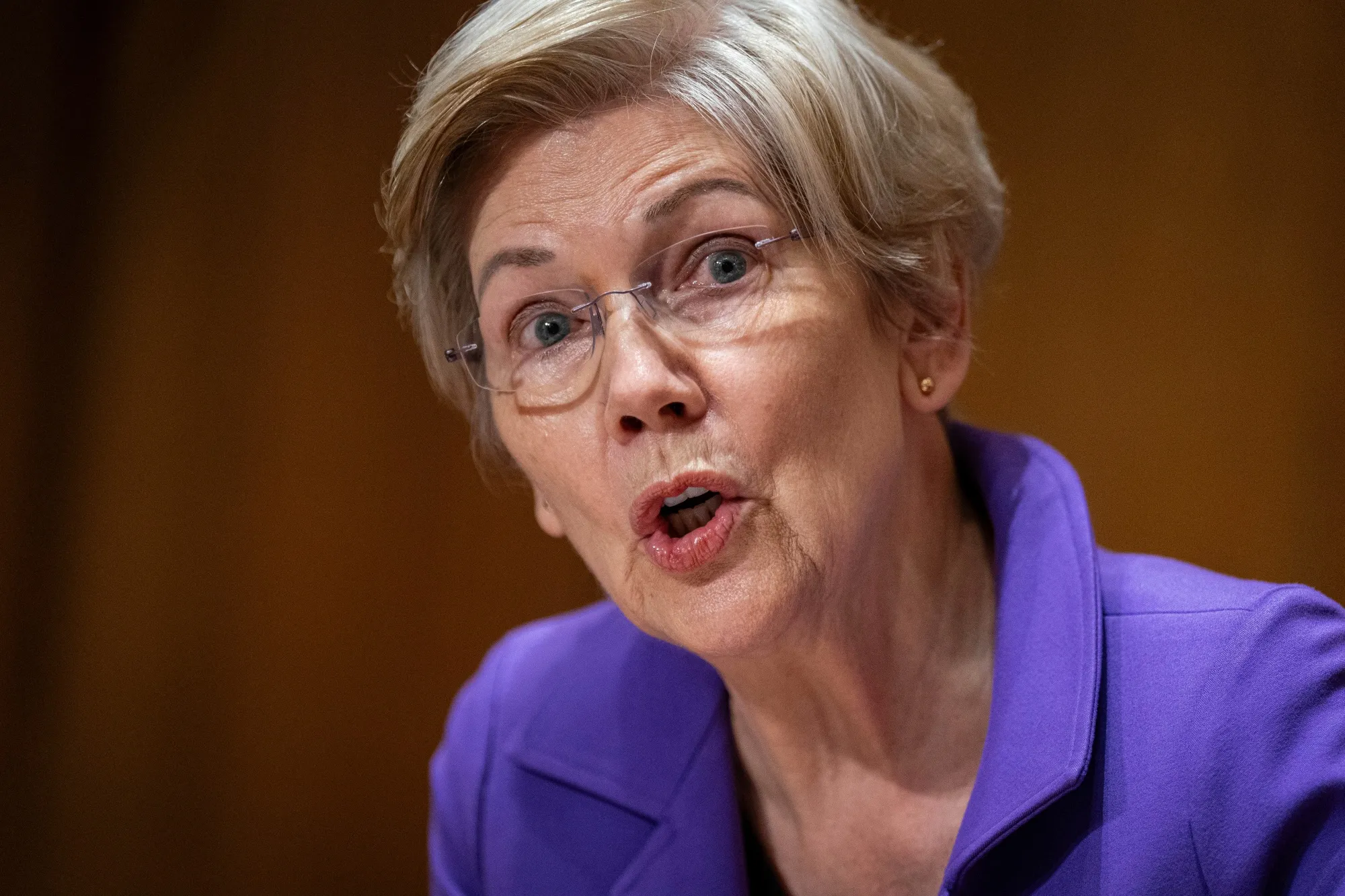
With war expenditures in Iran climbing toward $19 billion in less than two weeks, Senator Elizabeth Warren is challenging the fiscal trade-offs of the current conflict. The Massachusetts Democrat argues that the daily billions drained by military operations represent a choice to prioritize overseas intervention over urgent domestic healthcare and economic stability.
Kristi Rogers Faces Scrutiny Over $10 Gas Card Handouts in Detroit
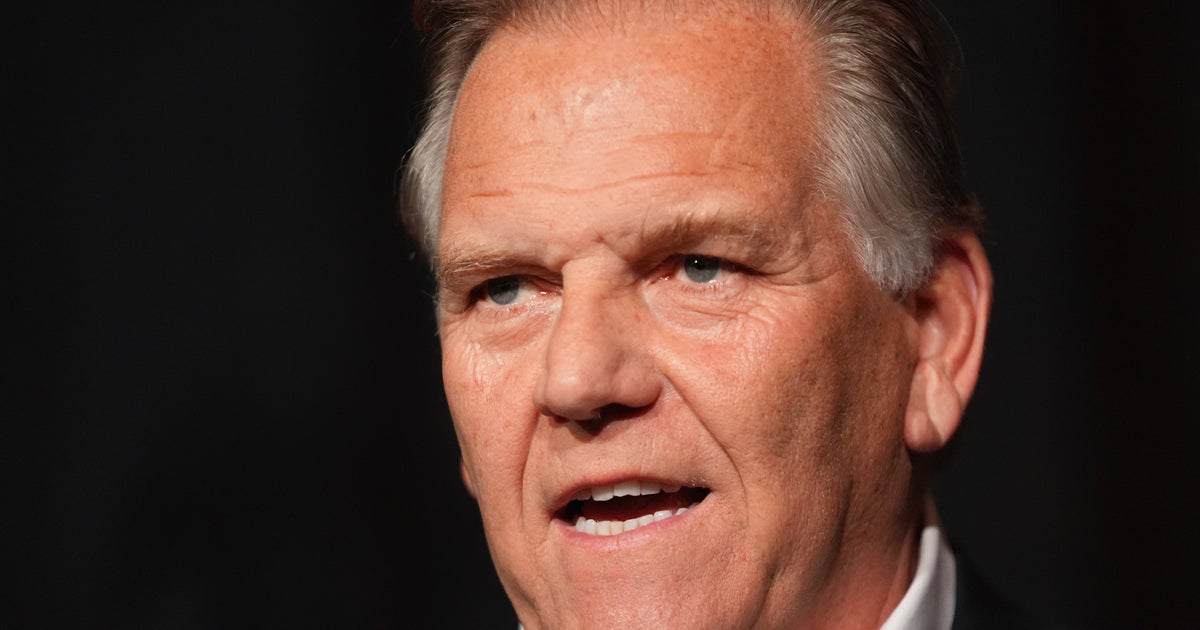
Kristi Rogers, wife of Republican Senate candidate Mike Rogers, sparked controversy Wednesday by distributing $10 gas cards at a Detroit fuel station. The campaign maneuver, intended to highlight a proposal to suspend fuel taxes, has drawn sharp criticism regarding its legality and optics as Michigan gas prices hit $4.58 per gallon.
Trump Abandons Plan to Livestream Fort Hood Shooter Execution
Facing a nationwide backlash, President Donald Trump scrapped plans to broadcast the December 3 execution of Nidal Hasan, the former Army psychiatrist convicted in the 2009 Fort Hood massacre. While the president maintained the display could have served as a deterrent, he acknowledged widespread public discomfort with the proposal.
Bitcoin Slides as Producer Inflation Data Stirs Rate Hike Fears
Bitcoin retreated 3.6% to trade near $81,500 following a sharp uptick in U.S. producer prices. The September data, showing the largest monthly increase since March 2022, reignited market anxieties that the Federal Reserve may push interest rates higher at its upcoming October policy meeting.
Rising Discontent Among Independents and Rural Voters Threatens GOP
A wave of new polling data reveals a deepening crisis for the Republican Party, as core constituencies—including rural voters and independents—turn against President Donald Trump’s economic management. With inflation rising and real wages in decline, the political landscape suggests a potential reckoning in the upcoming midterm elections.