All news

US House Committee to Debate Future of Sports Prediction Markets
The House Agriculture Committee is set to scrutinize sports prediction markets as gaming associations lobby for a federal ban on contracts offered by platforms like Kalshi and Polymarket. The hearing pits the advocates of existing federal derivatives oversight against industry groups claiming these platforms operate as unlicensed, nationwide gambling services.

Federal Judge Halts $110 Billion Paramount-Warner Bros. Merger
A federal judge on Monday issued a 14-day restraining order blocking the $110 billion merger between Paramount and Warner Bros., siding with a coalition of Democratic state attorneys general who argued the consolidation would create an unlawful monopoly in theatrical distribution.

Shareholders Back $110 Billion Warner Bros.-Paramount Megamerger
With the overwhelming approval of Warner Bros. Discovery shareholders on Thursday, a massive $110 billion media consolidation moves one step closer to reality. The deal, which unites the media giants, now faces a gauntlet of intense regulatory scrutiny and mounting public backlash over concerns regarding industry monopolization and democratic oversight.

One Year Later: GENIUS Act Faces Implementation Gridlock
One year after President Donald Trump signed the GENIUS Act into law, federal regulators have missed their statutory deadline to finalize key stablecoin rules. While the legislation provided a foundational legal framework that encouraged institutional adoption, the failure to complete necessary rulemaking has left firms navigating a persistent landscape of compliance uncertainty.

Indian Police Crack Down on Youth-Led 'Cockroach' Protests in Delhi
Thousands of protesters rallying under the banner of the Cockroach Janta Party faced a brutal police crackdown in New Delhi on Monday. Officers deployed tear gas and batons to disperse the youth-led march toward Parliament, where demonstrators demanded the resignation of Education Minister Dharmendra Pradhan over systemic exam failures.

Progressive Wave Challenges Thanedar in Michigan Primary
With the August 4 primary looming, Michigan’s 13th Congressional District has become a high-stakes battleground where Donavan McKinney is consolidating progressive support against incumbent Shri Thanedar, even as House Democratic leadership doubles down on their backing of the sitting congressman.
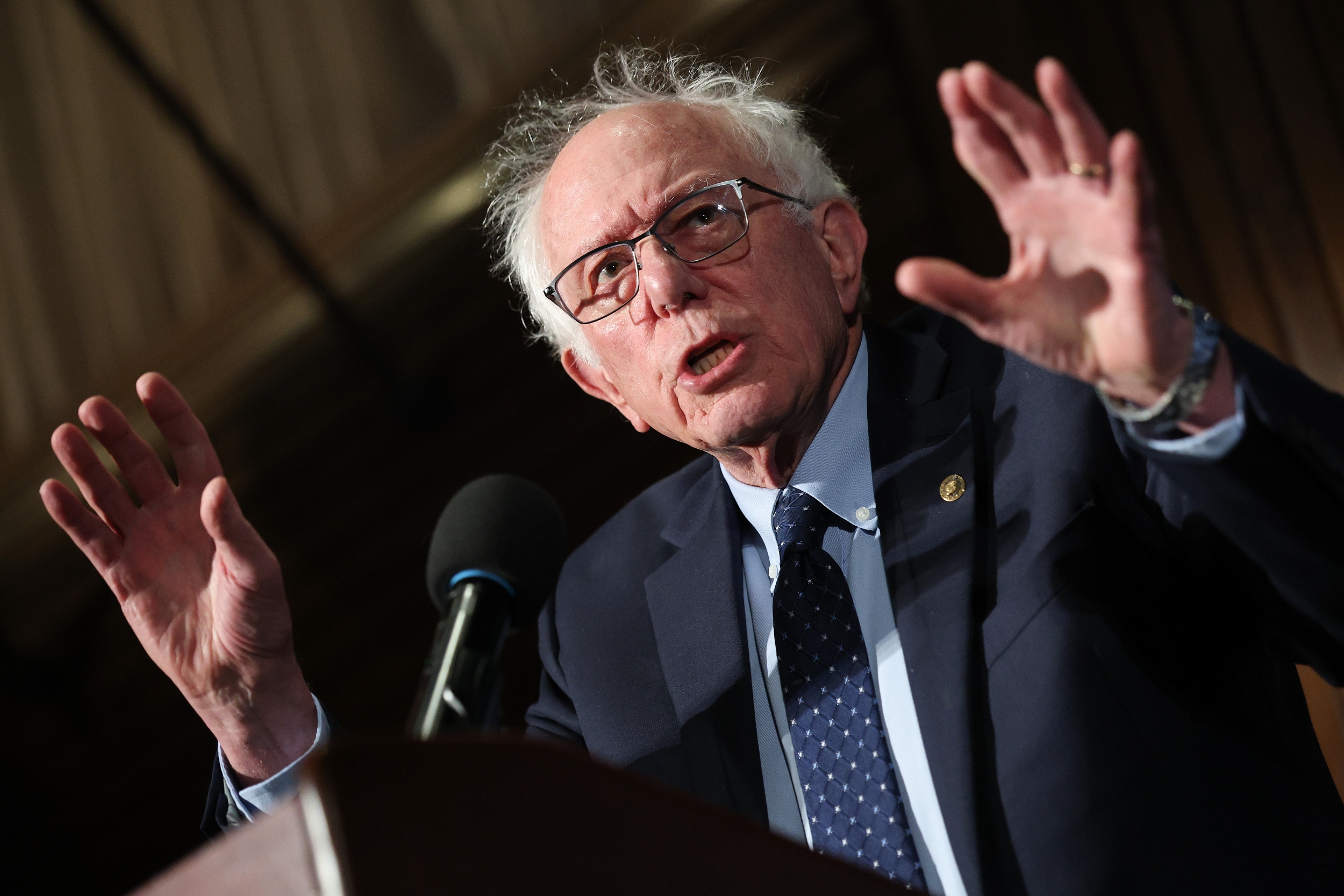
Bernie Sanders Backs Donavan McKinney in Michigan Primary Challenge
Senator Bernie Sanders has thrown his weight behind Donavan McKinney, a progressive state representative challenging incumbent Democratic Congressman Shri Thanedar. The endorsement targets Michigan’s 13th Congressional District, positioning McKinney as a grassroots champion against the corporate influence and personal wealth that define his opponent’s political career.

Rashida Tlaib Backs Primary Challenge Against Shri Thanedar
U.S. Representative Rashida Tlaib has thrown her support behind state lawmaker Donavan McKinney, marking the first major congressional intervention in the Democratic primary for Michigan’s 13th District. Tlaib’s endorsement signals a deepening rift within the party as she seeks to unseat incumbent Shri Thanedar ahead of the 2026 election cycle.

Changpeng Zhao contrasts Bitcoin scarcity with AI investment cycle
“AI is great, but it does not protect you against inflation. Bitcoin does.” With this distinction, Binance founder Changpeng Zhao has challenged the narrative that artificial intelligence investments offer a comprehensive financial hedge, positioning Bitcoin’s 21-million-coin supply cap as a superior shield against the erosion of purchasing power.

Nigeria moves to rein in $59 billion crypto market with executive order
President Bola Tinubu has signed an executive order establishing a unified framework for Nigeria’s cryptocurrency sector, a move aimed at closing regulatory gaps that allowed $59 billion in inflows to move through the country largely unchecked between mid-2023 and mid-2024, according to International Monetary Fund data.

Warren Backs El-Sayed as AIPAC Spending Intensifies Michigan Primary
With the Michigan Democratic primary just two weeks away, Senator Elizabeth Warren has endorsed Abdul El-Sayed, positioning him as a firewall against the massive corporate spending fueling his opponent, Representative Haley Stevens. The move intensifies a clash between progressive grassroots organizing and the heavy financial influence of the party establishment.

Hackers Target Kenyan President's Website With Bitcoin Ransom
Digital attackers seized control of president.go.ke on July 18, replacing the homepage with insulting messages and a demand for 5 Bitcoin. The breach prompted an immediate shutdown of the portal as Kenyan authorities launched a forensic investigation into how the intruders bypassed established security protocols to reach the presidential domain.
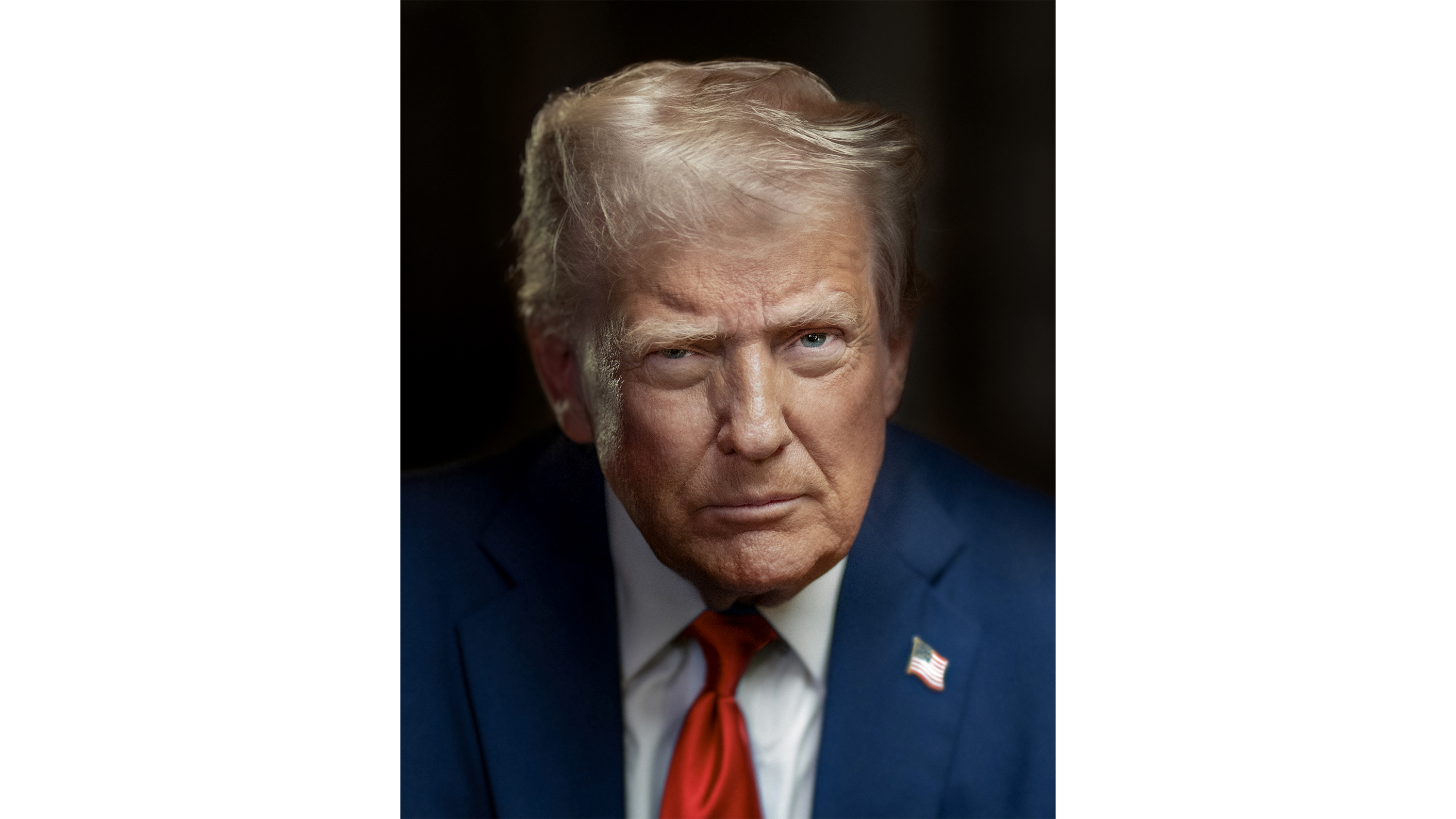
Senate Democrats Detail Alleged Profiteering in Trump White House
A group of Democratic senators issued a report Monday alleging that President Donald Trump and his family have systematically leveraged the presidency to generate billions in personal wealth. The document, titled The Cost of Corruption, claims the administration has prioritized private financial gain over the economic stability of American working families.

Crypto VC Funding Holds at $1.2 Billion as DeFi Interest Wanes
Crypto startups secured $1.2 billion in funding during July, even as deal volume tightened significantly. While capital remains accessible for major exchanges and AI-focused ventures, the broader venture market is shifting, with decentralized finance projects hitting their lowest quarterly investment levels in years.

Private Aviation: The High-Altitude Barometer of Global Wealth
Private aviation remains a mirror for the ultra-wealthy, where fleet expansion signals confidence and usage rates track the mood of the global elite. While the market is currently experiencing robust growth, recent fuel shortages in the French Riviera have exposed a fragility in the infrastructure supporting this exclusive industry.

SEC Sues Mining Automatic Over $22 Million Crypto Fraud
Promising guaranteed monthly returns, Mining Automatic allegedly funneled $22 million from over 380 investors into a shell game rather than the crypto mining operations it advertised. The SEC now seeks to permanently bar the Florida-based firm and its owner, Zan Shaikh, following a two-year investigation into the scheme.

Bitcoin Miners Pivot to AI as Hut 8 and IREN Ink Billions in Deals
Former Bitcoin miners are rapidly transforming into AI infrastructure giants, with Hut 8 securing a second $9.8 billion lease at its Texas data center and IREN adding $2.8 billion in new contracts. The announcements highlight a strategic shift as power-rich mining firms pivot to accommodate surging global demand for computing capacity.

Houthis Impose Red Sea Embargo on Saudi Arabia
Conflict has reached a critical juncture in the Red Sea as Houthi rebels in Yemen announced an immediate maritime embargo against Saudi Arabia. The move, framed as retaliation for the recent bombing of Sanaa Airport, threatens to further paralyze global oil transit at a time of extreme market fragility.

Pentagon Conceals Military Casualties Amidst Escalating Iran Conflict
The Pentagon repeatedly suppressed reports of dozens of U.S. service members injured during recent Iranian strikes in Jordan, continuing a pattern of data obfuscation. These undisclosed attacks occurred in the days preceding a fatal assault on Friday that left two soldiers dead and one missing, further clouding the true scope of the conflict.
The GENIUS Act’s First Anniversary Is a Broken Promise
The GENIUS Act, signed into law on July 18, 2025, promised a clear regulatory future for the $300 billion stablecoin industry. Yet, as the one-year deadline for federal agencies to finalize rules passed this Saturday, not a single regulation was complete, leaving issuers to navigate a landscape of uncertainty.
Justice Department Shifts Toward Leniency for Corporate Wrongdoing
Under President Donald Trump, the Justice Department has pivoted away from aggressive corporate prosecution, opting instead for deferred agreements and dropped charges. This systemic retreat leaves a trail of abandoned cases involving major firms, raising alarms among consumer advocates regarding the erosion of corporate accountability and oversight.

Andrew Cuomo joins OKX board to steer U.S. institutional push
Former New York Governor Andrew M. Cuomo has joined the board of directors at cryptocurrency exchange OKX, formalizing a relationship that began with his advisory work in 2023. The appointment underscores the company’s strategic effort to bridge traditional financial infrastructure with the digital asset ecosystem.
Strategy Beefs Up Cash Reserves via $263.5M Stock Sale
Strategy bolstered its dollar reserves by $263.5 million this week, selling 2,732,318 shares of its common stock while leaving its massive Bitcoin hoard untouched. The move marks a second consecutive week of equity-driven fundraising as the company prioritizes liquidity for dividend and debt obligations.

BitMine Nears 5% Ethereum Supply Goal After Latest Treasury Buy
BitMine Immersion Technologies has added 7,430 ETH to its corporate coffers, bringing its total holdings to 5,777,468 tokens. The firm now controls approximately 4.8% of Ethereum’s total supply, moving within striking distance of its stated goal to secure 5% of all circulating tokens through its aggressive treasury strategy.

The accidental rescue: How crypto caught a bank bailout
When Silicon Valley Bank collapsed in March 2023, the US government triggered an obscure legal override to prevent a broader financial contagion. The move unintentionally saved the stablecoin USDC, which had $3.3 billion trapped in the failing institution, sparking a false belief that the state acts as crypto’s lender of last resort.

Zilliqa halts ZIL transfers following exchange cold wallet breach
A suspected cold wallet compromise at an unnamed exchange partner has triggered a network-wide suspension of ZIL deposits and withdrawals. Zilliqa developers confirmed the theft of tokens from the partner's storage, forcing trading platforms to restrict asset movement while investigators attempt to determine the scope of the breach.

Vietnam Imposes Fines on Unlicensed Crypto Trading
Investors in Vietnam face penalties of up to $1,900 for trading on unauthorized cryptocurrency platforms as the government enforces strict new regulations. Decree No. 284/2026/NĐ-CP, effective September 1, signals a shift toward a controlled domestic market, aiming to curb offshore activity and bolster local oversight of digital assets.

Crypto Institutions Pivot From Audits to Live Security Monitoring
Institutional investors are abandoning the traditional reliance on point-in-time smart contract audits, shifting their focus toward continuous monitoring and infrastructure resilience. This change follows data showing that compromised keys and signer infrastructure—not code flaws—accounted for 88.3% of the $764 million lost to exploits during the second quarter of 2026.
Capital B Sets September Date for 10-for-1 Reverse Stock Split
Capital B will consolidate its stock at a 10-for-1 ratio beginning September 8, a move the French company says is designed to attract a wider pool of institutional investors. The shift reduces total outstanding shares from over 300 million to approximately 30 million, while keeping the aggregate value of holdings intact.

State Duma readies final vote on sweeping Russian crypto legislation
With a pivotal vote scheduled for Tuesday, July 21, the Russian State Duma is poised to push its primary cryptocurrency bill through its second and third readings. The legislation, titled “On Digital Currency and Digital Rights,” aims to codify a regulatory framework for digital assets while maintaining strict domestic payment bans.