Cryptocurrency

Changpeng Zhao contrasts Bitcoin utility against massive AI spending
“AI is great, but it does not protect you against inflation. Bitcoin does,” declared Binance co-founder Changpeng Zhao this week, framing a fundamental divide between speculative capital flowing into artificial intelligence infrastructure and the fixed-supply thesis long championed by cryptocurrency proponents.

Former Fidelity Manager Warns AI Bubble Risks Dot-Com Scale Collapse
Former Fidelity fund manager George Noble warns that a potential burst in the AI bubble could trigger financial damage 17 times greater than the dot-com collapse. As capital spending on infrastructure surges, investors are increasingly questioning whether projected earnings can justify the massive outlays currently fueling the sector.
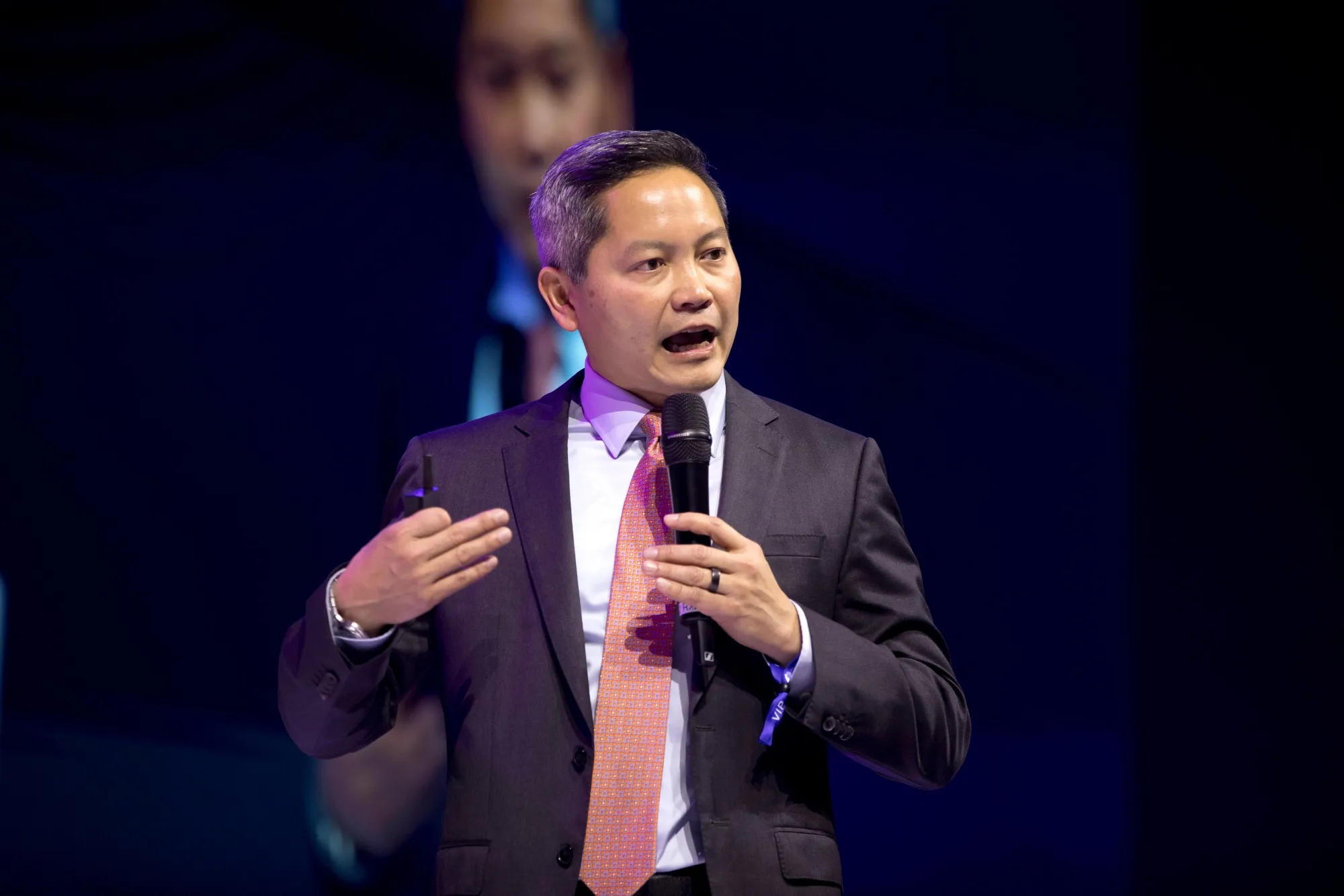
Strategy CEO Phong Le Ties Future Bitcoin Buys to STRC Recovery
Strategy CEO Phong Le has conditioned the company's next Bitcoin acquisition on its preferred stock, STRC, returning to its $100 par value. As the security currently trades near $87, the firm is prioritizing cash liquidity over immediate expansion of its massive 843,775 BTC stash to bolster investor confidence.

Coinbase and Ripple capture European market as MiCA forces shift
The July 1 implementation of the Markets in Crypto-Assets (MiCA) regulation has triggered a seismic shift in the European digital asset landscape. As Binance and other unlicensed platforms scale back services to meet the new compliance bar, Coinbase and Ripple have emerged as the primary beneficiaries of the resulting user migration.

Ault Capital builds sovereign settlement layer to bypass banking barriers
After facing abrupt account closures that threatened his business operations, founder Todd Ault is launching a Cosmos-based Layer-1 blockchain. The network aims to provide institutional-grade settlement infrastructure, effectively insulating compliant companies from the volatility of traditional banking relationships that have increasingly restricted access to digital asset firms.

SBI Group and Ondo Finance Partner to Tokenize Japanese Securities
Japan’s financial giant SBI Group is joining forces with Ondo Finance to bridge domestic stocks with global blockchain markets. The collaboration aims to tokenize Japanese financial products while utilizing the yen-backed JPYSC stablecoin as a primary mechanism for settlement and collateral within the firm's expansive digital ecosystem.

The exodus from centralized crypto exchanges
When Binance shuttered parts of its European service this July, regulators expected a mass migration to other compliant exchanges. Instead, internal data reveals a different trend: 70% of withdrawn funds bypassed rival platforms entirely, landing instead in personal self-custody wallets, signaling a significant shift in how traders manage digital assets.

Polygon Labs cuts staff to finalize Coinme integration
Polygon Labs has initiated another round of layoffs as the company pivots toward a payments-focused business model. CEO Marc Boiron confirmed the restructuring aims to secure profitability by 2027, even as the firm integrates the Coinme exchange and wallet provider Sequence to build its vertical payment infrastructure.
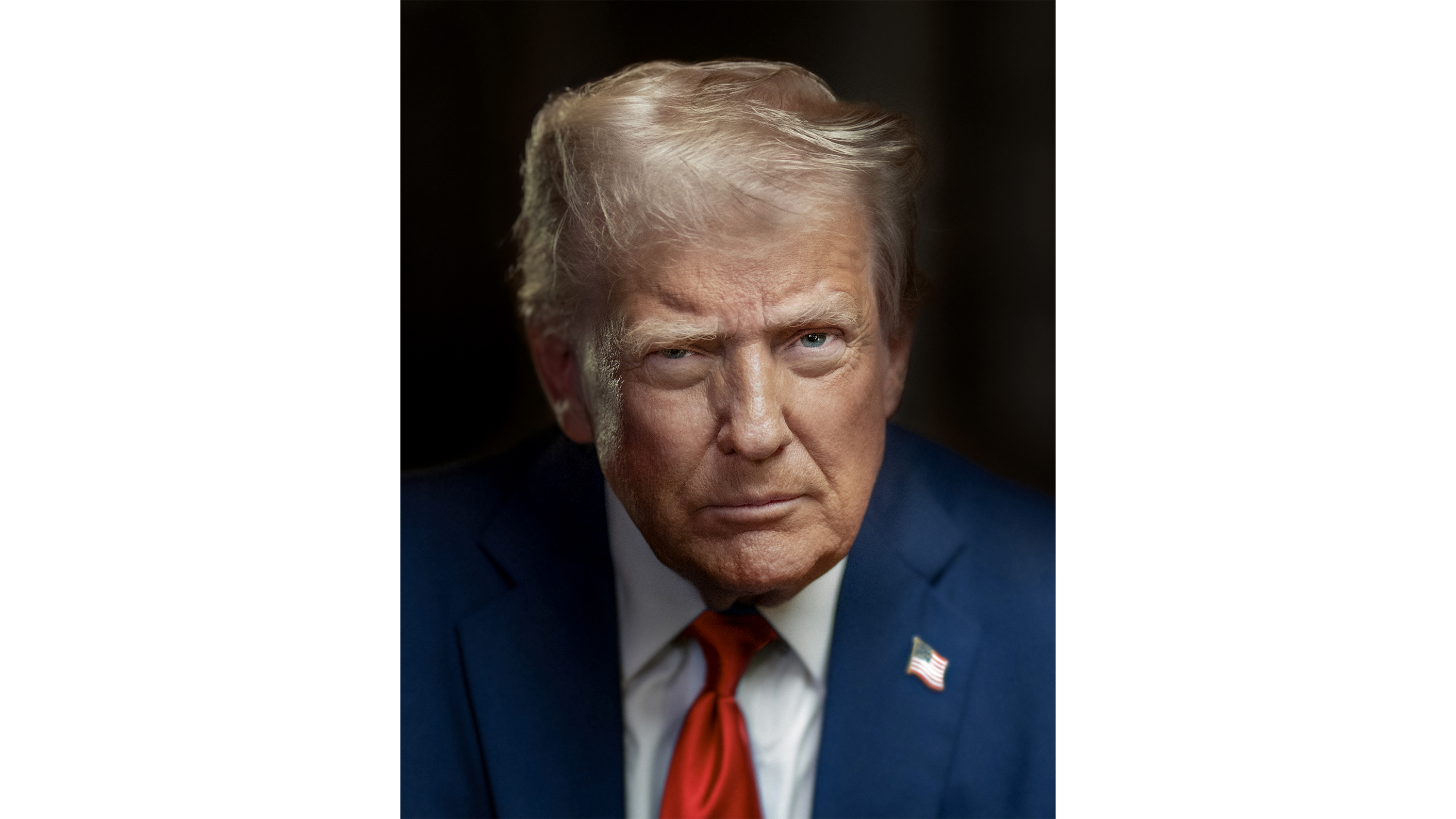
Trump Pushes Senate on Crypto Bill Amid Ripple Warning
President Donald Trump is convening Republican senators at the White House to break the deadlock on the CLARITY Act, a legislative push aimed at defining crypto oversight before the August recess. As political maneuvering intensifies, Ripple executives warn that failure to act leaves the industry vulnerable to another systemic collapse.

ARK and a16z Clash Over the Future of Institutional Blockchain
A high-stakes debate has emerged between ARK Invest and a16z crypto regarding how traditional financial giants will integrate blockchain technology. While a16z predicts banks will favor private, controlled systems to maintain regulatory oversight, ARK contends that public networks and DeFi protocols have already secured the infrastructure necessary for institutional dominance.
Changpeng Zhao Draws a Dividing Line Between Bitcoin and AI
As investors weigh the merits of artificial intelligence against digital assets, Binance co-founder Changpeng Zhao is framing the two as fundamentally different financial instruments. While AI drives speculative growth, Zhao argues it lacks the specific monetary properties required to serve as a hedge against persistent global inflation.

Morpho restores services following suspected AWS CloudFront disruption
Users of the DeFi lending protocol Morpho regained access to the platform’s frontend and API on July 16 after a temporary outage disrupted web services. While the interface remained unreachable for approximately three hours, the protocol’s underlying smart contracts continued to function independently throughout the incident.

Zama’s confidential USDC vault hits $23 million on Morpho
A lending vault utilizing Fully Homomorphic Encryption to mask user balances has surged to eighth place among Morpho’s Ethereum USDC pools. With $23.23 million in deposits, the Steakhouse Confidential Prime USDC vault signals growing appetite for privacy-focused tools within established decentralized finance infrastructure.

ORANGE JUICE Secures $40 Million to Build Business-Backed Bitcoin Treasury
Connecticut-based ORANGE JUICE has raised $40 million to launch a permanent capital firm that bypasses traditional private equity cycles. By acquiring profitable American businesses and funneling their cash flow into a Bitcoin treasury, the company aims to sustain long-term growth without the pressure of forced portfolio exits.

Volvo Group Experiments With Proprietary Cryptocurrency for Suppliers
Volvo Group has moved into digital finance, testing a proprietary cryptocurrency within a closed blockchain network to streamline payments to suppliers. The initiative, led by head of information management Ivan Branco, marks a shift from simple supply-chain tracking to the creation of a shared, internal transaction ecosystem.
Bitget Integrates 100 Tokenized U.S. Stocks into Unified Margin Pool
Bitget has launched a Cross-Asset Unified Account, collapsing the divide between cryptocurrency and traditional finance by allowing 100 tokenized U.S. stocks to function as margin collateral. The move centralizes over 370 assets, enabling traders to borrow against equity-linked tokens rather than liquidating their positions during market shifts.

South Korean retail traders lose $1.45 billion in leverage wipeout
A volatile market shift has vaporized 2.15 trillion won in retail capital, leaving young South Korean traders struggling under a wave of forced liquidations. Data indicates that individuals in their 20s and 30s bore the brunt of the collapse, accounting for 62% of the accounts liquidated by brokerage firms this month.

Cantor and Securitize Partner to Bring IPOs Onto the Blockchain
Cantor Fitzgerald and digital asset firm Securitize have launched a joint initiative to integrate blockchain infrastructure into initial public offerings and follow-on stock sales. The partnership aims to provide companies with a regulated pathway to issue securities directly onchain while remaining within established capital market frameworks.

Visa maps out dual-track payment future for AI agents
As artificial intelligence agents transition from simple assistants to autonomous transactors, the financial infrastructure supporting them must evolve. Visa and blockchain analytics firm Artemis argue that the future of machine-to-machine commerce lies in a hybrid model, pairing traditional card networks with the efficiency of stablecoins for micro-transactions.

Bank of Korea Rate Hike Targets Inflation and Crypto Speculation
The Bank of Korea lifted its benchmark interest rate to 2.75% on July 16, a 25-basis-point increase that signals a pivot toward tighter monetary policy. With all seven board members in agreement, the move aims to combat persistent inflation and manage financial stability in one of the world's most active retail crypto hubs.

Tether deepens Latin American reach with $20M Ualá stake
Tether has funneled $20 million into the Argentine digital bank Ualá, marking a calculated expansion into Latin American financial infrastructure. The investment, part of a larger $197 million equity round led by Allianz X, signals the stablecoin issuer’s intent to embed its digital assets into the region's traditional banking ecosystem.

Hyperion DeFi stakes 500,000 HYPE to drive Hyperliquid derivatives
Hyperion DeFi is deploying 500,000 HYPE tokens to facilitate institutional perpetual futures listings on the Hyperliquid network. By leveraging the platform's HIP-3 permissionless framework, the firm secures both an equity stake in partner Skew Technologies and a recurring share of revenue generated through custom market creation.
Peter Brandt identifies potential Bitcoin bottoming pattern
Veteran trader Peter Brandt has flagged the early formation of an inverted head-and-shoulders pattern on Bitcoin’s price chart, though he cautioned that the structure remains unconventional and unconfirmed. The cryptocurrency continues to struggle near the $65,000 resistance level following a recovery from recent lows below $58,000.

Memecoin Launchpad Vlad.fun Suspends Operations Following Internal Breach
A serious internal integrity issue involving team members has forced the memecoin launchpad Vlad.fun to take its platform offline just weeks after the launch of the Robinhood Chain. The project confirmed it is currently consulting legal counsel and conducting a full internal investigation into the alleged misconduct.
Dormant Bitcoin Whale Shifts $383 Million After Eight-Year Hiatus
A digital wallet untouched since December 2017 surged into activity Wednesday night, moving 5,908 Bitcoin worth approximately $383 million. The massive transfer, tracked by Arkham and Lookonchain, saw the long-term holder shift assets from a legacy address to a modern SegWit wallet, leaving market observers to speculate on the owner's next move.

Senate Unanimously Rejects Clemency for Sam Bankman-Fried
Every member of the U.S. Senate went on record July 15 to oppose any executive clemency for Sam Bankman-Fried, the disgraced FTX founder currently serving a 25-year sentence for fraud. The nonbinding resolution, S.Res.772, signals an overwhelming bipartisan consensus against a presidential pardon for the former crypto executive.
Bitfinex: Bitcoin rally lacks foundational spot demand
Bitcoin’s recent climb to $65,086 relies on shifting macroeconomic sentiment rather than genuine asset-specific buying power, according to Bitfinex. Analysts warn that the rally, fueled by cooling inflation data, exhibits "borrowed strength" that leaves the cryptocurrency vulnerable to reversals if market expectations for interest rates sour.
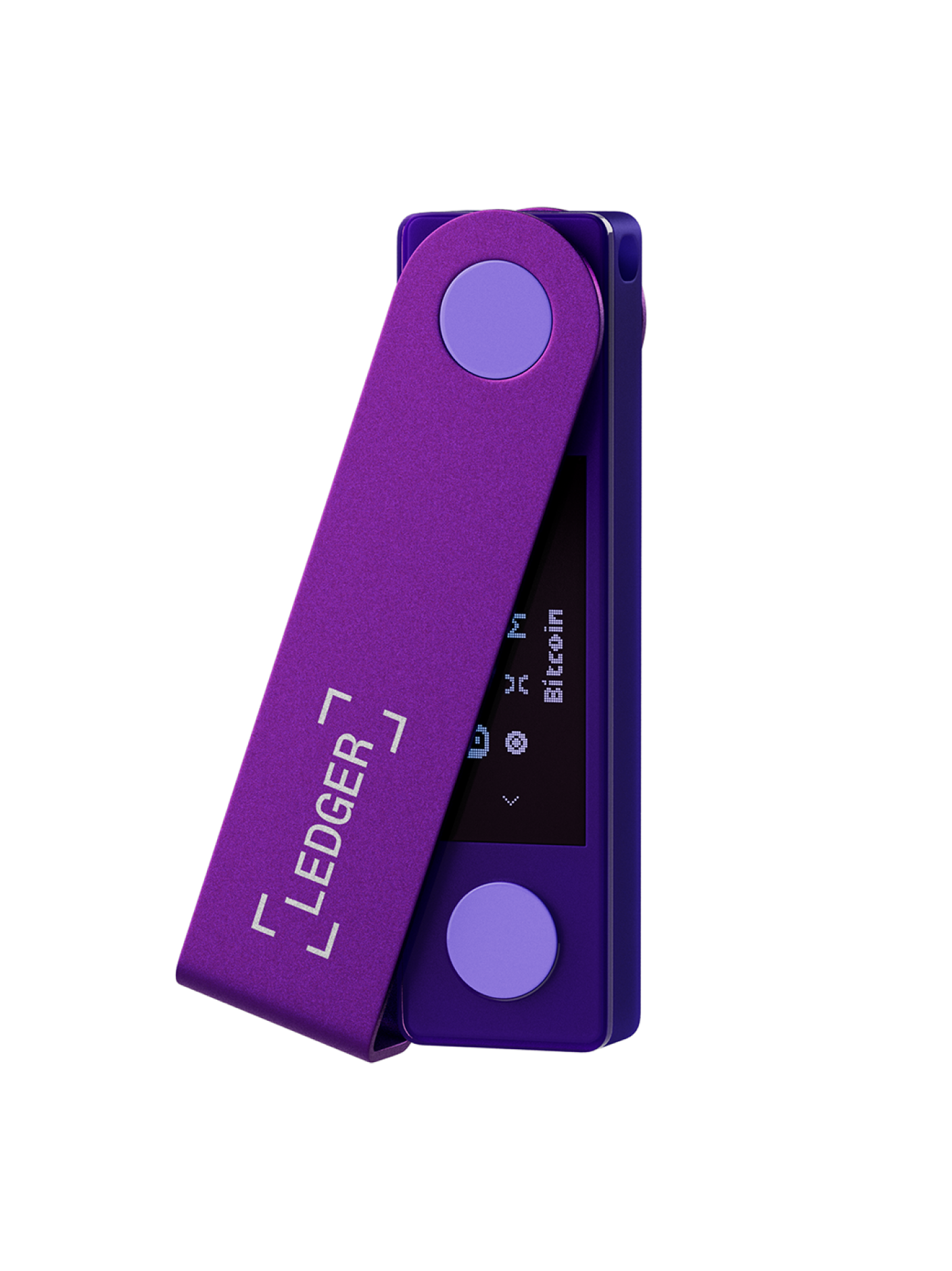
ZachXBT labels hardware wallets garbage, recommends dedicated iPhones
“Complete garbage.” That is how prominent onchain investigator ZachXBT describes the current generation of hardware wallets, arguing that devices from manufacturers like Ledger are fundamentally ill-suited for signing high-stakes transactions or safeguarding significant cryptocurrency holdings, preferring instead a more radical approach to personal asset management.

Jesse Pollak pivots Base strategy as social experiment falters
After betting that creator-focused tools and social content would onboard the masses, Base founder Jesse Pollak is stepping back from leadership of the Base App. The move follows a strategic admission that the network’s pivot toward social products left it lagging behind competitors in critical financial sectors.
California pair charged in darknet fentanyl and ghost gun scheme
Operating under the moniker “HotGirlzClub,” Nicholas Aguilar and Jessica Marcolina allegedly shipped over 500 parcels of fentanyl and methamphetamine across the U.S. in 2025. Federal prosecutors now accuse the California duo of laundering the resulting cryptocurrency proceeds while simultaneously running an illicit ghost gun manufacturing operation from their residence.