Cryptocurrency

US trade tariffs target Brazil over Pix payment system
The United States is set to impose a 25% tariff on a broad range of Brazilian imports, citing the nation’s state-backed Pix instant-payment system as an unfair trade practice. The decision marks a significant escalation in a year-long dispute over digital trade and electronic payment policies.

Uniswap Governance Targets Robinhood Chain and v4 for UNI Burns
Uniswap governance is set to vote on two proposals that could significantly accelerate the protocol’s UNI burn rate. By extending fee collection to Uniswap v4 and the recently launched Robinhood Chain, the protocol aims to channel increased trading activity directly into its existing token destruction mechanism.

Bitcoin Ordinals advocate launches DOG Mode to challenge relay limits
Bitcoin Ordinals advocate Leonidas has released DOG Mode, an alternative open-source Bitcoin client designed to bypass existing relay restrictions. By removing default limits on transaction size, the software challenges the influence of Bitcoin Core and Bitcoin Knots over how data moves across the peer-to-peer network without altering consensus rules.

US Regulators Miss GENIUS Act Deadline as Stablecoin Framework Stalls
U.S. financial regulators allowed the July 18, 2026, deadline for the GENIUS Act to pass without finalizing the stablecoin rules mandated by the law. Signed into effect by President Donald Trump just one year prior, the legislation now faces a compressed implementation timeline as major compliance requirements remain in the proposal stage.

BNB Chain Secures Majority of Franklin Templeton’s Tokenized Assets
A 1,226% surge in assets over the past month has propelled BNB Chain to the top of Franklin Templeton’s network distribution, now hosting $1.5 billion of the firm's Benji platform. This shift marks a significant departure from the firm’s long-standing reliance on Stellar for its blockchain-based financial products.

Michael Saylor challenges BIP 110 over Bitcoin neutrality concerns
Bitcoin’s neutrality faces a contentious test as Michael Saylor intensifies his opposition to BIP 110. The proposed soft fork, which aims to limit data-heavy transactions on the network, has sparked a debate over whether consensus-level changes should dictate the types of information allowed within block space.

Coinbase Executive Admits Missteps in Engaging Crypto-Native Base Users
Jordan Fish, the Coinbase product executive widely known as Cobie, has acknowledged that the company grew distant from its core user base. Following a series of strategic errors that eroded community trust, Fish is now spearheading a shift in direction for the Base App to reconnect with crypto-native participants.

FTX to Distribute $900 Million to Creditors as SBF Clemency Bid Falters
Nearly four years after the exchange’s collapse, FTX is set to initiate its fifth creditor distribution on July 31. The $900 million payout brings total recoveries to approximately $10 billion, marking a significant milestone in the bankruptcy process even as legal battles surrounding the firm’s executives continue to unfold.
Robinhood pivots to long-term finance as Tenev defends market speculation
Robinhood CEO Vlad Tenev is positioning his brokerage as a pillar of the American financial system, even as critics label the platform’s high-frequency trading culture as gambling. The company is now pivoting toward long-term wealth management, anchored by a new government partnership to manage investment accounts for children.

France Orders ISP Block on Polymarket Amid Gambling Crackdown
France’s National Gambling Authority, the ANJ, has directed internet service providers to block access to Polymarket, escalating a regulatory standoff. The move follows failed attempts to restrict local users via geoblocking and reflects growing European concern over the platform’s classification as an unauthorized gambling service.

SWIFT’s New Ledger Signals a Shift in Digital Money
After 53 years of functioning strictly as a messaging network, SWIFT has begun coordinating the actual movement of value. By launching a blockchain-based shared ledger for tokenized deposits, the organization has drawn a hard line against stablecoins, signaling that the global banking system intends to retain control over digital money.

OkoBot Malware Targets Crypto Wallets via Sophisticated ClickFix Ploy
Disguised as legitimate developer tools like Microsoft SQL Server Management Studio, the OkoBot malware has spent the past year harvesting recovery phrases across five countries. Kaspersky researchers identified the operation, which leverages a modular architecture and deceptive social engineering tactics to bypass standard user caution and compromise digital assets.

Ethereum eyes breakout as CLARITY Act nears Senate floor
Representative Bryan Steil has signaled a potential Senate vote on the CLARITY Act next week, injecting fresh momentum into Ethereum as the asset climbs to $1,845. This legislative push, coupled with a surge in institutional ETF inflows, has traders closely watching key support levels to sustain the current recovery trend.

Cathie Wood Increases SpaceX Bet as Shares Hit Post-IPO Low
A 5.43% slide in SpaceX stock to a new post-IPO low has prompted Cathie Wood’s ARK Invest to double down, with the firm acquiring $18.3 million in additional shares. This move follows a string of consistent buying since the company’s public debut last June.

Noxa Exit Stalls Robinhood Chain Memecoin Frenzy
After commanding 75% of all token deployments on the newly launched Robinhood Chain, the launchpad Noxa has ceased operations. The platform, which generated $12 million in fees in just two weeks, left behind a volatile market as investors scramble to determine if the network's speculative boom can survive its primary architect.
Michael Saylor positions corporate balance sheets as Bitcoin’s next frontier
Corporate structures are the essential engine for Bitcoin to evolve into a global monetary network, according to MicroStrategy founder Michael Saylor. He argues that businesses provide the necessary scale, transparency, and legal framework required to transition the asset from a speculative holding into a sustainable, worldwide currency system.

Crypto’s talent drain: Hyperliquid founder warns of AI shift
The allure of artificial intelligence is siphoning off the next generation of founders, leaving the cryptocurrency sector struggling to retain the talent necessary to build robust on-chain financial systems. Hyperliquid co-founder Jeff Yan argues this shift is now the most critical obstacle facing the industry’s long-term development.
TrustedVolumes exploiter returns $2M, keeps equal share as bounty
The attacker behind the May exploit of TrustedVolumes has returned 1,122 ETH, worth approximately $2 million, while unilaterally retaining an identical amount as a self-declared bounty. This partial recovery follows a sophisticated breach that initially drained nearly $6 million from the liquidity provider’s custom swap proxy.
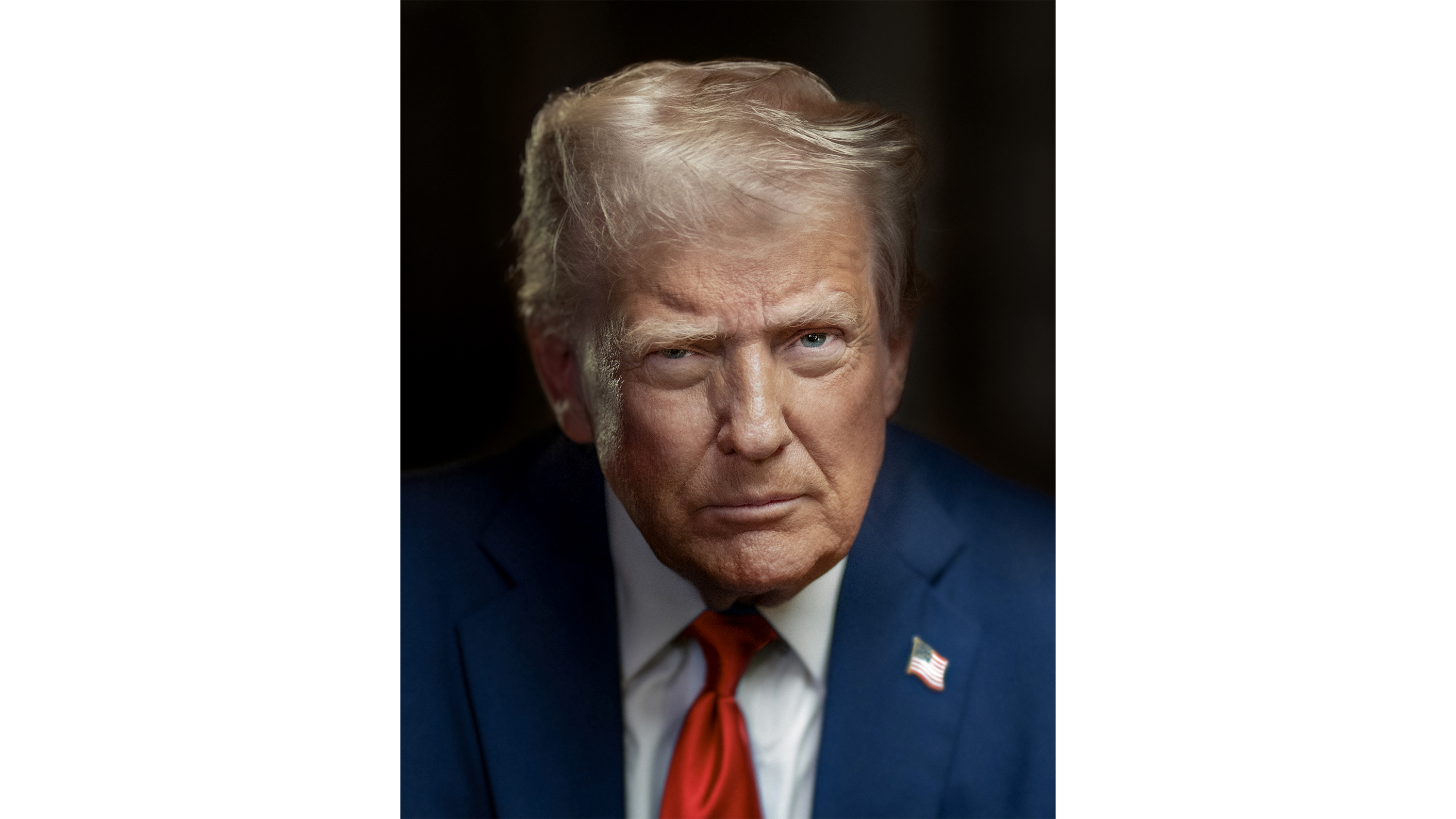
Warren Pressures Trump for Early Disclosure of Crypto Wealth
Senator Elizabeth Warren has issued a formal demand for President Donald Trump to disclose his 2026 cryptocurrency earnings by July 23, citing a $1.4 billion windfall from digital asset ventures last year. The request arrives as the Senate weighs the Digital Asset Market Clarity Act, sparking a standoff over potential conflicts of interest.

OKX Europe launches USDT-to-USDC conversion to navigate MiCA rules
As European exchanges scramble to comply with the Markets in Crypto-Assets regulation, OKX Europe has debuted a one-way conversion tool allowing users across 30 nations to swap Tether’s USDT for the MiCA-compliant USDC, effectively providing an exit ramp for holders facing restricted access to their preferred stablecoin.

Consensys Freezes Releases After North Korean Impostor Infiltrates Team
Consensys has suspended product releases following the discovery that a consultant with ties to North Korea maintained access to its internal systems for one month. The developer, operating under the alias Tyler Knapp, contributed code to the MetaMask platform before his activities were flagged and his access was revoked.

Galaxy Digital Stakes Claim on Texas Tech Football Stadium
Beginning in the 2026 season, the home of Red Raider Football will be known as Galaxy Stadium. The 15-year naming rights agreement marks a strategic shift for the digital asset firm, anchoring its presence in West Texas alongside its massive, 1.6-gigawatt Helios data center operation in Dickens County.

Ripple Secures EU-Wide Crypto Passport Under MiCA Framework
Ripple Payments Europe has joined the European Securities and Markets Authority’s official register of authorized crypto asset service providers. This inclusion grants the firm a critical passport to offer regulated crypto and stablecoin payment services across 29 European countries, marking a significant expansion for its cross-border infrastructure.
ECB Stablecoin Warning Rattles Coinbase and Circle Markets
European Central Bank board member Piero Cipollone has ignited fresh market volatility, warning that the rise of stablecoins threatens to siphon critical deposits away from traditional banks. His comments, delivered in Rome, have intensified pressure on crypto-linked stocks, leaving Coinbase and Circle struggling against mounting regulatory and technical headwinds.

Augur pivots to decentralized settlement for prediction markets
As institutional scrutiny of prediction markets intensifies, the Lituus Foundation has unveiled a decentralized resolution layer designed to settle contested outcomes without relying on centralized committees or governance councils. This infrastructure aims to decouple outcome verification from trading platforms as legal pressure on market participants grows.

Anthropic Seeks $10B Meta Deal to Fuel IPO Ambitions
As Anthropic eyes a potential October IPO, the AI developer is negotiating a massive $10 billion computing lease with Meta Platforms. The deal, currently under review, would grant Anthropic critical access to Meta’s private infrastructure, marking a strategic shift for both companies as they race to scale advanced AI models.
FTX to Distribute $900M to Creditors as Bankman-Fried Pardon Hopes Dim
Bankrupt exchange FTX will initiate its fifth creditor distribution on July 31, unlocking nearly $900 million for claimants while founder Sam Bankman-Fried faces dwindling prospects for a presidential pardon following explicit resistance from political leadership.
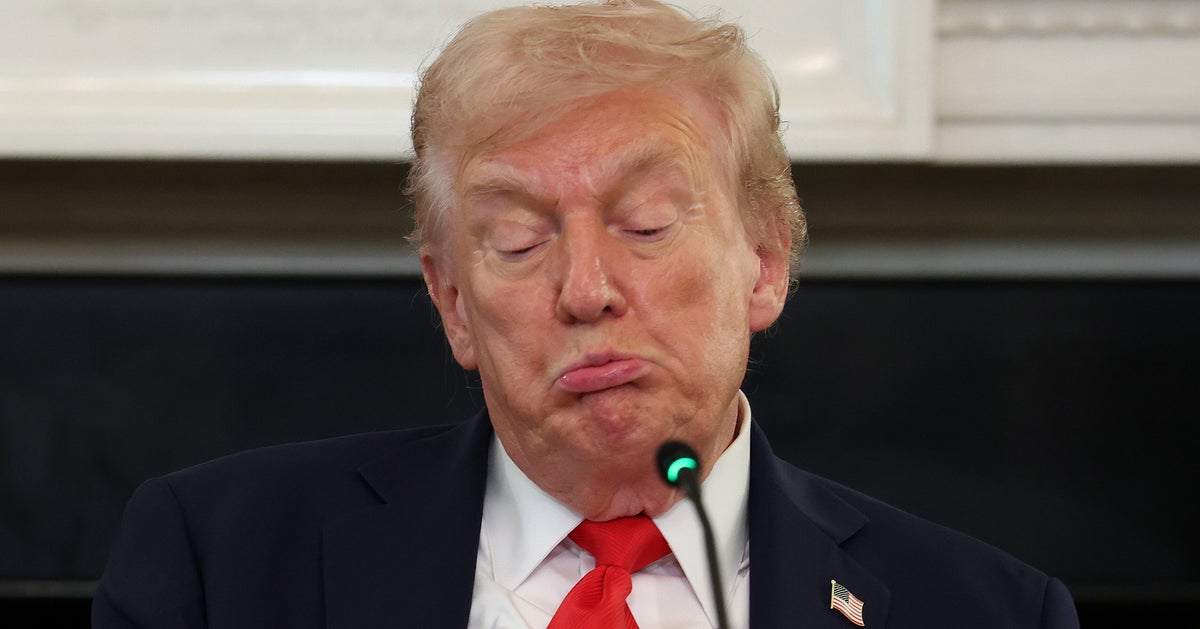
Trump fails to break CLARITY Act deadlock as text remains withheld
Polymarket traders have slashed the odds of the CLARITY Act passing in 2026 to 32%, reflecting growing investor skepticism after President Donald Trump’s meeting with Senate Republicans failed to produce the long-awaited revised text of the legislation.

SpaceX Shares Hit Record Low After Starship Launch Scrub
SpaceX stock tumbled nearly 5% to $125 on Wednesday, marking a new post-IPO low after a technical failure forced the company to abort the 13th test flight of its Starship rocket. The decline pushes shares below the company’s $135 offering price, capping a 35% drop over the past month.
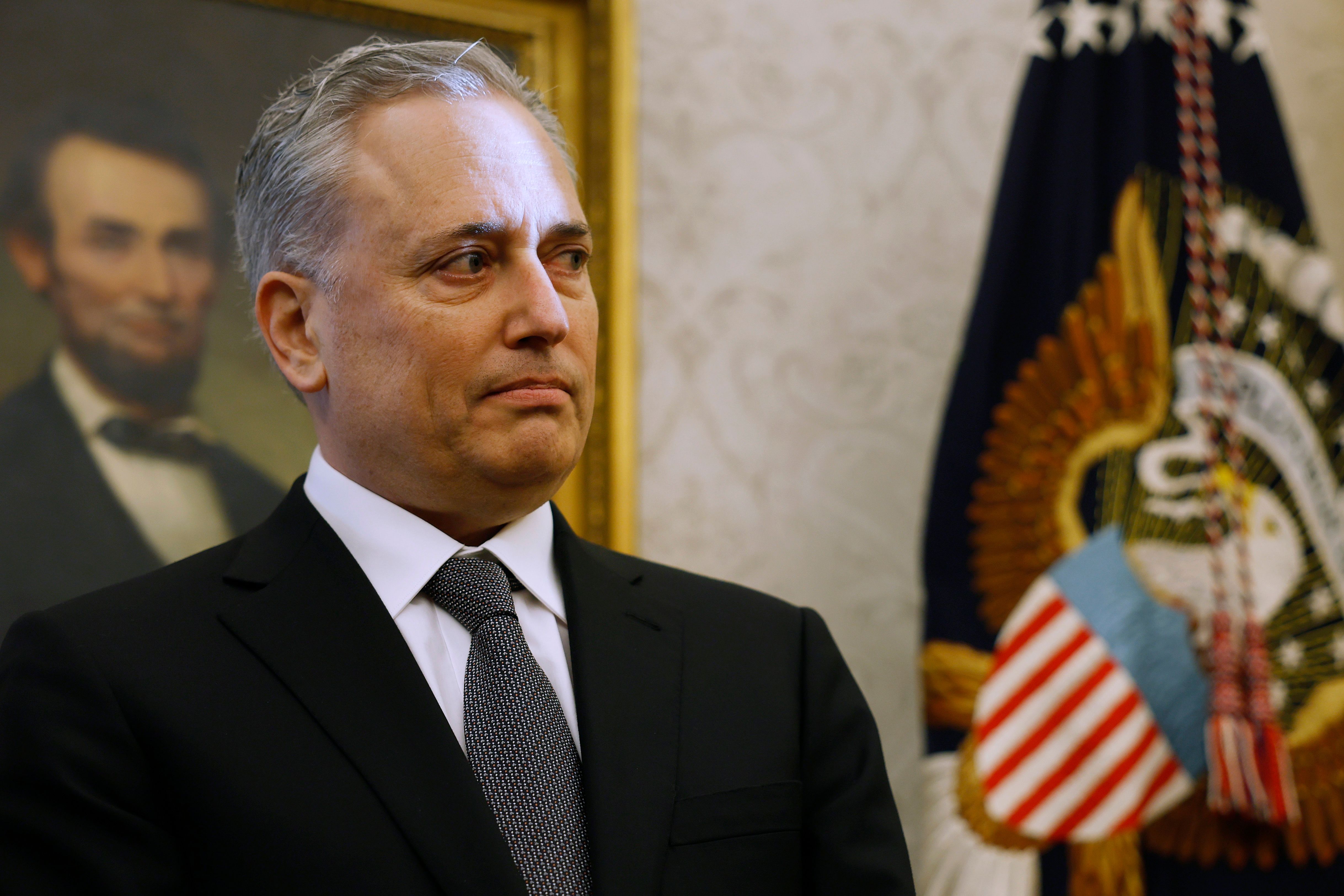
David Sacks warns US AI policy risks falling behind China
“This is how you lose the AI race,” declared David Sacks after China’s Kimi K3 model secured the top spot on the Frontend Code Arena. The former White House crypto advisor argues that stringent domestic regulations and federal pre-approval hurdles are effectively handicapping American developers while Chinese laboratories accelerate their progress.