Cryptocurrency

Morgan Stanley Adds $15M in Bitcoin as Institutional Buying Persists
As Bitcoin struggled to maintain support below $65,000, Morgan Stanley’s spot Bitcoin ETF executed a strategic acquisition of 232.5 BTC. The $15.05 million purchase pushed the fund’s total holdings past 6,500 BTC for the first time, signaling a continued appetite for digital assets among institutional investors despite broader market volatility.

Senate tees up CLARITY Act for September floor vote
Senate Majority Leader John Thune filed a procedural motion late Friday to move the CLARITY Act to the floor immediately upon the chamber’s return from August recess. The move sets the stage for a critical 60-vote threshold test, though deep partisan divisions over regulatory oversight and stablecoin rewards remain unresolved.

Aztec Bridge Exploiter Moves Additional 300 ETH to Tornado Cash
A digital wallet tied to the June exploit of Aztec’s Private Rollup Bridge has funneled another 300 ETH into the Tornado Cash mixer. The move brings the total volume of stolen funds routed through the privacy service by this specific address to 500 ETH, valued at roughly $953,000.

Coinbase CEO Sees Crypto Growth Beyond Congressional Gridlock
The Senate’s decision to push the CLARITY Act vote until September has stalled federal policy, yet Coinbase CEO Brian Armstrong insists the industry’s momentum remains decoupled from the legislative calendar. Despite the delay, he points to surging stablecoin usage and institutional tokenization as the primary drivers of current market adoption.

US Treasury targets crypto exchanges over Iran sanctions evasion
The U.S. Treasury’s Office of Foreign Assets Control has sanctioned crypto exchanges Shelbit and Aban Tether, alleging they facilitated millions in illicit transactions for the Islamic Revolutionary Guard Corps. The move represents a significant escalation in Washington’s campaign to block Tehran’s access to international financial markets through digital assets.

CFTC cracks down on sports-betting style displays in prediction markets
The Commodity Futures Trading Commission has directed regulated prediction markets to abandon American-style gambling odds, signaling a hardening stance against platforms that mimic conventional sportsbooks. This regulatory push arrives as state authorities intensify legal efforts to classify event-based contracts as unlicensed betting, bypassing federal derivatives law.

SharpLink Challenges Ethereum Proposal to Eliminate Staking Rewards
SharpLink CEO Joseph Chalom has publicly opposed a proposal to phase out issuance-based staking rewards on the Ethereum network, warning that the move could erode the asset's institutional appeal and destabilize the broader decentralized finance ecosystem by effectively raising capital costs.
Senate Pushes CLARITY Act to September Amid Bipartisan Impasse
Senate Majority Leader John Thune has postponed the long-anticipated vote on the CLARITY Act until September, effectively ending efforts to move the crypto market structure bill before the August recess. The delay leaves critical questions regarding illicit finance, stablecoin regulation, and ethics oversight unresolved as negotiations continue through the break.

SpaceX Stock Surges 14% as Insider Selling Fears Dissipate
SpaceX shares climbed 14.09% to $131.06 on Friday, defying investor anxiety over a massive influx of newly eligible insider shares. The rally, which extended a 6.1% gain from the previous session, marks a significant recovery from August lows as the company successfully navigated its first major post-IPO lockup expiration.

Bybit Files Federal Lawsuit Against North Korea Over $1.5B Hack
In an unprecedented move to recover stolen assets, Bybit has launched a civil lawsuit in Washington, D.C., against the Democratic People’s Republic of Korea, its Reconnaissance General Bureau, and the notorious Lazarus Group following the record-breaking $1.5 billion cryptocurrency theft that crippled the exchange in February 2025.

Circle Deploys Native USDC and CCTP on OKX X Layer
Circle has integrated its native USDC stablecoin and Cross-Chain Transfer Protocol into X Layer, the Ethereum-compatible network developed by OKX. This shift enables developers and businesses to bypass traditional bridge structures, facilitating direct access to regulated dollar-pegged assets for DeFi, automated payments, and artificial intelligence-driven financial applications.
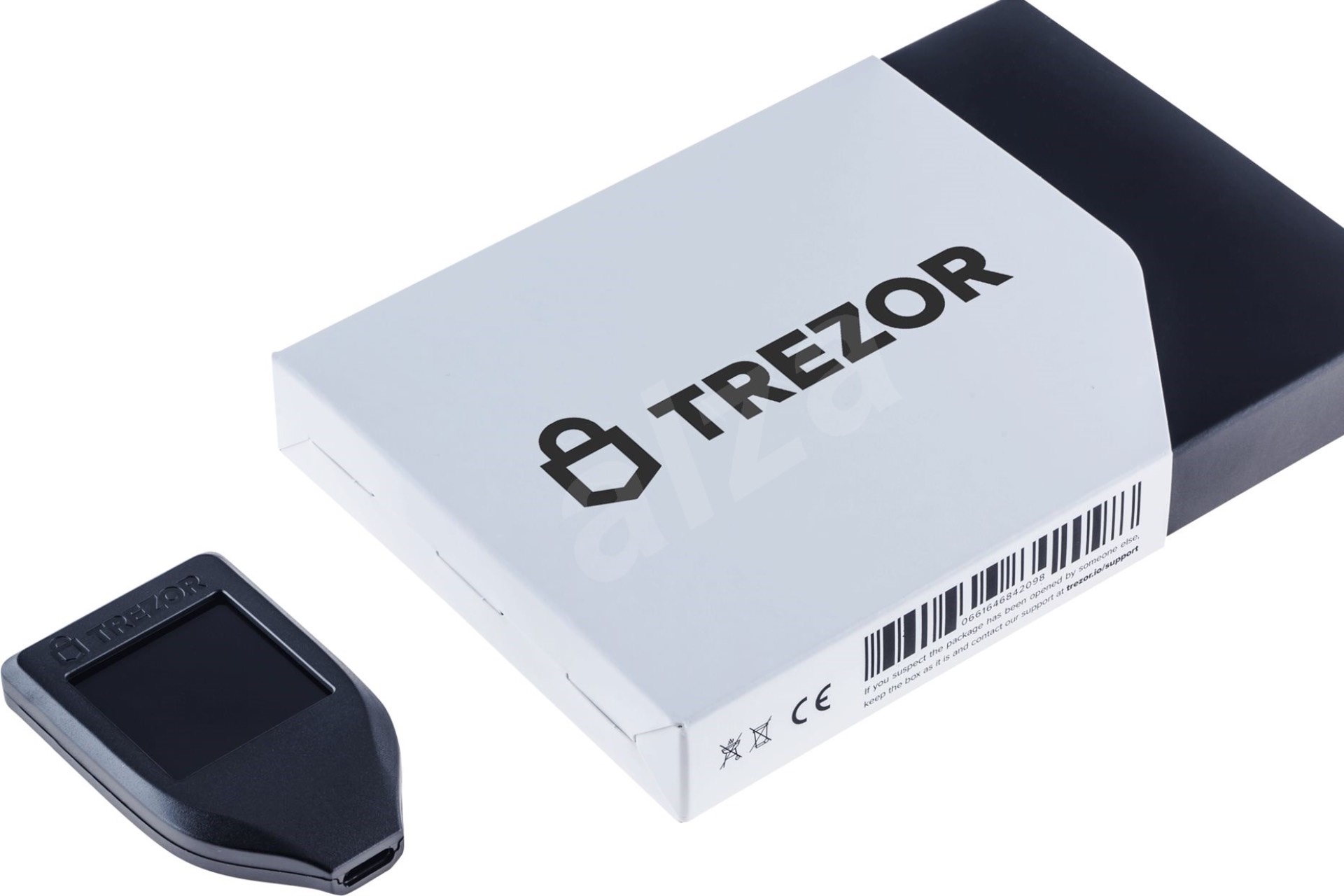
Trezor User Reports Total Loss Following Google Phishing Ad
A cryptocurrency user identified as David claimed on August 7 that he lost his life savings after clicking a sponsored Google search result for "Trezor wallet." The advertisement led to a fraudulent website hosted on Google Sites, which prompted the victim to enter his private recovery phrase.

BTCPay Server Urges Immediate Patching Amid Active Exploitation
Attackers are actively exploiting a critical vulnerability in BTCPay Server that threatens to drain user funds. The project issued an emergency warning on Aug. 7, instructing all administrators to update their installations to version 2.4.2 immediately to prevent unauthorized access and potential financial loss.

AI Tool Blanket Bridges Small Business Risk and Event Markets
Small businesses facing volatile operational risks now have a new diagnostic tool in Blanket, an independent AI platform that maps corporate exposures—from energy spikes to election outcomes—to regulated event contracts on the Kalshi exchange, allowing firms to identify potential hedges for unpredictable external events.

Firmus secures $2 billion to accelerate Asia-Pacific AI infrastructure
A former Bitcoin miner is pivoting aggressively into the high-stakes world of artificial intelligence, raising $2 billion in fresh equity to push its valuation past the $10.5 billion mark. The capital infusion will bankroll massive AI factory projects across Australia and fuel new expansion efforts into Indonesia.

WhiteBIT brings automated trading bots to UK retail market
WhiteBIT has rolled out its Spot Grid and Martingale DCA bots to users in the United Kingdom, offering automated strategies within a regulatory environment that strictly limits retail access to crypto derivatives. The tools provide hands-off execution for spot market participants while bypassing the leverage restrictions imposed by the Financial Conduct Authority.
Bitcoin Climbs Past $65K as U.S. Payrolls Signal Labor Cooling
A sudden contraction in the American labor market has sent Bitcoin rallying above $65,000, as traders bet that softening payroll data will force the Federal Reserve to pause its interest rate hikes. The economy shed 23,000 jobs in July, a sharp departure from the anticipated growth of 80,000 positions.

FSB Raids Target Moscow Crypto Exchanges Over Alleged Fraud Links
Federal security officers have detained more than 20 employees and couriers following a crackdown on nine unregistered cryptocurrency exchange services in the Moscow City business district. Authorities claim these platforms served as conduits for laundering money stolen from Russian citizens via phone scams to accounts managed by Ukrainian coordinators.

Bitcoin Developer Admits Custody Fears Hindered Investment
René Pickhardt, a prominent Lightning Network researcher, revealed on August 6 that chronic anxiety regarding key management and self-custody security prevented him from accumulating more Bitcoin. His admission highlights the significant, often overlooked, psychological and operational barrier that persists even for those deeply embedded in the protocol's technical development.
North Korean Hackers Exploit Trusted Telegram Contacts to Target Crypto
Cryptocurrency professionals are facing a sophisticated social-engineering campaign where attackers hijack trusted Telegram accounts to lure victims into fake Zoom or Microsoft Teams meetings. Security researchers warn that these North Korean-linked actors are bypassing traditional defenses by exploiting existing professional relationships rather than blockchain vulnerabilities.
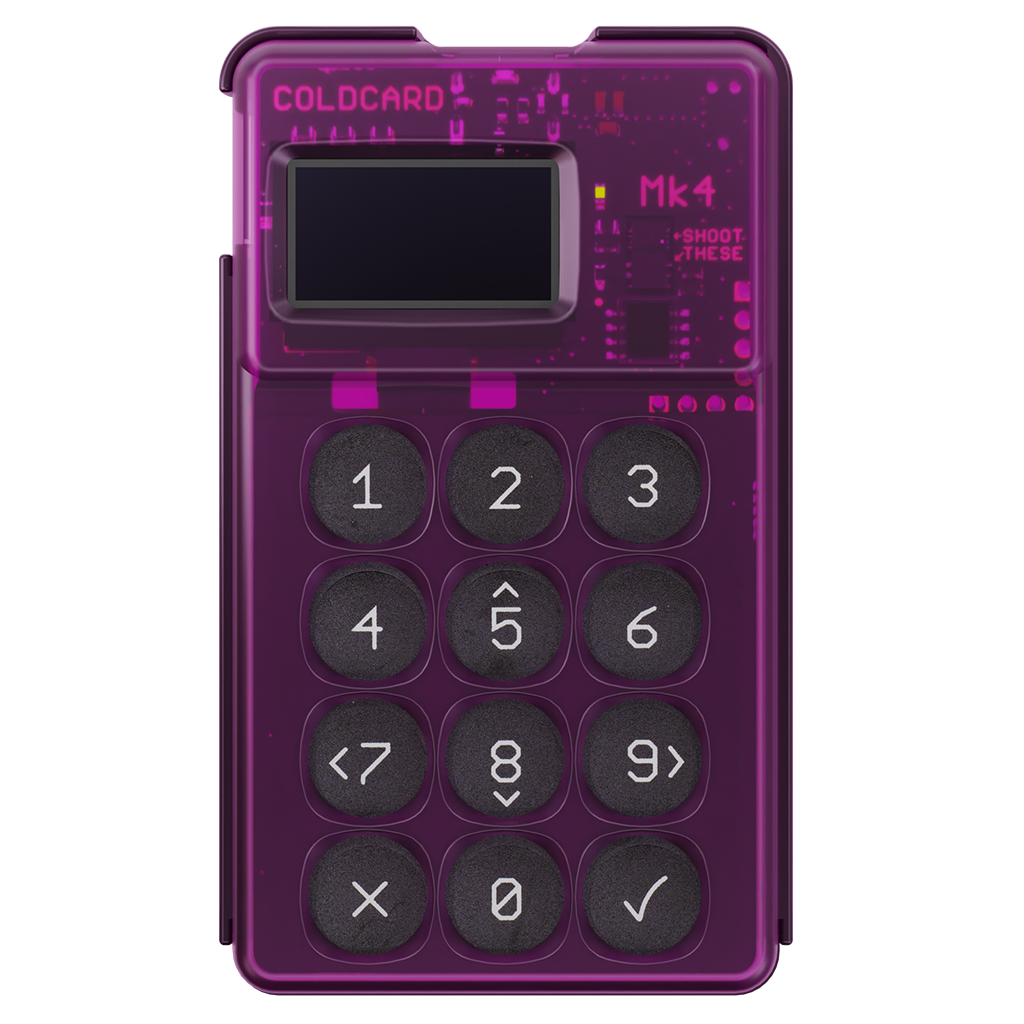
Coldcard Pauses Data Deletion Following Major Security Breach
conflict
Ethereum Reclaims $1,900 as ETF Inflows Bolster Recovery
Ethereum is testing overhead resistance after reclaiming the $1,900 threshold, buoyed by a surge in institutional demand and improving market sentiment. With spot ETFs drawing significant capital and key moving averages now acting as support, the asset is positioning itself for a potential run toward the $2,000 psychological barrier.
Crypto Crime Shifts from Digital Exploits to Physical Violence
Criminals are increasingly abandoning keyboards for home invasions and kidnappings to force the transfer of digital assets. Chainalysis reports that physical attacks against cryptocurrency holders have surged, with perpetrators seizing over $30 million in the first half of 2026 by targeting individuals who manage wealth through self-custody wallets.
CleanSpark Posts $239M Loss as Revenue Slumps
A 30.5% slide in quarterly revenue and a $239 million net loss have put pressure on CleanSpark, as the Nasdaq-listed Bitcoin miner struggles to balance its core operations against market volatility. The results, falling short of Wall Street estimates, underscore the financial turbulence currently rippling through the crypto-mining sector.

Stripe-owned Bridge secures EU stablecoin license
Bridge Building, the Luxembourg-based entity under Stripe, has officially joined the European Union’s MiCA register. This regulatory milestone, confirmed by the European Securities and Markets Authority, establishes the firm as the 42nd authorized electronic money token issuer, granting it the right to operate stablecoin payment services across all 27 member states.

Judge rejects Coinbase bid to bypass Michigan sports betting laws
U.S. District Judge Shalina Kumar denied Coinbase’s request for a preliminary injunction against Michigan officials on August 6, refusing to block the state from enforcing local sports betting laws. The ruling marks a significant setback for the exchange’s attempt to assert federal preemption over state-level gaming oversight.

OKX to Delist Six Trading Pairs for GODS, PRCL and DUCK
Cryptocurrency exchange OKX has initiated a phased removal of six spot trading pairs for GODS, PRCL, and DUCK tokens. While deposit services for these assets ceased on August 7, the platform has established a three-month window for users to withdraw their holdings before the final cutoff on November 7.

XRP Ledger 3.3.0 Release Sets Stage for Protocol Upgrades
XRP Ledger developers released xrpld version 3.3.0 on August 6, packaging a suite of protocol enhancements for potential mainnet deployment. While the software update introduces advanced privacy and transaction tools, these features remain dormant until they secure the necessary support from network validators through the formal amendment process.
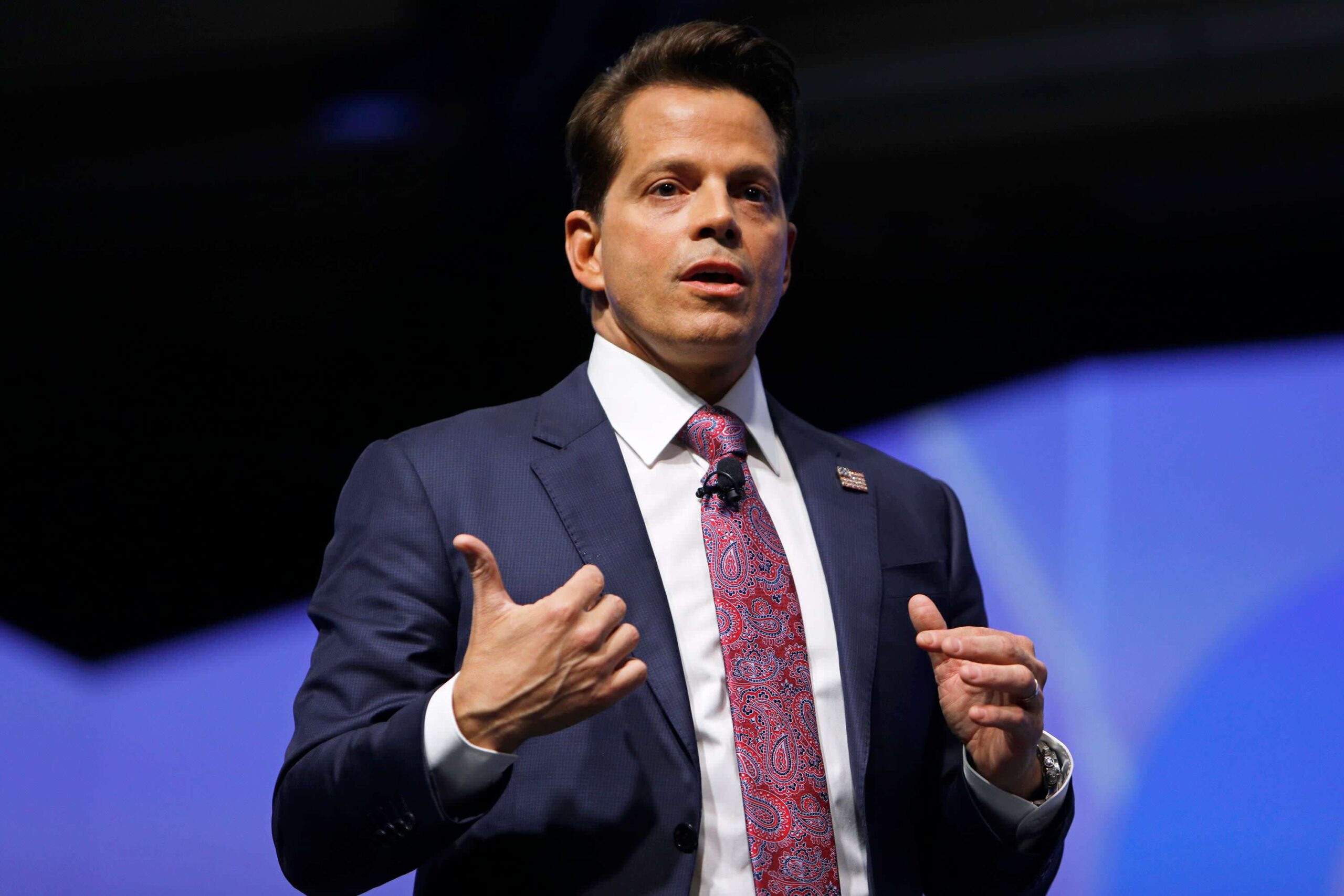
Anthony Scaramucci Sees Blockchain Fading Into the Background
Mainstream adoption of blockchain technology will reach a critical turning point when users interact with the infrastructure without ever realizing it exists, according to SkyBridge Capital founder Anthony Scaramucci. He argues that the future of digital assets lies in seamless integration rather than direct user engagement with complex protocols.

South Korean Police Outsource Crypto Storage to Upbit Parent
After a string of embarrassing losses involving confiscated Bitcoin, South Korea’s National Police Agency has turned to the private sector for help. Dunamu, the operator of the Upbit exchange, has secured a one-year contract to manage all digital assets seized by law enforcement, ending a period of systemic security failures.