Cryptocurrency

Wells Fargo pivots crypto strategy with heavy MicroStrategy bet
Wells Fargo has aggressively reshuffled its digital asset portfolio, increasing its stake in Michael Saylor’s MicroStrategy by 125% while simultaneously trimming its holdings in BlackRock’s flagship Bitcoin ETF. The $2.5 trillion asset manager is moving beyond primary Bitcoin exposure toward diversified bets on Ethereum and Solana.

Robinhood Chain Hits $500M Uniswap Volume in Eight-Day Sprint
Within just eight days of its launch, the Arbitrum-powered Robinhood Chain has surged to $500 million in daily Uniswap trading volume. This rapid acceleration, fueled by institutional liquidity and strategic integrations, has placed the network behind only the Ethereum mainnet in 24-hour decentralized finance activity.

PayPal Integrates PYUSD Stablecoin Into Polygon Open Money Stack
Businesses operating on the Polygon network can now access PayPal’s PYUSD stablecoin directly through the Open Money Stack, effectively merging regulated digital currency payments with existing fiat infrastructure. This integration allows companies to bypass complex, multi-provider setups for cross-border settlements, compliance, and local currency conversions.

Bitcoin’s $16.7B Handoff: Whales and ETFs at a Strategic Impasse
As Bitcoin bottomed at a 21-month low of $58,188 in late June, the market split into two distinct, warring camps. While spot ETFs recorded their worst monthly outflows on record, shedding $4.51 billion, whale wallets aggressively absorbed 270,000 BTC, totaling $16.7 billion in what stands as one of the largest accumulation prints on record.

Global INTERPOL Crackdown Nets 5,811 Arrests in Anti-Fraud Sweep
A coordinated four-month international operation across 97 countries has resulted in 5,811 arrests and the interception of $293 million in illicit assets. Operation First Light targeted a sprawling network of social engineering scams, ranging from romance fraud to business email compromise, while dismantling the sophisticated crypto-laundering infrastructure supporting these criminal enterprises.
Robinhood Insiders Liquidate Shares Following Market Rally
Number: Executives at Robinhood Markets offloaded more than $44 million in company stock on July 6, capitalizing on a surge that pushed the firm’s market valuation past $100 billion. The sales, executed by top leadership and internal funds, arrive as the platform intensifies its expansion into blockchain and prediction markets.

SWIFT Initiates Blockchain Ledger Pilot with 17 Global Banks
Seventeen global financial institutions have begun testing a blockchain-based ledger from SWIFT, aiming to enable round-the-clock cross-border settlements using tokenized deposits. This controlled rollout marks a shift toward integrating digital asset infrastructure while maintaining the rigorous compliance and risk standards of traditional banking networks.

Hyperliquid Enters Bitwise 10 Index as DOT and AVAX Exit
A 165% rally in the HYPE token has secured Hyperliquid a spot in the Bitwise 10 Crypto Index ETF (BITW), signaling its arrival among the market's largest assets. The inclusion forces a reshuffle of the fund's holdings, reflecting the shifting landscape of high-liquidity crypto projects as of July 2026.

Paradigm secures $1.2 billion to bridge crypto and frontier tech
Paradigm has closed a $1.2 billion fourth fund, signaling a strategic pivot that keeps digital assets at its core while aggressively expanding into artificial intelligence and robotics. Co-founders Matt Huang and Alana Palmedo framed the move not as a departure from crypto, but as an evolution toward broader software frontiers.

Sony Bank moves toward dollar stablecoin with OCC trust charter
Sony Bank has secured conditional approval from the U.S. Office of the Comptroller of the Currency to establish Connectia Trust, a national trust bank subsidiary. This development brings the Japanese lender closer to launching a U.S. dollar-backed stablecoin intended to facilitate payments for Sony’s expansive digital ecosystem.

DOJ memo on Binance cooperation sparks friction over asset freezes
Prosecutors are bracing for a potential shift in how Binance handles urgent requests to freeze accounts, as an internal Justice Department memo suggests the exchange may move away from informal, rapid-response holds in favor of rigorous, time-consuming Mutual Legal Assistance Treaty requirements for cross-border crypto seizures.

Hyundai Card Executes First Cross-Border Stablecoin Remittance
Seven minutes was all it took for Hyundai Motor to bridge its U.S. and Mexican entities with a $20,000 payment. By utilizing Tether’s USDT on the Avalanche blockchain, the company bypassed traditional banking delays, marking a shift from theoretical blockchain experiments to actual intercompany financial settlement.

Crypto User Loses $1 Million in Sophisticated Ethereum Phishing Attack
A cryptocurrency holder saw nearly $1 million in Tether vanish on Wednesday after signing a deceptive approval request. The incident, identified by security platform Scam Sniffer, highlights the persistent danger of approval-based phishing, where users unknowingly grant attackers total control over their digital assets with a single signature.

Tokenized equity markets surge as institutional interest mounts
Tokenized stock transfers climbed 105% over the past month, reaching a total volume of $8.41 billion. This surge reflects a shift in on-chain equity markets, moving beyond experimental phases as traditional finance heavyweights and crypto-native platforms race to establish dominance in digital asset infrastructure.

AscendEX Shuts Down, Leaving User Asset Recovery in Doubt
The cryptocurrency exchange AscendEX has officially ceased operations, citing regulatory pressure from the European Union’s MiCA framework and critical financial instability. The platform now warns that customers may be unable to recover their full account balances, as automated withdrawals remain suspended in favor of a manual review process.

Ron Wyden pushes to shield blockchain developers in CLARITY Act
Senator Ron Wyden has formally requested that Senate leadership preserve Section 604 of the CLARITY Act, a provision designed to exempt non-custodial blockchain developers from classification as money transmitters. The move aims to anchor legal certainty for software creators while maintaining enforcement tools against illicit financial activity.

Binance Wallet integrates Plume vaults for Bitwise and Invesco funds
Binance Wallet users now hold a direct gateway to institutional-grade yield, as Plume’s nBASIS vault integrates tokenized financial products from Bitwise and Invesco. The move brings traditional Treasury and market-neutral strategies into the self-custody environment, effectively bridging the gap between established asset managers and on-chain capital.

AI Financial weighs $15 million sale after Trump-linked crypto slump
A dramatic collapse in the value of WLFI tokens has forced AI Financial, formerly Alt5 Sigma, to the negotiating table. The company is currently in talks to divest its core Canadian payments subsidiary to Tokyo-based Perpetuals.com for a potential $15 million, a fraction of its previous market capitalization.

Nexo debuts crypto-linked card in Argentina
In a strategic bid to capture Latin America’s burgeoning digital asset market, Nexo has launched a dual-mode crypto card in Argentina. The product allows users to spend digital holdings or borrow against them as collateral, anchoring the company's regional expansion in Buenos Aires as it seeks to integrate crypto into daily retail finance.
Arbitrum Secures Revenue Share from Robinhood Chain Launch
Arbitrum has formalized a revenue-sharing agreement with the newly launched Robinhood Chain, marking a strategic shift in how the Layer 2 network monetizes enterprise adoption. Under the arrangement, 10% of the chain’s net protocol revenue will flow directly into the Arbitrum ecosystem to support treasury operations and developer funding.

Kraken Pulls Ahead in European Crypto Market Liquidity
With $399.71 million in spot liquidity and 1,704 active markets, Kraken has secured the top position among MiCA-regulated exchanges in Europe. Data from DefiLlama highlights a widening gap between Kraken and its closest competitors as the continent’s unified crypto framework reshapes the competitive landscape for institutional and retail traders.

Alfa-Bank Prepares Digital Depository as Russian Crypto Race Accelerates
Alfa-Bank is positioning itself to become a regulated digital asset custodian, marking a strategic pivot as Russia’s largest private lender prepares to integrate cryptocurrency services. The initiative mirrors similar moves by Sberbank and T-Bank, signaling a broader banking sector push into digital asset management pending final regulatory clarity.

Andrew Bailey Rejects Claims of Farage Influence on Digital Pound
Bank of England Governor Andrew Bailey has formally denied that his meeting with Reform UK leader Nigel Farage altered the central bank’s approach to a potential digital pound. The denial follows public speculation regarding whether political lobbying might have steered the institution’s research into central bank digital currencies.

EU prepares MiCA revision following US stablecoin legislation
The European Union has launched a strategic review of its Markets in Crypto-Assets (MiCA) framework, prompted by the recent passage of the United States GENIUS Act. Regulators are now reassessing how the bloc manages non-EU stablecoin issuers, tokenized payments, and digital asset custody as global standards shift rapidly.

EU prepares MiCA revision following US stablecoin legislation
The European Union has launched a strategic review of its Markets in Crypto-Assets (MiCA) framework, shifting its regulatory focus to accommodate the global impact of the U.S. GENIUS Act. Policymakers are evaluating how to integrate non-EU stablecoin issuers and tokenized financial products into the current licensing regime.
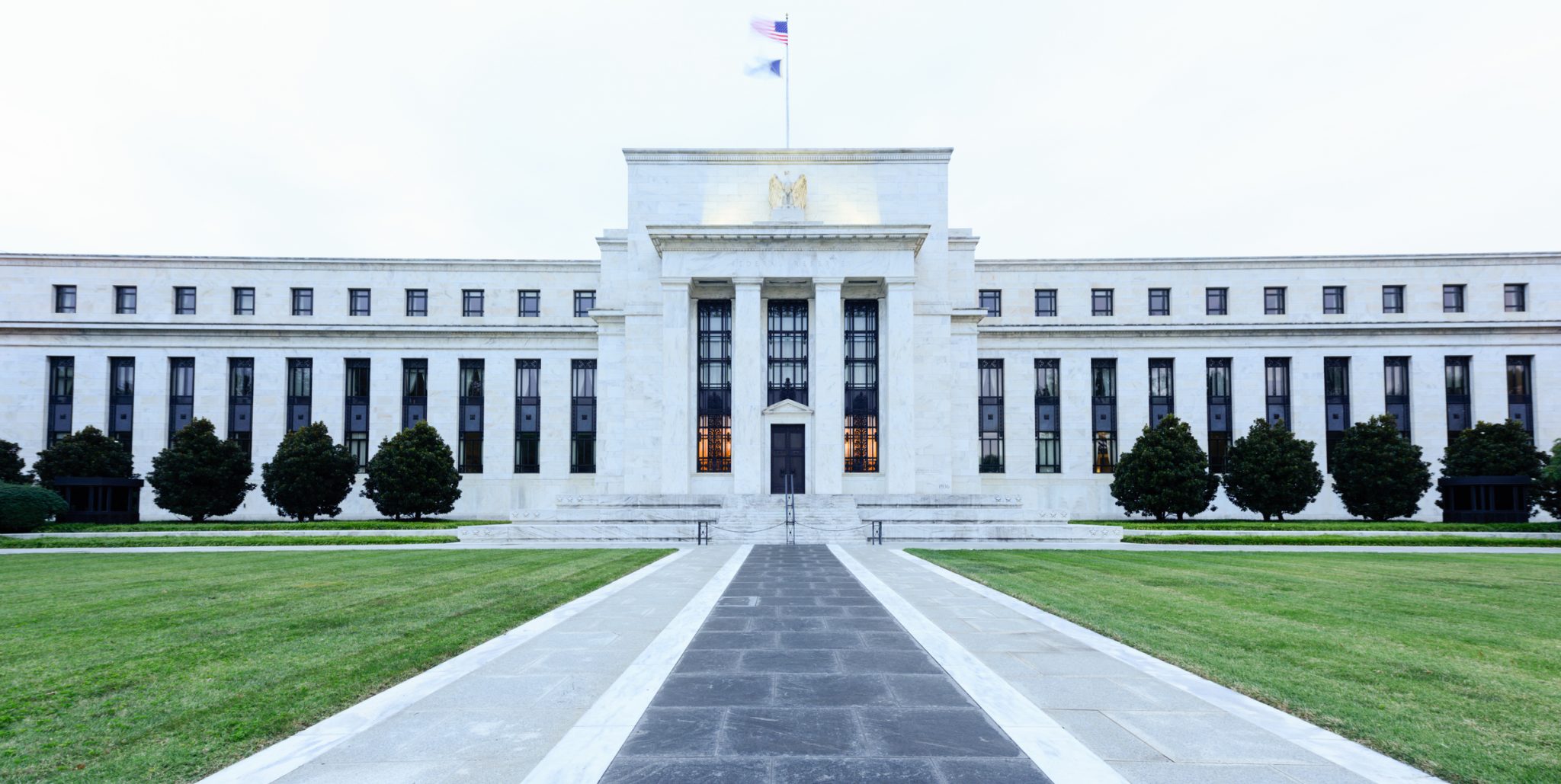
Fed signals potential rate hikes as AI demand fuels inflation fears
A 59% probability of a U.S. interest rate hike now looms over financial markets as Federal Reserve officials warn that AI-driven demand, geopolitical instability, and trade tariffs could force a shift in monetary policy to combat persistent inflation lingering above the central bank’s 2% target.

Circle Braces for GENIUS Act Deadline as Stock Struggles
With the July 18 deadline for the GENIUS Act fast approaching, Circle finds itself at a regulatory crossroads. Federal agencies are set to unveil implementation rules for stablecoin oversight, a move that has cast a shadow over CRCL shares as investors weigh potential shifts in reserve and licensing requirements.

XRP Ledger Marks One Million AI Payments as t54.ai Opens Developer Hub
The XRP Ledger has officially crossed the threshold of 1 million autonomous payments processed via the x402 protocol. This milestone coincides with the launch of the XRPL AI Hub, a centralized platform designed to consolidate AI agents, developer tools, and payment infrastructure for builders working within the network’s expanding ecosystem.

Musk and OpenAI in AI Showdown as Grok 4.5 Meets GPT-5.6
A high-stakes clash in artificial intelligence unfolds this Thursday as Elon Musk’s SpaceXAI debuts its Grok 4.5 model, directly challenging OpenAI’s simultaneous rollout of the GPT-5.6 family. Both companies are racing to capture market share with releases that promise significantly improved performance and expanded architectural capabilities.

Google Bans Real-Money Prediction Market Extensions in Chrome
Starting August 1, 2026, Google will prohibit Chrome extensions that facilitate real-money transactions on predictive outcomes. The policy update forces developers to strip wagering features from their software or face removal from the Chrome Web Store, marking a significant escalation in oversight for the burgeoning prediction market sector.