AI News

AWS GraphRAG framework cuts drug discovery cycles by 87 percent
Pharmaceutical research teams are slashing development timelines from six months to three weeks by deploying AWS-based knowledge graphs. By unifying fragmented internal databases with public medical records, the system transforms isolated laboratory notes and clinical metrics into a searchable network that drastically accelerates hypothesis testing.

NHS hospitals to pilot AI blood test for womb cancer screening
Thousands of women across England facing invasive diagnostic procedures for suspected womb cancer may soon bypass physical examinations. NHS trusts are moving to implement a new AI-powered blood test designed to triage patients, potentially sparing one in five referrals from the discomfort of traditional transvaginal ultrasound scans.
Insilico Medicine Advances AI-Designed Drug to Phase III Trials
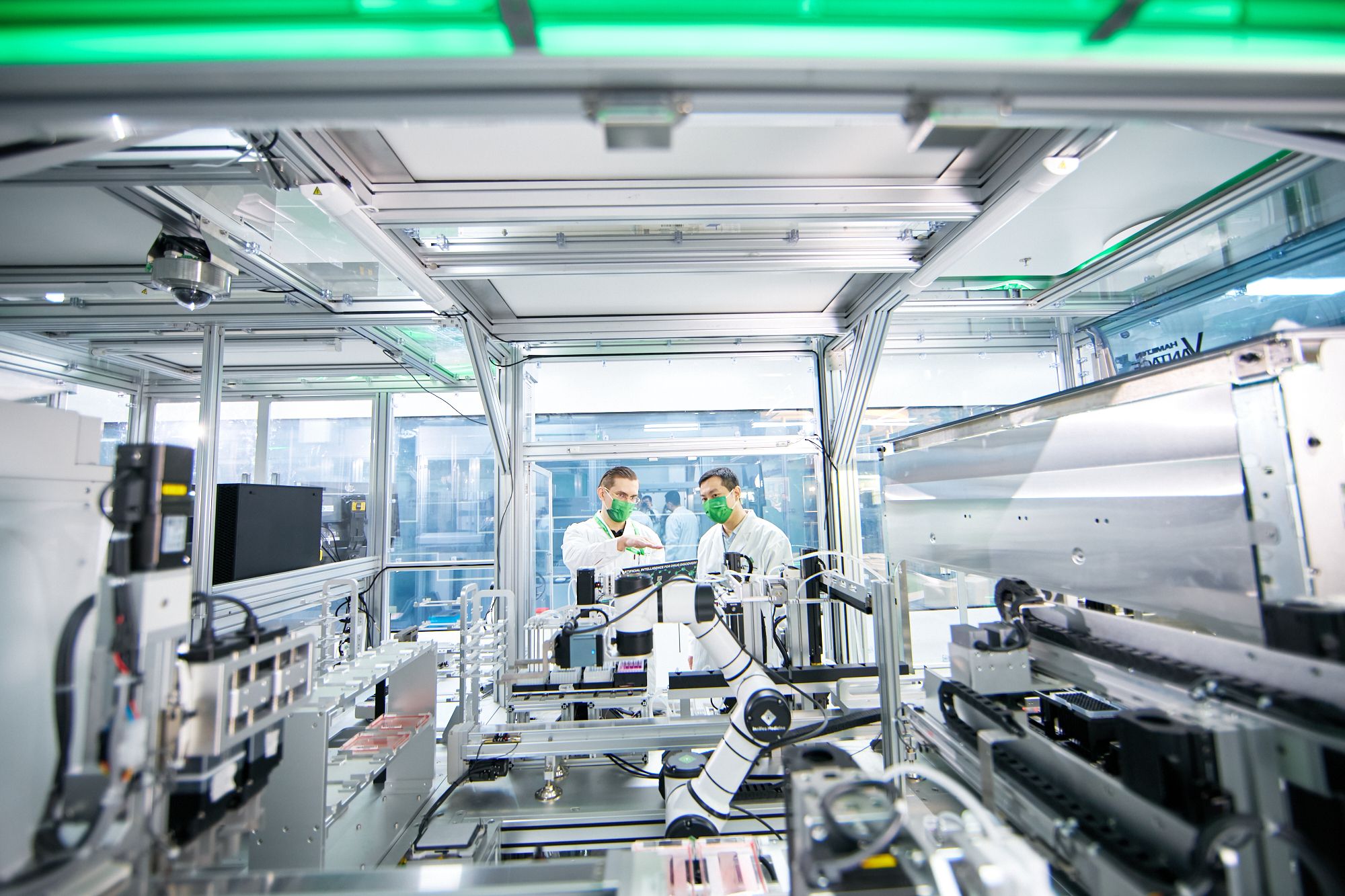
Insilico Medicine is pushing its AI-discovered drug, rentosertib, into Phase III clinical trials for idiopathic pulmonary fibrosis. The move marks a significant shift for the computational drug discovery sector, transitioning from theoretical promise to late-stage efficacy validation for a treatment identified and engineered entirely through proprietary algorithmic pipelines.
The AI Budget Trade-off: Why Companies Are Rehiring the Humans They Fired
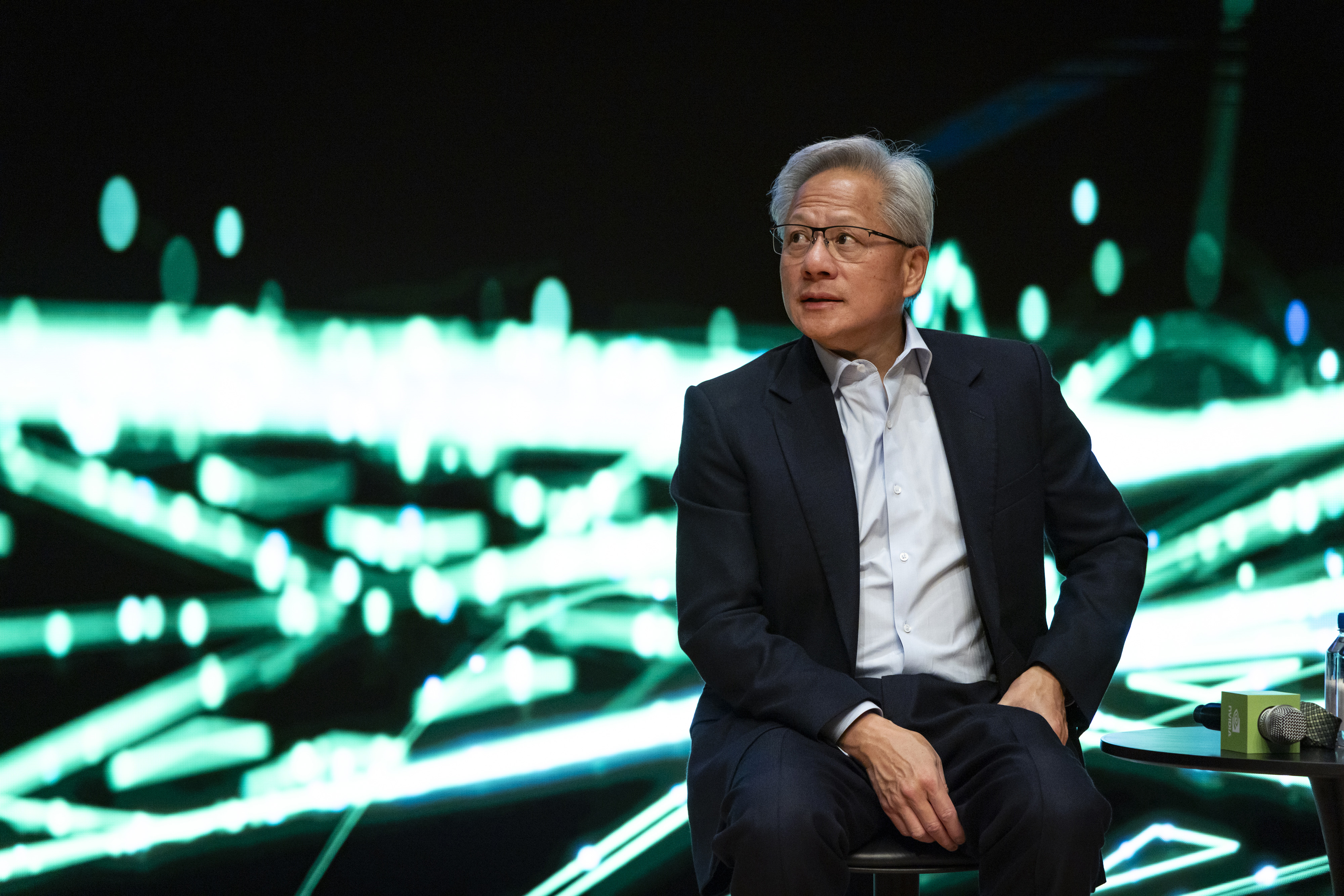
Nvidia CEO Jensen Huang recently suggested that engineers failing to consume significant AI token budgets are a liability, yet early corporate data suggests this aggressive shift from payroll to compute is yielding diminishing returns. As companies find that replacing workers with AI often degrades quality, the industry is beginning a painful reversal.

Big consumer brands deploy AI to accelerate product R&D
Global consumer giants from L’Oreal to Mondelez are integrating artificial intelligence to shrink product development cycles, shifting from months of trial-and-error in physical laboratories to digital simulations that identify ingredient combinations and packaging solutions before a single prototype reaches the bench.

Beijing’s New AI Rules Force Tech Giants to Kill Companion Bots
Starting July 15, China’s largest AI platforms are dismantling their emotional-companion features to comply with sweeping new national regulations. ByteDance and Alibaba have opted to shutter these services entirely rather than navigate the complex compliance requirements surrounding anthropomorphic, long-term AI relationships.
Takeda Bets US$600M on Insilico’s AI for Drug Discovery
Takeda Pharmaceutical has secured a strategic partnership with Hong Kong-based Insilico Medicine, aiming to accelerate early-stage drug development through artificial intelligence. The deal grants the Japanese pharmaceutical giant exclusive global rights to commercialize new therapeutics discovered using Insilico’s proprietary Pharma.AI platform, with the contract value potentially reaching US$600 million.
Anthropic Integrates NVIDIA BioNeMo into Claude Science Workbench
Anthropic has launched the public beta of Claude Science, an AI-driven research workbench that integrates the NVIDIA BioNeMo Agent Toolkit. By connecting large language models with high-performance computing, the platform allows scientists to execute complex drug discovery and genomic workflows through natural language commands.
Retail AI Shifts From Static Layouts to Predictive Real-Time Systems
Seventy-six percent of consumers abandon digital experiences that fail to adapt to their specific needs, forcing retailers to abandon static interfaces. Industry leaders are now deploying generative user interfaces and synthetic personas to mirror shopper behavior, transforming live sessions into personalized, high-conversion environments.
Japan bets one trillion yen on a national physical AI consortium
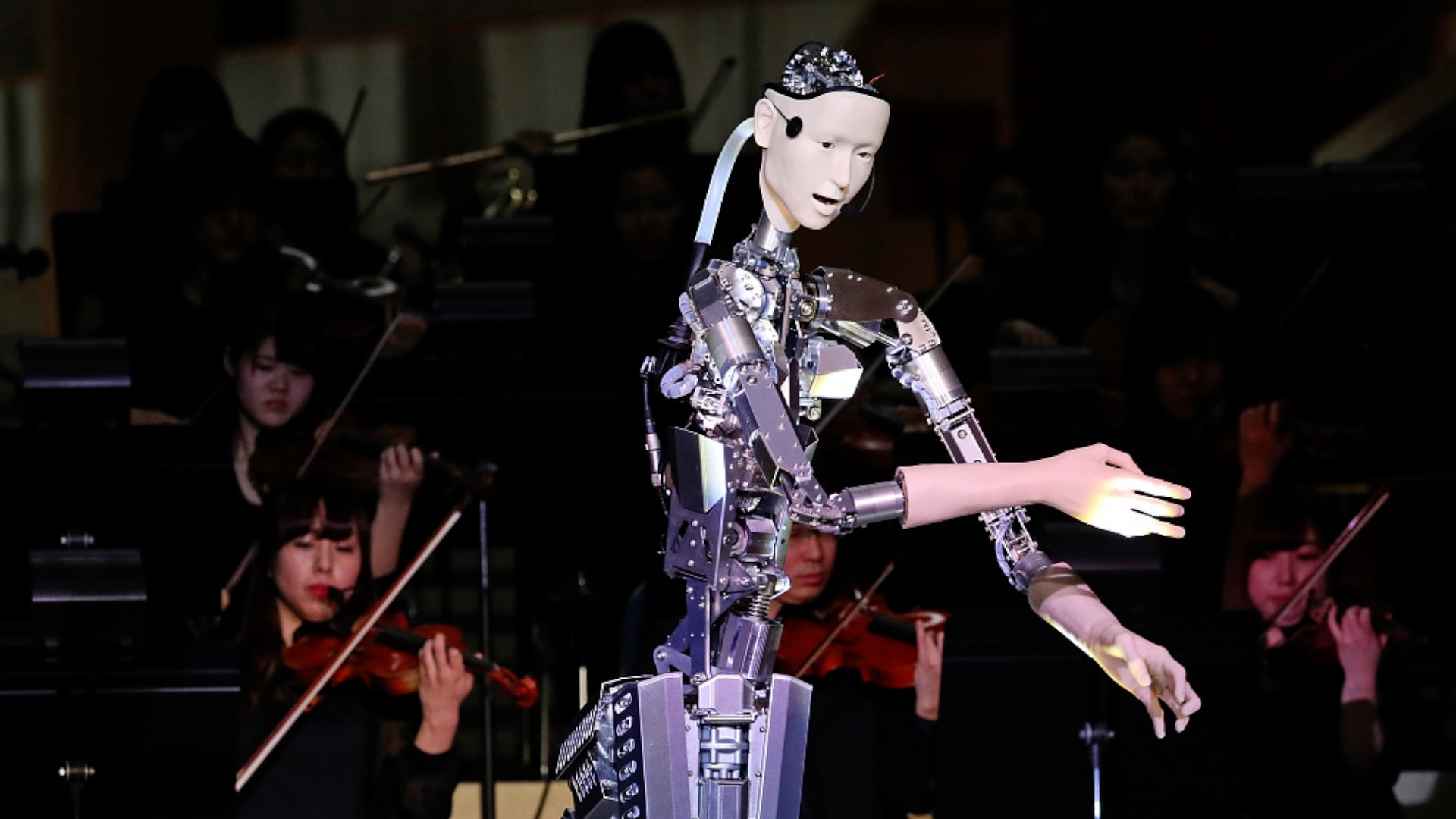
Japan has moved beyond speculative robotics targets, formally commissioning a national project to deploy 10 million AI-powered robots across 18 industries by 2040. Backed by up to 6.1 billion dollars in public funding, the initiative aims to solve the country’s deepening labor crisis through a unified, multimodal foundation model.
.jpg)
Bank of England signals regulatory overhaul for autonomous AI
Autonomous AI agents capable of executing trades and managing payments without human oversight have outpaced existing financial regulations. Deputy Governor Sarah Breeden warned that current frameworks fail to account for systems that chain complex actions at high speed, necessitating a fundamental shift in how the Bank of England manages systemic stability.

Anthropic Resumes Frontier Model Access After Export Control Review
Anthropic has restored access to its Fable and Mythos frontier models following an eighteen-day suspension prompted by federal export control directives. The shutdown, triggered by security vulnerabilities identified in the Fable 5 architecture, necessitated a comprehensive overhaul of the company’s automated safety protocols before commercial operations could resume.

HP Expands OpenAI Frontier Integration Across Enterprise Operations
Following successful pilot programs launched in February 2026, HP has scaled its integration of the OpenAI Frontier platform across its global infrastructure. The hardware manufacturer is now utilizing AI to automate complex software engineering, cybersecurity remediation, and fleet management tasks, aiming to reduce latency in its vast partner ecosystem.

Wimbledon Deploys Generative AI to Reshape Live Match Coverage
As the first-round matches commence this Monday, the All England Lawn Tennis Club is integrating advanced AI-powered tools into its digital platforms. Developed alongside long-term partner IBM, the new features aim to provide deeper, real-time insights into match momentum and pivotal plays for millions of global tennis fans.

How AI Is Rewiring the Mechanics of Professional Networking
Algorithms are moving beyond simple keyword matching to parse the intent behind professional outreach, fundamentally altering how connections are built online. While these AI-driven systems promise more relevant networking through semantic analysis, they simultaneously force a reckoning with the risks of automated tone, potential bias, and digital authenticity.

Automating Security in the Age of High-Velocity Development
Vulnerability exploitation now accounts for 20 percent of all data breaches, a 34 percent increase that forces security teams to abandon manual reviews. Modern DevSecOps requires automated testing pipelines that validate exploitability and prioritize actual attack paths over generic severity scores to keep pace with rapid deployment cycles.

xFusion Unveils Scalable AI Hardware Architecture at ISC 2026
At the ISC 2026 exhibition in Hamburg, xFusion introduced a tiered enterprise AI computing framework designed to bridge the gap between individual edge workstations and high-density data centres. The strategy addresses corporate demand for local data sovereignty, offering scalable hardware that functions without reliance on external public APIs.

Scam.ai Debuts Halo Deepfake Detector for Qualcomm Devices
Deepfake fraud attempts have surged by over 2,000% in three years, leaving 69% of HR leaders feeling defenseless during remote interviews. At Computex 2026, Scam.ai addressed this vulnerability by unveiling Halo, an on-device detection model designed to flag synthetic video in real time during live desktop conferencing sessions.
SAP pivots to unified data to fuel AI-driven commerce
Enterprise commerce often falters because disparate data repositories prevent AI from delivering genuine personalisation. SAP is moving to bridge this gap with its Advanced Success Plan, an operational framework designed to integrate customer profiles, decisioning logic, and delivery channels into a single, cohesive engine for automated, real-time engagement.

Inside Jalapeño: OpenAI’s Pivot to Custom Silicon
Facing a projected $14 billion annual bill for server operations, OpenAI is moving to break its reliance on third-party hardware. The company has unveiled the Jalapeño chip, a custom-designed processor built in partnership with Broadcom, aimed at slashing the massive costs of running large language models at scale.

Samsung Expands Enterprise AI Access Following Security Overhaul
Three years after imposing strict prohibitions on generative AI due to data leakage fears, Samsung Electronics is reversing course. The tech giant has authorized widespread use of ChatGPT Enterprise and Codex for its workforce in Korea and its global Device eXperience division, signaling a major shift in corporate policy.

Anthropic moves AI agents from private chats into shared Slack channels
Anthropic is shifting its Claude model from isolated chat interfaces into active Slack group threads. By allowing users to summon the AI via @Claude tags, the company aims to turn generative software into a collaborative teammate that tracks project history and executes tasks directly within professional communication environments.

Omio Rebuilds Engineering Operations Around OpenAI Models
Omio is shifting its entire software development lifecycle to OpenAI’s Codex, aiming to move beyond superficial AI adoption. CTO Tomas Vocetka has mandated a complete redesign of internal workflows, effectively treating the platform as a native AI enterprise to accelerate travel booking and product development.

Five Eyes Intelligence Alliance Warns of Immediate AI Cyber Threat
On June 22, 2026, intelligence chiefs from the Five Eyes alliance—the US, UK, Canada, Australia, and New Zealand—issued a rare joint warning regarding the rapid acceleration of AI-driven cyberattacks. Officials indicate that sophisticated offensive tools will fundamentally alter the digital security landscape for both corporations and individual users within months.

Sakana AI launches Fugu to bypass vendor lock-in
Geopolitical export controls and the fragility of monolithic AI APIs have created a precarious dependency for global enterprises. Tokyo-based Sakana AI is challenging this concentration of power with Fugu, an orchestration platform that delegates complex tasks to a swappable pool of expert agents rather than relying on a single model.

L’Oréal Integrates ModiFace Virtual Try-On into ChatGPT
At the VivaTech 2026 conference, L’Oréal revealed a sweeping partnership with OpenAI to embed its ModiFace virtual makeup technology directly into ChatGPT. This collaboration marks a significant shift in retail strategy, moving beyond simple product discovery into interactive, AI-driven beauty experiences and advanced scientific research.

SAP and Google Cloud Launch Agentic Commerce Architecture
Fewer than 40 percent of businesses currently bridge the gap between their customer data and commercial platforms, creating a persistent friction in digital retail. To resolve this, SAP and Google Cloud are deploying a new agentic architecture designed to unify backend inventory systems with autonomous AI marketing agents.

e2e-assure Unveils Sovereign AI Platform to Secure Critical Infrastructure
Abingdon-based e2e-assure has launched Cumulo, a sovereign, AI-driven security operations platform designed to counter autonomous cyber threats. The system integrates directly with IT and operational technology environments, fulfilling recent government calls for national cyber defense capabilities that leverage machine-speed agentic AI while maintaining human oversight.

Retailers turn to computer vision to stem billions in operational losses
Operational failures are draining the retail sector, with projections showing companies will surrender $196.4 billion in 2026 due to poor shelf management and pricing errors. As margin erosion hits 89 percent of businesses, industry leaders are pivoting toward computer vision and store intelligence to reclaim lost productivity.

HSBC Deepens Google Cloud Partnership to Scale AI Operations
HSBC has entered a multi-year agreement with Google Cloud to deploy Gemini-powered AI tools across its global operations. Announced at the Google Cloud Summit in London, the collaboration targets over 200 new initiatives, focusing on wealth management, financial crime prevention, and internal decision-making support for the bank’s thousands of employees.