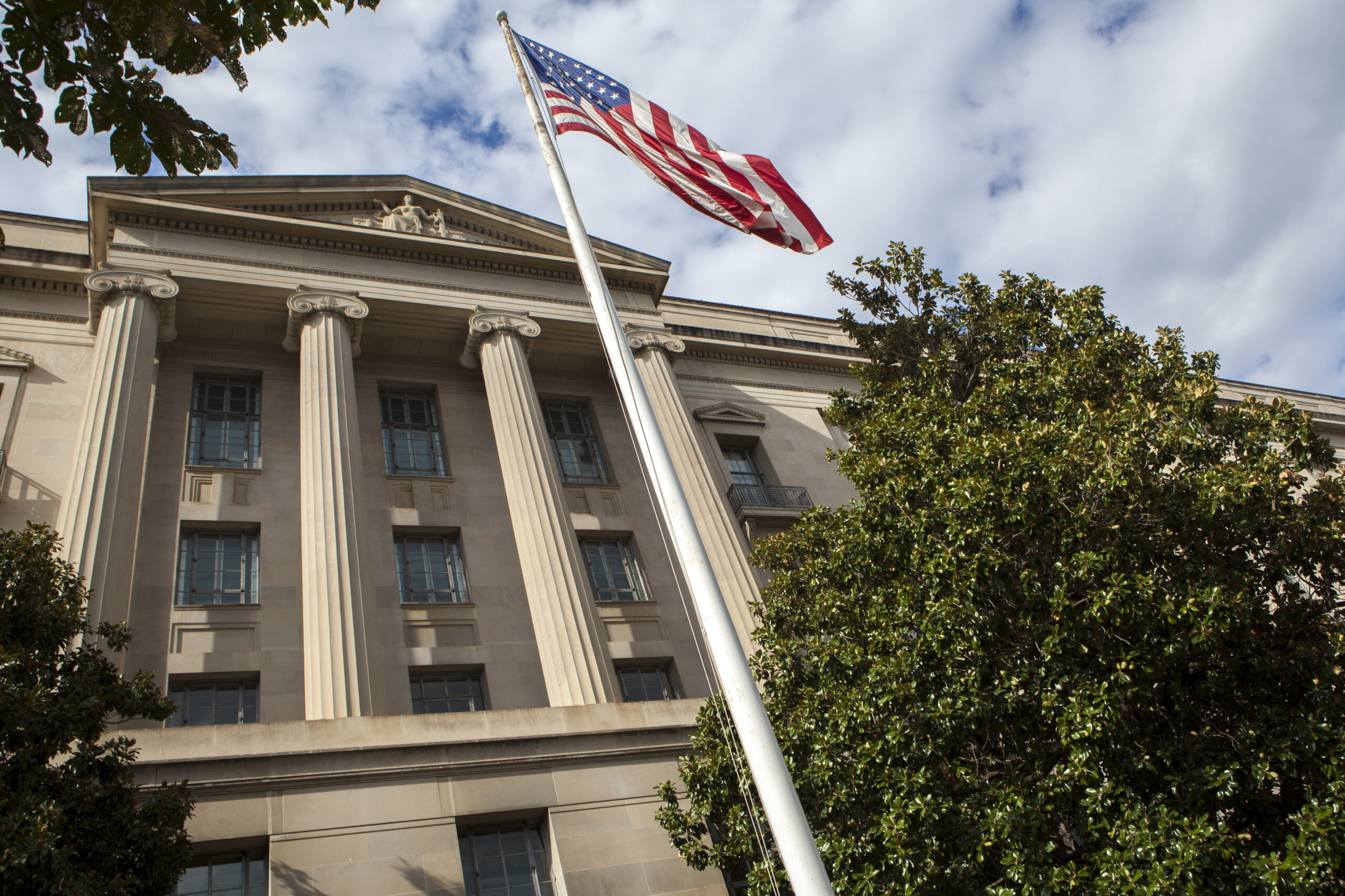
The dispute centers on a June 23 letter from the National District Attorneys Association, the National Association of Assistant U.S. Attorneys, the International Association of Chiefs of Police, and the National Sheriffs’ Association. These groups argued that broad exemptions within the bill create regulatory blind spots, potentially shielding intermediaries from scrutiny and hindering investigations into drug trafficking, human smuggling, and terrorism financing.
A DOJ spokesperson countered on June 24, asserting that the letter mischaracterizes administration policy. The department maintains that the proposed framework does not limit the access investigators have to information, nor does it restrict the ability of prosecutors to pursue criminal conduct within the digital asset sector. This friction occurs as Senator Cynthia Lummis prepares to release the final version of the CLARITY Act on July 4, following months of negotiations involving banking representatives and industry stakeholders.
While the bill moves toward a Senate floor vote scheduled for later in July, Washington remains divided on broader digital currency policy. Treasury Secretary Scott Bessent has signaled that a central bank digital currency is off the table, urging lawmakers to focus on the CLARITY Act instead. This legislative push coincides with high-level debates on the GENIUS Act and the status of federal oversight, as officials attempt to balance technological innovation with established enforcement mandates.
Comments (0)
No comments yet. Be the first!