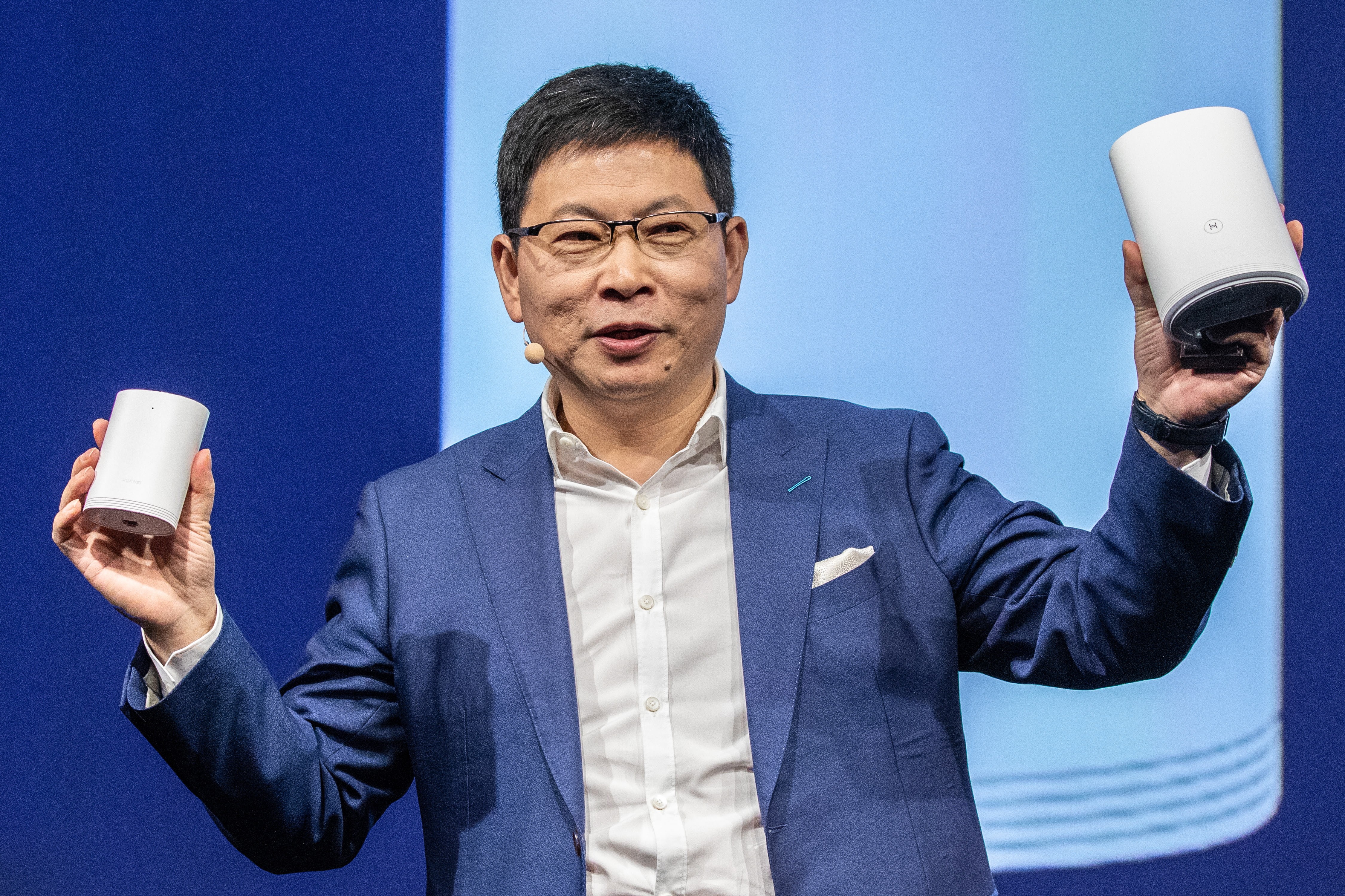
The core of this transition is the HarmonyOS Intelligent Agent Framework 2.0, which moves away from traditional app navigation toward an intent-as-service model. Huawei has rebuilt its assistant, Xiaoyi, to operate as a system-level intelligence capable of managing over 2,100 internal functions and coordinating with 2,000 third-party agents. Richard Yu, chairman of Huawei’s Consumer Business Group, positioned this release as a definitive shift into an agent-centric era, supported by the new openPangu 2.0 foundation model, which features a Pro variant boasting 505 billion parameters.
Market data underscores the significance of this move. As of Q1 2026, HarmonyOS holds a 19% share of the Chinese smartphone market, having surpassed Apple’s 16% stake. While Huawei’s ecosystem of 400,000 applications remains smaller than the global App Store, its deep integration with local services like Ctrip and Ant Medical creates a functional moat. Despite adopting a visual aesthetic similar to iOS 26, the underlying architecture is built for a distinct regulatory environment, turning what began as a survival response to 2019 US sanctions into a clear structural advantage in China.
Comments (0)
No comments yet. Be the first!